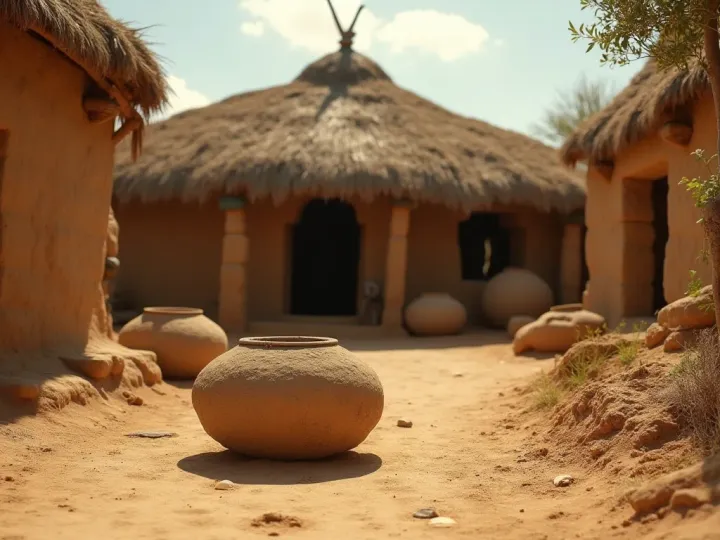
The Neolithic Collapse That Built The World You Live In
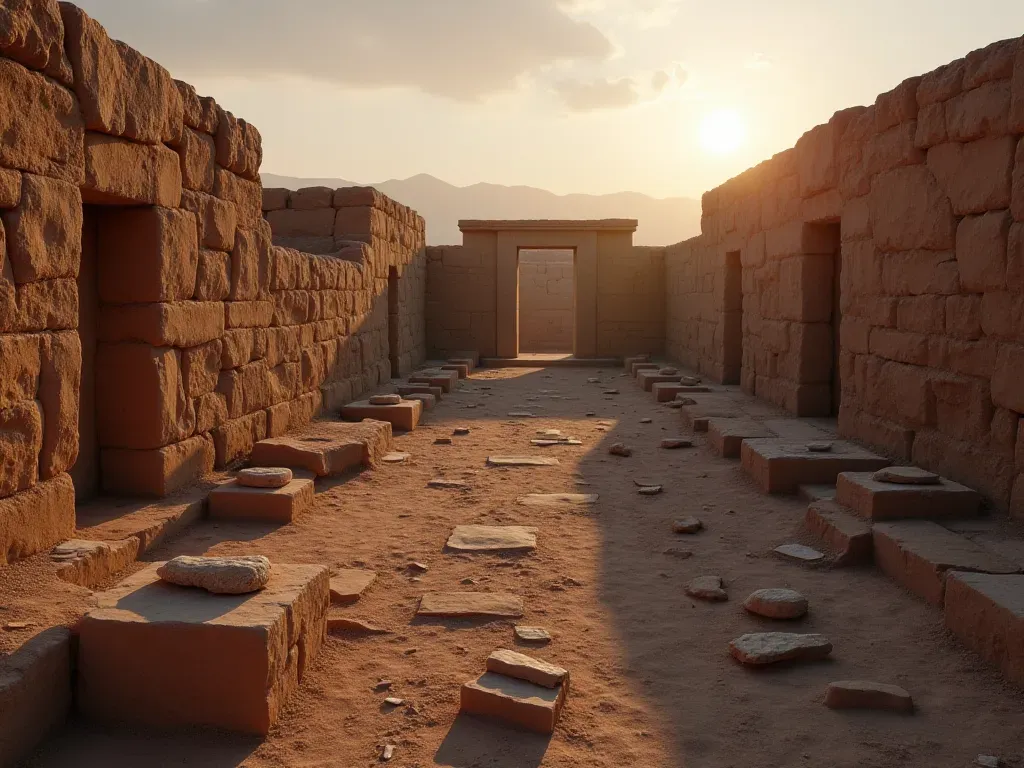
The Myth Of The Neolithic Upgrade
We like to think of the Neolithic as a steady climb. Farming appears. Villages grow. Pottery shows up. A smooth, inevitable upgrade, right? The evidence from the second half of the seventh millennium BCE tells a messier, more violent story. It was a period of sharp decline and radical reinvention.
I have spent years reading about this era, and the thing that keeps hitting me is the scale of the break. We are not talking about a slow fade. We are talking about a sudden, systemic failure. The large, dynamic communities that defined the earlier Neolithic did not just shrink. They fractured. The social glue that held them together snapped.
This is not just academic trivia. The way these ancient communities collapsed and then rebuilt themselves created the templates for how we organize society today. If you want to understand why modern social structures feel the way they do, you have to look at the wreckage of BCE.

What Actually Happened In BCE
The book 'Concluding the Neolithic' edited by Arkadiusz Marciniak lays out the case with brutal clarity. The affluent, dynamic Neolithic way of life did not end because of a single bad harvest. It ended because the entire system of social and economic organization broke down. The communities that had thrived for centuries suddenly found themselves unable to sustain their way of life.
The changes were visible in the physical record. The spatial organization of settlements shifted. Architecture became different. Burial practices changed. Even the way chipped stone and pottery were made went through a radical transformation. It was a total systemic shift, not just a minor adjustment.
The Disintegration Of Large Centers
One of the most striking findings is the disintegration of the constitutive principles that bound large centers together. The big, aggregated communities that had defined the earlier Neolithic began to break apart. This was not a gradual process. It was a rapid unraveling of the social fabric.
This disintegration created a vacuum. The old social structures were gone, but new ones had not yet formed. Communities were left in a state of flux, trying to find new ways to organize themselves and survive. It was a period of intense experimentation and adaptation.
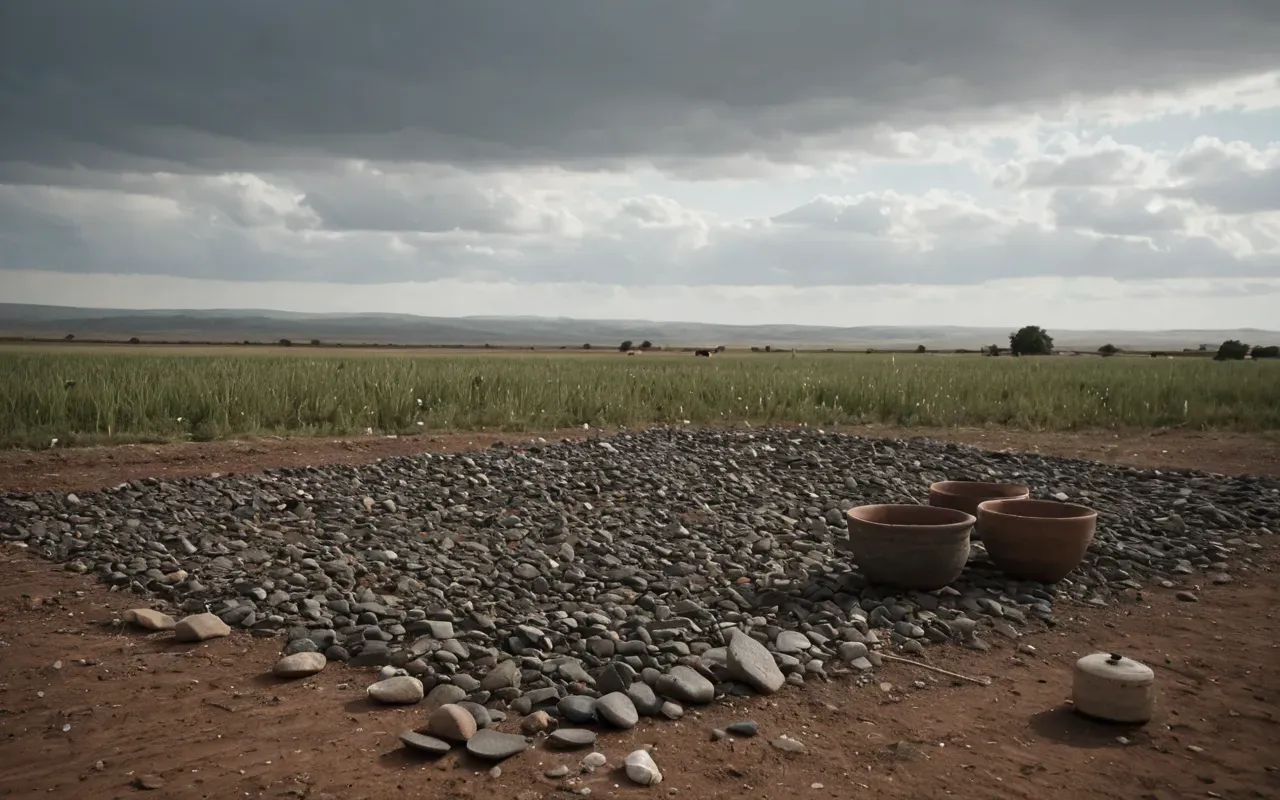
The Human Cost Of Social Collapse
When a social system collapses, the human cost is immense. People who had lived in stable, well-organized communities suddenly found themselves in a world of uncertainty. The rules that had governed their lives for generations were no longer relevant. They had to reinvent themselves from scratch.
This is where the story gets really interesting. Instead of descending into chaos, these communities found new ways to live. They developed new social structures, new economic strategies, and new forms of cultural expression. The collapse was not the end. It was the beginning of something new.
Reinventing The Rules Of Community
The new social system that emerged from the collapse was fundamentally different from the old one. It was more flexible, more adaptable, and more resilient. It allowed communities to survive in a world that was changing rapidly. This new model of social organization would go on to shape the development of farming communities across the region and beyond.
This is not just a story about the past. It is a story about how human societies respond to crisis. The way these ancient communities reinvented themselves offers valuable lessons for us today. We are living in a world of rapid change and social upheaval. The Neolithic collapse shows us that even in the face of total systemic failure, human beings can find new ways to thrive.
Why This Changes More Than You Think
We tend to think of history as a linear progression. From simple to complex. From primitive to advanced. But the Neolithic collapse challenges this view. It shows that progress is not inevitable. It is contingent. It depends on the specific choices that communities make in times of crisis.
This has profound implications for how we think about our own society. We are living in a world of increasing complexity and interdependence. If our social structures are to survive, they must be flexible and adaptable. The Neolithic collapse shows us that rigidity is a recipe for disaster. Flexibility is the key to survival.
The Legacy Of The Neolithic Collapse
The legacy of the Neolithic collapse is visible in the structures of our modern society. The way we organize our communities, the way we manage our resources, the way we respond to crisis. All of these things are shaped by the choices that were made in the second half of the seventh millennium BCE. We are living in the shadow of that collapse.
This is not a pessimistic view. It is a realistic one. It recognizes that the world we live in is the product of a long and complex history of rise and fall, of success and failure. It is a history that is still unfolding. And it is a history that we are still shaping.
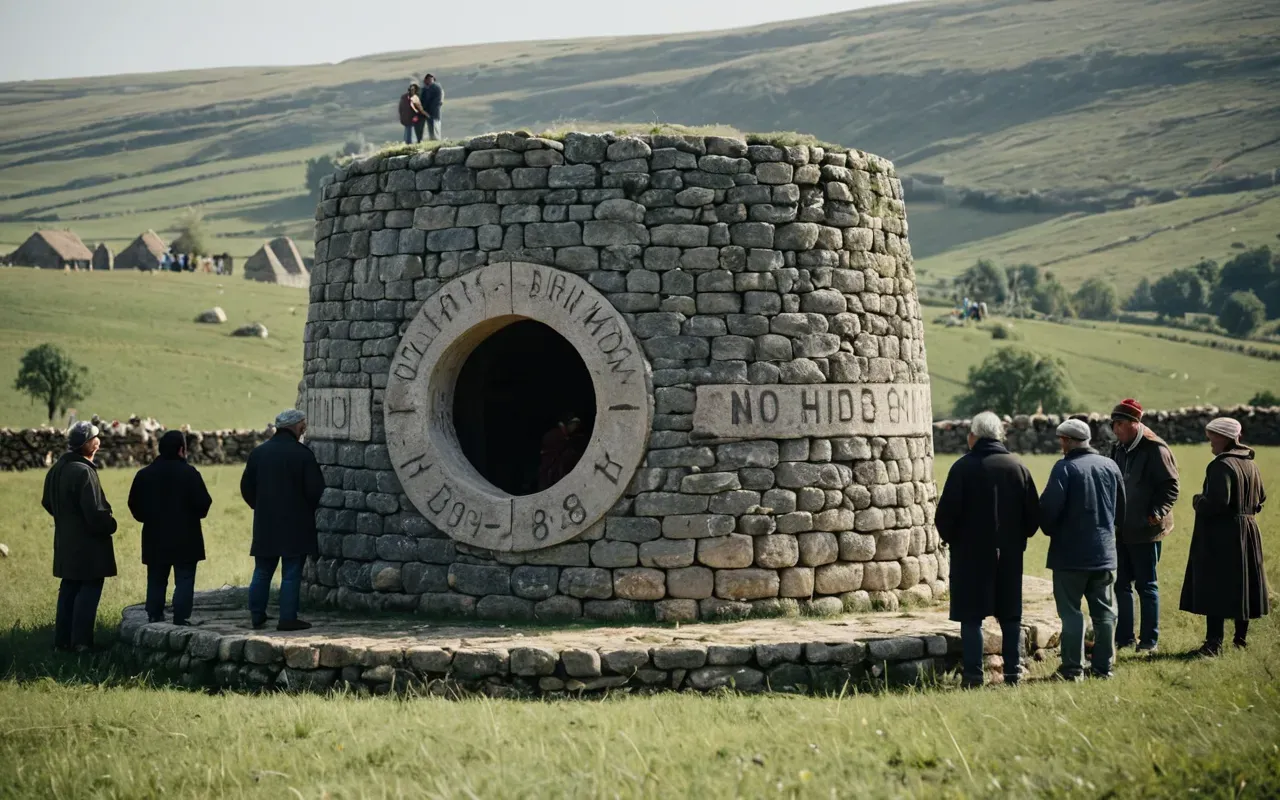
The Story We Are Still Telling
The story of the Neolithic collapse is not just a story about the past. It is a story about the present. It is a story about the choices we are making today. The way we organize our communities, the way we manage our resources, the way we respond to crisis. All of these things are shaped by the legacy of the Neolithic.
This is a story that we are still telling. And it is a story that we have the power to shape. By understanding the past, we can make better choices for the future. The Neolithic collapse shows us that even in the face of total systemic failure, human beings can find new ways to thrive. And that is a message of hope.