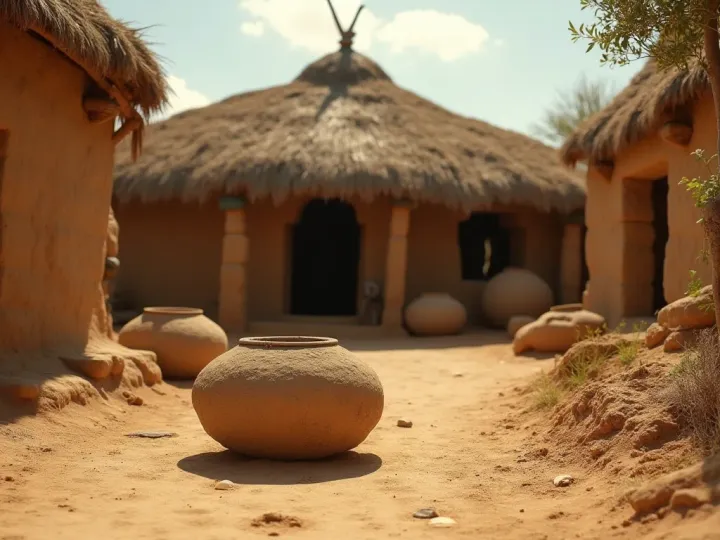
We Were Wrong About Why Neolithic People Built Houses
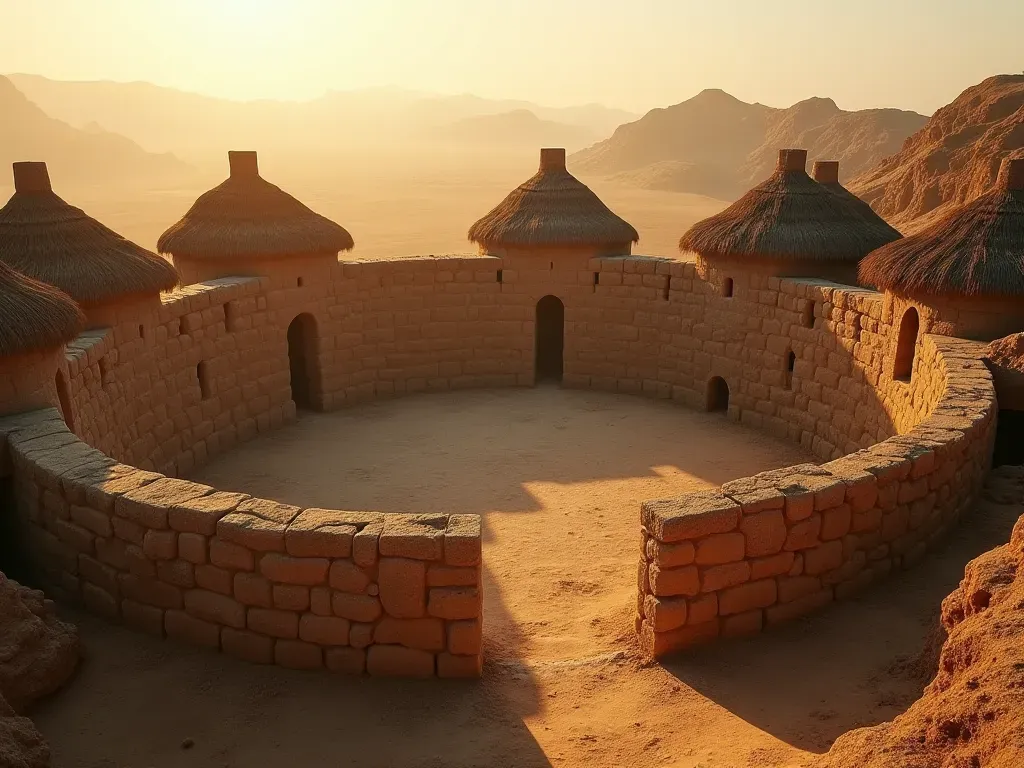
The House That Stopped Being A Shelter
For decades, we treated prehistoric homes as simple boxes. Four walls, a roof, people inside cooking dinner. It's safe, it's logical — and it's completely wrong.
A digital reprint of "Neolithic Houses in Northwest Europe and beyond" has just landed on JSTOR. Not exactly breaking news for scholars. Oxbow Books published the original back in .
But for the rest of us? This is a bombshell. The book argues that houses weren't just places to sleep. They were active agents in social life. They did things.
The Skeptical View That Changed Everything
Julian Thomas kicked off the volume with a jab at his own peers. He called our understanding of domestic architecture "problematic." Strong words for an academic paper.
His argument is sharp. We don't just look at the ruins — we bring a preconceived framework with us. And that framework tells us what to see before we even dig.
Think about it. We walk into a site with postholes and immediately call them "house walls." But why? Because we expect houses to exist there.
Thomas suggests this is circular logic. We build the theory of the house, then find evidence to support it. A self-fulfilling prophecy dressed up in trench coats.
Houses As Process Not Object
Alasdair Whittle took this a step further. He argued we shouldn't see the house as an object at all. It's a process.
That distinction matters more than you might think. An object sits still. A process moves and changes over time.
He looked at settlements in Serbia during the Copper Age, and showed how houses were constantly being modified and rebuilt.
The house wasn't a container for the family. The family and the house were intertwined in a continuous loop of creation.
The Missing Houses Of Britain And Ireland
Here's the thing. British Neolithic settlements have had a bad press for sixty years.
Timothy Darvill notes that Grahame Clark complained in about the lack of evidence. He said people seemed to be born dead, because we only found their graves.
Darvill's chapter covers England Wales and the Isle of Man. He details why so few structures survive in these regions.
It's not because there were no houses. It's because they're hard to find and harder to interpret.
The Irish Perspective From Lough Gur
Eoin Grogan dives into the Irish record. He highlights a discovery from at Lough Gur in County Limerick.
Sean P O Riordain found the foundations of a rectangular structure there. It turned out to be the first Neolithic house identified in Ireland.
This find changed how we look at the entire island. It proved that people were settling and building permanent structures there.
Scottish Variability And The Ballygalley Site
Gordon Barclay argues there's no such thing as a single Scottish Neolithic. The landscape is too diverse for that.
Derek Simpson adds to this with the Ballygalley houses in County Antrim. These were found during field walking in August .
The site was exposed by topsoil stripping for a housing development. A quick excavation saved the evidence before it vanished.
Bulgaria And The House That Lived A Life
Douglass Bailey brings us to Tell Ovcharovo in Bulgaria. He focuses on a single structure: House .
He doesn't just describe the walls. He reconstructs the life of that specific building over time.
This approach bridges the gap between big theories and small details. It shows how a house changes as its inhabitants change.
It's intimate. It's specific. And it proves that every house has a biography of its own.
Ritual Structure And Cosmology In The Home
Peter Topping looks at ritual behavior in British and Irish homes. He reviewed thirty-one sites to find patterns.
He found that artifact deposition wasn't random. Objects were placed with intent and meaning.
This suggests that the home was a sacred space. Not just for eating and sleeping.
Beyond Europe Balinese And Amazonian Insights
Colin Richards brings in the Balinese house to challenge our assumptions. He argues that we're too practical.
We assume orientation is about wind direction. Richards says it might be about cosmology and spiritual alignment.
Christine Hugh-Jones adds an Amazonian perspective. She studies the Indian longhouses of Northwest Amazonia.
Her work shows that space isn't empty. It's filled with social and spiritual meaning that we often miss.
Why This Digital Reprint Matters Now
You can access this book through JSTOR. It's a digital reprint of the original Oxbow Books publication.
The book contains thirteen chapters covering a wide range of sites and theories. It's a dense read but rewarding.
For anyone interested in the Neolithic era this is essential reading. It challenges the status quo.
If you are curious about how ordinary houses reveal more than temples this book is the perfect starting point.
The Bigger Picture Of Human Ingenuity
These ancient people weren't just surviving. They were creating complex social worlds.
Their houses reflect that complexity. Every beam and wall had a purpose beyond shelter.
Understanding this changes how we see our own history. It makes the past feel alive and immediate.
So next time you think about your own home remember that the concept is ancient and deeply meaningful.
The Neolithic Studies Group did important work here. And this digital reprint keeps that conversation going for a new generation.
It's a reminder that archaeology isn't just about digging. It's about thinking differently.
The houses are still there waiting to be understood. And now we have the tools to do it properly.
This isn't just history. It's a lesson in how we build our lives and communities.
The implications are vast. And they start with a single question about what a house really is.