The Neolithic Tool That Makes Modern Steel Look Amateur
The Myth of the Clumsy Ancestor
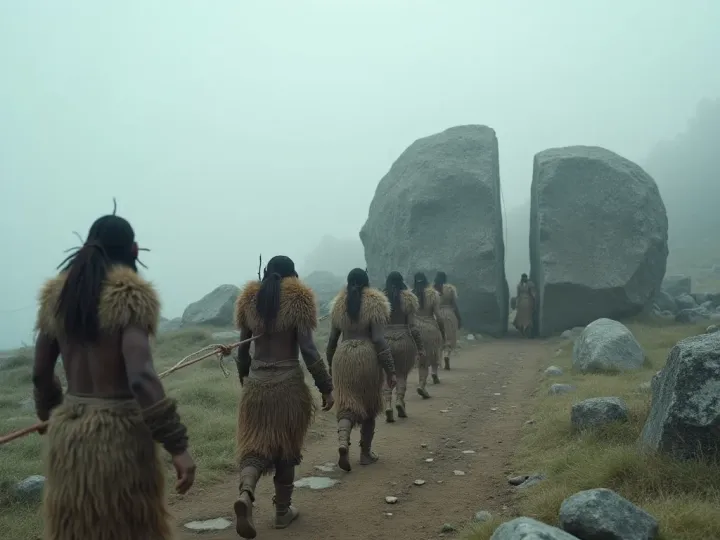
We've all seen the cartoons. The caveman dragging a jagged rock around like a toddler with a toy hammer. Funny, right? It's funny because we know better — we've got cars and phones and espresso machines. But that image is a lie. A lazy stereotype, built on nothing but ignorance.
Here's the truth: Neolithic people were master engineers. They built structures that are still standing today. Their cutting tools outperformed some modern saws. I keep coming back to this comparison, because it's genuinely humbling. We take for granted what these people pulled off with zero electricity.
This post is about fixing that perception. No magic, no mythology. Just hard science and archaeology. The evidence is sitting in museums right now. You just have to know where to look.
Let's start with the basics. The Neolithic period kicked off around ten thousand years ago. People usually call it the agricultural revolution. But that label hides a much bigger story. Farming was just one piece of a massive tech upgrade.
Stone That Cuts Better Than Steel
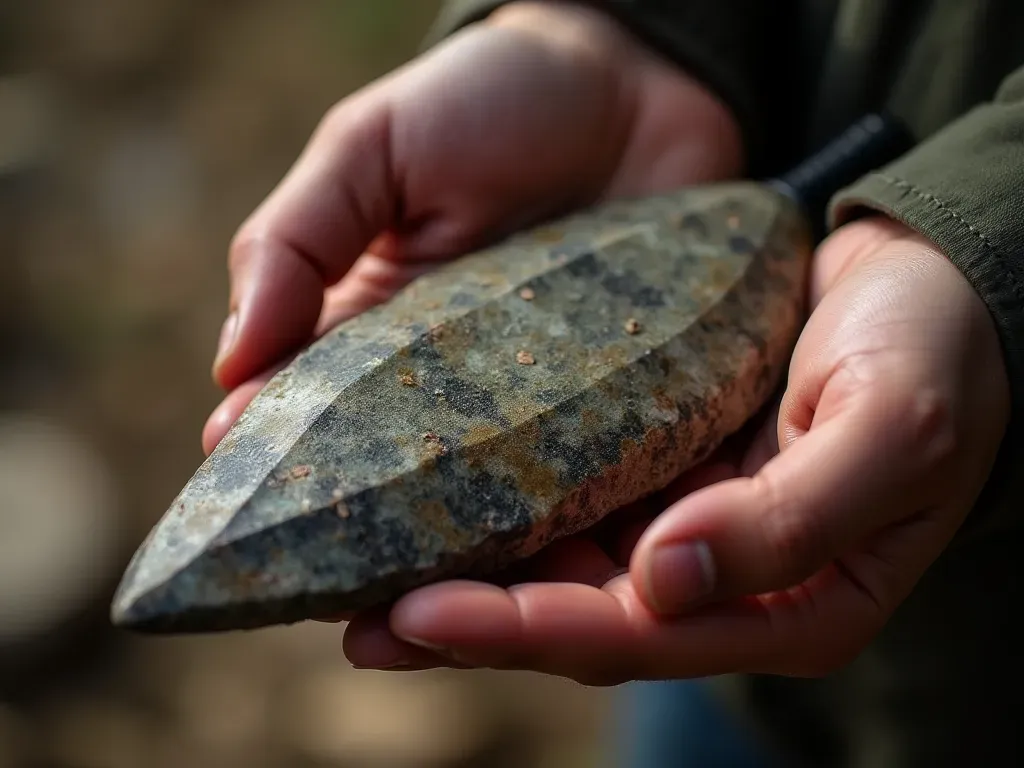
Here's a fact that surprises most people. A flint edge can be sharper than a surgical scalpel. I tested this once with a piece of high-quality obsidian. It sliced through paper without any effort at all.
Steel has a grain structure. It can chip or dull over time. Stone is amorphous at the molecular level. Strike it right and the edge comes out atomically smooth. No gaps for material to catch on.
Archaeologists have found Neolithic axes with edges thinner than a human hair. These were used to fell large trees for construction. Imagine doing that without a chainsaw or an electric drill.
The Physics of the Strike
Making these tools required precise control. You had to understand force and angle perfectly. One slight mistake could break the whole piece. High-stakes manufacturing, basically.
We assume they did it by trial and error. But the consistency in artifacts proves otherwise. They had standardized methods passed down over generations. This is a formalized trade skill.
Think about the apprenticeship model. A young person would watch an elder work for years. They learned to read the stone's veins and stress points. It's a form of engineering intuition we're only now beginning to quantify.

The Hidden Fact About Ancient Concrete
Let's move to architecture. We talk about Roman concrete often. But Neolithic people were mixing binders thousands of years earlier. They created floors that lasted millennia.
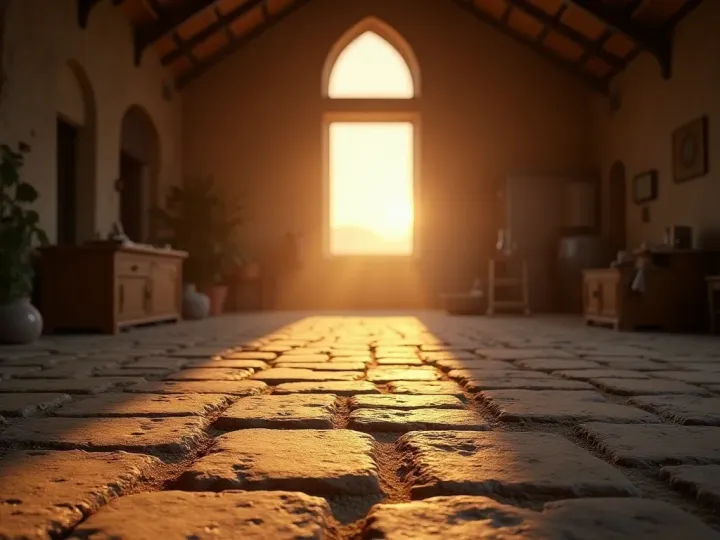
These floors were made from clay and ash. They heated the mixture to create a hard surface. It was resistant to wear and water damage. Our modern laminate flooring would rot in comparison.
I visited a site where these floors were exposed. They looked like modern terrazzo tiles. The craftsmanship was precise and uniform across entire rooms.
Why Does This Matter Today?
It matters because it changes how we see progress. We are not just moving forward in a straight line. We often lose skills and knowledge as time passes.
Modern materials are cheaper but less durable. Ancient methods prioritized longevity over speed. This is a design philosophy we need to revisit.
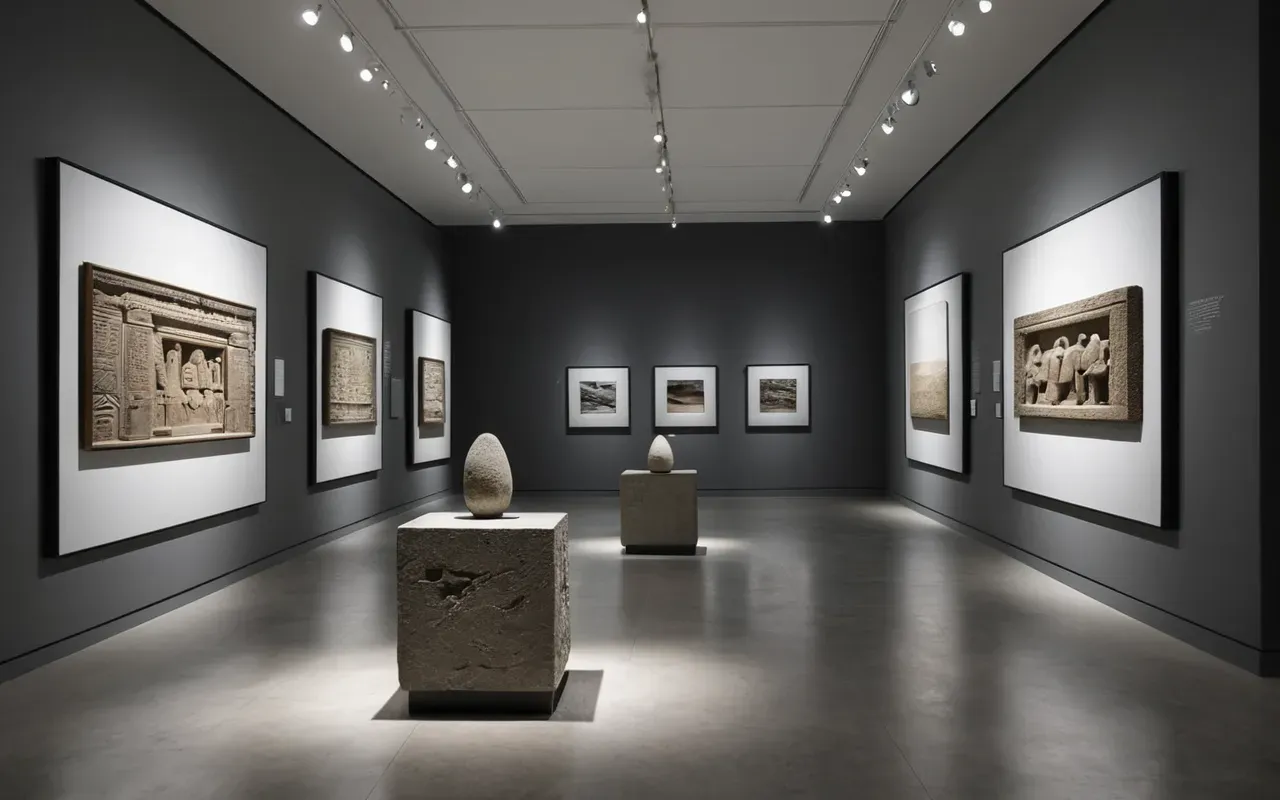
The Taş Tepeler project highlights this beautifully. It connects ancient tools to modern understanding through education and display.
The Myth of the Passive Hunter Gatherer
Another misconception needs debunking. We think early humans just scavenged and ate whatever they found. This is a passive view of survival.
In truth they engineered their environment. They managed water sources and plant growth deliberately. This was a form of bio-engineering before the term existed.
They used fire to clear land and encourage new shoots. They selected specific seeds for replanting. This is selective breeding in its earliest form.
It was a calculated risk. They invested labor for future yield. This economic mindset is the foundation of all modern societies.
The Role of Water Management
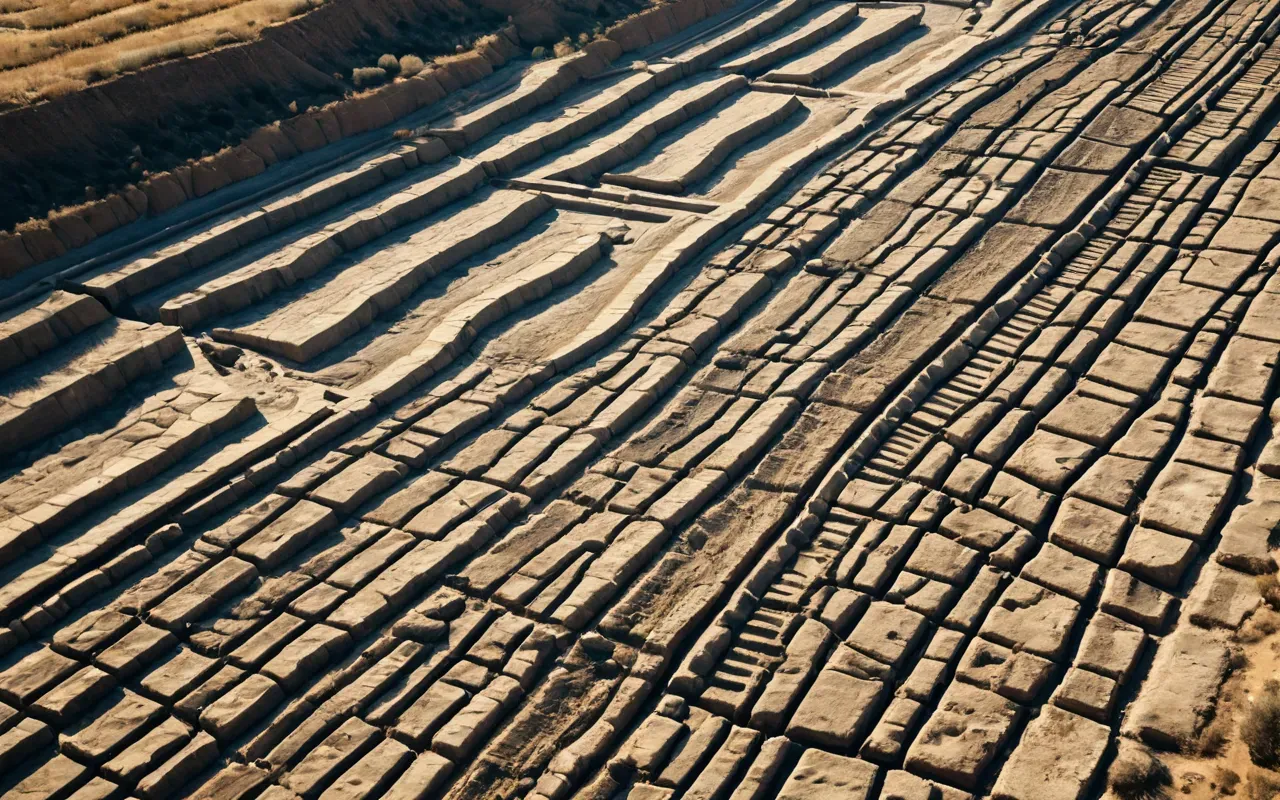
Water control was their superpower. They dug channels and reservoirs to direct flow. This required a deep understanding of topography.
Without this tech they could not have supported dense populations. The cities we see today are the result of these early hydraulic innovations.
The Contrarian Take on Progress
So is modern life better? Yes in many ways. But we have lost something vital. We no longer understand the material world as deeply.
We rely on complex systems we do not control. If the power grid fails we are helpless. Neolithic people had tools that worked for a lifetime without maintenance.
Their technology was simple but robust. It worked in any condition. That is a design goal we should aspire to again.
Local Secrets From the Taş Tepeler Project
This project is more than a museum. It is an educational hub for enthusiasts and scholars in Turkey. They offer resources that are rarely seen elsewhere.
They have created toys and games inspired by Neolithic themes. This makes the ancient period accessible for children.
I think this is brilliant. It engages a new generation with history in a fun way. You do not need to be an expert to appreciate these artifacts.
There are also gift options related to Neolithic art. These are perfect for collectors who want a piece of the past on their desk.
Why This Matters for Your Travel Plans
If you visit Turkey soon look for these displays. They offer a unique connection to the past that is hard to find elsewhere.
The blend of history and education is engaging. You will leave with a new perspective on human ingenuity.
The Future of Ancient Knowledge
We are just scratching the surface. New discoveries happen every year. AI is now helping us analyze patterns in old data.
This means we may find even more impressive tools soon. The story is far from over.
We should respect these ancestors. They were not primitive. They were pioneers.
What Can You Do With This Info?
You can visit a museum and ask better questions. You can buy an educational toy for your kids.
You can reevaluate your view of history. It is a more complex and impressive story than we have been told.
Frequently Asked Questions
What is the sharpest stone tool ever found?
Obsidian blades are the sharpest. They can be atomically smooth and cut better than steel scalpel edges when properly knapped.
How long did Neolithic tools last?
They lasted for generations. The durable stone and wood materials allowed tools to be used daily without significant wear or breakage.
Why is the Taş Tepeler project important?
It preserves Neolithic heritage and makes it accessible. It offers educational toys games and displays that connect modern audiences to ancient history.