A plague in the bones just rewrote why Europe's first farmers vanished
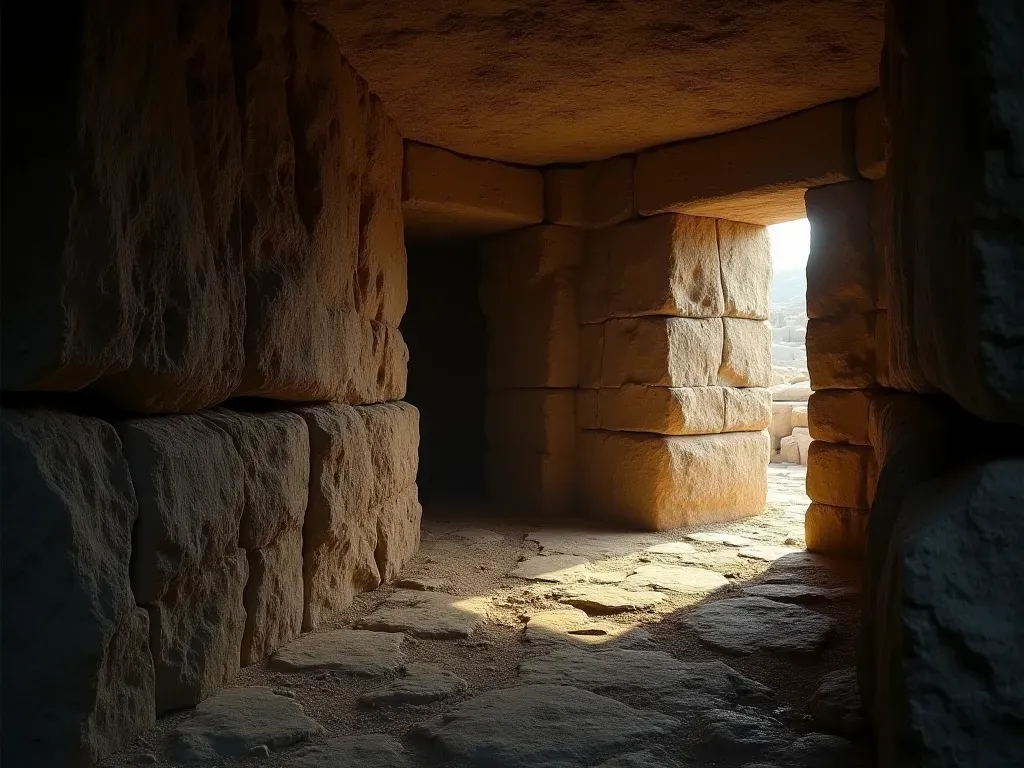
The silence after the last stone was placed is deafening.
For centuries, archaeologists stared at the empty spaces where massive stone chambers once stood. They assumed people simply moved on to better things.
But new data from a site near Paris suggests something far darker happened. The builders didn't leave because they had somewhere else to go.
They died. Massively and suddenly. And their bones are finally telling us the truth about that catastrophic end to an era.
DNA evidence reveals two completely different populations in one tomb.
Researchers analyzed the genetic material of individuals buried at an allée sépulcrale in Bury. This location sits just outside Paris.
The results were startling. The first phase of burials dates back to roughly BCE. These individuals carried local ancestry.
Then there is a gap. When the second phase begins around BCE, the genetics change completely.
These later arrivals display heritage from Iberia and southern France. It is a clear genetic wipeout of the original community.
"We can see a clear genetic break between the two burial phases," said study author Frederik Seersholm.
"The people who used the tomb before and after the collapse appear to be two completely different populations," he explained.
The cultural shift was just as dramatic as the genetic one.
It wasn't just who died that changed. It was how they were buried.
In the first phase, bodies were aligned with the main axis of the tomb. They lay in extended positions.
The second phase shows no such order. Bodies are flexed and placed without regard to the tomb's structure.
This suggests a total cultural reset. The new group didn't respect the old rules. They simply took what was available.
Why do burial practices matter so much in archaeology?
Burials are a snapshot of belief. They show how a community viewed death and the afterlife.
When practices change this abruptly, it signals a break in social continuity. It is evidence of societal collapse.
The real killer might be hiding in the bone marrow.
Here is where it gets truly disturbing. The first phase contained an unusually high number of infant and child skeletons.
This pattern suggests excess mortality among juveniles. It points to a catastrophic event that spared the young.
Could it be war? Famine? Or something more insidious?

Researchers found high rates of DNA from Yersinia pestis in the older skeletons. This is the bacterium that causes plague.
"While there is no strong case to say that plague alone caused the population collapse," explained Martin Sikora.
"The total disease load could have been one of several contributing factors," he noted.
Was the plague the final blow or just one part of a larger crisis?
It is likely not the sole cause. But it certainly weakened a population already under stress.
A community fighting disease is vulnerable. It cannot defend its territory or maintain complex structures.
This wasn't a local event. It was a continental collapse.
Similar patterns appear in tombs across Germany, Denmark, and Sweden. All show population turnover around the same time.
This points to a widespread Neolithic decline. The megalithic builders didn't just move away.
They vanished. And their empty spaces were filled by newcomers from the south and the steppe.
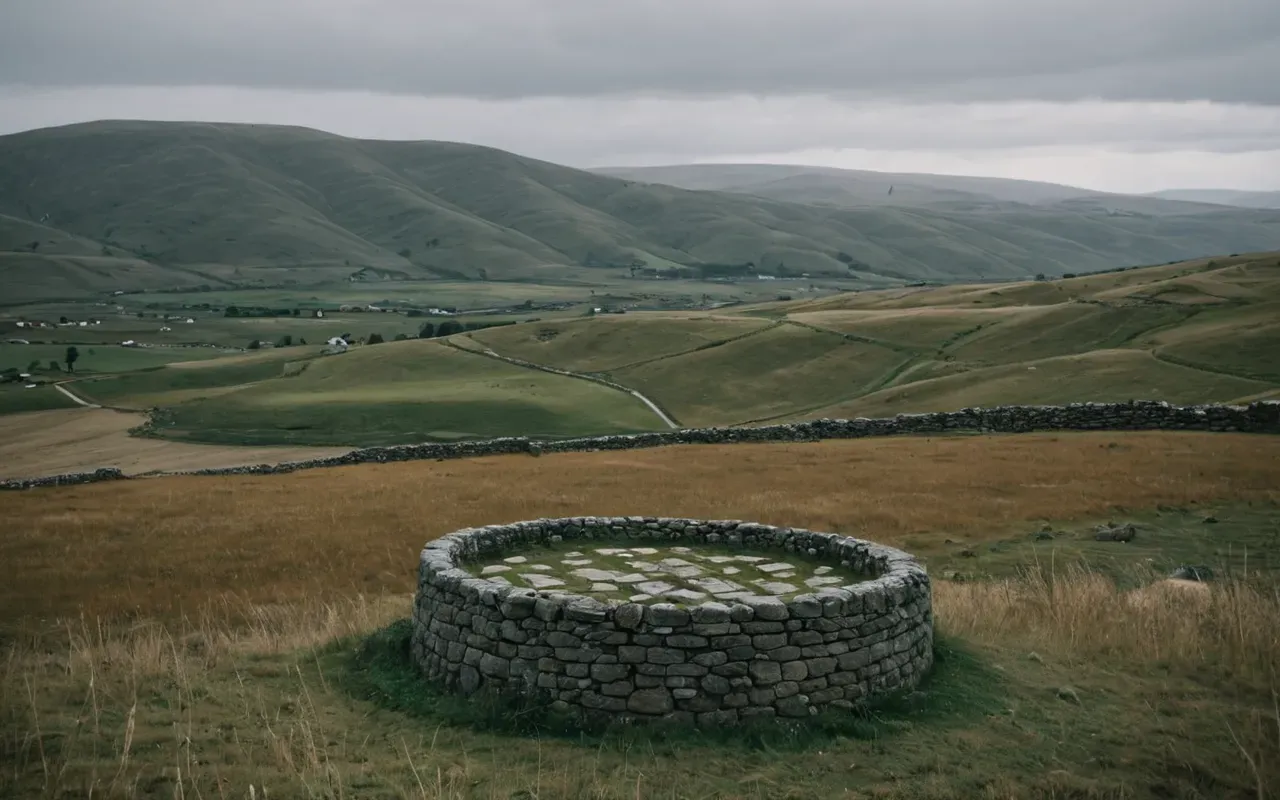
How did neighboring groups fill the vacuum left by this collapse?
When a population crashes, it creates space. Neighboring groups expand into that space.
"Both the Iberian northward migration and the expansion from the steppe were related responses to the Neolithic decline," the researchers conclude.
This changes how we view the end of an entire era.
We often think of prehistory as a slow progression. But this was abrupt and violent.
The megalithic tradition didn't fade. It was interrupted by a demographic disaster.
Understanding this helps us appreciate the fragility of early societies. Even complex cultures can collapse quickly.
What does this tell us about the resilience of human communities?
It shows that adaptation is key. The newcomers didn't just survive.
They inherited the infrastructure of a dead civilization and built their own legacy on top of it.
The bones are still speaking if we learn to listen carefully.
This study confirms that the cessation of megalithic tomb construction was linked to a mass die-off.
It wasn't just one group. It was a continent-wide event that reshaped the genetic map of Europe.
As we dig deeper into the past, we find that history is far more dramatic and complex than we imagined.
The silence of those tombs is no longer silent. It screams a story of loss, survival, and rebirth.