The Stone Sphere That Broke My Bias Against Neolithic Art
The object that broke my bias against Neolithic art
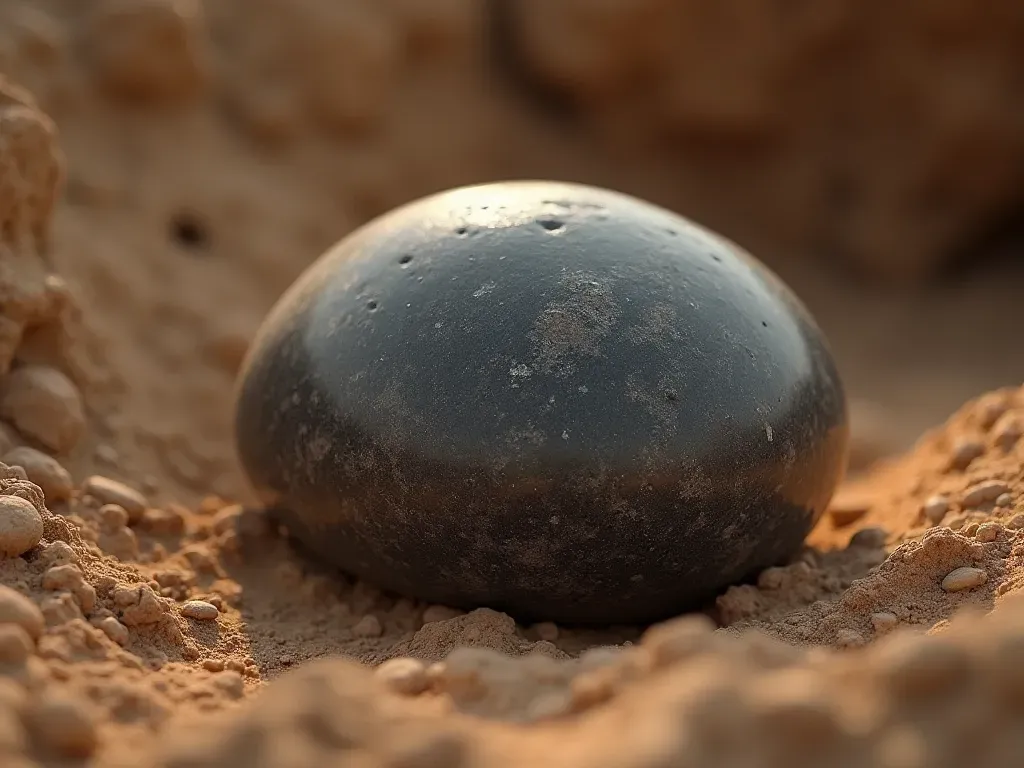
I walked into the exhibit lugging a heavy book in one hand, skepticism pressing on my chest. Inside the glass case sat a single stone sphere, no bigger than an apple.
It was smooth. Perfectly round, actually. I pulled out my phone and stared at it through the glass for a full minute.
My brain kept whispering that somebody had dropped it from a modern toy store. But the label insisted otherwise.
That tiny flicker of doubt is where I found my angle. Here's the thing: we're so busy chasing grand temples and massive monuments that we completely miss these small objects.
They're the real evidence of a mind at work. The Taş Tepeler project doesn't just put these items on display; it forces you to look closely.

Why we keep dismissing early human creativity as simple labor
We tend to view the Neolithic era through a lens of pure survival. We picture people chopping wood and digging pits for grain.
But that view is lazy. Honestly, it strips the humans right out of history and leaves only the chores behind.
Look at tools like grinding stones or flint knives in the Taş Tepeler collection. They're not just survival gear.
They represent a specific way of thinking about friction. They show someone who understood that pressure and movement could reshape the world.
This is where my bias hit a wall. I thought of that sphere again. To polish it into that perfect shape would have taken hours.
Hours not spent hunting or farming. So why do we assume they had no free time? They clearly did.
The sphere is a signal of social complexity not just decoration
In my opinion, this object was likely never meant for practical use. It didn't cut anything. It didn't hold anything.
It was a status symbol. A way to announce that you had the skill and the time to create something purely for beauty.
That mirrors how we use art today. A handcrafted chair in a modern living room isn't just for sitting; it signals taste.
The Taş Tepeler project presents this idea clearly through its educational materials. They don't shy away from the social angle.
They show how these objects likely moved between people. They were gifts or trade items that carried social weight.
This is the part most people miss. The culture wasn't just about eating; it was about who you were in relation to others.
How the exhibition design changes how we perceive these items
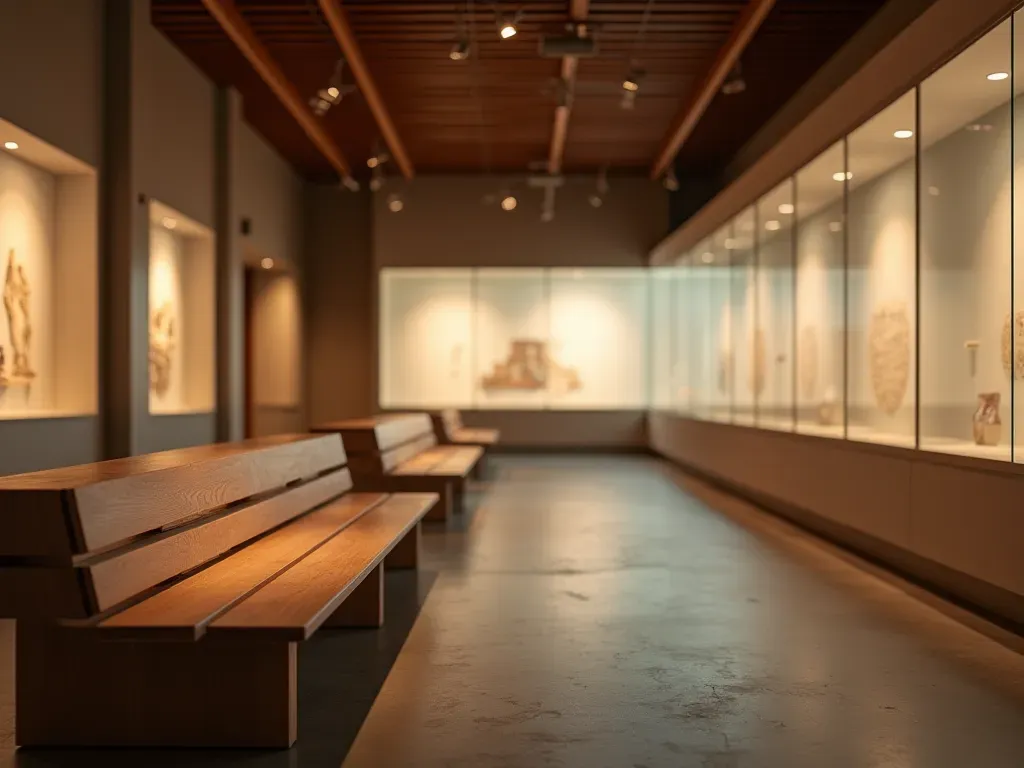
The lighting in the gallery was dim but focused. It forced me to study the texture of the stone.
I noticed tiny scratches invisible under bright fluorescent lights. Those marks told a story of patience.
That kind of detail is what separates a museum visit from just looking at things in a box.
If you're interested in how we view these ancient objects today, check out this deep dive into the hidden influence of Neolithic innovations. It makes a similar point about context.
The sphere sits in the middle of this larger conversation. It's a single point that proves an entire culture was sophisticated.
The modern bias that keeps us from seeing these cultures clearly
I believe our biggest blind spot is the word primitive. We use it to mean simple and less developed.
But that's a value judgment. It assumes our modern way of life is the only valid measure of success.
The people who made these spheres lived in a world just as complex and demanding as ours.
They had to manage food sources. They had to build shelter that could withstand the weather.
And they still found time for art. That isn't simple; that's a high level of cognitive function.
The Taş Tepeler project pushes back against this bias by showing the variety of objects. It's not just tools.
There are beads and small figurines that suggest a rich inner life. They were thinking about the future.
What this means for how we teach and learn about ancient times
We need to stop teaching this period as a footnote before the great civilizations began.
It's its own story. It has its own heroes and its own kind of genius.
The toys and games created by the project are a smart way to bring this to younger minds.
A child holding a replica sphere feels the weight of it. They feel the history in their hands.
That's much more powerful than reading a dry paragraph about the Neolithic era.
It makes the past feel real and present. It bridges the gap between then and now.
If you're looking for ways to connect with this period, check out how the Neolithic era is coming back to life. It offers a similar perspective on modern relevance.
The specific details that prove the Taş Tepeler project is different
I was impressed by the level of detail in their catalog. They don't just list objects.
They explain the context of how each item was used. That's rare in smaller museum displays.
For example, they show the wear marks on a grinding stone and link it to specific grain types.
This connects the object directly to daily life. It shows what they ate and how they cooked it.
This is the kind of detail that changes your mind. It turns a rock into a meal.
The project also offers novels and stories based on these findings. It's a creative approach.
Reading about the people who made these objects helps you see them as humans first.

Frequently Asked Questions about the Taş Tepeler culture project
Why is a simple stone sphere such an important archaeological find?
A polished stone sphere is significant because it shows advanced craftsmanship and social status. It required hours of skilled work to create such a perfect shape from raw material.
How does the Taş Tepeler project help people understand Neolithic life?
The project uses interactive tools and educational resources to make ancient history accessible. It connects old artifacts with modern concepts of art and society.
Can you buy replicas or gifts based on these ancient artifacts?
Yes, the project offers various items including educational toys and books inspired by Neolithic themes. These products help bring history into a modern home setting.
What is the most surprising thing about Neolithic culture?
The level of artistic and social complexity is often underestimated. These early societies had sophisticated systems for trade and status that rival modern ones.