A woman buried with a man's tools just broke our idea of Neolithic gender roles
The Grave That Broke The Binary Rule
Textbooks gave us a neat, tidy story for decades. Men hunted, built things, did the heavy work. Women gathered, cooked, stayed close to home. Clean. Simple. Easy to drop into a lesson plan and move on.
Then a team from the French National Centre for Scientific Research went digging through 125 skeletons in Hungary. They turned up something that refuses to fit that neat little box.
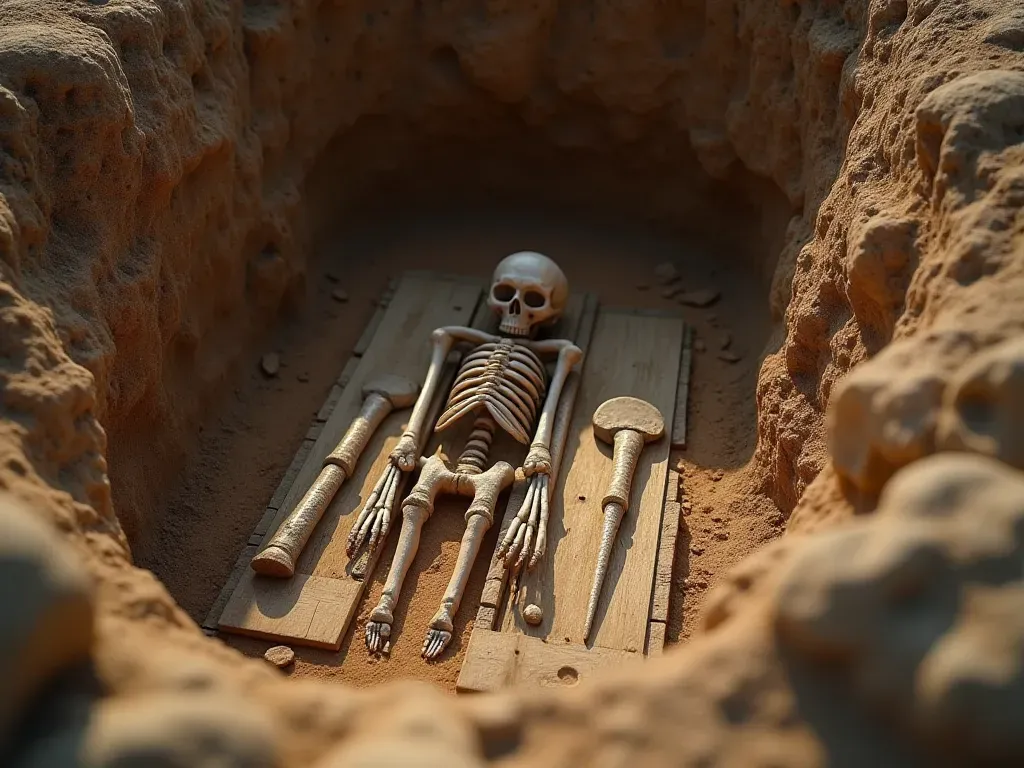
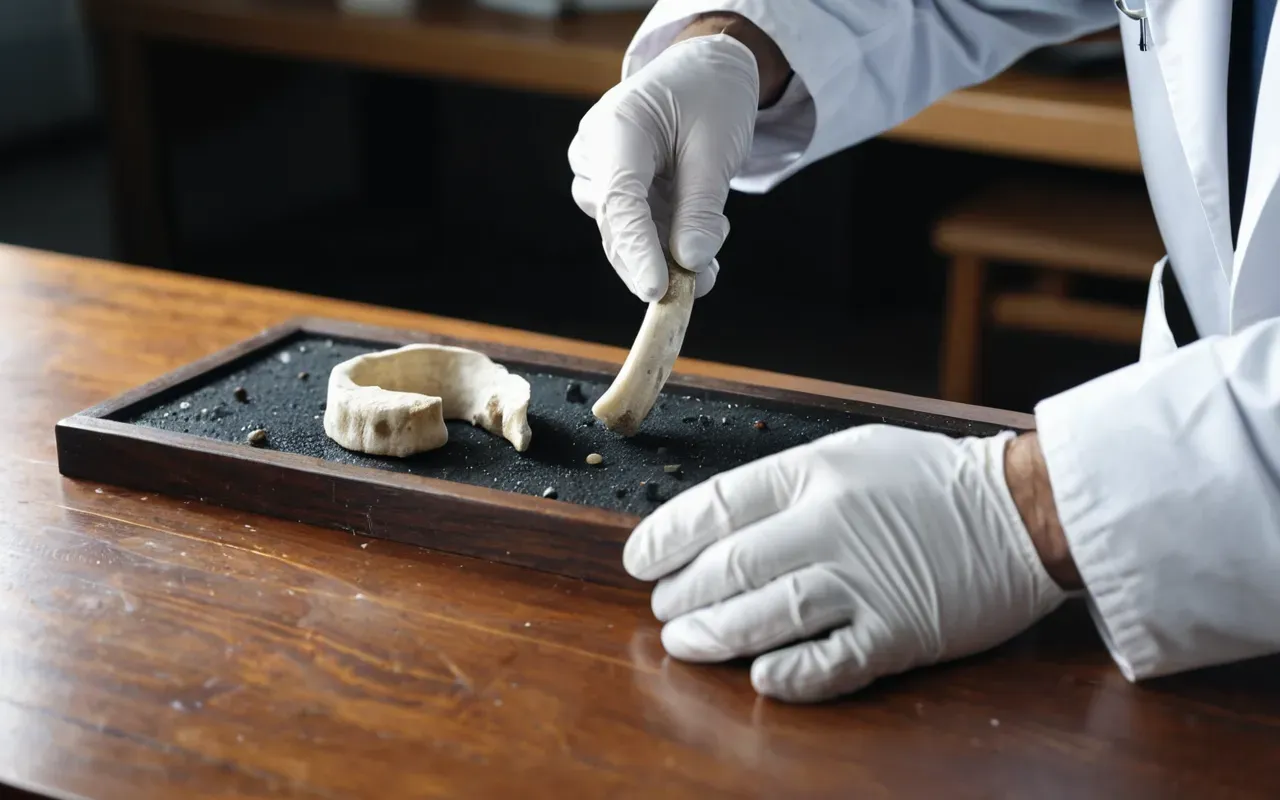
One woman was buried on her right side. At Csőszhalom, that's the male position. And right by her shoulder? A polished stone tool.
This isn't some minor footnote. It breaks the pattern for every other female skeleton in that entire cemetery.
Why This Single Skeleton Changes Everything
The site dates back to roughly 4800 BCE. And at Csőszhalom, the burial rules were strict for everyone else.
Women lay on their left side. Men lay on their right. The distinction held, clear and consistent, across the whole burial field.
But this one woman? She defied both. Her posture matched the male standard. Her grave goods did, too.
Bones Do Not Lie But They Do Tell Complex Stories
The CNRS team didn't stop at how people were buried, though. They dug deeper, into the wear and tear etched into the bones themselves.
They examined muscle attachment sites for microtraumas. They checked vertebral lesions linked to heavy physical strain.
At Ferenci-hát and Csőszhalom, male skeletons showed clear signs of repetitive arm movements. Throwing. Chopping. Heavy lifting, over and over.
Female skeletons didn't show the same pattern in their dominant arms. The physical labor gap was real, measurable, undeniable.
The Exception That Proves the Flexibility
Here's where it gets interesting. The bones point to a clear division of labor for the group as a whole.
But the burial practices tell a different story at the individual level. This woman wasn't an outsider. She was woven into the community.
She held a status that let her cross that line. Or maybe she just did what needed doing, and they honored her for it.
This cuts against the idea that prehistoric gender roles were rigid cages. They were norms, not laws. There's a difference.
Why Modern Assumptions Keep Getting In The Way
We have a bad habit of projecting our own rigid categories onto the past. See a tool in a grave, and we assume it's proof of identity.
But this study suggests Neolithic people understood complexity. They knew roles could shift based on circumstance.
I've read a lot of popular history that paints these societies as painfully simple. The data here says otherwise.
The Neolithic wasn't a monolith. It was a living system — rules and exceptions, working together.
What This Means For How We Teach History
If we teach that prehistoric men were always the builders and women always the gatherers, we're just wrong.
We need to present the data honestly. The bones show a pattern. The grave shows an exception.
That nuance matters. It tells us human societies have always been more adaptable than we give them credit for.
The Bigger Picture Of Neolithic Innovation
This finding slots into a larger trend, too. We keep discovering the Neolithic was far more than just farming.
Think of the Neolithic as a tech boom rather than merely an agricultural shift.
People were experimenting — with tools, with social structures, with identities. This grave is hard evidence of that experimentation.
The same period gave us polished stone spheres and complex settlements. Gender flexibility is part of that broader creativity.
Who Wins In This New Understanding
The winners here are the people who want accuracy. The losers? Those still selling a simple binary story.
For students and scholars, this is genuinely good news. It means the data supports a richer, more human picture of the past.
It also connects to bigger questions about how we view ancient communities. See how an ancient feast changed our view of early society.
The Risk Of Overlooking Nuance In The Past
If we miss this flexibility now, we'll misinterpret other sites. We might assume rigidity where there was none.
This single woman's grave is a warning. Look closer at the exceptions before you write the rule.
Final Thoughts On A Flexible Past
The Neolithic wasn't a static museum piece. It was a living world, full of choices and compromises.
This study reminds us that even in the deep past, human beings weren't just following scripts.
They made their own rules. And sometimes, they broke them.