Did a wildfire actually teach our ancestors how to bake clay
The accidental kitchen that changed everything
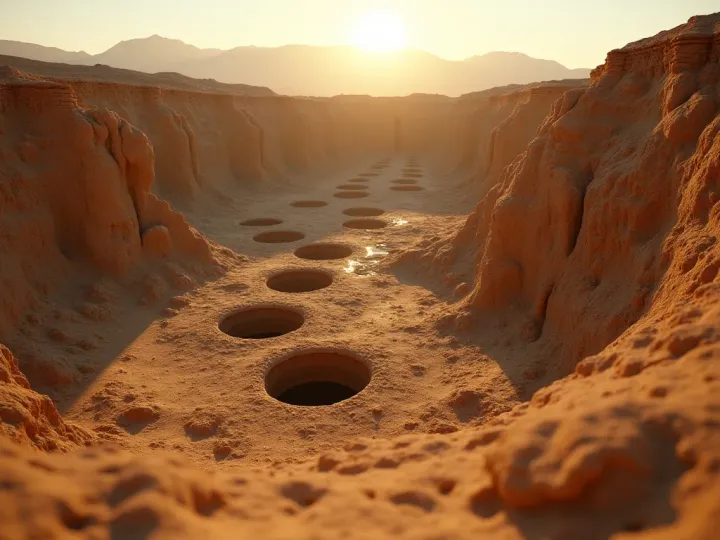
Picture a hillside engulfed in flames. The heat is intense. It doesn't just burn wood and grass. It reaches the ground itself. The clay underneath softens, then hardens permanently.
This isn't a controlled experiment in a modern lab. It happened over nine thousand years ago in the southern Levant. And a new study suggests these massive wildfires created natural kilns.
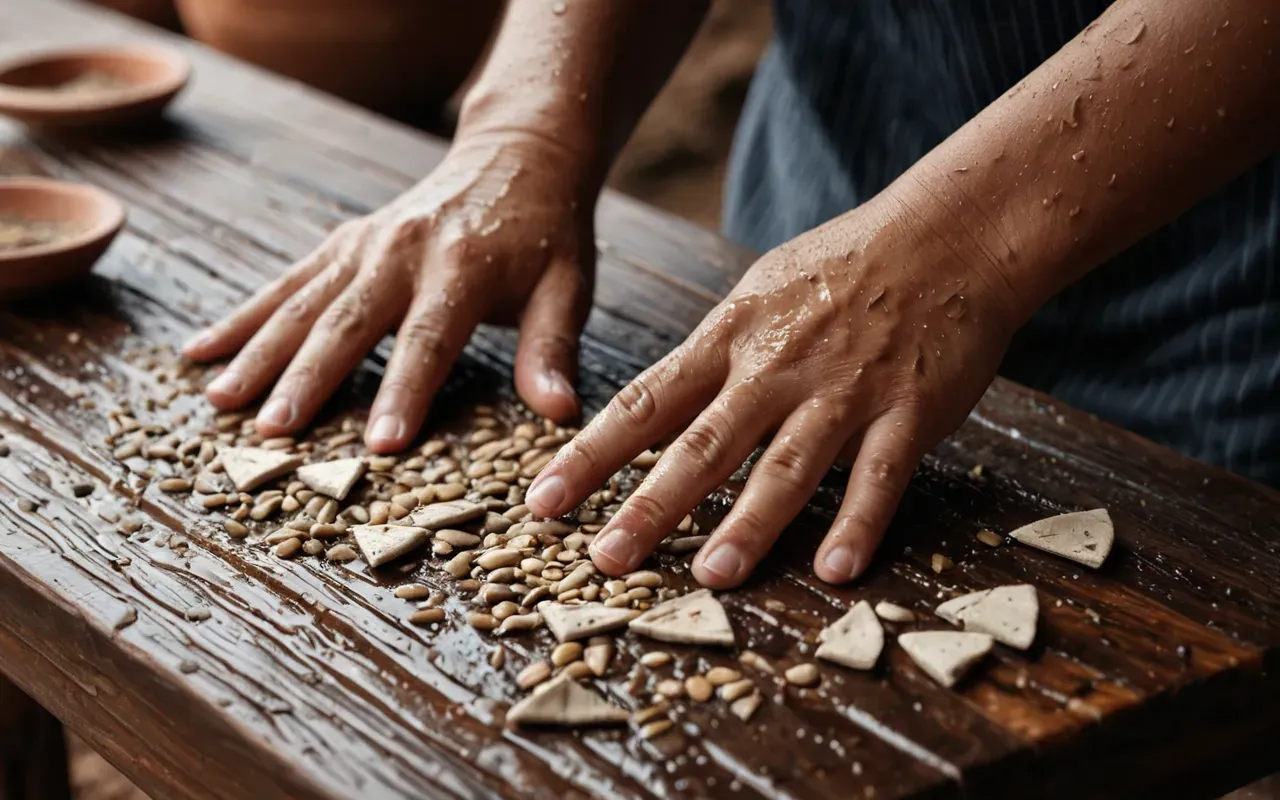
Neolithic communities nearby would have walked through the aftermath. They saw hardened clay scattered across the landscape. Tough. Durable. And it looked exactly like pottery.
I find this idea fascinating because it flips the script on human ingenuity. We usually assume people invented technology first, then applied it to nature. Here, nature did the work for them.
The researcher behind this theory is Amos Frumkin from the Hebrew University of Jerusalem. He calls it the natural kiln hypothesis. It suggests disaster provided the blueprint for innovation.
Two fires a hundred thousand years apart
Frumkin compares two distinct time periods. The first was roughly 129,000 to 116,000 years ago. Geologists know it as MIS 5e. That period saw extreme environmental upheaval.
The second episode happened between 11,000 and 7,000 years ago. This is the early Holocene era. It coincides perfectly with when farming communities were settling down.
In both windows, the geological record shows a clear pattern. Spikes of fire activity were followed immediately by heavy erosion. The evidence shows up in lake sediments and cave formations.
Microscopic charcoal fragments tell the story. Layers of these particles in cores from Lake Hula show massive jumps in burning activity. The data is precise and hard to argue with.
One spike occurred around 9,500 years ago. Another independent record from Syria shows similar timing at 9,600 years ago. That regional synchrony proves climate drove the fires.
When disaster made the valley fertile
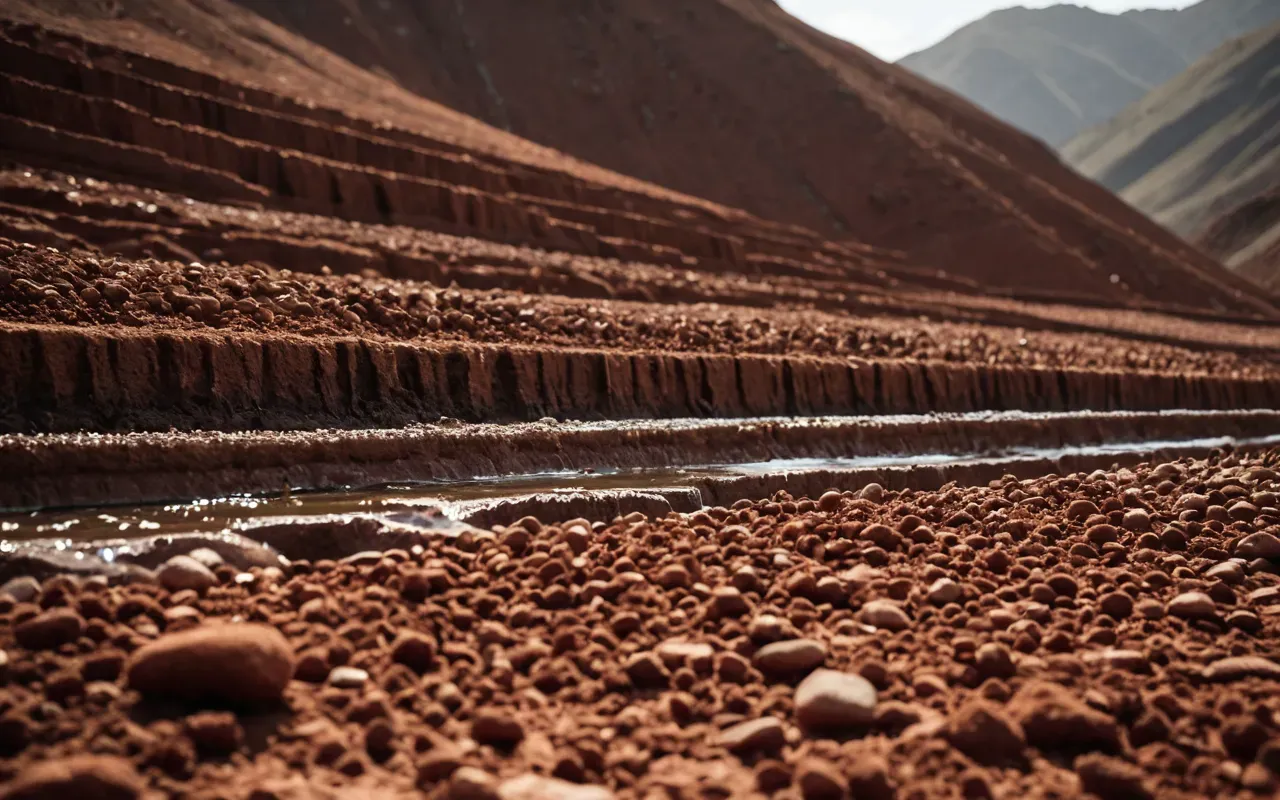
The fires stripped vegetation from hillsides. Rain then washed tons of reddish clay-rich soil downhill. This material is called terra rossa, and it piled up in the valleys.
Geologists call these deposits the Fazael and Ze’elim Formations. In some places, they're tens of meters deep. This was a massive geological event that reshaped the terrain.
Upslope communities suffered losses. A settlement at Motza appears to have been abandoned during this peak of fires. Their local soils were exhausted, so they had to move.
But downslope in the Jordan Valley, things got better. Freshly redeposited soil created rich farmland. Villages like Jericho and Netiv Hagdud sat right on top of this new resource.
A catastrophe on the hills became a gift to the valley. That contrast is central to understanding how early societies adapted to environmental pressure and found new opportunities.
From scorched earth to the first kilns
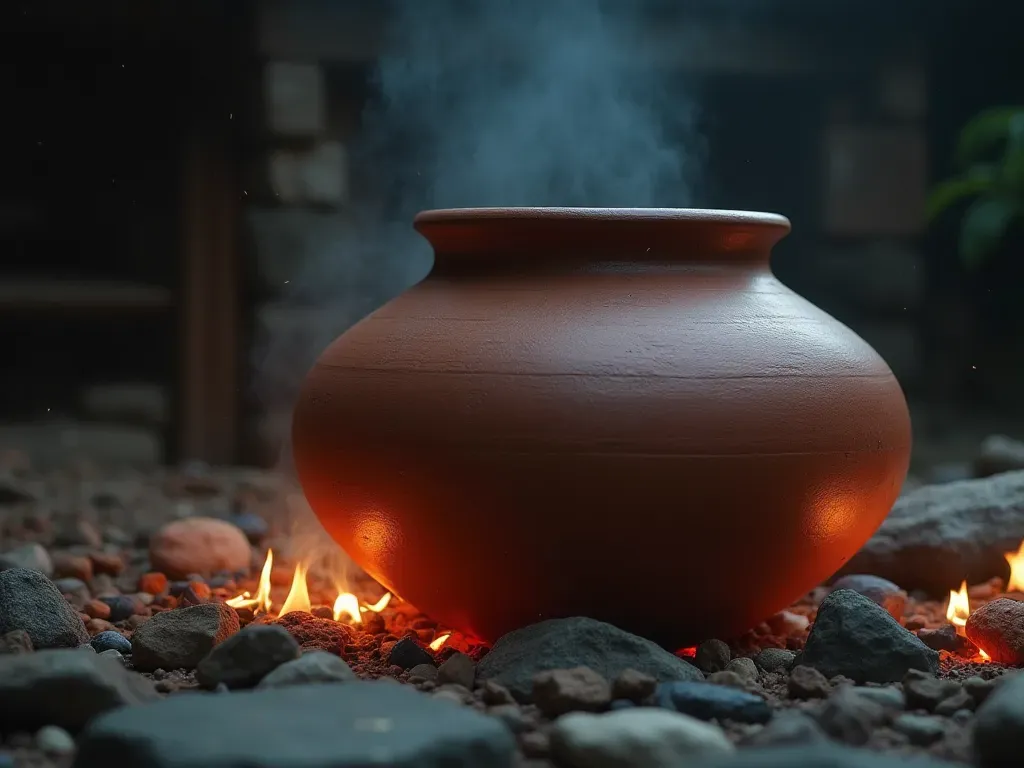
Here's where it gets interesting for anyone interested in Neolithic technological shifts. Wildfire heat can reach 500 to 700 degrees Celsius. That temperature permanently hardens clay.
If fires swept the hills often enough, people encountered baked clay regularly. It was lying around in their daily environment. They didn't need to invent firing — they just needed to recognize it.
The earliest local pottery supports this view. A study of ceramics from Munhata traced the raw material to redeposited terra rossa. The same soil that piled up after erosion events.
At Sha’ar Hagolan, we see some of the most accomplished pottery from that era. It features painted geometric bands and intricate incisions made from this specific fire-deposited clay.
Frumkin suggests that whoever built the first deliberate kiln wasn't inventing a principle. They were copying what they had seen in nature over and over again for generations.
A built-in control experiment
The strongest part of this argument is what didn't happen. During the earlier MIS 5e period, fires and erosion were even more extreme than in the Holocene era.
Yet no pottery appeared during that older timeframe. Why? Because the people living then lacked the settled agricultural lifestyle and technical know-how needed to exploit this resource.
This acts as a natural control experiment. Nature provided the ingredients both times, but only when society was ready did innovation emerge. It highlights the synergy between environment and culture.
Why this changes more than people think
Most origin stories for pottery focus on human intention. We like to believe we designed things with purpose and precision from the very start of our history.
But this theory suggests a different path. It was observational learning driven by environmental catastrophe. We didn't create the tech — we recognized it in our surroundings first.
This reframes how we view ancient agricultural shifts. Many innovations may have been accidental discoveries rather than planned inventions.
It also challenges the idea that primitive societies were isolated from natural processes. They were deeply embedded in their environment and responsive to its changes.
Still just a hypothesis worth testing
Frumkin is careful to note this remains speculative. The current evidence shows timing overlaps but doesn't prove direct causation between wildfires and pottery invention.
Future excavations could look for layers of naturally baked clay beneath the earliest deliberate pots. Experimental archaeology can test whether wildfires reach those critical temperatures.
If we find pottery that clearly predates the great fire episode, it would challenge this theory directly. Science requires falsifiability, and Frumkin embraces that standard.
This doesn't replace other explanations like the need for food storage or cooking efficiency. It offers a narrower but powerful reminder that nature can hand us ideas.
Whether this is what actually happened in the Jordan Valley remains an open question. But it's a compelling story that connects geology, climate, and human culture in one narrative.