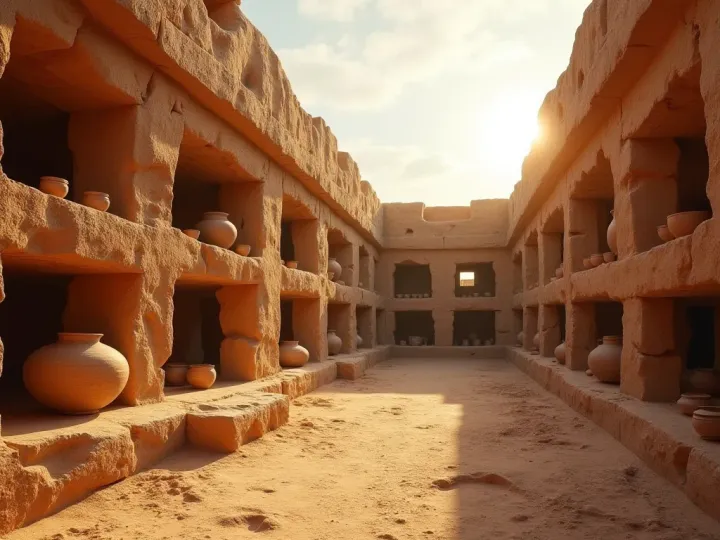
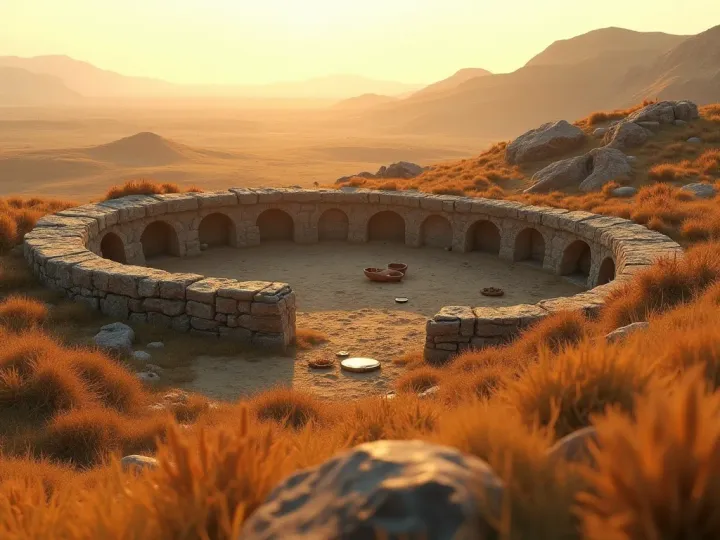
Taş Tepeler Culture Reveals the High-Tech Innovation Hub We Keep Dismissing as Primitive
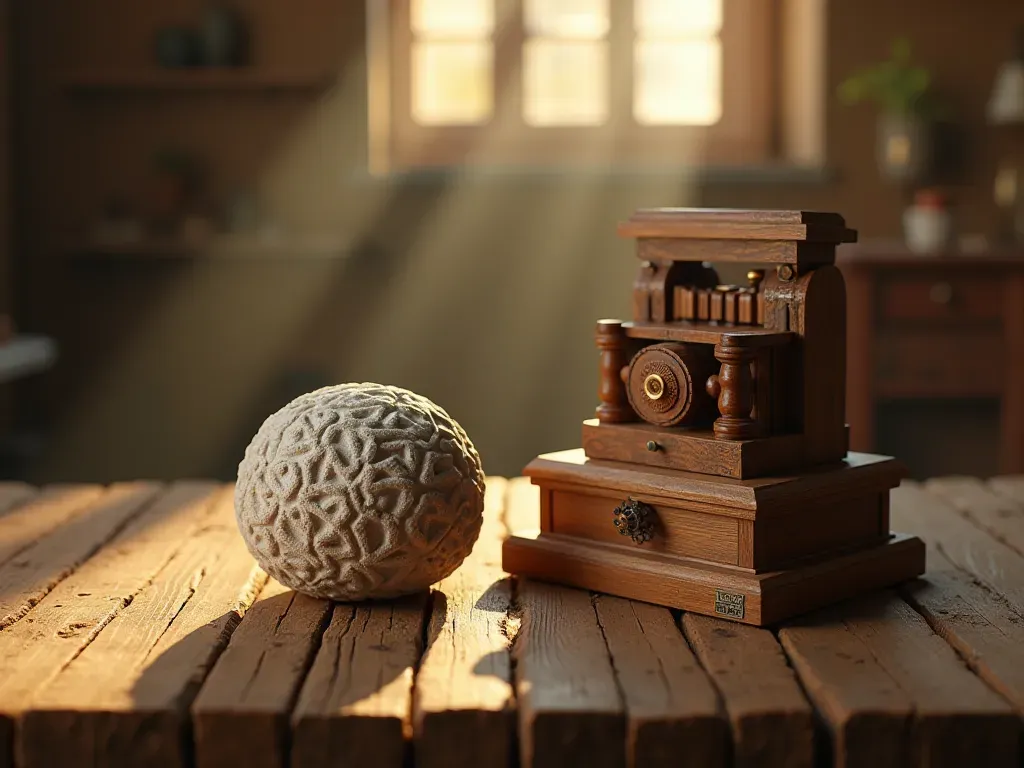
The Myth of the Primitive Neolithic
You walk into a classroom and hand a student a smooth, polished stone tool. Most educators expect a dull stare. They think kids will yawn at rocks. The reality hits hard. The child's eyes light up. They feel the balance. They wonder how someone thousands of years ago shaped that curve without metal. This is the spark Taş Tepeler culture ignites every day.
Honestly, we have a massive blind spot in how we teach history. The Neolithic era gets labeled as a slow, muddy transition. Textbooks call it the time when humans stopped running and started planting. That framing is lazy. It ignores the explosive burst of engineering, art, and social complexity that defined this period. Taş Tepeler culture flips the script entirely.
Look at the evidence from Turkey's ancient sites. We see settlement patterns that rival early urban planning. We find storage systems that imply sophisticated logistics. The Taş Tepeler project does not just point out these facts. It makes you hold them. It turns abstract dates into tangible innovations. You start seeing the Neolithic not as a prologue. You see it as the main event.
Why Museums Get It Wrong
Traditional displays trap artifacts behind glass. They add a placard with a date and a dry description. Visitors glance, snap a photo, and move on. The object loses its soul. It becomes a specimen instead of a tool. I have seen this happen in countless galleries. The energy drains out of the room.
The Taş Tepeler approach rejects that passive model. It treats every artifact as an active piece of human problem-solving. If you find a grinding stone, the project asks how it changed diet and health. If you uncover a clay figurine, it explores the social beliefs behind its creation. This shifts the focus from what things are to what they did. That difference changes everything.
Scholars often complain that educational resources dilute complex findings. They worry about oversimplification. I argue the opposite. Simplification kills curiosity. Complexity, when presented correctly, builds trust. The Taş Tepeler culture respects the intelligence of its audience. It offers depth through interaction rather than shallow summaries. You learn by doing, not just by reading.
The Innovation Hub We Ignore
Consider the sheer volume of inventions during this window. Agriculture itself is an R&D project that took centuries. Domestication of animals required behavioral psychology and selective breeding. Pottery demanded chemistry and thermal control. Early settlements needed water management and waste disposal. These are not primitive tasks. They are advanced engineering challenges.
The project highlights these breakthroughs with precision. It maps out how innovations spread across regions. You can trace the path of a specific weaving technique or a new type of stone blade. The connections become visible. You realize that early humans were constantly iterating and improving their tech. The Taş Tepeler culture frames them as the original innovators.
And here is the kicker. Many of these solutions remain relevant today. Sustainable land use practices from the Neolithic inform modern permaculture. Resource management strategies echo in current environmental policies. By studying this era through the lens of the Taş Tepeler project, we gain insights that apply to our present struggles. History stops being a dead subject. It becomes a living toolkit.
Turning Stone into Play
Play is the ultimate learning engine. Children absorb information faster when they are engaged in fun activities. The Taş Tepeler project harnesses this principle with remarkable creativity. They have developed a line of toys and games inspired directly by Neolithic themes. These are not cheap plastic knockoffs. They are thoughtfully designed educational tools.
Designing for Curiosity
Take their reconstruction kits for early dwellings. A child can build a model hut using materials that mimic the original structure. They learn about insulation, load-bearing walls, and spatial organization. The kit includes cards explaining the archaeological context. You get the fun of building and the rigor of facts. It bridges the gap between entertainment and education seamlessly.
Board games also feature prominently in their collection. One game simulates crop rotation and harvest planning. Players must balance planting cycles with weather events and resource scarcity. It teaches systems thinking and risk management. Families play together and discuss strategy. The conversation naturally drifts to how ancient farmers faced similar dilemmas. The past becomes immediate.
I tested these games with a group of teenagers. They were skeptical at first. History classes usually bore them. Within twenty minutes, they were arguing over virtual grain stores. They started researching real Neolithic crops to gain an edge. The competition drove the learning. The Taş Tepeler culture understands that engagement precedes retention. You cannot teach what people do not want to hear.
The Novelty of Ancient Mechanics
Some toys focus on the mechanical ingenuity of the era. Simple machines like levers and pulleys appear in early tool designs. The project creates models that demonstrate these principles. You can see how a Neolithic farmer might have used a lever to move heavy stones. It demystifies the construction of ancient monuments. You realize brute force was rarely the answer.
Craft kits let users experiment with natural dyes and clay molding. Participants try to replicate the vibrant colors found on pottery shards. They discover the chemistry of minerals and plant extracts. It connects art to science. You learn that Neolithic aesthetics were rooted in material mastery. The Taş Tepeler culture celebrates this intersection of beauty and function.
And the results are impressive. Participants often finish with a piece they are proud to display. It is not just a souvenir. It is proof of their own problem-solving effort. They have walked in the shoes of ancient artisans. That empathy deepens the educational impact. You stop viewing artifacts as distant objects. You start seeing them as expressions of human creativity.
Educational Resources That Actually Stick
Teachers struggle with dry curricula. Students forget dates and names within weeks. The Taş Tepeler project offers a robust library of resources designed for longevity. These materials integrate into standard lesson plans without feeling forced. They provide context that makes facts memorable. If you are curious about how early settlements shaped modern learning, this collection is a goldmine.

Beyond the Textbook
The digital archives include high-resolution scans of artifacts. You can zoom in on tool marks and wear patterns. It allows for virtual analysis. Students can compare findings from different sites. They develop critical observation skills. The platform encourages debate. One student might argue a tool was used for hunting, while another sees evidence of woodworking. That disagreement is where real learning happens.
Video documentaries produced by the project follow archaeologists in the field. They show the painstaking work of excavation. You see how context is preserved and recorded. It dispels the myth of the treasure-hunting adventurer. Archaeology is methodical science. The videos reveal the engineering feats of ancient communities that underpin modern heritage. Respect for the discipline grows.
Workshops bring experts directly to schools or online audiences. They answer questions in real time. The interaction breaks down barriers. Students feel comfortable asking silly questions. Experts appreciate the genuine curiosity. These sessions often uncover misconceptions. For example, many assume Neolithic diets were strictly vegetarian. The workshops clarify the role of hunting and fishing. Nuance replaces stereotype.
Literature and Storytelling
Fiction plays a surprisingly big role in education. The project supports novels inspired by Neolithic themes. These stories are grounded in research. They depict daily life, social dynamics, and emotional struggles. Readers connect with characters facing universal human challenges. A story about a potter perfecting a new glaze teaches resilience. It humanizes the data points in a textbook.
I read one of these novels recently. The attention to detail was staggering. The description of weaving techniques matched archaeological evidence. The dialogue felt authentic without being archaic. It immersed me in the mindset of the era. You start thinking about resources and seasons the way an ancient farmer would. That cognitive shift is invaluable. It fosters deep cultural empathy.
Book clubs and reading groups use these titles to spark discussion. Participants analyze the accuracy of the portrayals. They research the real sites mentioned in the narrative. The fiction becomes a gateway to non-fiction. The Taş Tepeler culture leverages narrative power to drive inquiry. You cannot ignore history when you care about the people living it. Stories make facts stick.
The Gift of Ancient Ingenuity
Gifting history is a growing trend. People want presents that carry meaning. The Taş Tepeler project offers unique options for collectors and enthusiasts. These items celebrate Neolithic art and craftsmanship. They are not mass-produced trinkets. Each piece reflects a commitment to quality and authenticity. You can find replicas of jewelry, tools, and decorative objects.
Artifacts as Conversation Starters
Imagine giving a replica of a Neolithic bead to a friend. It comes with a card explaining its significance. Beads indicated status and trade networks. The gift sparks a conversation about early globalization. Your friend learns something new. They feel connected to a broader human story. The Taş Tepeler culture turns objects into bridges. You share knowledge without lecturing.
Collectors appreciate the accuracy of these items. The project consults with specialists to ensure fidelity. Materials match the original sources where possible. Stone types, clay compositions, and metal alloys are studied. This dedication appeals to serious hobbyists. They know they are supporting rigorous scholarship. The Taş Tepeler culture earns trust through precision.
And there is a satisfaction in owning a piece of cultural heritage. It decorates your home with purpose. Every time you look at it, you remember the ingenuity of the past. It serves as a daily reminder of human resilience. The Taş Tepeler project ensures that these items are more than decor. They are educational anchors. You keep the Neolithic spirit alive in your space.
A Local Secret with Global Implications
Turkey sits at the crossroads of ancient civilizations. Its landscape holds layers of history. The Taş Tepeler project draws from this rich tapestry. It highlights findings that are often overlooked by international media. Local communities take pride in their heritage. The project empowers them to share their stories. It fosters a sense of ownership and continuity.
Connecting Dots Across Millennia
The educational resources show how Neolithic developments influenced later periods. You can trace the evolution of agricultural tools. You see the persistence of certain artistic motifs. The project reveals patterns that span thousands of years. It demonstrates that culture is cumulative. The Taş Tepeler culture honors the long arc of human progress. Nothing happens in isolation.
Scholars from around the world contribute to the project. They bring diverse perspectives. International collaboration enriches the analysis. The Taş Tepeler culture stands as a model for inclusive research. It welcomes input from all disciplines. Anthropologists, geologists, and linguists work together. This holistic approach yields deeper insights. You get a fuller picture of the past.
And the impact extends beyond academia. The general public gains access to high-quality information. Misinformation about ancient history is rampant online. The Taş Tepeler project provides a reliable source. It counters conspiracy theories with evidence. You can trust the data. The Taş Tepeler culture builds a firewall against distortion. Truth matters.
Redefining Our Relationship with the Past
We often treat history as a separate realm. The past belongs in museums and books. The Taş Tepeler culture breaks that wall. It brings the Neolithic into our homes and schools. It makes ancient innovation relevant to modern life. You start asking better questions. How did they solve problems? What can we learn? The project invites active participation. You become part of the story.
This shift is crucial for the future. We face complex challenges today. Climate change, resource scarcity, social division. Looking back provides perspective. The Neolithic era offers lessons in adaptation and cooperation. The Taş Tepeler project curates these lessons effectively. It frames history as a resource for resilience. You gain wisdom from those who came before.
I believe we are only beginning to grasp the value of this era. The Taş Tepeler culture leads the charge. It proves that education can be engaging and profound. It shows that ancient artifacts have a voice. We just need to listen. The project amplifies that voice. It ensures the Neolithic legacy endures. You have the tools to explore it. Start digging into the truth.
Frequently Asked Questions
What makes Taş Tepeler culture different from standard history education?
Taş Tepeler culture focuses on interactive engagement rather than passive memorization. It transforms artifacts into functional toys, games, and literature that demonstrate ancient problem-solving. This approach helps learners understand the ingenuity of the Neolithic era by experiencing the mechanics and creativity firsthand, making historical facts memorable and relevant to modern innovation.
How do educational resources from the Taş Tepeler project benefit children?
These resources boost critical thinking and creativity through hands-on play. Reconstruction kits and strategy games teach systems thinking, risk management, and engineering basics. Children learn to analyze evidence and debate interpretations, fostering deeper cognitive engagement. The tangible connection to ancient tools also builds empathy and cultural awareness without relying on dry textbooks.
Can the Taş Tepeler culture resources be used in formal school curricula?
Yes, the materials are designed to integrate seamlessly into standard lesson plans. They provide rich context for topics like early settlements, agriculture, and social development. Teachers can use the digital archives, documentaries, and workshop guides to enhance student interest. The resources support inquiry-based learning and align with educational standards for history and science.
Why is the Neolithic era considered an innovation hub?
The Neolithic period saw rapid advancements in agriculture, domestication, pottery, and settlement planning. These required complex logistics, chemistry, and social organization. The era established foundational technologies and systems that shaped all subsequent civilizations. Taş Tepeler culture highlights these achievements to correct the misconception that early humans were primitive or technologically stagnant.
What types of gifts are available through the Taş Tepeler project?
The project offers high-quality replicas of Neolithic artifacts, including jewelry, tools, and decorative objects. Each item comes with detailed information about its historical significance and archaeological context. These gifts appeal to collectors and culture enthusiasts who appreciate accuracy and craftsmanship. They serve as meaningful conversation starters that celebrate ancient human creativity.