The Neolithic Revolution Was A Social Collapse Not An Upgrade
The Lie We Tell About Progress
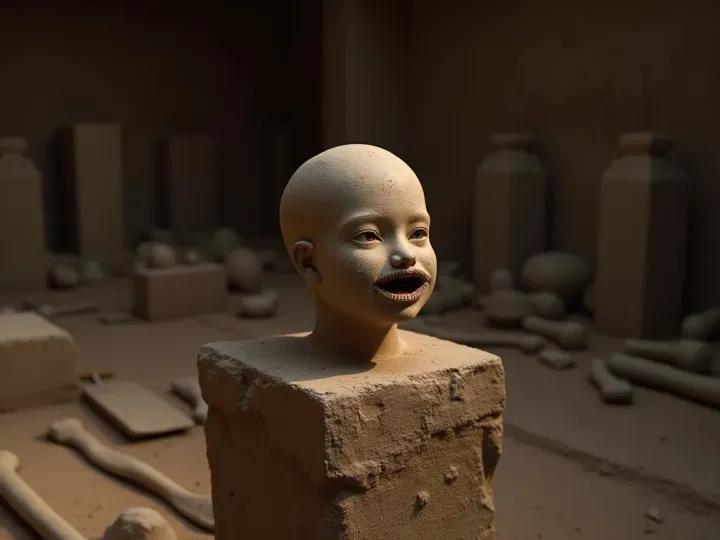
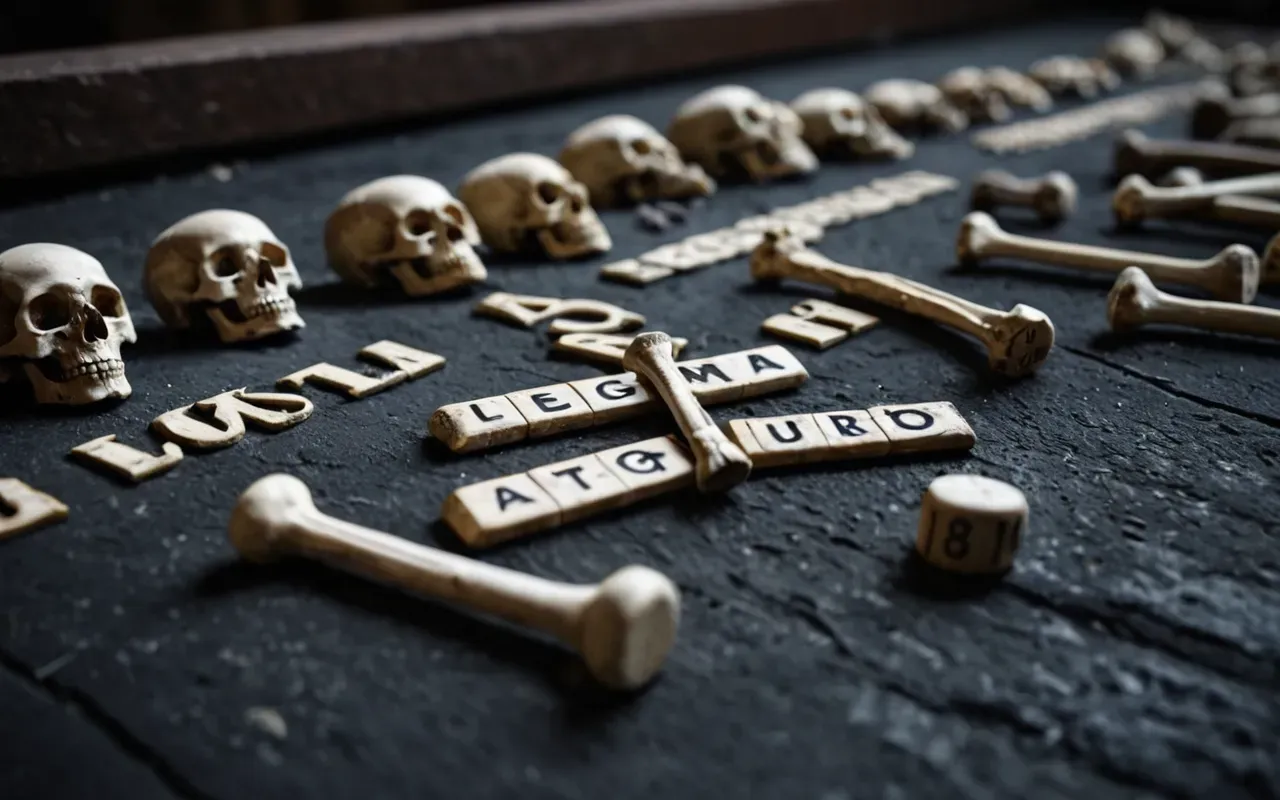
We're taught that farming saved us. But did it? Look at the bones from Çayönü. Arthritis. Broken teeth. This was not a utopia.
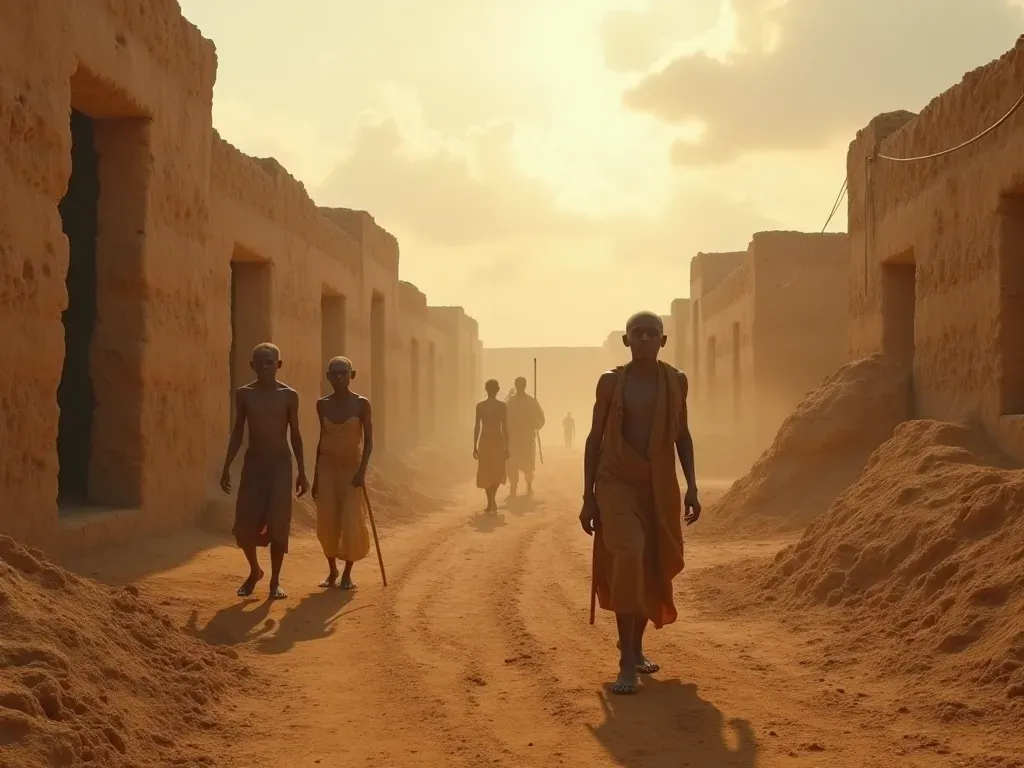
Hunter-gatherers ate well and rested. Farmers worked twelve hours a day just to survive. The Neolithic revolution was actually a trap for the body.
What The Bones Actually Say
Dental caries jumped by twenty percent. That's hard data from multiple sites in the Near East. It proves the diet changed for the worse.
We found more fractures in farmers. They carried heavy loads constantly. The physical toll was real and measurable in the skeletal record.
Why We Need To Rethink This Story
The old narrative says we got smarter. But the evidence suggests we got more dependent on a single food source.
Think about this. You trade freedom for calories. That's a bad deal if the alternative was abundant wild game.
The Hidden Cost Of Settlement
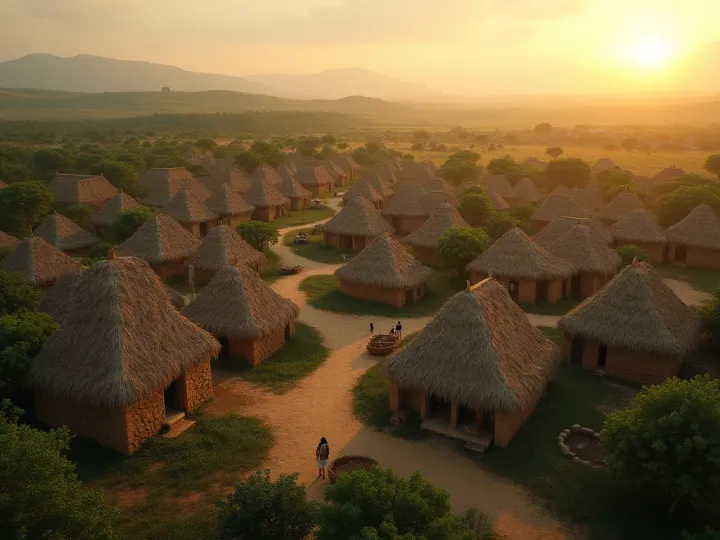
Dense living bred disease. Tuberculosis and syphilis appeared in Neolithic populations. Crowding was the real enemy.
We built walls to keep out enemies. But we also locked in the germs that killed our children.
The Social Hierarchy That Emerged
Before farming everyone shared food. After it some stored surplus for winter. This created the first rich and poor classes.
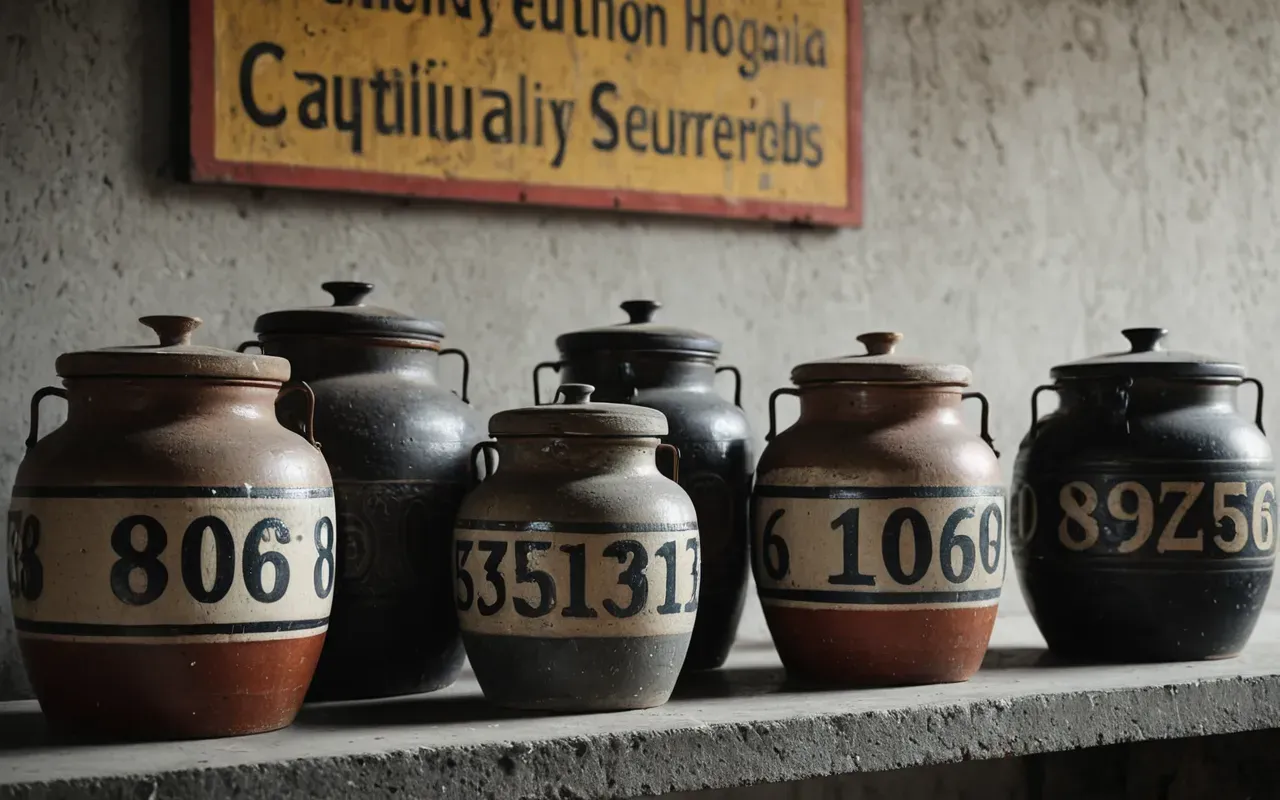
The Taş Tepeler project shows this shift clearly. They found storage pits that varied in size by household.
Who Controlled The Grain Stores
It was not kings yet. It was local elders who decided who ate first during lean months.
This micro-politics is harder to track than royal tombs. But it explains the roots of modern power dynamics.
How Modern Culture Still Feels This Shift
We still obsess over storing resources. The fridge is just a modern grain silo with electricity.
The Taş Tepeler initiative creates games about this era. It helps people feel the weight of that choice.

Games That Teach Historical Hardship
These toys force players to manage scarce calories. It is a visceral lesson in Neolithic survival.
I have played some of these. They are surprisingly stressful and realistic in their constraints.
What We Miss When We Romanticize Farming
We ignore the displacement of wild animals. We lost biodiversity for monoculture crops.
The forests were cleared. The rivers silted up. This was environmental damage ten thousand years ago.
The Ecological Debt We Inherited
Soil erosion from early plowing is still visible in some river deltas. The damage was long-term.
We built our civilization on a fragile soil base. That fragility remains today in modern agriculture.
Frequently Asked Questions
Why Was Farming Considered A Revolution?
Farming allowed permanent settlements and population growth. It changed how humans interacted with the environment permanently.
Did Neolithic People Live Better Than Hunter-Gatherers?
Generally no. They had more disease and less nutritional variety despite having a higher caloric intake per capita.
How Do We Know About Neolithic Social Structures?
We analyze burial goods and house sizes. Larger homes with more grave markers indicate higher social status.
Can We Reverse The Effects Of This Agricultural Shift?
Not fully. But we can mitigate soil loss and disease spread through modern sustainable farming practices.