The 10,000-Year-Old Toy That Broke My Bias Against Primitive Society
The Toy That Shouldnt Exist Yet
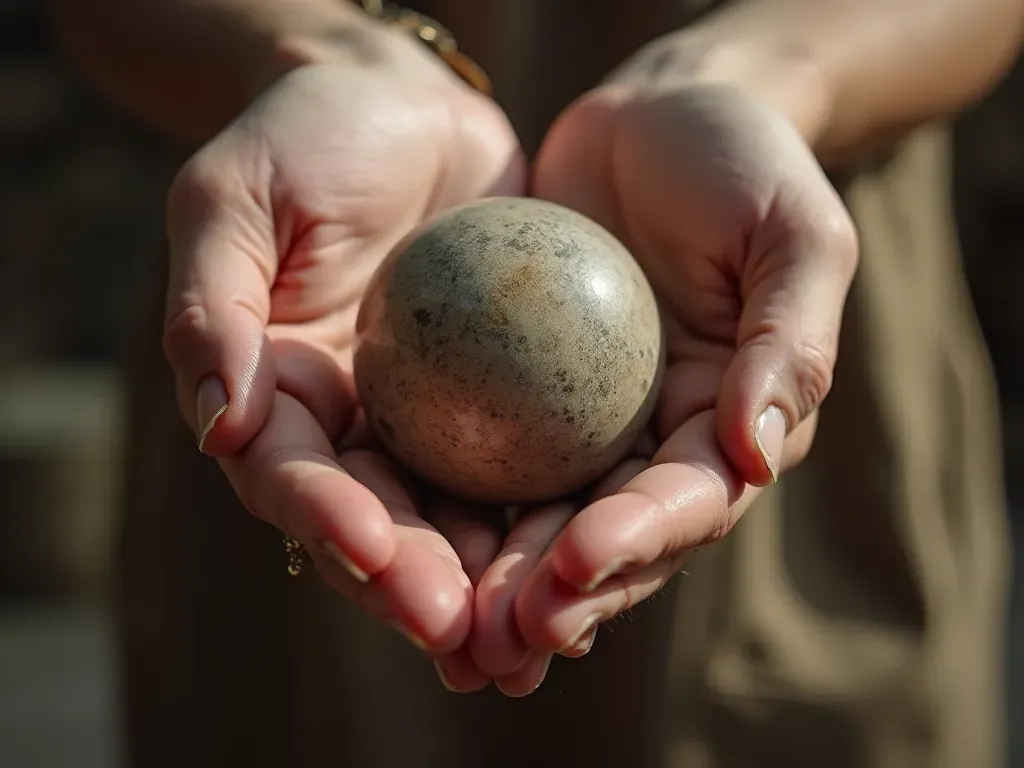
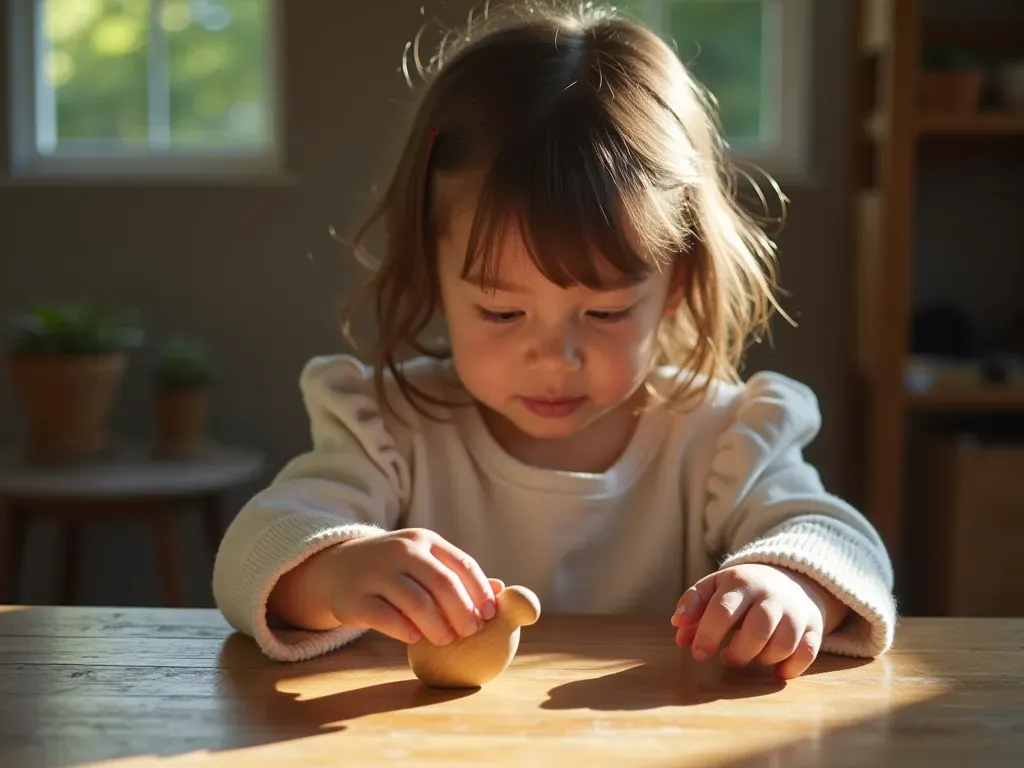
I held it in my hands and felt the smoothness of the stone. It was small, barely larger than a marble, yet heavy with meaning. The surface was polished to a glass-like finish that seemed impossible for hand tools.
This object dates back ten thousand years. It is a toy from the Neolithic era. I expected it to be rough and utilitarian. Instead, it was refined and deliberate.
Most people assume prehistoric children played with sticks or mud. They had no structured games. But this sphere suggests a different reality entirely.
What We Missed About Play
Play is often dismissed as childish. Adults rarely study it seriously in historical contexts. Yet the Taş Tepeler project shows us something radical.
These early societies had complex social structures. They built settlements and invented agriculture. Their children learned through structured play.
The stone sphere was likely used in games involving rules. It taught coordination and strategy. This implies a cognitive leap we underestimated.
I was struck by the implication. If they could design such toys, their minds were just as active as ours.
The Hidden Curriculum of Prehistoric Life
We often imagine Neolithic life as a struggle for survival. But the artifacts tell another story. They show leisure and creativity.
Children were not just laborers. They were students in a society that valued play as a tool for learning.
This changes how we view their intelligence. It was not primitive. It was sophisticated in ways we are only beginning to understand.
Why This Matters to You Today
You might think this is just history. But it connects directly to how we raise children now.
Modern parents worry about screen time. They want tangible play experiences for their kids.
The Neolithic examples prove that structured play has deep roots. It is not a modern invention but an ancient tradition.
Understanding this helps us appreciate the continuity of human development. It bridges past and present in a meaningful way.
The Role of Education in Ancient Society
Education was not formalized as we know it. It happened through daily life and play.
Children learned by doing. They mimicked adult tasks through games and toys.
This organic approach to learning is something modern educators are rediscovering. It works because it respects natural curiosity.
Lessons from the Taş Tepeler Findings
The Taş Tepeler project highlights these educational aspects. It provides resources that make this period accessible.
You can explore these insights through their digital platforms. They offer a blend of history and interactive content.
If you are curious about how these educational resources connect past and present, this guide is a good start.
Challenging the Primitive Label
We often use the word primitive to describe these people. It is a misnomer.
They were innovators and thinkers. They created art and played complex games.
Their society was just as intricate as ours. We are the ones who have forgotten some things.
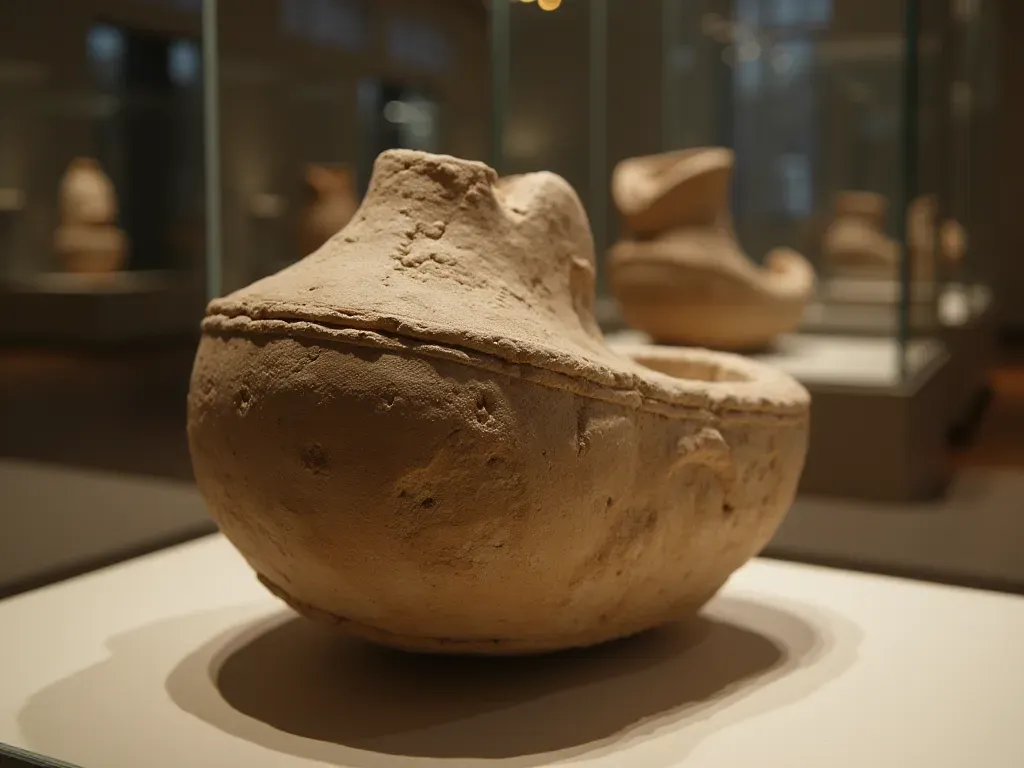
The stone sphere is a reminder of their ingenuity. It defies our assumptions about prehistoric life.
The Future of Neolithic Studies
Research continues to uncover new insights. Every find challenges our previous beliefs.
The Taş Tepeler project is at the forefront of this work. They are making history accessible to everyone.
For scholars and enthusiasts alike, this is a golden age. We are learning more than ever before.
If you want to know how museum projects are reshaping our understanding, this article provides a great overview.
What This Means for Modern Culture
Our culture is built on these foundations. We carry their legacy in our daily lives.
Understanding the Neolithic era helps us see ourselves more clearly. It connects us to our deepest roots.
It is a reminder that we are part of a long continuum. We are not separate from history.
The toy in my hand is more than an artifact. It is a bridge across ten thousand years.
Embracing the Past in Our Present
We can learn so much from these ancient peoples. They teach us about play and creativity.
Let us not dismiss their achievements. Let us study them with respect and curiosity.
The stone sphere remains a mystery. But its message is clear. We are all part of this story.
So the next time you play a game with your child, remember. You are continuing a tradition that is ten thousand years old.
It changes how you see the past. And it changes how you see yourself.