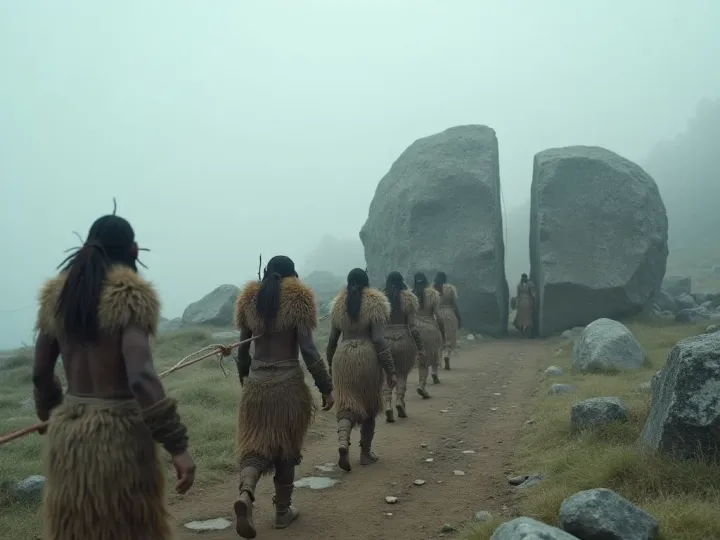
The 2,000-year-old potsherd that exposed a centuries old lie about African history
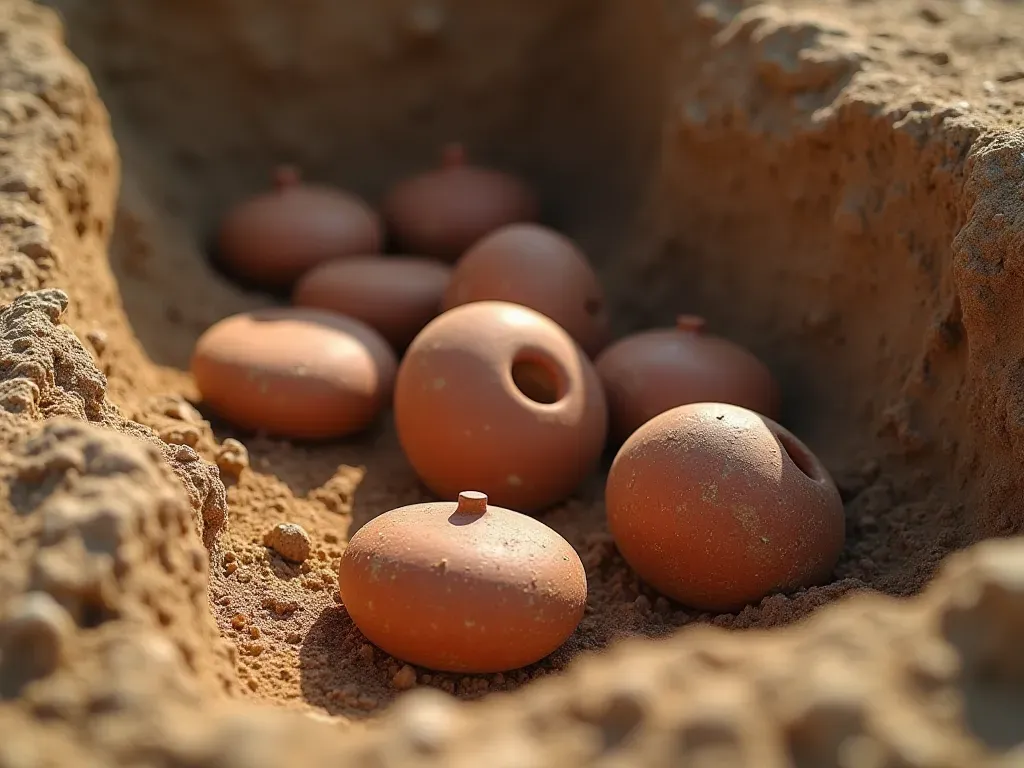
The Sherd That Broke the Myth
In the late 1940s, a colonial mining inspector in Nigeria spotted something odd. Not gold. Not tin. He noticed finely crafted terracotta heads just sitting there on a hillside, almost carelessly placed.
Bernard Fagg wasn't an archaeologist by trade. He worked in mines. But he had a sharp eye, and a stubborn streak of curiosity that ended up reshaping the entire field.
He gathered samples and sent them to a lab in London. The results blew everyone away. Those objects were more than two thousand years old.
That single discovery shattered the colonial narrative claiming complex African civilizations only appeared after Europeans arrived. It proved West Africa had deep, sophisticated roots all on its own.
Why the Timeline Matters More Than You Think
Back then, colonial historians liked to paint Africa as a blank slate. Advanced culture, they argued, had to come from somewhere else — imported from outside.
The Nok finds proved otherwise. Local communities had built intricate art and social systems independently, with no outside help.
This isn't just some dry academic squabble. It reshapes how we think about human creativity everywhere on the planet.
If you're curious how early societies innovated without external influence, check out how the Neolithic Age was actually a tech boom — it's about way more than just a shift in farming.
The Role of Science in Rewriting History
Radiocarbon dating changed the game. Finally, there was an objective clock for the past.
Before that, dating was mostly guesswork. Now we had hard numbers.
Fagg's work in Nigeria is a perfect example. He used science to challenge politics.
Today, the same methods keep uncovering lost trade routes and forgotten cities across the continent.
Who Wins When History Is Corrected?
The real winners are the communities whose heritage was once dismissed outright.
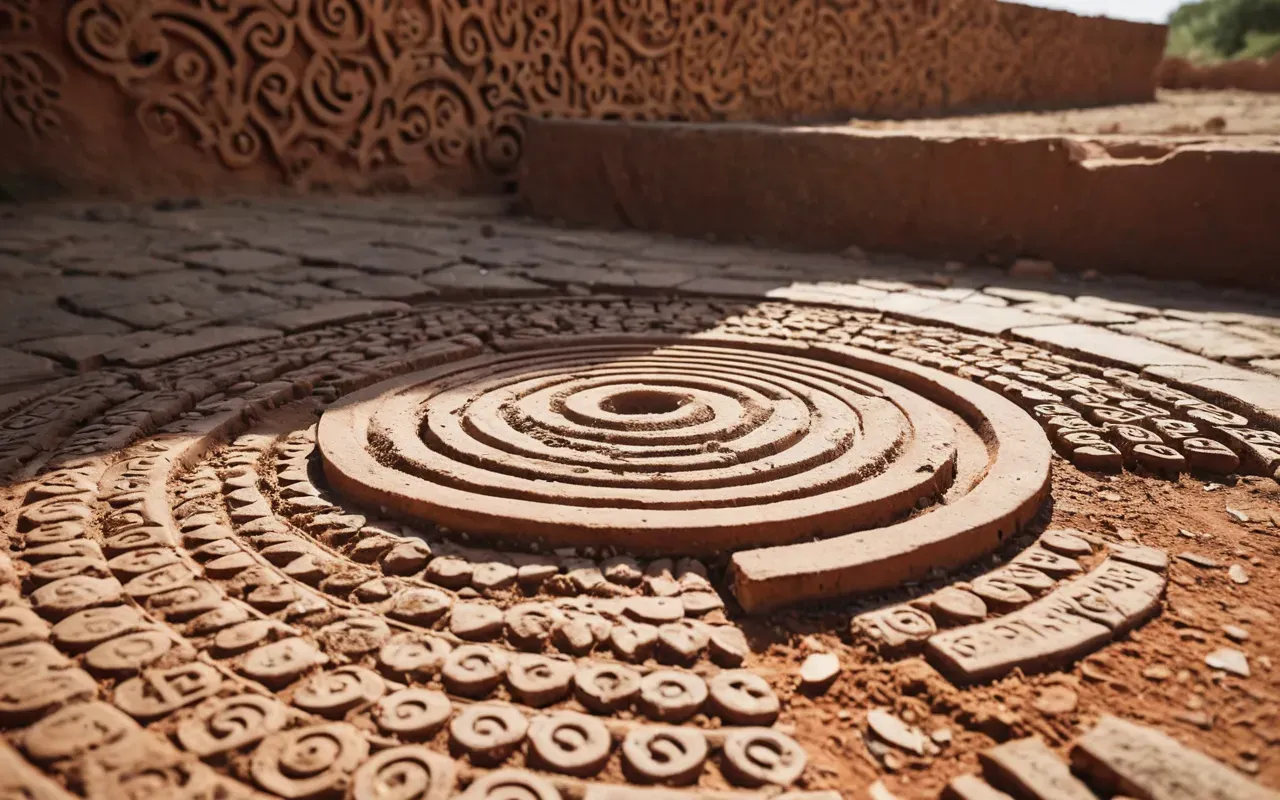
They gain pride. They gain identity. And they gain real leverage in modern political conversations.
The losers? The ones who profited from the myth of inferiority. That colonial mindset is crumbling.
And this shift isn't just about the past. It shapes how these nations see their own potential in a globalized world.
The Danger of Losing These Stories Now
Looting is a serious threat. Plenty of sites have already been stripped of their most valuable pieces.
Climate change adds another layer of trouble. Rising seas are threatening coastal heritage sites.
If we don't act soon, these corrected histories could vanish for good.
The cost of doing nothing is steep. We risk losing the very evidence that proves our shared humanity.
It's not just about museums. It's about the soul of a continent.
What Comes Next for African Archaeology
Local capacity matters. The continent needs more labs and training centers.
That creates jobs. It builds skills. And it keeps sensitive artifacts safe at home.
Community involvement is growing, too. Local knowledge is now central to how research gets done.
This shift keeps the past relevant in the present. And it's a powerful tool for social harmony.
The Bigger Picture of Human Connection
Archaeology isn't just dust and dirt. It's about understanding who we are.
The Nok discovery reminds us that innovation is universal. It doesn't belong to any single region.
By correcting the record, we honor the ingenuity of all our ancestors.
This is a story worth telling. And it's just one piece of a much bigger puzzle.
Why You Should Care About This Discovery
Because it changes how you see the world. It challenges your assumptions.
It shows that history isn't fixed. It's a living narrative, reshaped by new evidence.
And that's something we can all take away. The past always has a say in the present.
So next time you think about history, remember the sherd that broke the myth.
It's a reminder that truth has a way of surfacing. Even after two thousand years.