The Neolithic Revolution Was a Mistake
The Biological Cost of the First Harvest
For a century, textbooks sold us a comforting story — the Neolithic Revolution as humanity's great awakening, the moment we finally figured out how to farm. We left the chaos of wandering behind and, supposedly, built order out of mud and patience. It sounds like progress in its purest form, doesn't it? And for generations, we accepted it at face value.
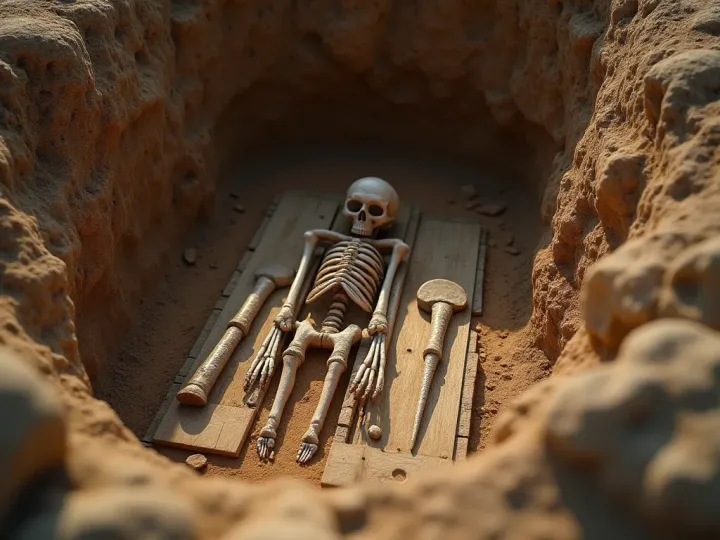
But look at the bones and you see a very different reality. Skeletal remains from this era show a massive spike in dental cavities and arthritis. People got shorter on average compared to their hunter-gatherer ancestors. And that's just the start of it—the wear patterns on their joints tell a story of relentless, repetitive labor that their ancestors never had to endure.
We traded a varied diet for a single calorie source. Sure, we gained security. But we lost something real — freedom. Honestly, the first farmers were often sicker and thinner than the nomads they replaced.
The Myth of the Agricultural Leap
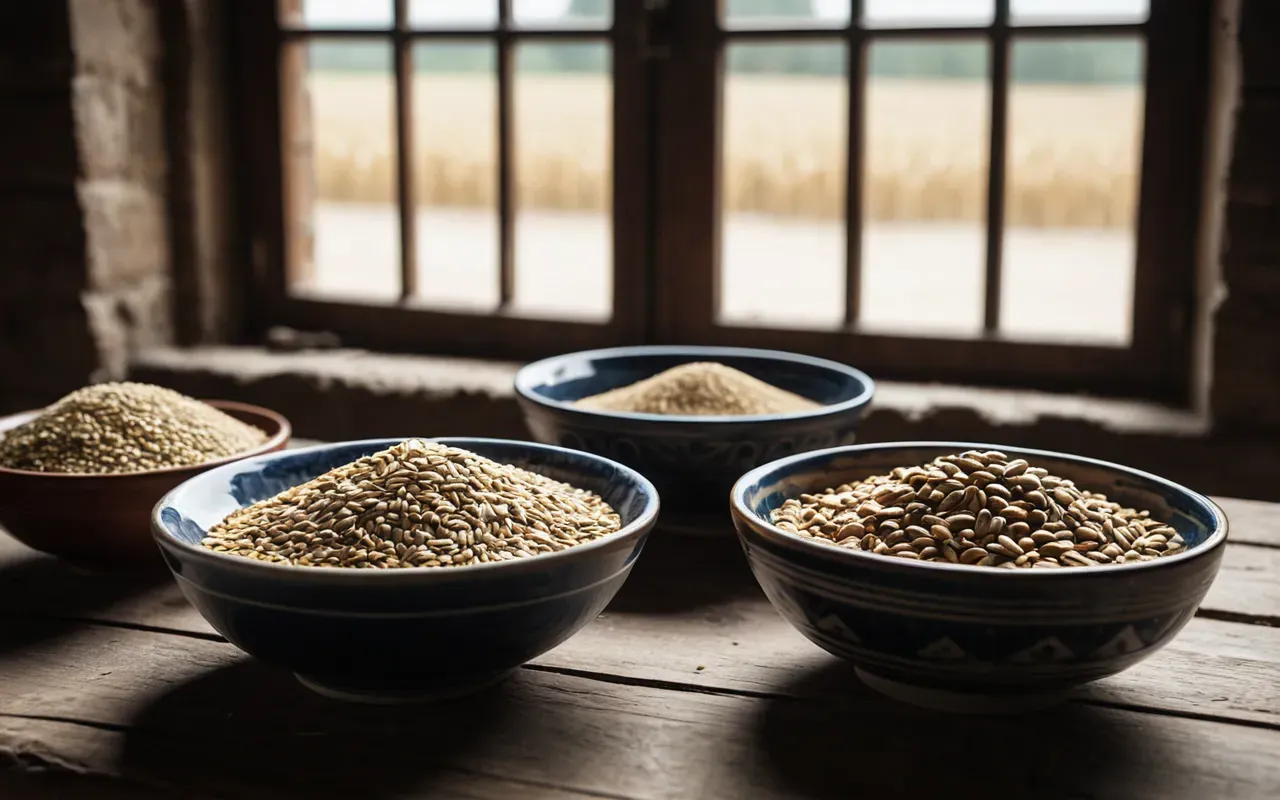
We've always told ourselves a tidy origin story about farming: people were hungry, plain and simple. Starvation backed them into a corner, and cultivation was the only door left open. But that's not really how it went, is it?
Here's the thing about the origins of farming — we've got it backwards. Recent climate data points to something far less desperate. A stretch of heavy rainfall blanketed the land in wild grasses, more than anyone could ever need. So people didn't start farming out of hunger. They farmed because there was plenty. Abundance, not scarcity, is what pushed us toward the plow.
This flips the whole story on its head. What looked like a last-ditch survival move was actually something far more deliberate — an experimental response to a landscape that was suddenly rich with opportunity.
Evidence from Recent Excavations
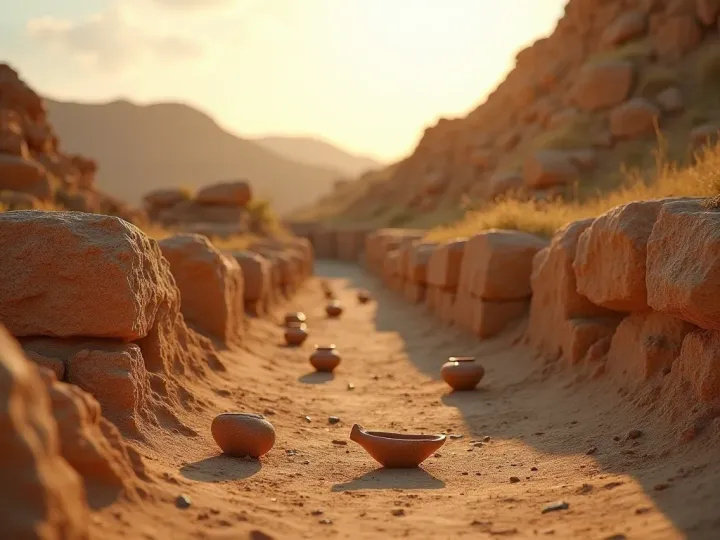
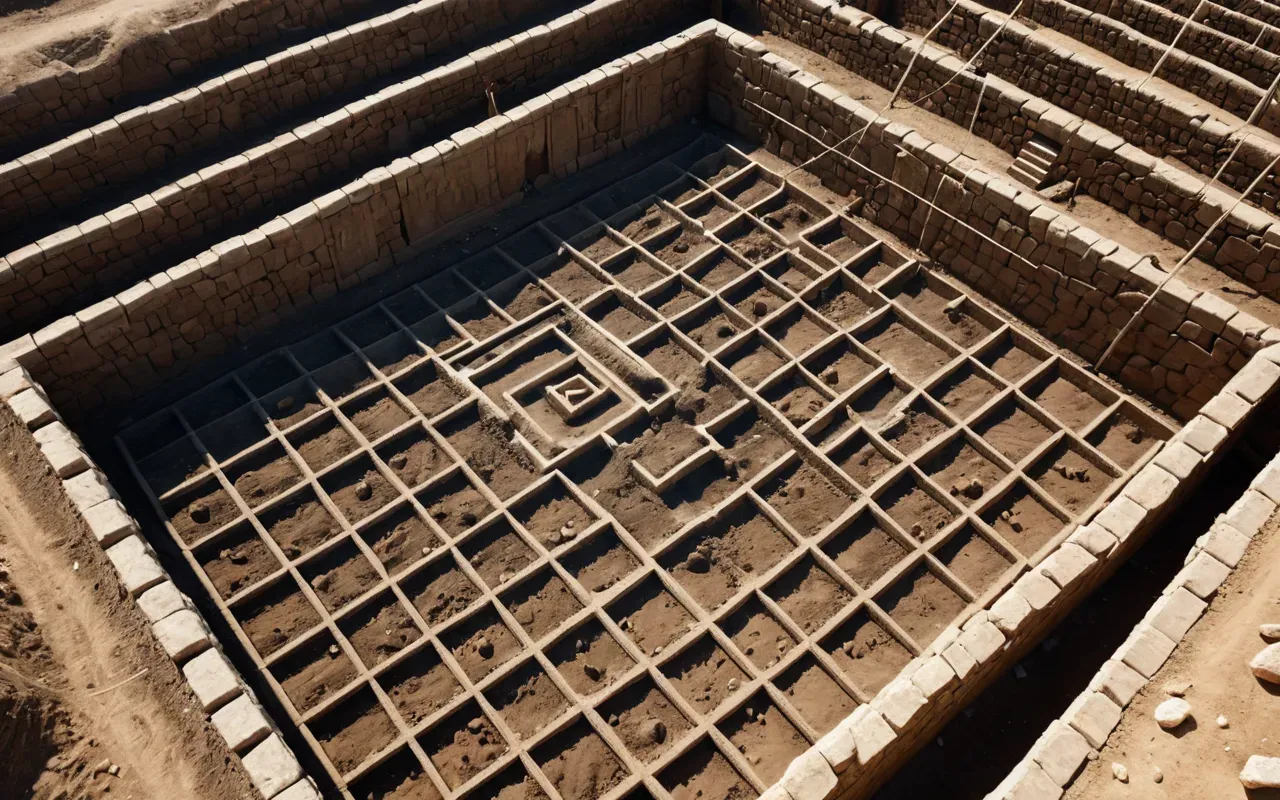
Digging into the region's excavation sites, you hit distinct layers of soil. The strata shift gradually — no abrupt cutoff, just a slow, telling transition. Honestly, that quiet change says more than any dramatic rupture ever could.
Archaeologists dug up tools that served two very different purposes: hunting and planting. The shift between them wasn't clean. It was fluid, overlapping, and honestly, a bit messy.
There wasn't one single moment where everybody just dropped their spears and grabbed a hoe. It happened gradually, over several generations, little by little.
The Social Fracture of Settled Life
Hunter-gatherer bands were, by and large, pretty egalitarian. Honestly, there just wasn't much incentive for anyone to try lording it over the rest of the group.
Farming turned the whole power equation on its head. Grain went into a barn, and suddenly wealth was something you could touch, hoard, and hide away. That changed everything.
That split society right down the middle. A few got to own the land. Everyone else just worked it.
Reassessing the Narrative of Progress
We still teach this era as a triumph. But the human cost tells a different story — one that's far more complicated.
The population exploded. And with that boom came something darker — disease. When people packed in tighter, pathogens found a clear runway to leap from animals to humans.
Smallpox and measles likely emerged during this time. We traded freedom for a crowded existence.
Why the Story Persists in Textbooks
Agriculture built our cities. It created the surplus that allowed art and philosophy to flourish. Without it, nothing else would have followed.
So we tell ourselves it was a good thing, because the result is us.
But that ignores the suffering of the people who actually lived through the shift. They never got to taste the upside. Not once.
The Role of Local Archaeological Projects
These local efforts are reshaping how we think about this era altogether. Honestly, they're less about the objects in the display cases and far more about the people who lived through it.
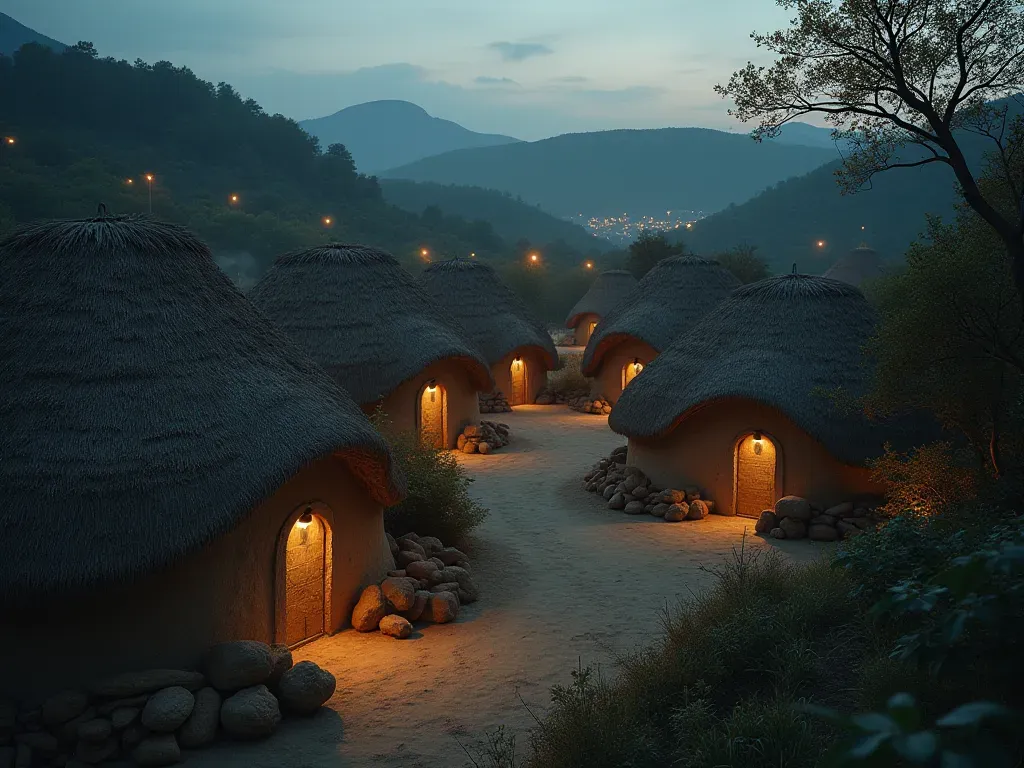
Museum displays have changed a lot. These days, they're not just dusty artifacts behind glass. You'll find full reconstructions of daily life — actual scenes showing how a family might have lived and worked together. It's a much more vivid way to understand the past.
That's what makes the history feel real. It stops being a bunch of dates and turns into an actual story. You can almost hear the people talking.
Connecting Past Innovations to Modern Culture
Honestly, the tools we relied on back then? They're shockingly close to the ones we grab today.
Stone grinding tools eventually became the millstones that keep modern bakeries running. The underlying logic? It hasn’t changed at all.
Understanding this link helps us appreciate just how clever those early societies really were. It’s easy to overlook, but the sheer ingenuity on display is something else.
The Hidden Truths in Ancient Tools
We tend to write off ancient tech as crude. But honestly, look closer, and you'll find engineering that could give modern minds a run for their money.
Consider the obsidian blades they've been pulling out of recent digs. Honestly? Sharper than the surgical scalpels we use today.
You had to be incredibly precise here. And that demanded real skill, not to mention picking the right materials from the start.
What the Artifacts Tell Us About Daily Life
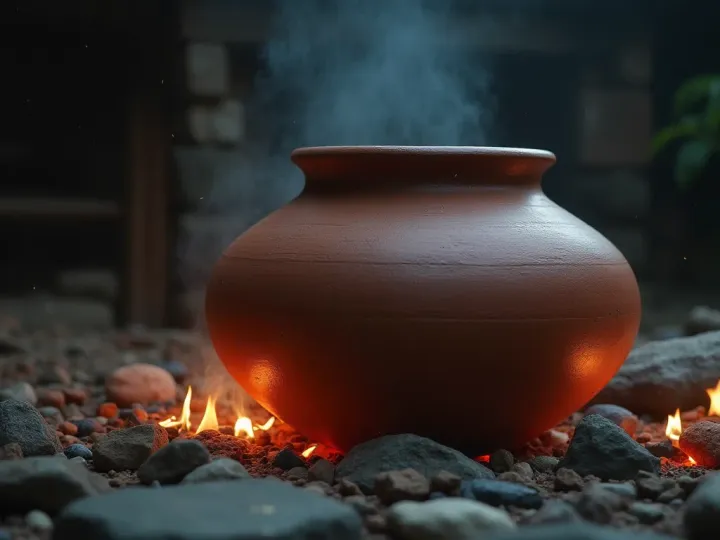
Look at the pottery, and you start to see what people actually put on the table. The shapes tell you one thing — the cooking methods. But scrape the residue off the inside, and that's where the real story comes out. There, you find traces of everything from grains and meats to herbs you'd never expect. It's a surprisingly rich picture, honestly.
We assumed early diets were plain and dull. The evidence says otherwise — they were surprisingly intricate.
That pretty much flips the old story on its head, doesn't it? We're so used to hearing that farming was this great leap forward, the moment we got comfortable and settled. But honestly, this suggests the exact opposite. It didn't simplify anything. If anything, it made daily life a whole lot messier, more demanding, and far more complicated. And that's a hard pill to swallow when you've been told your whole life that the plow was our ticket to an easier existence.

The Environmental Impact of Domestication
Farming changed the landscape permanently. Forests were cleared and rivers diverted. And honestly, that was just the beginning of a transformation that would ripple through every valley and hillside for generations to come.
Soil erosion got worse the moment we swapped wild plants for crops. That's a legacy we're still living with, honestly. And it's not some distant historical footnote — it's in the dirt beneath our feet right now.
We won food security, sure. But look at what it cost us — ecological stability. That was a steep price, and honestly, one we're still paying for.
Why We Should Question the Progress Narrative
History isn't a straight line from bad to good. It's a long, messy series of trade-offs.
The Neolithic shift was one such moment. We chose stability over variety and health.
Honestly, acknowledging this doesn't mean we should throw modern agriculture under the bus. But it does mean we'd do well to dig deeper into where we actually came from.
The Human Element in Historical Data
Every data point starts with a person. A mother feeding her child. A father working the land.
When we read about population growth, it's easy to lose sight of the people behind the statistics. But those numbers aren't just data points. They're real lives.
It grounds the past in real lives, so it stops feeling like a list of dates. Honestly, that shift makes all the difference.
How Modern Society Mirrors Ancient Choices
Honestly, we still make those same calls today. Everywhere you look, we're trading a little freedom for a little security.
Working long hours to buy a house is like farming for grain. It requires sacrifice, but the harvest is worth it.
Honestly, the more I sit with this parallel, the more I think it has something real to teach us. It's not some abstract theory — it's a lens that can actually sharpen the choices we make every day.
The Future of Historical Understanding
Our tools keep getting better. And that means our understanding keeps expanding too. DNA analysis, in particular, is now pulling back the curtain on family trees we never even knew existed.
We are learning that the Neolithic wasn't one big moment. It was a whole string of experiments, sometimes running side by side, sometimes crashing into each other.
The story is still being written — and honestly, it’s a lot more interesting than the textbook version.

The Role of Technology in Revealing the Past
Radiocarbon dating handed us something remarkable: precise timelines. We don't guess at dates anymore. Not really. And honestly, that changes everything about how we read the past.
Remote sensing lets us peek at what's hiding underground without ever picking up a shovel. Honestly, it's the closest thing we have to X-ray vision for the earth — and it's completely non-invasive, which makes it a total win for learning about the past.
These tools are speeding up discovery in ways we couldn't have imagined a decade ago. And honestly, they're making history far more accessible to everyone — not just academics locked in archives.
Implications for Cultural Heritage Preservation
What we actually care about is what we end up protecting. And the Neolithic sites? They're fragile. Really fragile.
Climate change is already eating away at these places — erosion and flooding aren't distant worries anymore, they're happening now. Honestly, waiting isn't an option. We have to move, and we have to move fast.
Preservation isn't merely about keeping objects safe—it's about holding onto the memory of human ingenuity itself. We don't just save things; we save the stories, the struggles, the sparks of creativity that made them possible in the first place.
Frequently Asked Questions
What was the main cause of the Neolithic Revolution?
The main push probably came from two forces working together: a shifting climate and a growing population. With fewer wild resources to rely on, people had to take matters into their own hands. So they started domesticating plants and animals — not out of curiosity, but out of necessity. They needed a dependable food supply, plain and simple.
Did the Neolithic Revolution happen simultaneously worldwide?
No, it didn't. Not even close. Different parts of the world figured out farming on their own schedules, and the timing depended entirely on what was growing nearby and what the local climate allowed.
How does the Neolithic period affect modern agriculture?
Modern farming traces its roots straight back to the Neolithic revolution. Sure, we've swapped wooden plows for GPS-guided tractors, but the core ideas haven't budged an inch. We're still picking the best crops, still breeding the hardiest animals — just with a lot more data and a lot less guesswork.
Why is the Neolithic Revolution considered a mistake?
People call it a mistake, and honestly, it's hard to argue with that. It wrecked public health and carved deep lines of social inequality into the fabric of human life. But here's the thing — without it, we never would have built cities. Never would have gotten writing, bureaucracies, or the division of labor that made civilization possible. It's a trade-off, and we're still living with both sides of it.