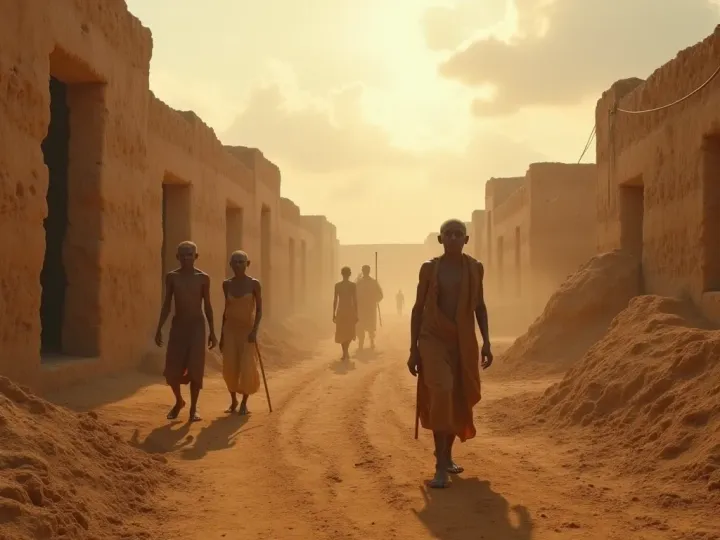
Why That Stitched Mouth Statue Is The Most Disturbing Find In Neolithic History
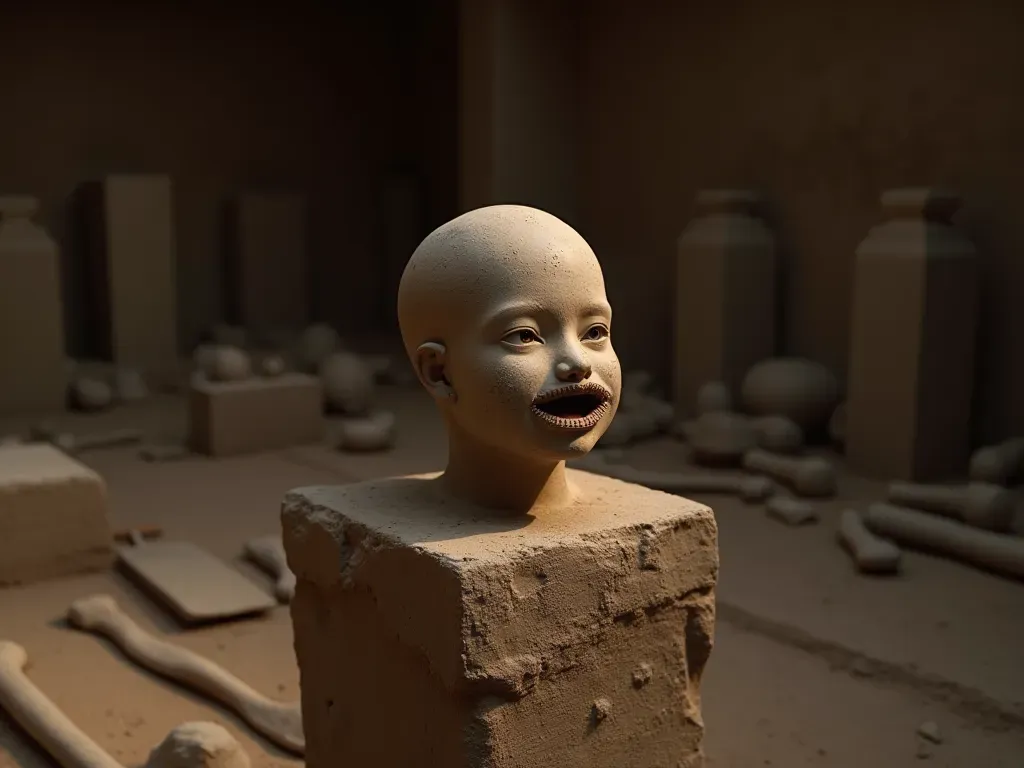
The Mouth That Was Not Meant To Be Opened
Imagine a figure with its lips sewn shut. No mouth to speak. No voice to plead. Just stone silence, carved into eternity.
That's the shock of a new sculpture found at Sayburc. It sits in the dirt of southeastern Turkey, waiting for us to ask why.
We tend to assume Neolithic people were simple. Hunters gathering food around fires. This find says otherwise.
Here's the thing: they had complex rituals. They feared what came after death enough to alter their own art.
This isn't just a statue. It's a message from twelve thousand years ago about the power of silence.
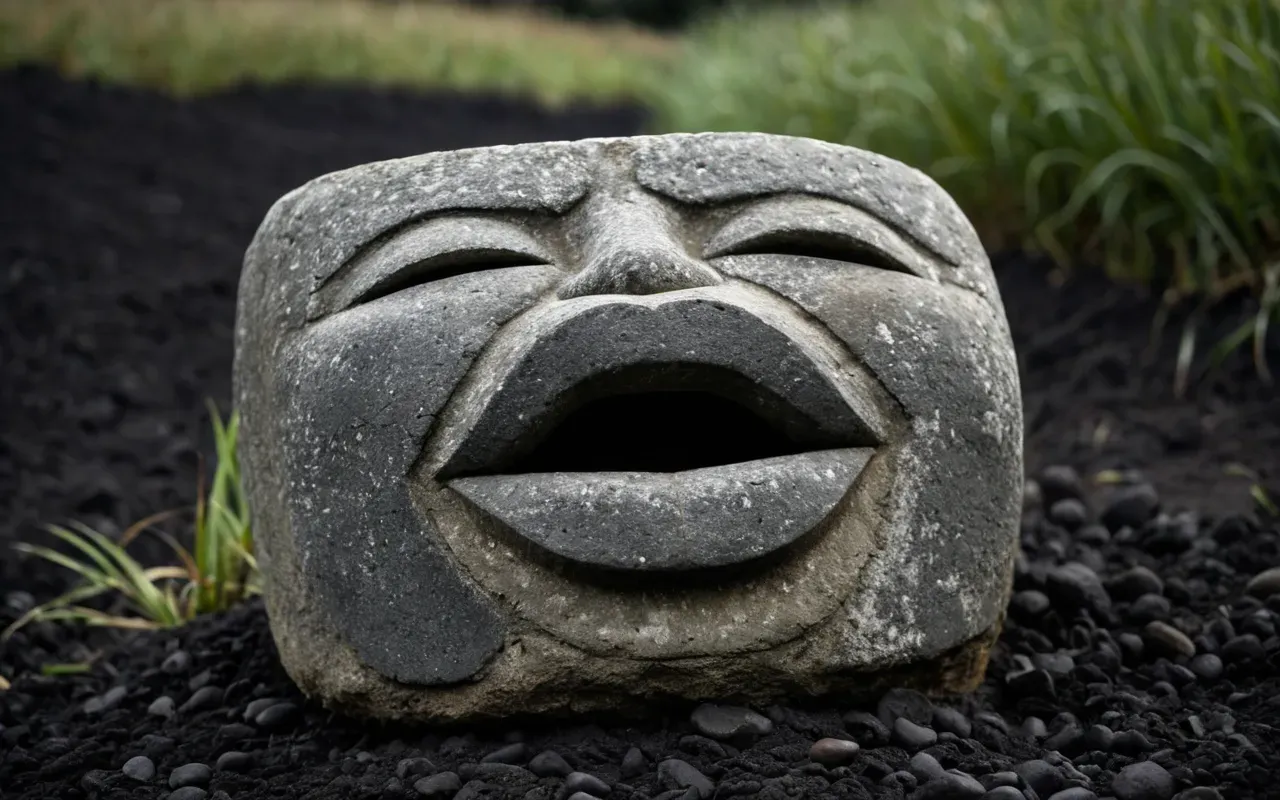
Silence As A Ritual Act In Ancient Times
Why would anyone stitch a mouth shut? It defies basic human nature. We scream when we die. We cry out in fear.
But these early communities saw death differently. Maybe a loud mouth let the soul escape too easily.
Maybe they wanted to trap the voice inside. To keep the spirit bound to the body, or to a specific place.
That reading challenges our modern bias. We assume loudness equals presence. Silence means absence.
The Psychology Of Sealed Speech
I've seen similar motifs in other ancient cultures. Binding the tongue is a universal fear of uncontrolled power.
Words have weight. In that era, words might literally shape reality. A bad word could curse a crop.
So sealing the mouth was protective. It stopped the dead from saying things they shouldn't say to the living.
Comparing This To Other Neolithic Finds
Look at the hidden statue found in a wall. It was placed deliberately inside the structure.
Both finds show intentionality. These were not accidents. They were acts of profound symbolic meaning.
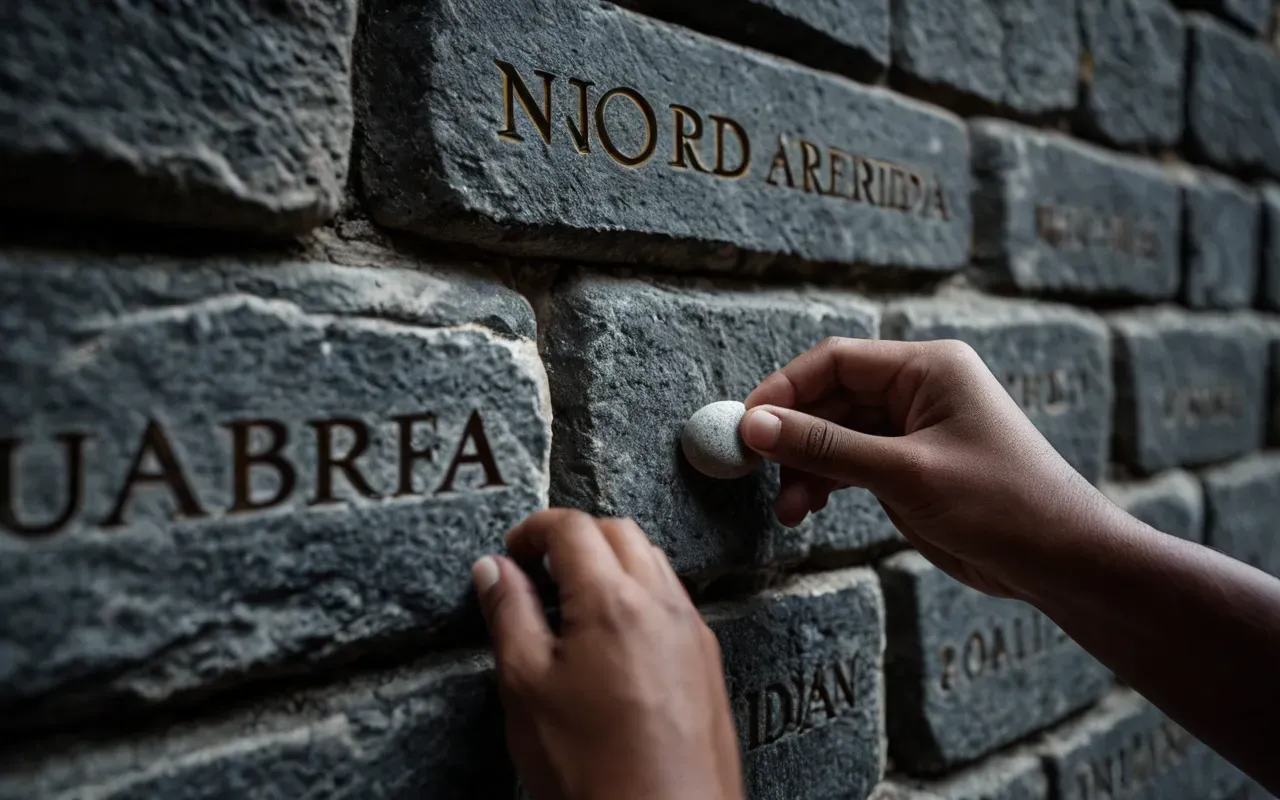
The Role Of Memory In Rituals
Memory is fragile. Objects anchor it. A stitched mouth reminds the community of what must not be spoken.
It's a physical reminder that some truths are dangerous. That some voices should stay quiet forever.
What This Tells Us About Social Structure
Who made this statue? A priest? An artist? We don't know for sure. But the skill is undeniable.
There was a hierarchy of knowledge. Someone decided silence was safer than speech for the dead.
The Bigger Picture Of Neolithic Complexity
This single find is a drop in the ocean of recent discoveries. The Taş Tepeler region is exploding with news.
We're seeing a world far more sophisticated than we gave them credit for. They were engineers.
They were artists. They were philosophers, in a way we're only beginning to understand through their artifacts.
If you think they were primitive, look at the precision of these carvings. Look at the planning involved.
Why This Changes How We View Human History
We often date human intelligence by writing. By numbers. By complex tools we can hold in our hands.
But symbolic thought runs deeper than that. It's the root of all culture. And this statue proves it ran deep.
It forces us to rethink what counts as civilization. Maybe it isn't about building walls. It's about believing.
These people had a spiritual life that was rich and detailed. They worried about the afterlife as much as we do.
The Artistic Mastery Of The Stone Mounds
Let's talk about the skill required to carve that mouth. You need steady hands and great patience.
Stone is unforgiving. One slip of the chisel ruins hours of work. They did it anyway.
Which suggests a training system. An elder teaching a younger one how to work with the material.
Not just instinct. Craft. And that's a form of technology we often overlook.
What Other Finds Are Telling Us About Belief
At Sefertepe, they found two carved faces. One high relief, one low. Different styles at the same site.
This shows local variation within a wider cultural zone. Not everyone did it exactly the same way.
But they shared motifs. The human face was central to their identity and ritual practice across the region.
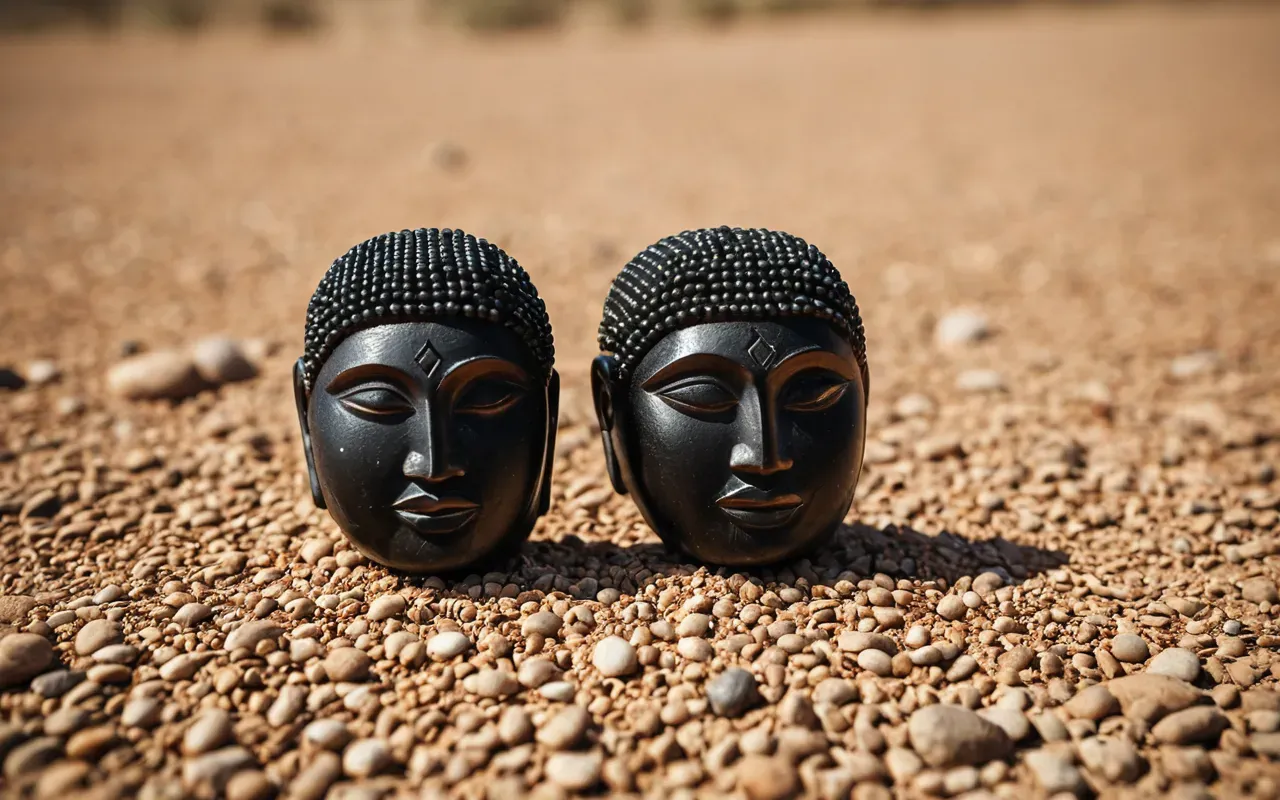
There's a dual-faced bead made of black stone. Two faces looking in opposite directions on one small object.
It's like a key to two worlds. The living and the dead. Or perhaps the past and the future.
The Significance Of Symbolic Objects
These objects were not just decorations. They had function in their social and spiritual lives.
They likely served as focal points for meditation or prayer. Anchors for their complex belief systems.
How These Finds Compare To Modern Art
We might dismiss them as primitive. But the emotional impact is universal and immediate.
When you look at that stitched mouth, you feel a chill. That's the power of great art.
The Emotional Connection Across Millennia
We connect with them because our fears are the same. We fear death as much as they did.
Our tools change. Our beliefs about the soul often don't evolve at the same pace.
The Future Of Research In This Region
This is only the beginning. Excavations continue at multiple sites across the Taş Tepeler zone.
Expect more surprises. More challenges to our assumptions about early human society.
The region is becoming a global hub for Neolithic studies. It attracts scholars from all over the world.
International collaborations are bringing new techniques and perspectives to the analysis of these finds.
Technological Advances In Excavation
They're using advanced imaging to see details the naked eye cannot catch.
That allows for a deeper understanding of the carving techniques and the materials used.
Digital Reconstruction Of Ancient Sites
Virtual models are being built to show how these structures might have looked when new.
This helps visitors and scholars alike grasp the scale and complexity of these ancient communities.
Why You Should Care About This Discovery
It changes how you see the past. It shows that complex thought existed long before cities.
It reminds us that we're part of a long chain of human ingenuity and cultural development.
Every artifact found is a piece of the puzzle that helps us understand who we are today.
The Broader Impact On Our Understanding Of Humanity
These finds challenge the notion that civilization is a linear progression from simple to complex.
Instead, they suggest that different forms of complexity have always existed in parallel.