The 17-meter stone circle that proves we were building theaters before writing

The Amphitheater That Predates Writing by Millennia
We tend to assume complex social structures showed up only after agriculture. Karahantepe says otherwise.
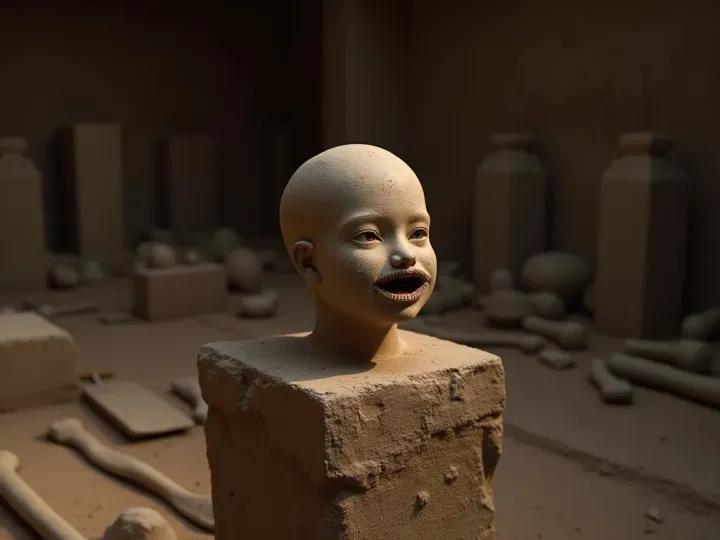
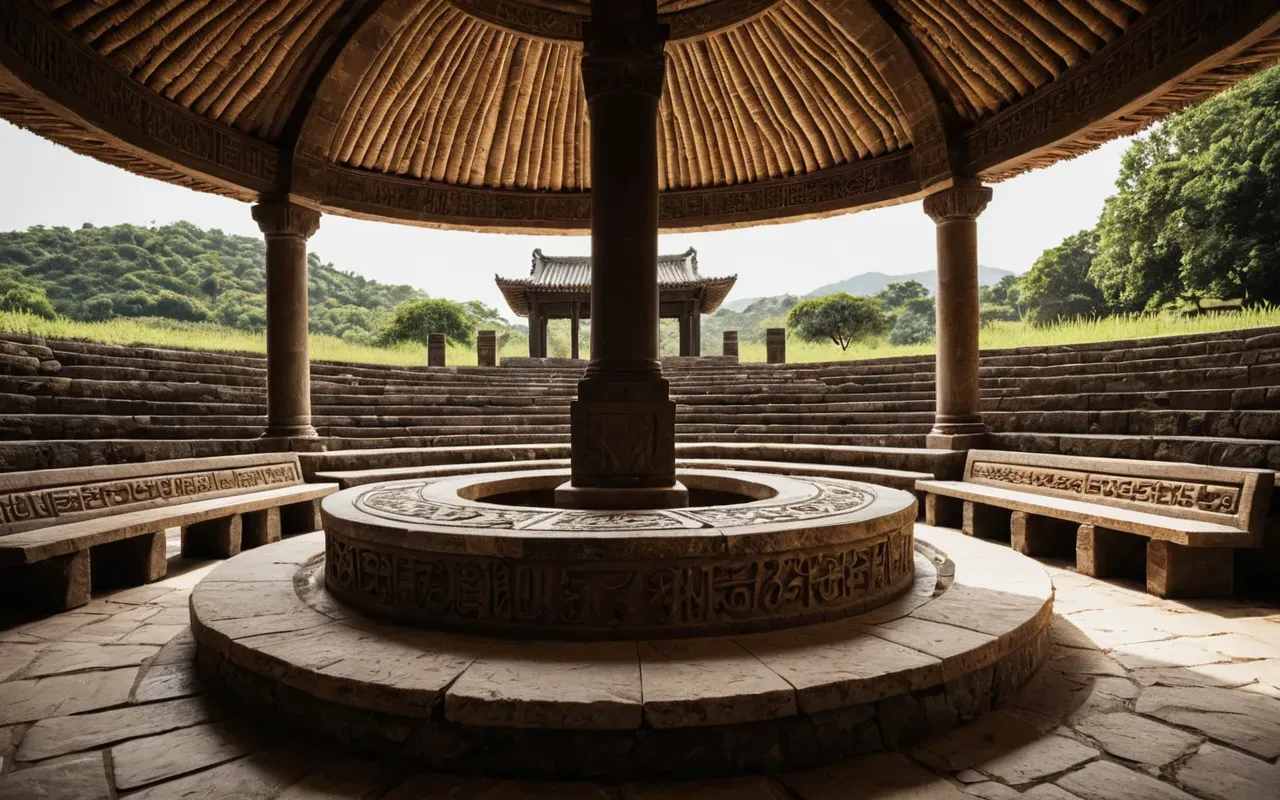
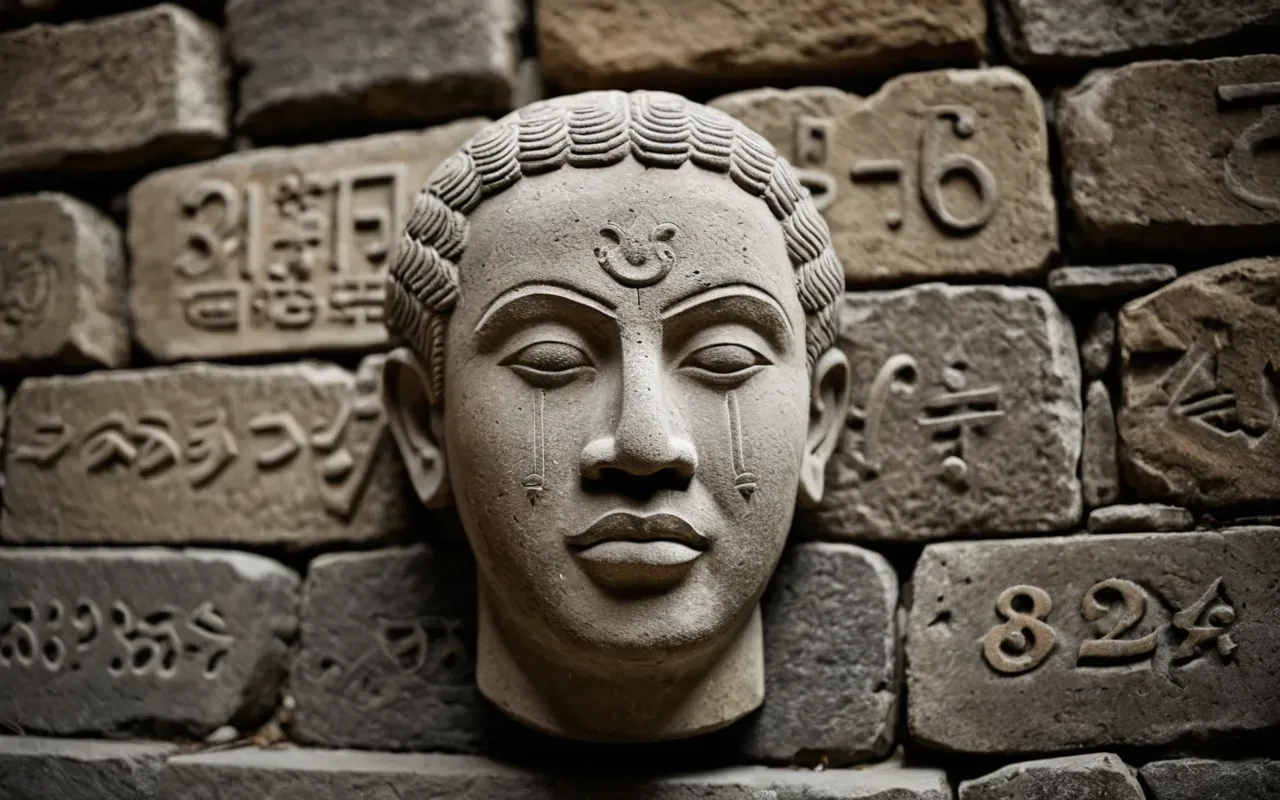
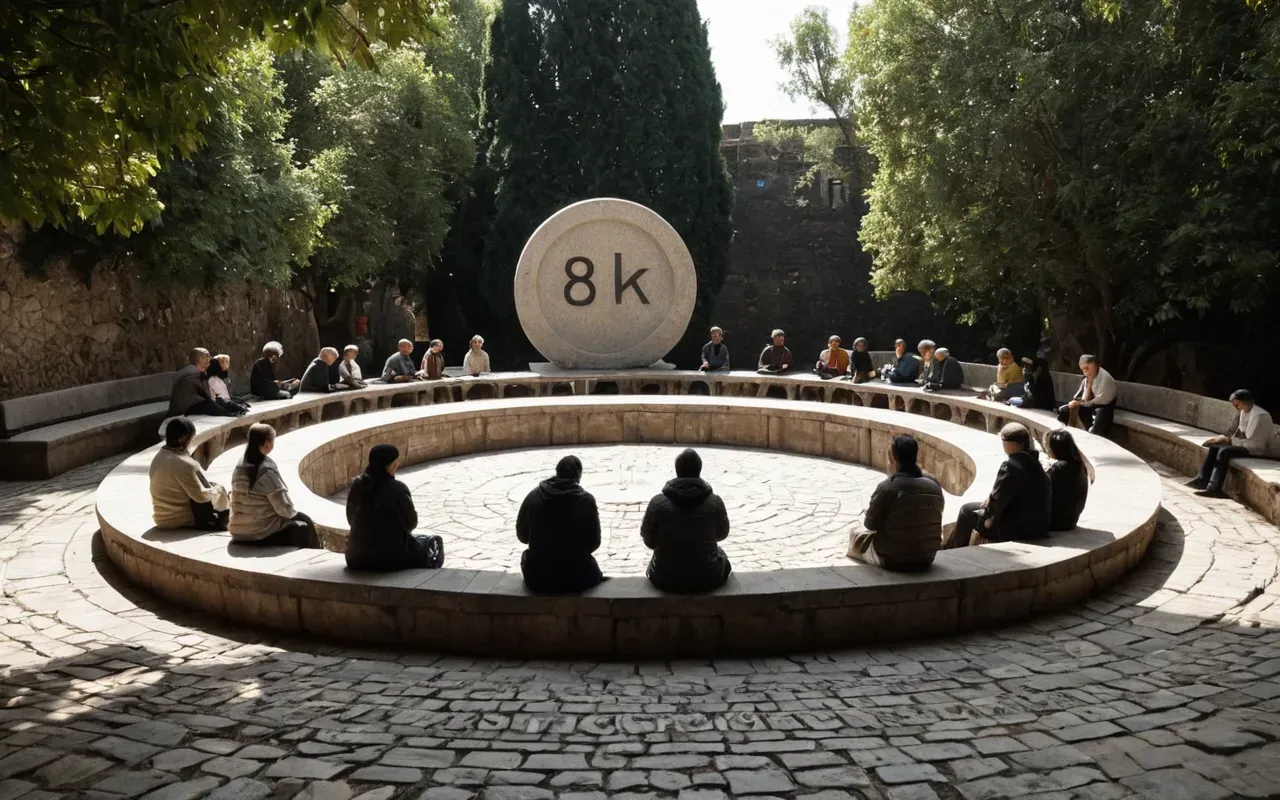
In the arid hills of southeastern Türkiye, archaeologists have uncovered a circular building nearly meters in diameter. Tiered stone benches line it. Carved human heads are embedded in its walls.
This is not a temple. Or at least, that's how Prof. Dr. Necmi Karul prefers to describe it. His argument: the space was built for community gathering, not strict religious worship.
That reading upends the traditional timeline of human development. It suggests monumental architecture and social cohesion were already in play before writing or metal tools existed.
Why This Changes How We See Early Society
For decades, the narrative was simple. Humans started farming, settled down, then built complex societies. Karahantepe complicates that story.
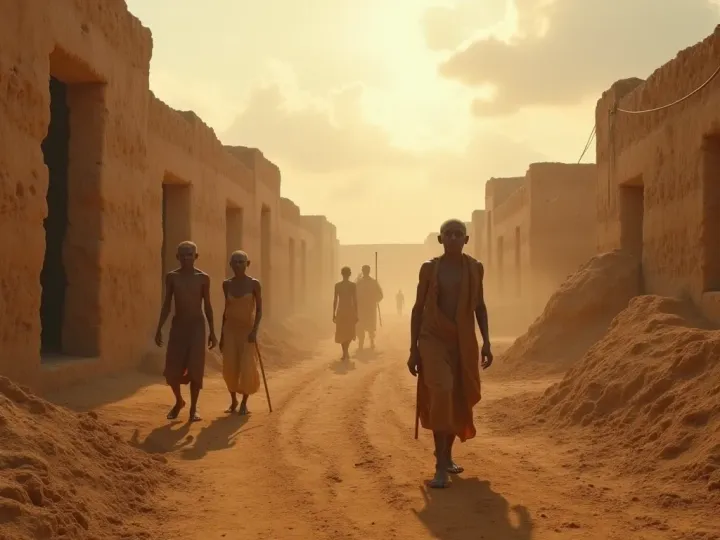
The site was inhabited for roughly , years starting around , BCE. That's a long time to experiment with social organization and architectural design.
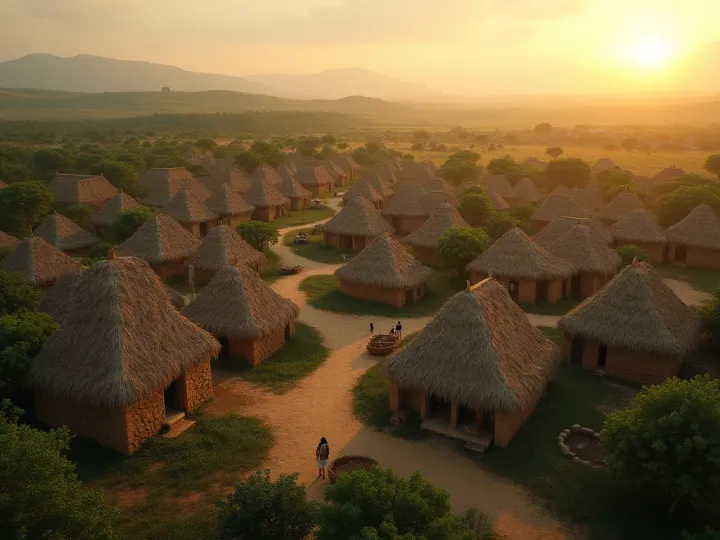
Archaeologists have identified three distinct settlement phases. Early circular rooms gave way to rounded-corner rectangular buildings, and finally fully rectangular structures.
This transition wasn't just about housing. It was a shift in how people interacted with space and each other. The architecture itself became a tool for social cohesion.
The Human Form Replaces the Wild Animal
Look at the sculptures. Earlier Taş Tepeler sites were dominated by wild animal imagery. Here, the focus is on human faces and bodies.
That shift signals a profound change in worldview. People were no longer just observers of nature; they were becoming the central figures in their own ritual lives.
The bedrock-carved architecture is more extensive than what we see at Göbeklitepe. Which suggests a higher level of organized labor and planning.
A Social Engine for a New Way of Life
So why build an amphitheater? To manage the chaos of settling down. As groups became larger, they needed new ways to cooperate and make decisions.
This structure likely served as a venue for storytelling, decision-making, or communal ceremonies. A physical space to reinforce unity and shared identity.
It's not about worship in the traditional sense. It's about creating a shared experience that binds people together. The architecture was doing social work.
Karahantepe in the Wider Taş Tepeler Landscape
Karahantepe is part of the Taş Tepeler Project. This ambitious effort aims to understand the dawn of settled life between , and , BCE.
The site shares features with Göbeklitepe but also introduces unique elements. It has one of the largest concentrations of human face depictions from this era.
If you're interested in how these ancient societies organized themselves, check out how a giant ancient village with no kings changes our view of equality.
The interconnected chambers and corridors point to a highly organized society. They could coordinate labor for monumental construction without a central hierarchy.
A New Chapter in Understanding Human Beginnings
As restoration continues, Karahantepe is set to become a cornerstone of global Neolithic research. It offers a tangible link to our earliest ancestors.
The amphitheater-like structure stands as evidence of our enduring desire to come together. Long before cities or writing, humans were builders of community.
This discovery isn't just about the past. It's a mirror to our present. We still gather in shared spaces to create meaning and reinforce identity.
What This Means for Modern Cultural Heritage
For enthusiasts and scholars in Turkey, this project offers a unique connection to the past. It blends historical information with educational resources.
The Taş Tepeler initiative also includes innovative toys and games inspired by Neolithic themes. This makes the ancient period accessible to a wider audience.
It's not just about digging up stones. It's about understanding how early human ingenuity shaped the societies we live in today.
If you want to see more about ancient tech that still surprises us, read seven Neolithic tools that make modern engineering look amateur.
The Final Verdict on the Stone Hills Discovery
Karahantepe is one of the most significant archaeological sites of the st century. It redefines what we know about early human social life.
The amphitheater structure is a powerful reminder. We are wired for community long before we had the technology to formalize it.
This isn't just a ruin. It's a message from the past. Humans have always been builders of meaning and shared experience.