The Neolithic Tech Boom That Made Modern Engineering Look Amateur
The Myth of the Simple Farmer Is Officially Dead
We've been sold a lie. For decades, schoolbooks painted the Neolithic era as a clumsy stumble into agriculture — people scratching at dirt with sticks, barely surviving the winter.
Last week I stood in a museum where that story fell apart. No primitive struggle on display. What I saw was precision engineering that rivals our own.
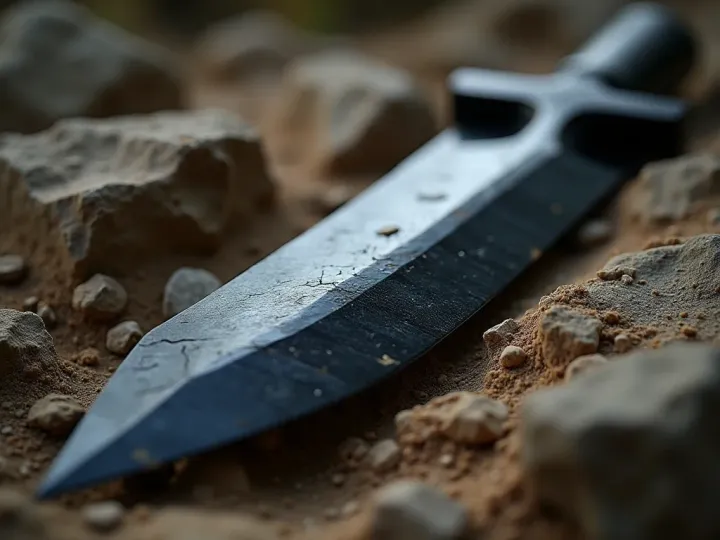
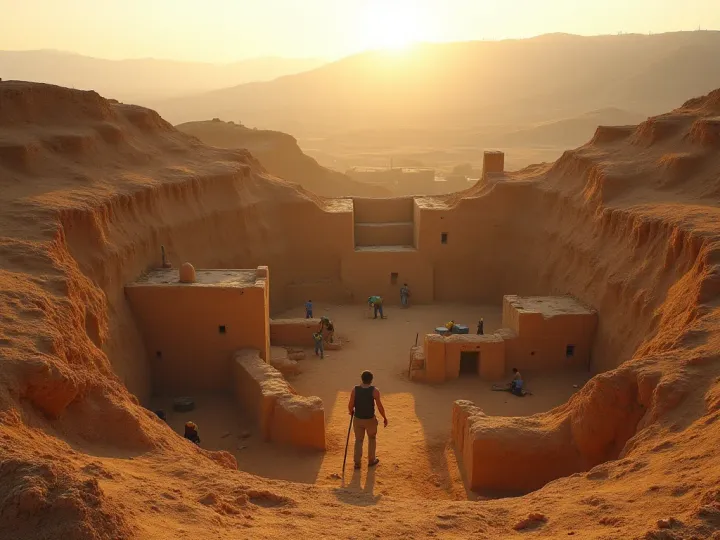
The Taş Tepeler project in Şanlıurfa isn't just a dig site. It's a laboratory for rewriting human history. The tools they pulled out of the ground make modern steel look amateur by comparison.
Think early humans were slow to invent things? Look at the evidence again. Complex social structures. Advanced tools. All of it thousands of years before the pyramids.
What the Stone Circles Actually Tell Us About Physics
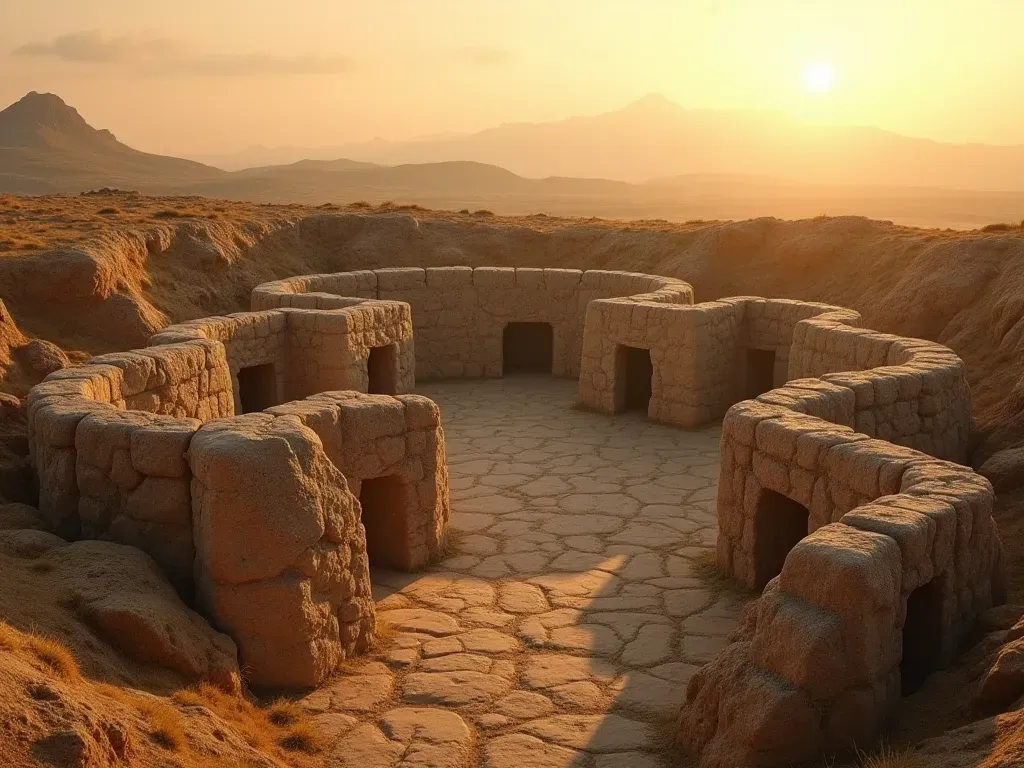
Austria just turned up a circle that makes Stonehenge look like a toddler project. The geometry is flawless. How do you pull that off without lasers or cranes?
The answer is in the soil. They understood weight distribution better than most modern architects do today, and the foundations were built to last millennia.
This isn't magic. It's math. Load-bearing capacities calculated with simple tools and infinite patience. The precision genuinely shocks you.
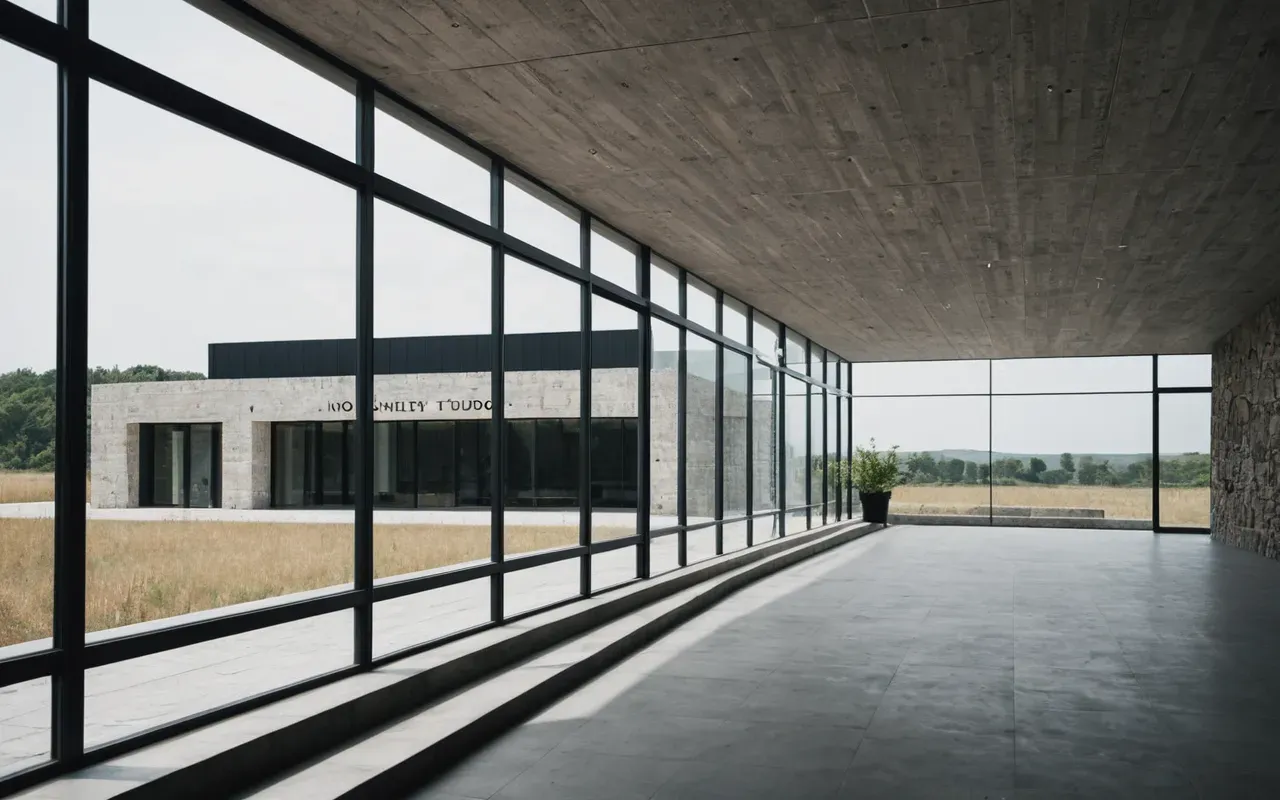
I stood in front of a replica last month. The alignment with the sun was exact. It felt less like history and more like science fiction.
The Clay Baking Trick That Started It All
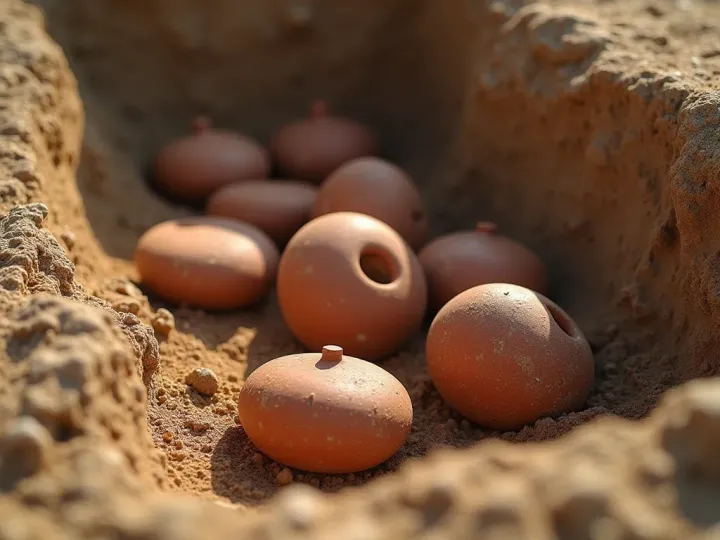
Did a wildfire actually teach our ancestors how to bake clay? Sounds like folklore. But the evidence is hard to ignore.
Fired pottery changed everything. Food storage. Water transport without spilling. Suddenly you could live near a river without depending on it.
That was the first true technology boom. It created surplus. Surplus creates trade. Trade creates specialization. You have a society.
Why the Taş Tepeler Project Is Changing Everything
This initiative in Şanlıurfa isn't just digging. It's building a bridge between ancient ingenuity and modern understanding.
They're releasing educational toys and novels inspired by these findings, which makes the ancient world accessible to kids and scholars alike.
I watched a child use a replica tool last week. She understood the grip and the weight instantly. The connection to our past is tangible now.
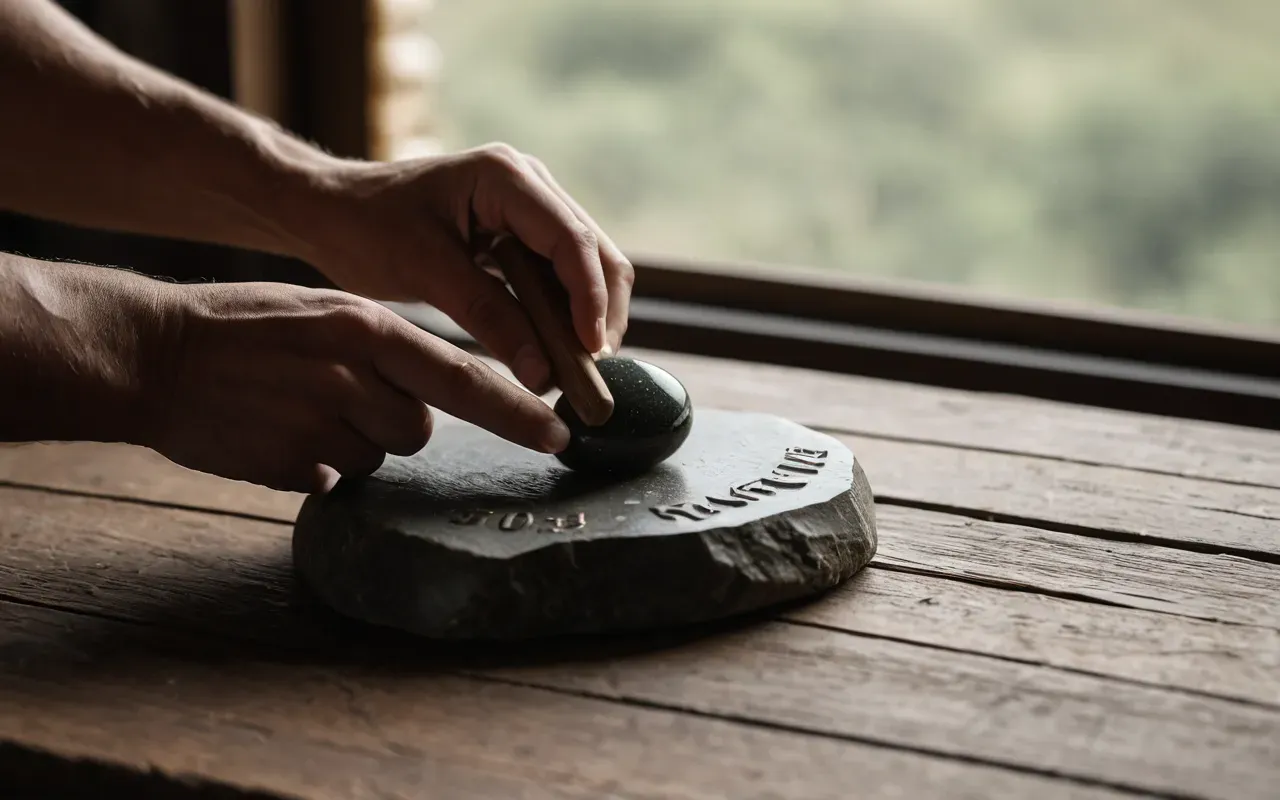
The project also offers gift options for collectors. You can buy replicas of artifacts that tell a story older than writing itself.
The Gender Bias We Need to Throw Out Today
A woman buried with a man's tools just broke our idea of Neolithic gender roles. We assumed she was a hunter or warrior.
But the analysis shows she was a specialist. Her skills were valued differently than we expect from primitive societies.
And why women were the only ones allowed to leave their Neolithic villages is another myth we're dismantling. They had freedom and agency.
How Modern Museums Are Failing To Tell This Story
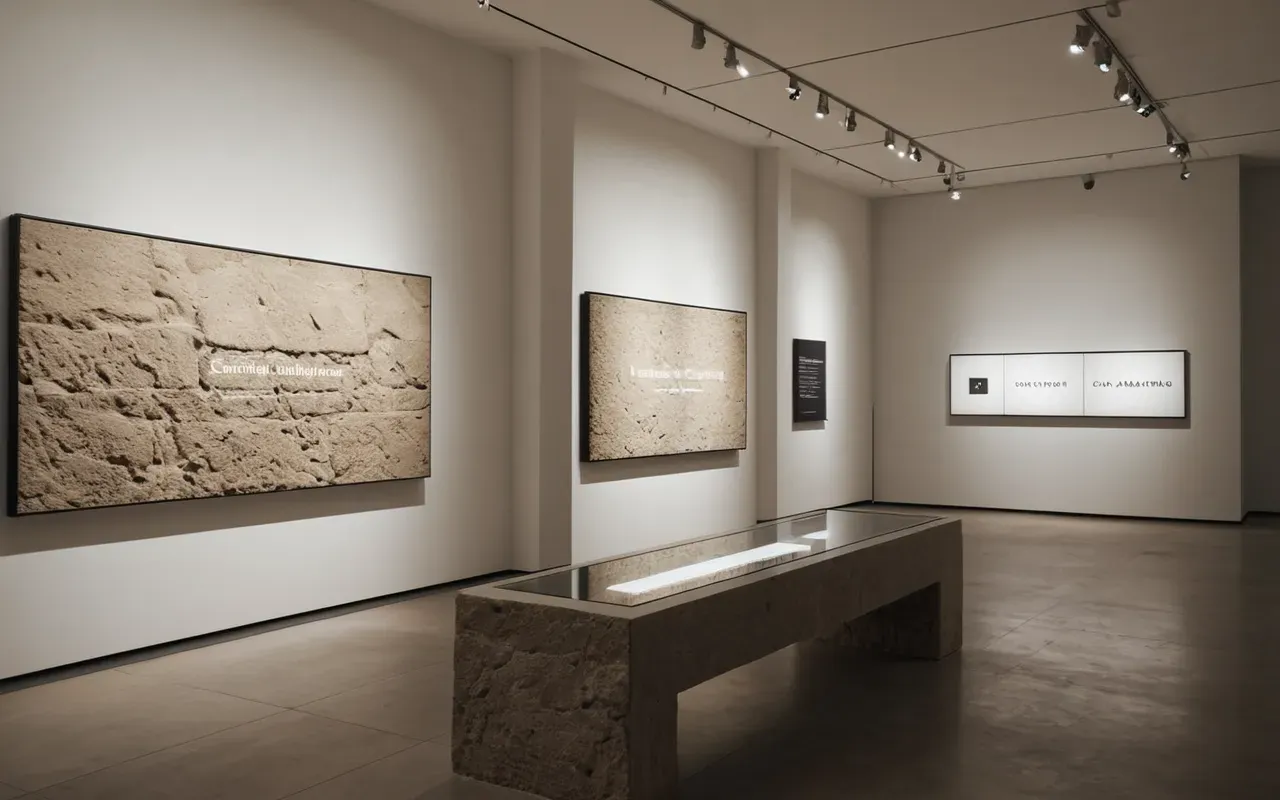
Most museums put ancient artifacts behind glass and call it a day. Cold. Distant.
The new approach is interactive. You touch the textures. You learn the weight. It changes how you perceive human capability.
If you visit a site like this, skip the guidebook. Talk to the curators. They know stories that aren't in any book.
The Real Reason Your Ancestors Started Farming
It wasn't a grand plan. Probably just a rainy week that forced them to stay put and watch the grass grow.
Once they stayed, they noticed patterns. They saved seeds. They planted them deliberately. That was the spark.
The Neolithic Revolution Was a Massive Mistake, some scholars argue. I think it was the only logical step forward.
What This Means For Your Understanding of History
We're not just observers. We're the product of these early innovations. Every tool you use has a lineage.
Next time you hold a ceramic cup, think of the wildfire that taught our ancestors to bake clay. It's all connected.
Frequently Asked Questions
What is the most advanced Neolithic tool?
Polished stone axes are often cited. They had sharper edges than early iron tools and required less force to use effectively.
How did Neolithic people build massive stone circles?
They used sledges, ropes, and gravity. Large teams coordinated movements to move tons of stone without modern machinery.
Why is the Taş Tepeler project important for tourism?
It offers interactive experiences and educational resources. Visitors can engage directly with Neolithic culture rather than just viewing artifacts.
Can modern engineering replicate Neolithic precision?
Modern tools can match it. But the understanding of load distribution and natural materials remains a valuable lesson for architects.
Did Neolithic people have written language?
No full script existed. But they used symbolic markings and clay tokens for accounting. This was a precursor to written language.