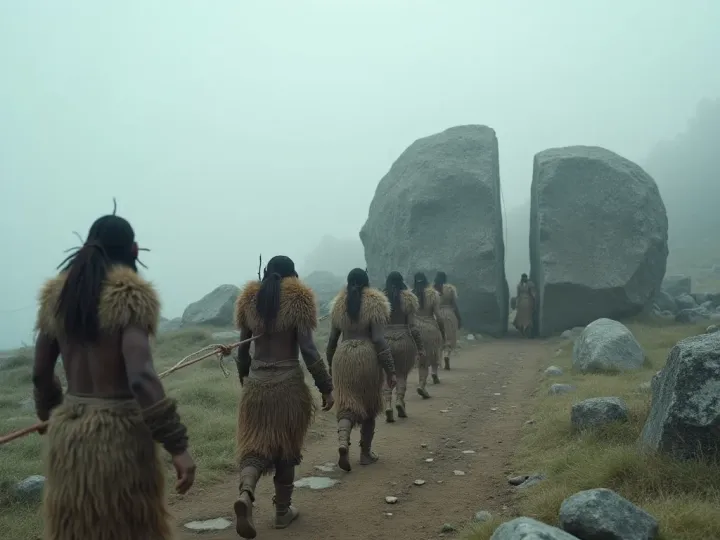
Why a Neolithic village with no streets is actually superior to your modern city
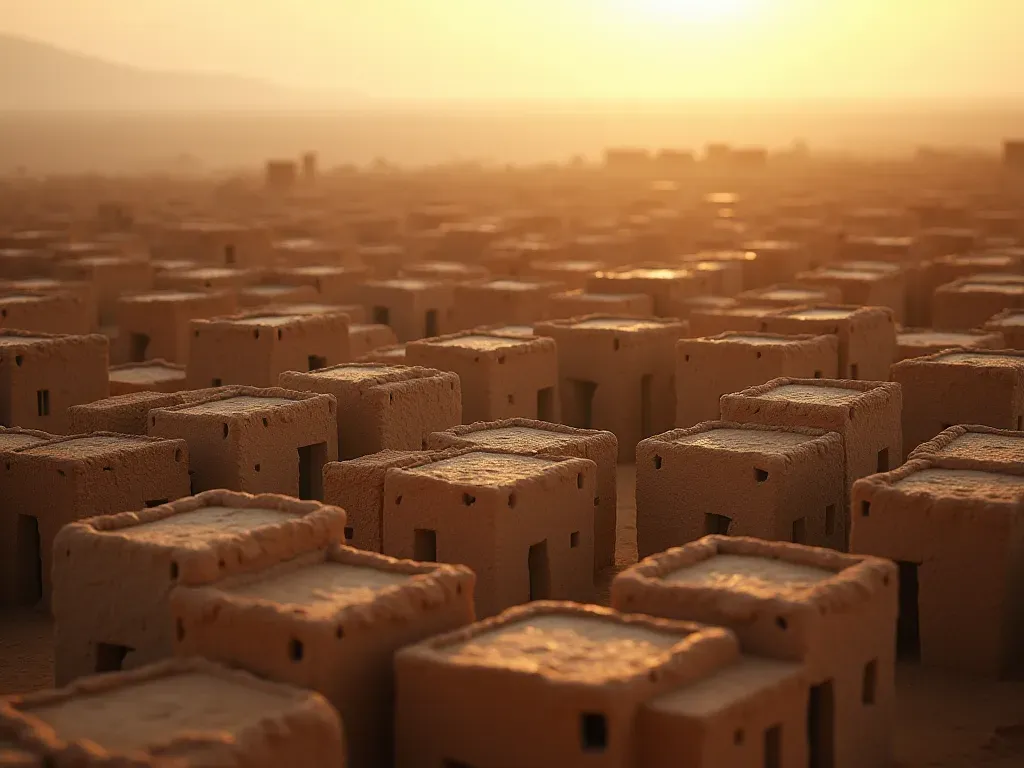
The streetless city that outlived empires
We're taught to see the absence of roads as a flaw. A city without streets is broken by definition.
But at Çatalhöyük on the southern plateau of Konya, that was exactly how it worked for over two millennia.
Picture a dense cluster of mudbrick houses packed back-to-back. No avenues for carts to pass through.
Residents climbed ladders up the flat roofs. The sky became their public square.
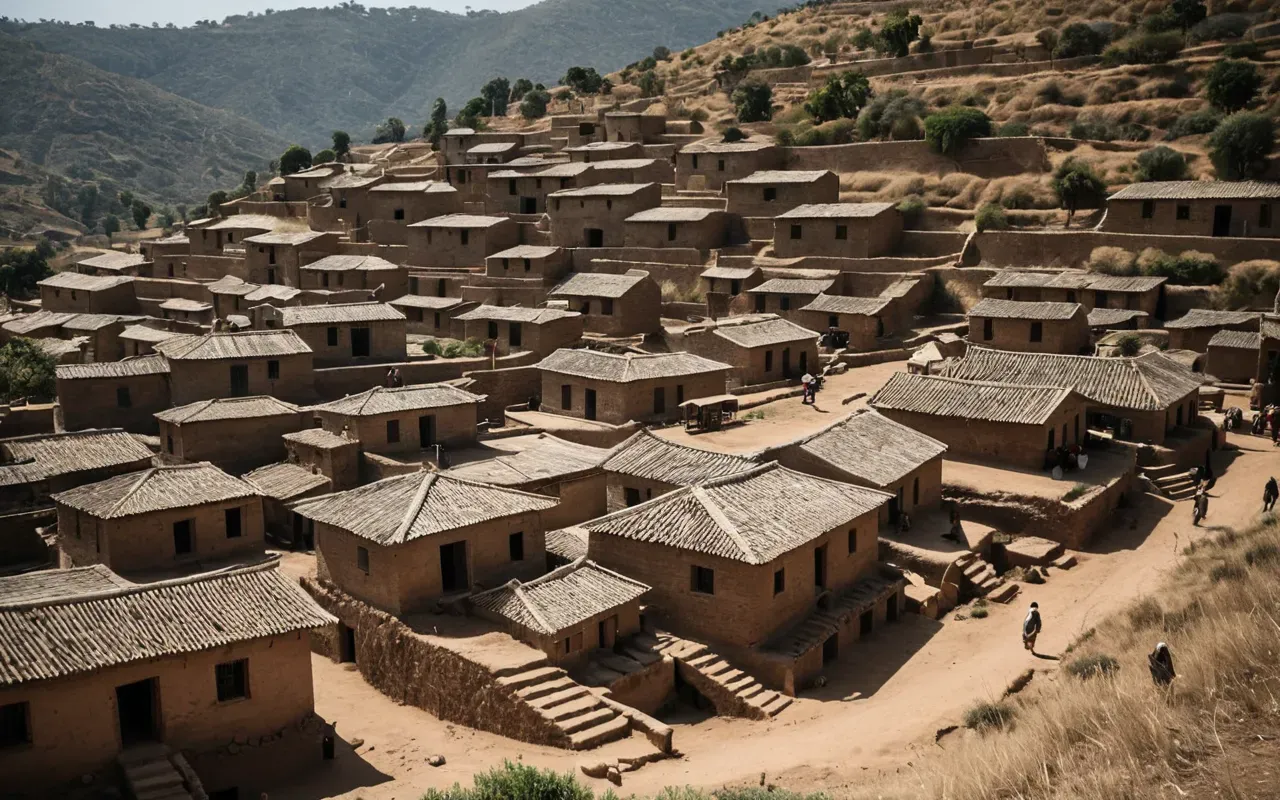
Why we keep misjudging ancient layouts
Modern urban planning assumes roads are the primary way to connect people. We build grids.
But that assumption is deeply biased toward later history and our own convenience. It ignores a different logic.
At Çatalhöyük, the layout prioritized intimacy and shared space over circulation. It was a different social contract.
By clustering houses tightly and eliminating ground-level corridors, the design forced interaction. You could not walk past a neighbor without seeing them.
The roof as public space
This is the part that still surprises me. The roofs were not just shelters.
They were where people gathered to talk and share food. The equivalent of our city squares.
When you look at the evidence from the site, it is clear that this was not a mistake. It was a deliberate choice.
The egalitarian secret hidden in the mudbrick
We usually assume early cities were ruled by kings or powerful elites. We project our own history backward.
But the houses at Çatalhöyük are remarkably similar in size and layout. There is no obvious royal palace.
This suggests a society organized around shared principles rather than hierarchy. A radical idea for its time.
What this means for how we build today
If a community could thrive without central authority and without roads for over two thousand years, what does that say about our current assumptions?
It challenges the idea that complexity and hierarchy are necessary for a large population to function. We might be overcomplicating things.
The site is a powerful reminder that there are different ways to organize human life. And some of those ways might be better.
A lasting legacy on the Konya plain
Today, Çatalhöyük is one of the most important archaeological sites in the region. It tells a story we need to hear.
It is not just about the past. It is a mirror that reflects our own assumptions about how society should be built.
By studying this place, we gain a new perspective on what is possible. And that is something worth taking to heart.