The reason your ancestors started farming was probably a rainy week
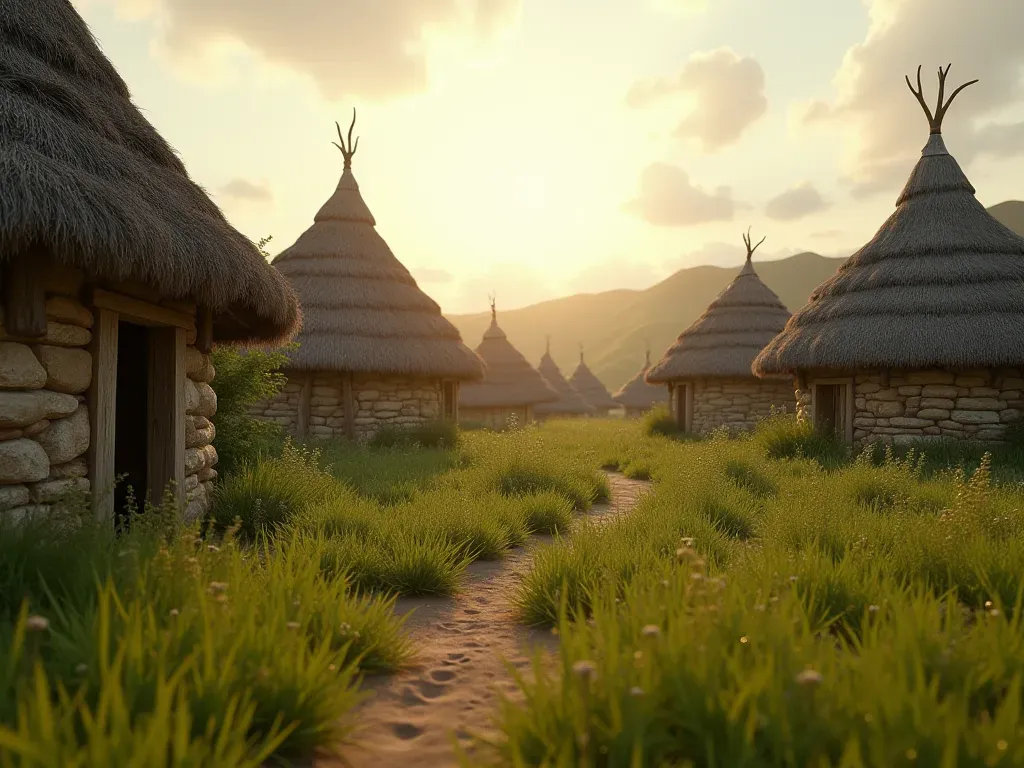
We got the origin story of agriculture completely wrong
For over a century, textbooks told us a tidy story: humans deliberately picked the biggest grains and, through trial and error, turned wild plants into domesticated crops. We imagined a conscious, step-by-step process that eventually gave us the first farms.
But a new study just flipped that narrative on its head. The first big jump in grain size, it turns out, may have been an accident — one driven not by human choice, but by the weather.
That's a serious claim. If it holds, it challenges the very foundations of how we view human ingenuity and forces a rethink of the timeline between wild plants and managed crops.
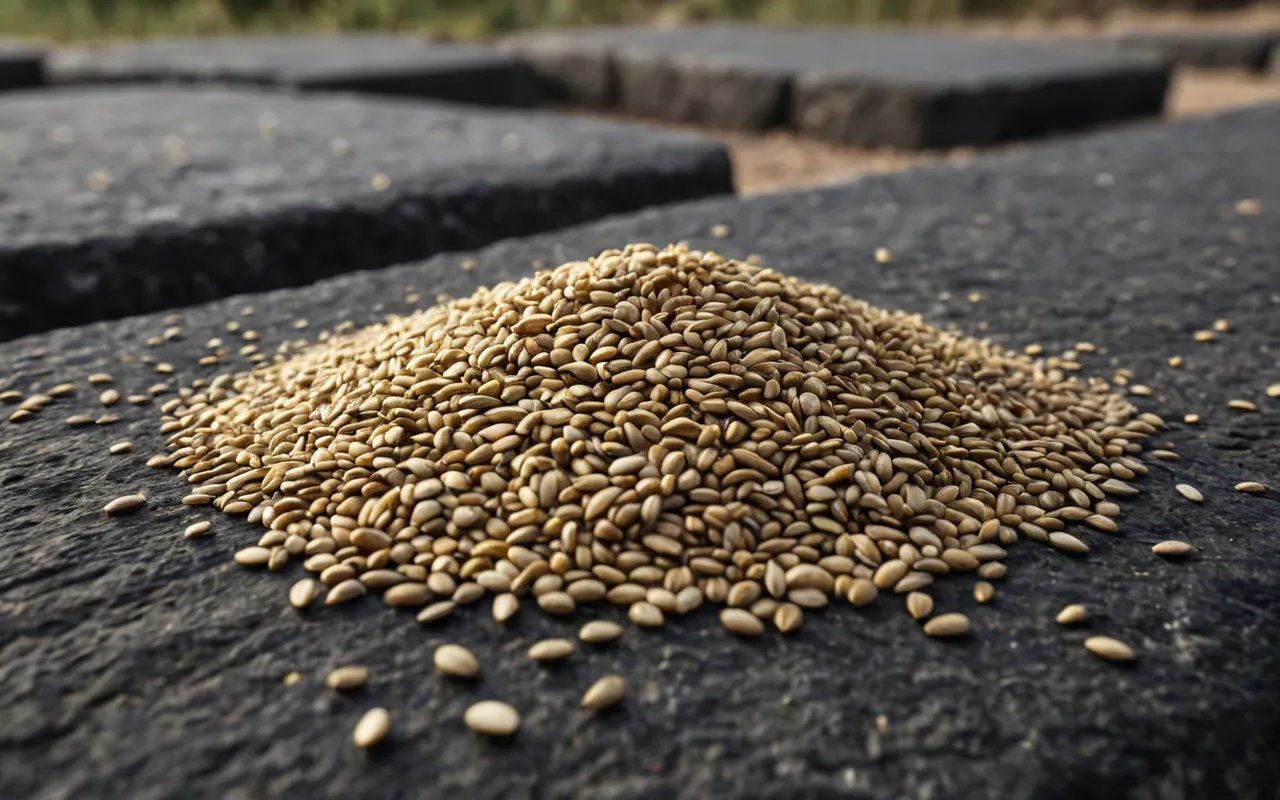
The surprising science behind larger Neolithic grains
Researchers from Oxford and Kiel University took a close look at charred barley and emmer wheat remains. Their sites were in the Wadi el-Hasa region, and they dated back eleven thousand years.
The team used stable carbon isotope analysis to measure water stress. This technique reveals how much moisture plants had during that critical growth phase when seeds were forming.
The results were striking. Larger grains carried isotopic signatures of wetter conditions. Smaller, wild-sized grains pointed to much drier growing environments.
So the plants simply grew bigger because they had more water. It was a plastic response to the environment — not a genetic mutation that humans carefully selected for.
Why this changes the timeline of domestication
We usually assume genetic selection for large grains came first, with the non-shattering trait arriving later. This study suggests that sequence might be reversed — or at least significantly delayed.
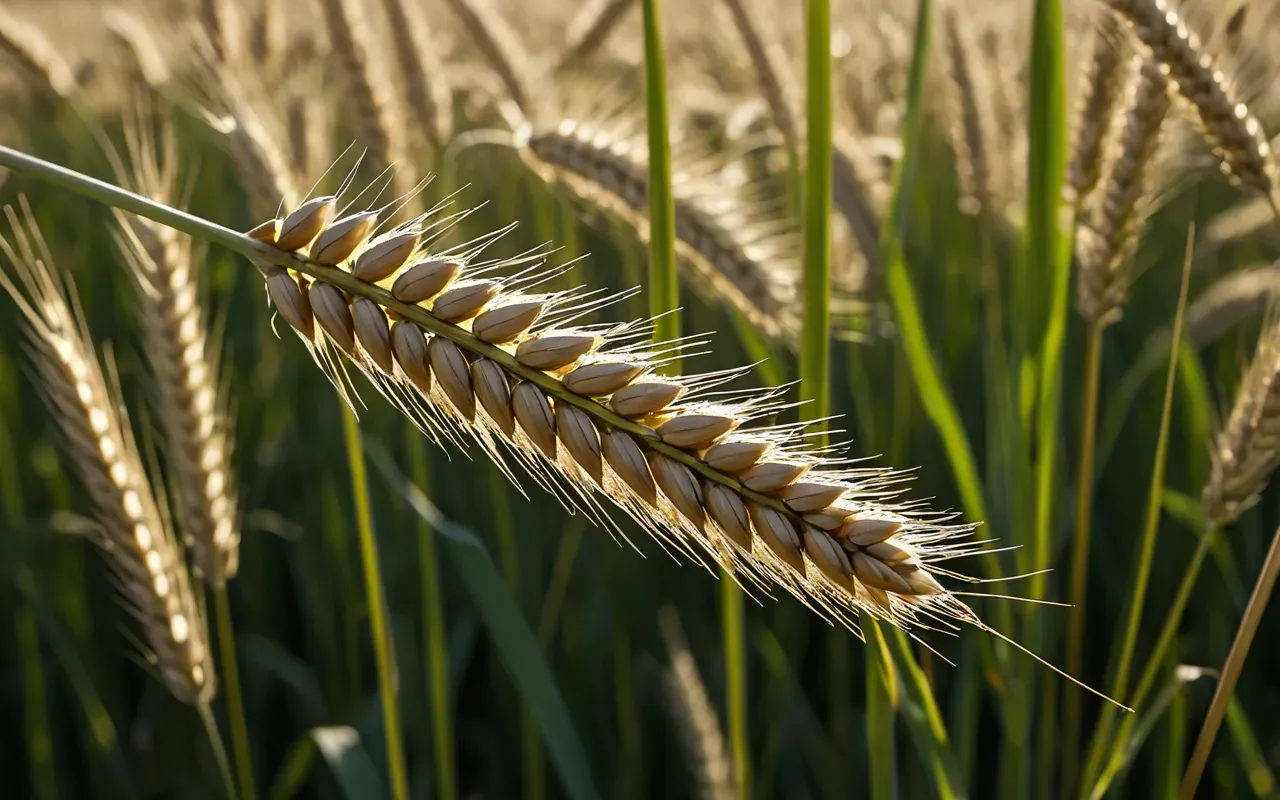
The non-shattering rachis is the feature that keeps seeds on the ear. It makes harvesting easier for humans, but it's terrible for wild dispersal.
If water availability drove the initial size increase, then true genetic selection may have started much later. That shifts the entire window of human intervention in plant evolution.
What this means for our understanding of early societies
The finding aligns nicely with the idea that early plant management was part of niche construction. Hunter-gatherers were gradually modifying their environment — not launching a deliberate agricultural revolution.
It suggests the transition to farming was slow and variable. Different groups, at different times, made different choices based on local conditions.
Honestly, this perspective fits well with other recent discoveries in Neolithic studies. We're seeing a far more complex, less linear picture of how civilization began.
If you're curious about how these early innovations shaped culture, check out the Neolithic Age tech boom and its broader implications.
The role of environmental variability in crop evolution
Climate fluctuations were a major driver during the Early Holocene. Rainfall patterns shifted dramatically over short periods.
Plants with high plasticity could adapt quickly to those shifts. And that advantage might have helped them survive in human-managed landscapes.
This highlights how important it is to consider environmental factors in archaeological interpretations. We can't just ignore the role of weather and soil conditions.

How this discovery fits into the bigger picture of Neolithic culture
The Taş Tepeler project in Turkey offers similar insights into early settlements. It shows how communities adapted to their surroundings and developed new technologies.
These findings remind us that human history isn't a simple story of progress. It's a complex web of interactions between people and their environment.
The ability to read these subtle signals in the archaeological record is a testament to modern scientific methods. We're uncovering details that stayed invisible for decades.
This research adds another layer to our understanding of Neolithic life. Even the most basic acts of farming were influenced by forces beyond human control.
What we can learn from these ancient plant responses
And here's the thing: modern agriculture still deals with similar issues. Climate change is causing unpredictable rainfall patterns and temperature swings.
Understanding how plants respond to environmental stress can help us develop more resilient crops. We might look back at these ancient adaptations for solutions.
That connection between past and present is fascinating. The challenges of farming aren't new — they've just evolved over millennia.
By studying these early examples of plasticity, we gain insights into the potential of plants to adapt. That knowledge could be genuinely valuable in our own agricultural efforts.
The ongoing debate about the origins of agriculture
This study adds fuel to an existing academic conversation. Some researchers still argue for a more deliberate, intentional process of domestication.
But the evidence for environmental plasticity is strong. It provides a plausible alternative explanation that fits well with other data.
That debate is healthy for the field. It drives new research and encourages a more nuanced understanding of how agriculture began.
As we continue to dig and analyze, we may find even more surprising connections. The story of agriculture is far from over.
Why this matters for cultural heritage and education
Projects like Taş Tepeler use these findings to create educational tools. They make the Neolithic era accessible and exciting for a wider audience.
By showing that early farming wasn't a simple invention but a complex process of adaptation, we challenge common misconceptions.
This approach helps people appreciate the ingenuity of our ancestors. They were navigating a changing world with limited tools and knowledge.
It also highlights the importance of preserving these sites. They're not just ruins — they're windows into a fundamental shift in human history.
Looking ahead to future research on early agriculture
Scientists are now looking at other regions and time periods. They want to see if similar patterns of plasticity exist elsewhere.
New analytical techniques will allow for even more detailed studies. We may be able to reconstruct the exact environmental conditions of ancient fields.
This research will continue to refine our understanding. It shows that the past isn't a fixed story but an evolving narrative.
For now, we can be grateful for the insights this study provides. It reminds us that nature often plays a larger role than we assume.
Conclusion on the impact of this Neolithic discovery
The idea that rainfall drove early grain size increase is a significant shift in thinking. It moves the focus from human intention to environmental response.
That doesn't diminish the ingenuity of early humans. It simply adds another layer to a complex and fascinating story.
As we continue to explore the Neolithic era, we should remain open to new interpretations. The past has more surprises than we can imagine.
This discovery is a reminder that our understanding of history is always provisional. New evidence can change everything we thought we knew.