The University That Teaches You To Dig In Scotland Before You Even Start
The Excavation You Never Knew Was Included in Your Tuition Fee
Most people hear "archaeology" and picture a dusty classroom. Books about pottery shards. Essays on ancient trade routes. Fair enough — that's the stereotype. But there's a layer to this discipline that most applicants don't find out about until they're already standing in the mud with a trowel in their hand.
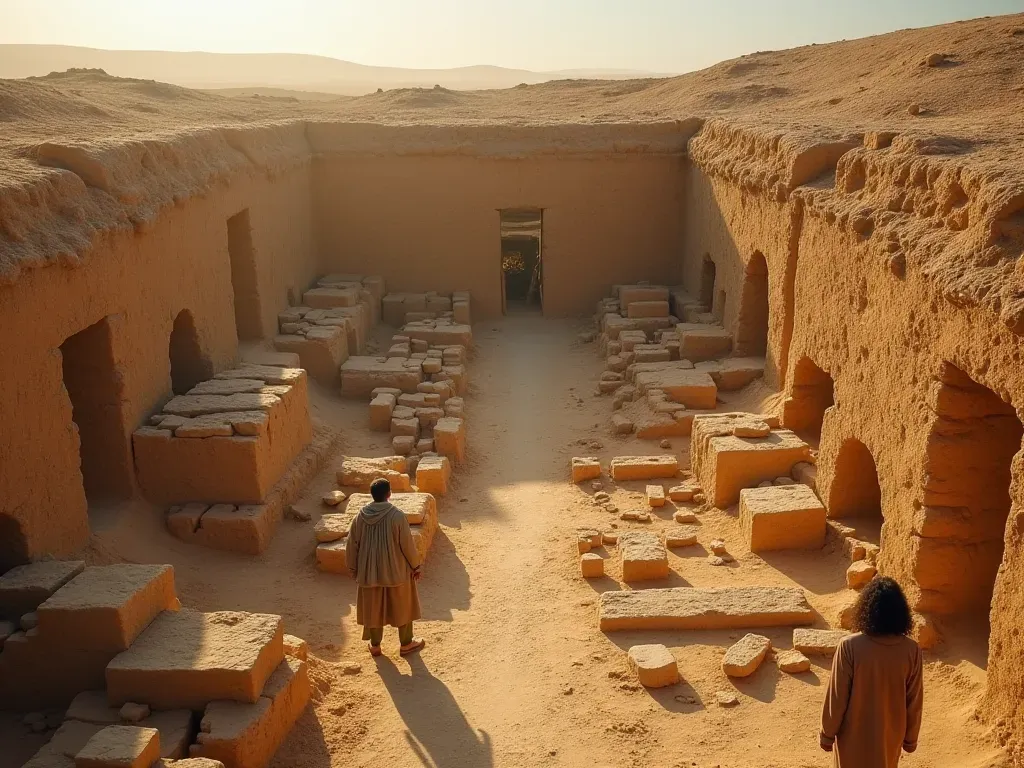
At the University of Manchester, you don't just study the past. You physically touch it. From your very first year, subsidized fieldwork is baked into the degree structure. Not an optional extra. Not an expensive add-on. Core curriculum.
You'll spend at least four weeks digging across your first two years. The locations are specific: Herefordshire, Yorkshire, and Scotland. And they're not random. Each site sits in a different geological and historical context, which forces you to keep adapting your skills.
I've watched students struggle with the jump from theory to practice. Here, that gap gets closed before it can even open. Labs first — real artifacts, portable XRF equipment. Then you go outside.
Why This Changes Your Career Prospects Immediately
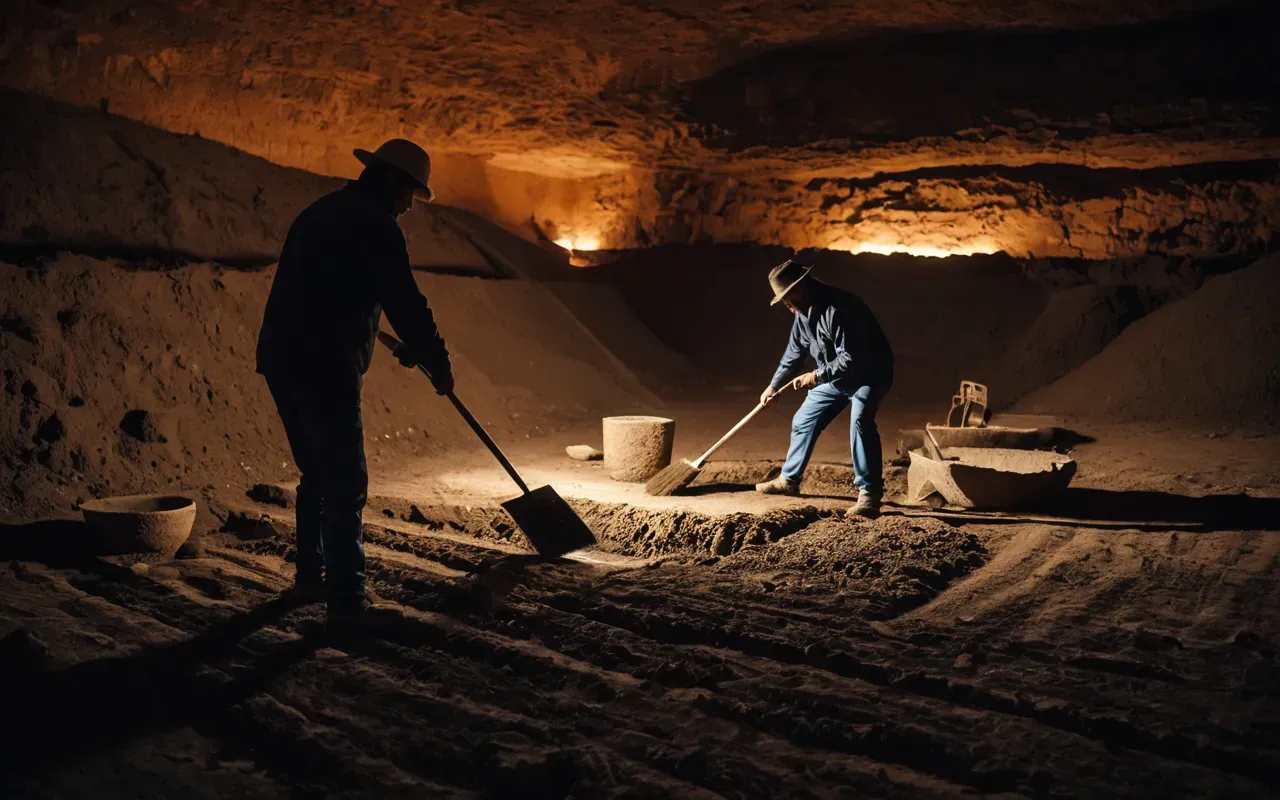
Employers in heritage management rarely hire someone who's never held a brush. And Manchester happens to be the second most targeted university by top graduate employers, according to High Fliers Research. That's not luck.
Walk into an interview at a firm like the BBC or Google and you're not just talking theory. You're describing how you used GIS software to map a site in Yorkshire. Concrete experience beats abstract knowledge every time.
The placement year option in your third year adds another layer. You can work for a semester or a full academic year with an external organization. It bridges university and industry — and you keep your student status while you do it.
The Neolithic Angle That Connects Ancient Innovation to Modern Skills
One of the most fascinating parts of this course is its focus on the Neolithic era. This period saw the advent of agriculture and early settlements. It reshaped human society more than any other event in history.
Students can specialize in the archaeology of ritual and urbanism. You might study how early cities formed in the Near East, or how social complexity emerged out of farming communities. These aren't just historical curiosities.
They offer direct lessons for modern society. Climate change, resource management, cultural conflict — all issues we face today. By understanding how Neolithic people adapted to environmental shifts, you gain a perspective that pure economics or politics classes simply cannot provide.

How the Taş Tepeler Project Mirrors This Academic Approach
If you're interested in how ancient technology actually worked, look at the work being done by projects like Taş Tepeler. They focus on Neolithic culture and archaeological findings that challenge our assumptions about primitive society.
This project highlights the role of Neolithic innovations in shaping early societies. It explores how ancient tools and artifacts influenced modern cultural heritage. The connection to academic study is strong.
For enthusiasts and scholars, it provides an engaging blend of historical information and educational resources. It even includes innovative toys and games inspired by Neolithic themes. This makes the ancient period accessible for a wide audience.
The University of Manchester course offers the rigorous academic framework. The Taş Tepeler project provides the public engagement and cultural context. Together, they paint a complete picture of why this period matters today.
The Real Cost and What You Actually Get for Your Money
Let's talk numbers. For the 2026/27 academic year, home students pay £9,790 in tuition fees. International students face a higher figure of £27,800 per year. These are significant investments.
But what's included? You get access to dedicated archaeological laboratories. These labs house drones, a 3D printer, and portable XRF equipment. This technology is used for analyzing and recording objects with precision.
You also get exclusive access to the archives of Manchester Museum. This is one of the finest Egyptology collections in Britain. You will handle rare artifacts and work with curators on major exhibitions.
The fieldwork is subsidized. This means you don't have to pay for your own excavation trips in Herefordshire or Scotland. That saves thousands of pounds that would otherwise go toward travel and accommodation.
Scholarships That Make It More Affordable Than You Think
Student finance can feel complicated. But there are options. The University offers Global Futures Scholarships for international students starting in September 2026. These can significantly reduce your out-of-pocket costs.
For UK students, standard funding routes apply. But the contextual offer is worth noting. If you come from a background of disadvantage or care experience, the entry requirements are adjusted to BBC.
This makes the degree more accessible. It recognizes that academic potential isn't always reflected in standard grades. If you fit this profile, apply early and explain your situation clearly.
Who Wins and Who Loses When You Choose This Path
The winners are clear. Students who want hands-on experience without breaking the bank come out ahead. They gain skills in GIS, digital illustration, and geophysics that are directly applicable to modern jobs.
Graduates have gone on to work at the BBC, Google, and UK Government departments. These are not typical archaeology jobs. They prove that the analytical skills you develop here transfer across industries.
The losers? Those who expect a purely theoretical education. If you want to sit in lecture halls all day and write essays without ever touching dirt or stone, this might not be for you.
But if you want to understand how human societies evolved from Neolithic villages to modern cities, this is the place. It connects the past to the present in a way that few other degrees can.
The Hidden Connection to Ancient Technology and Modern Engineering
There is a fascinating thread that runs through this course. It connects to broader questions about how ancient people solved engineering problems without modern tools.
Consider the Neolithic era. It was not just about farming. It was a tech boom. People developed sophisticated tools and building techniques that still impress engineers today.
If you are curious about Neolithic era technology that outperformed modern engineering standards, this academic framework gives you the context to understand why it matters.
The course teaches you to analyze artifacts scientifically. You learn to use portable XRF and other instruments to determine composition. This is the same kind of analytical thinking that drives modern material science.

Final Thoughts on Why This Degree Stands Out in a Crowded Field
The University of Manchester offers something rare. A top ten university for Arts and Humanities that insists on practical fieldwork from the start.
It is not just about studying Egypt or Greece. It is about understanding the human story from prehistoric times to modern globalization. And it does so by making you part of that story through hands-on experience.
If you are ready to dig into the past both literally and intellectually, this might be your best bet. The combination of academic rigor and practical skill is hard to find elsewhere.
Apply through UCAS with course code V400 and institution code M20. Make sure your personal statement shows why this specific approach interests you.