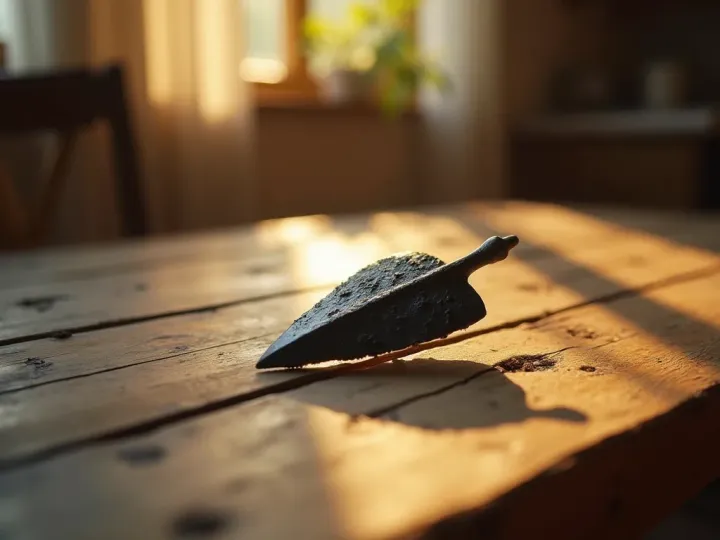
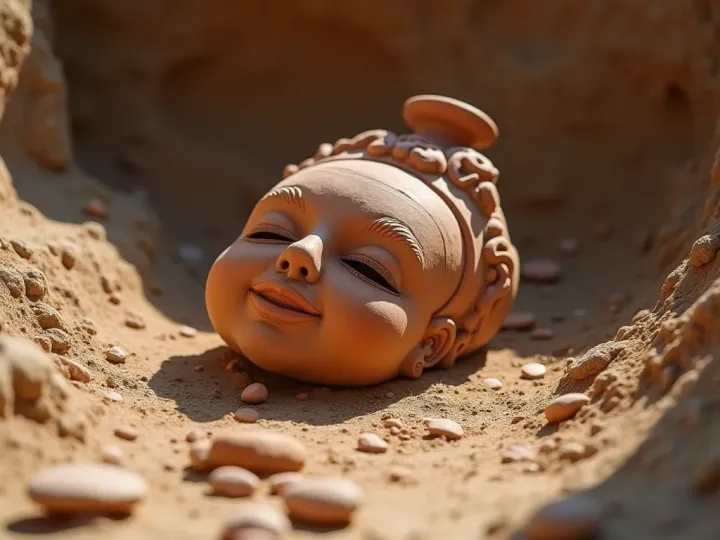
Unearthing Humanity's Origins Through the Taş Tepeler Educational Resources
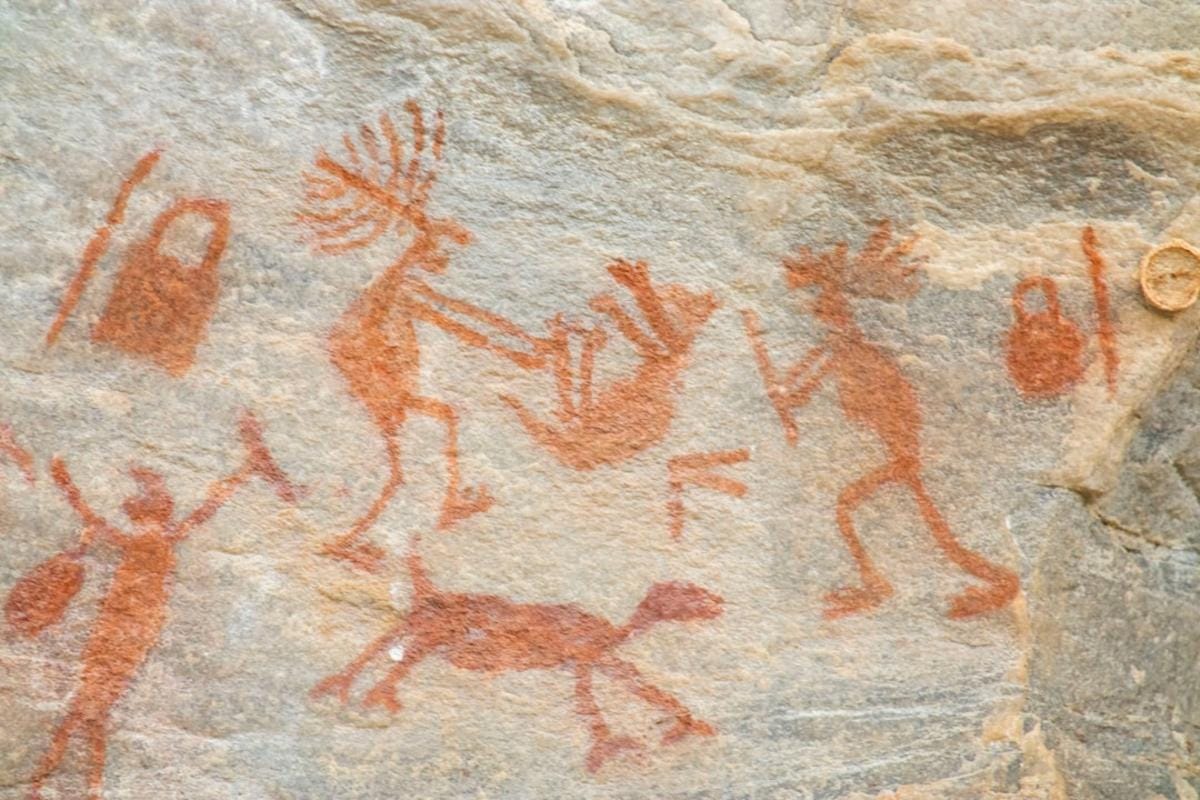
The Importance of Understanding the Neolithic Era in Cultural Education
The Neolithic era, also known as the New Stone Age, marks a pivotal period in human history characterized by profound technological and societal advancements. This period, roughly dating from 10,000 to 4,500 BCE, witnessed the advent of agriculture, domestication of animals, and the establishment of settled communities. Understanding this era is essential for grasping the roots of modern civilization, as it laid the foundation for complex societal structures and technological innovations. The Taş Tepeler project, dedicated to exploring these formative years, plays a critical role in educational initiatives by providing valuable resources that highlight archaeological findings, early tools, and artifacts. Such resources enable scholars, students, and enthusiasts to connect deeply with humanity’s earliest steps towards societal development, making the past accessible and engaging. In light of this, the project emphasizes the importance of integrating archaeological insights into cultural education to cultivate a comprehensive understanding of human progress from primitive society to modern civilization.
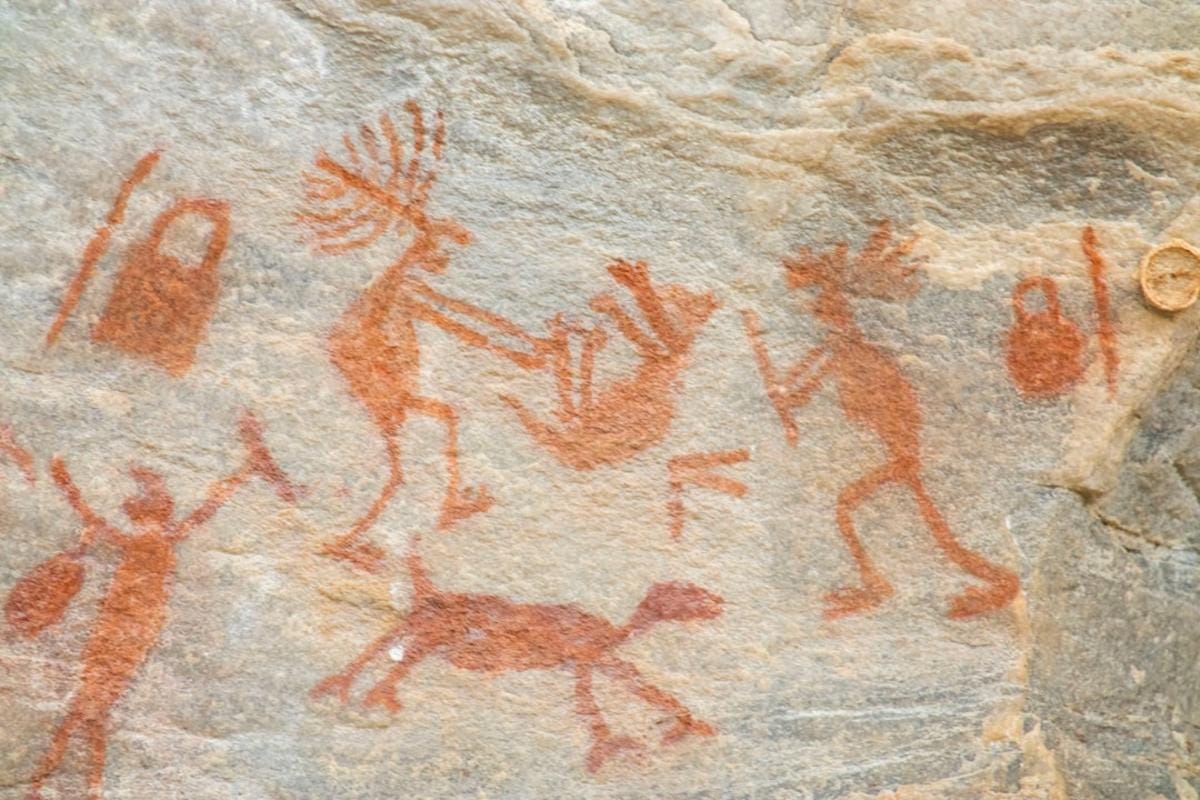
Archaeology provides a window into the distant past, revealing the innovations and daily lives of Neolithic peoples through excavations and artifacts. The Taş Tepeler project has uncovered remarkable findings, including polished stone tools, pottery fragments, and early architectural remains that offer insights into the ingenuity of early societies. These discoveries, showcased through curated exhibits and educational programs, serve as vital educational resources that foster curiosity and understanding among learners. They highlight how early humans adapted to diverse environments, developed new technologies to improve food supply, and formed social bonds that laid the groundwork for future civilizations. By emphasizing archaeological findings, the project helps bridge the gap between ancient history and modern-day education, inspiring new generations to appreciate the ingenuity of our ancestors and their contributions to cultural heritage.
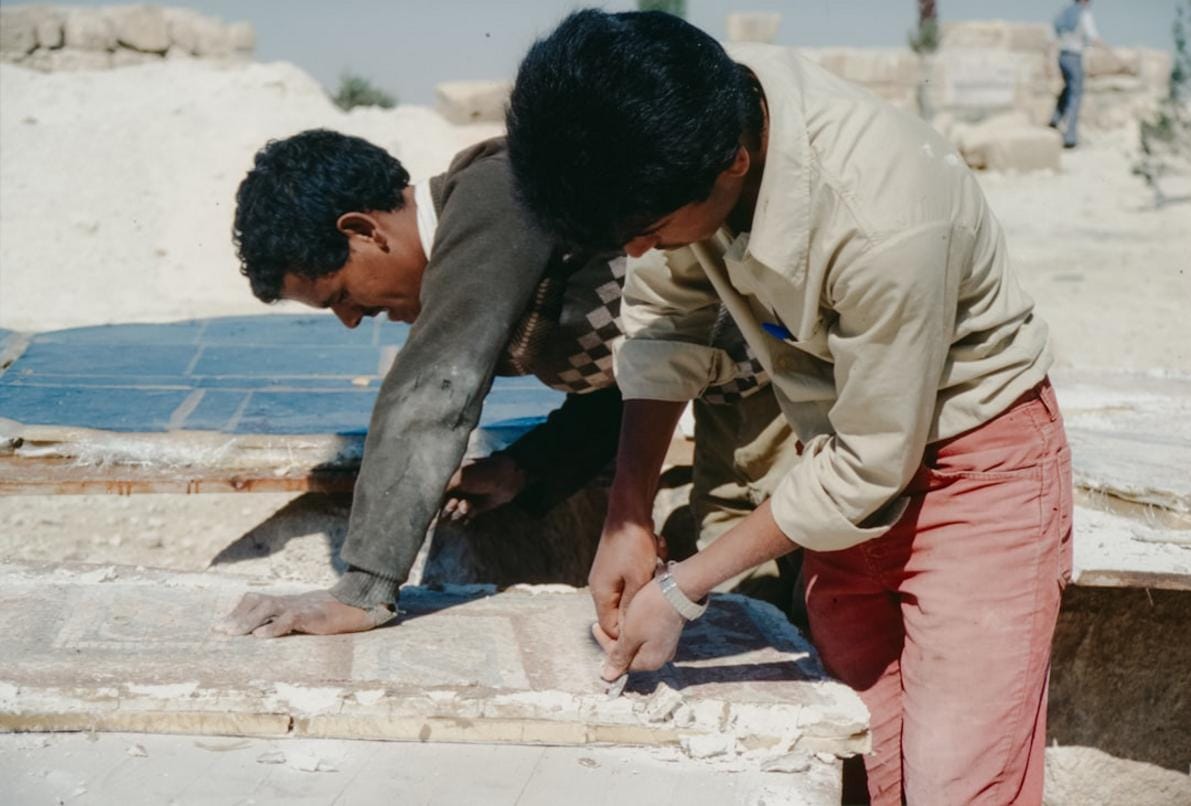
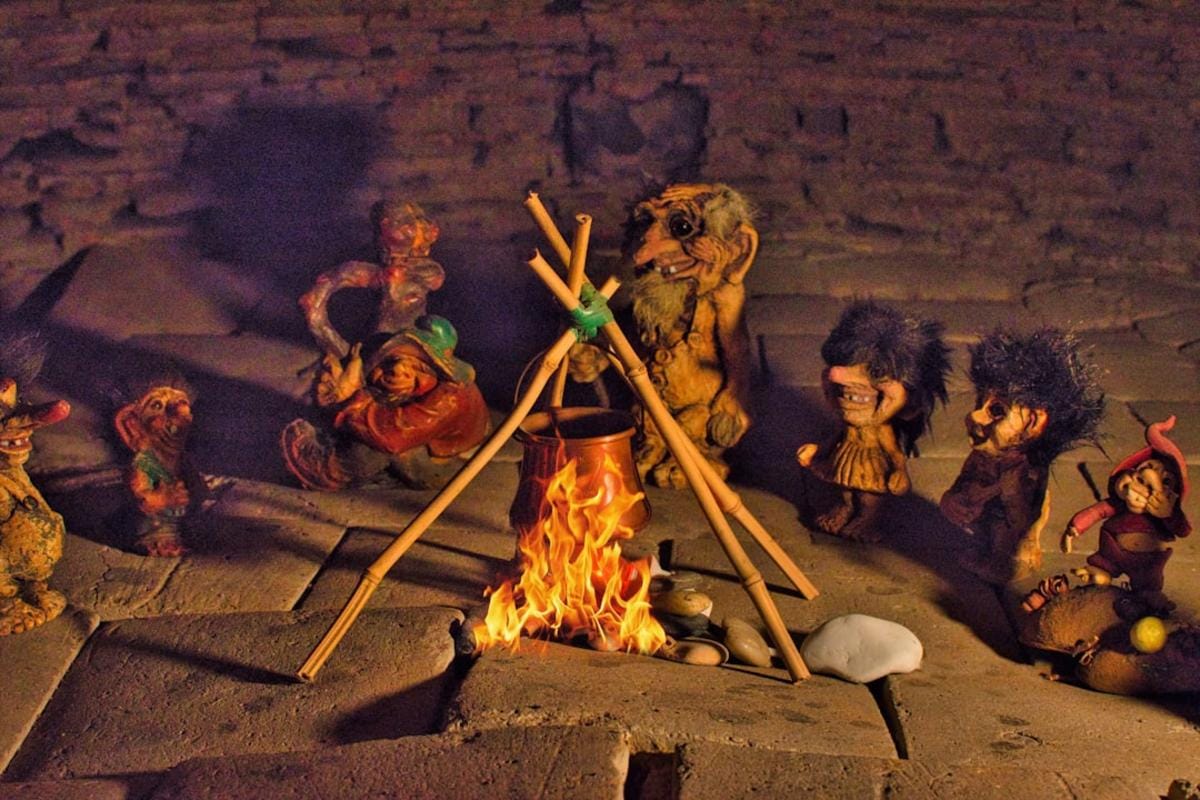
The Taş Tepeler project extends beyond traditional archaeological displays by incorporating innovative educational resources such as interactive digital archives, detailed maps, and virtual reality experiences that bring Neolithic life to a wider audience. These tools are especially valuable for educators seeking dynamic ways to teach prehistoric history, making the ancient world both engaging and comprehensible. Additionally, the project offers a selection of educational toys, games, and literature inspired by Neolithic themes, encouraging hands-on learning and curiosity about early human ingenuity. For collectors and cultural enthusiasts, there are also curated gift options featuring replicas of ancient tools and artwork, providing tangible connections to the past. By blending modern technology with historical content, the Taş Tepeler project helps foster an appreciation of Turkey’s deep cultural heritage and the enduring importance of early technological innovations.
Understanding Neolithic innovations is crucial to comprehending the origins of many technologies that underpin contemporary life. From pottery and weaving to farming techniques and tool manufacturing, the innovations of the early Neolithic set the stage for societal complexity. The Taş Tepeler project emphasizes the importance of these innovations by highlighting their influence on modern cultural heritage and technological development. It underscores how early humans’ resourcefulness shaped societies and continues to inspire modern technological advances. Connecting the past with the present, the project demonstrates that understanding early developments enhances appreciation for ongoing innovations in science, agriculture, and technology. As a cultural resource, it invites the public to celebrate human ingenuity and recognize the importance of preserving our shared history for future generations.