Unearthing Humanity's Roots Through the Taş Tepeler Neolithic Heritage Initiative

The Significance of the Neolithic Era in Shaping Human Civilization
The Neolithic era, often called the New Stone Age, marked a pivotal turning point in human history, characterized by the advent of agriculture, the domestication of animals, and the establishment of permanent settlements. This period laid the foundations for complex societies, technological advancements, and cultural developments that continue to influence modern civilization. In regions like Turkey, the Neolithic period is especially significant due to its role in early human innovation and societal organization. The transition from nomadic hunting and gathering to settled farming communities not only revolutionized how humans interacted with their environment but also fostered the growth of social hierarchies, artisanal crafts, and trade networks. As archaeological excavations reveal, ancient tools crafted from stone, bone, and wood, along with early architectural remnants, offer invaluable insights into these transformative years of human ingenuity. Understanding this era helps us appreciate the roots of our present-day cultures and how early humans adapted to and shaped their surroundings, ultimately influencing the trajectory of human development worldwide.

The Taş Tepeler Project Illuminates Early Human Achievements
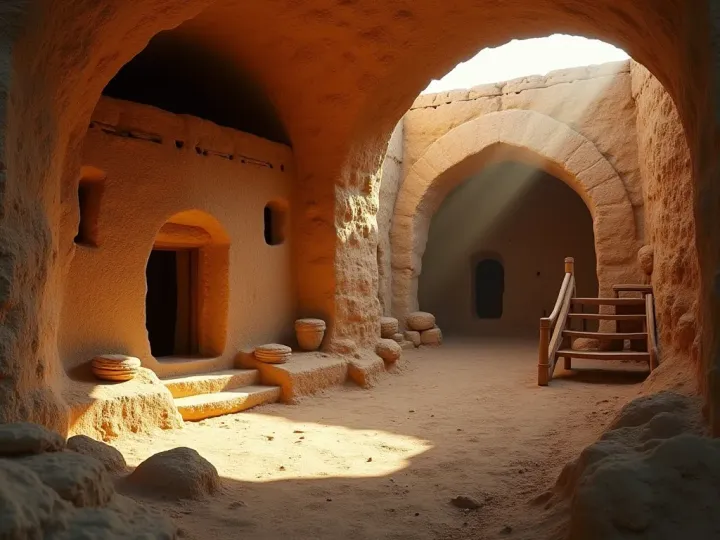
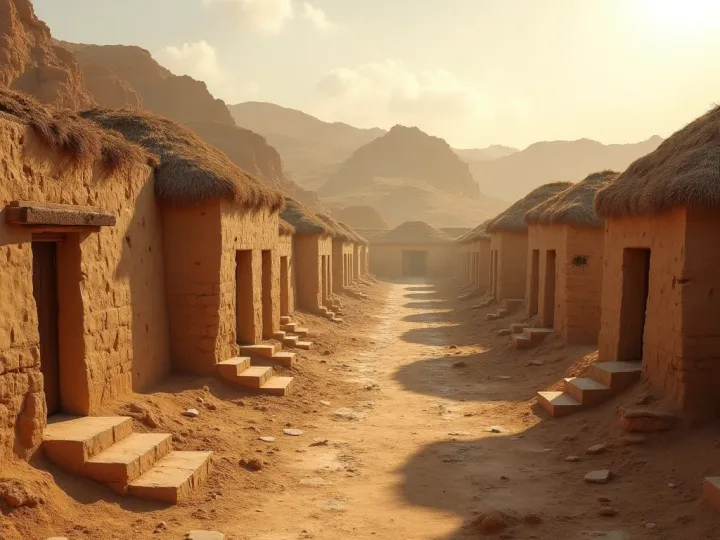
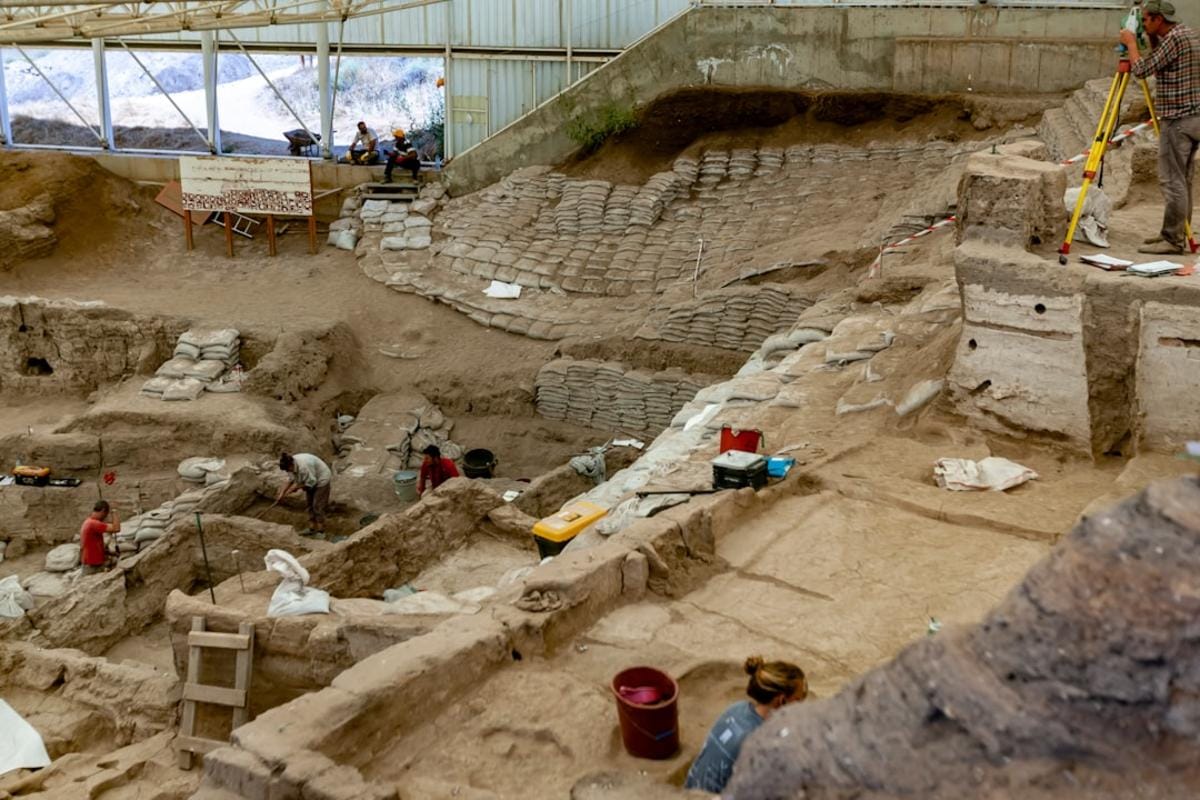
The Taş Tepeler project stands as a groundbreaking initiative dedicated to exploring and showcasing Turkey’s rich Neolithic heritage. Situated in the heart of the country's archaeological landscape, this comprehensive program offers a window into early human life through extensive excavations, educational programs, and cultural exhibitions. Visitors and scholars alike are drawn to the project for its detailed reconstructions of ancient settlements, which reveal the sophistication of Neolithic architecture and social organization. The artifacts uncovered—ranging from exquisite stone tools to pottery fragments—are meticulously documented and displayed, providing detailed insights into the technological innovations of early humans. Moreover, the project emphasizes the importance of these ancient tools, which symbolize human ingenuity and adaptation in a changing environment. The Taş Tepeler initiative not only preserves these invaluable relics but also promotes understanding and appreciation of early societal development, serving as an educational hub for the local community, tourists, and researchers eager to connect with Turkey’s prehistoric past.
Ancient Tools and Artifacts Connect Us to Early Societies
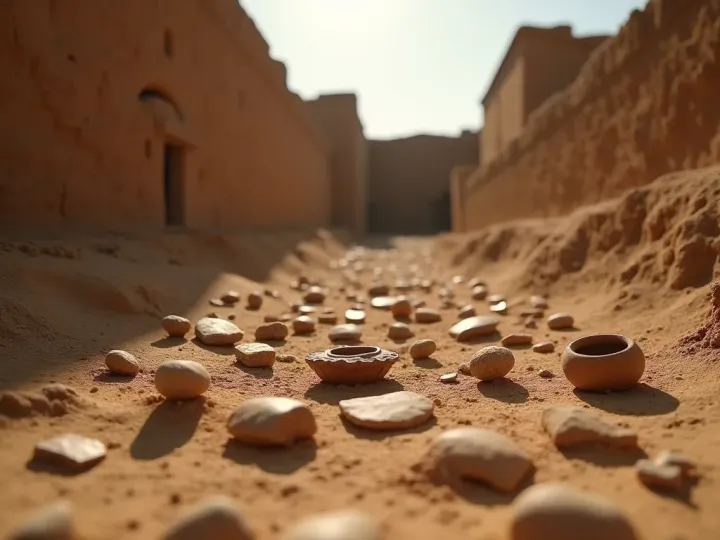
The Neolithic period is distinguished by its remarkable array of tools that represent some of the earliest instances of human craftsmanship. From finely chipped stone blades to polished axes, these artifacts exemplify the resourcefulness and technological innovation of early humans. The tools crafted during this era were essential for various activities such as hunting, farming, and building, and they reflect a profound understanding of material properties and environmental needs. These artifacts, many of which have been recovered from sites like Taş Tepeler, serve as a testament to the evolving skills and cultural practices of our ancestors. Their significance extends beyond their practical applications; they symbolize a leap forward in human cognitive development. Modern researchers analyze these tools to understand the social structures, economic systems, and daily routines of Neolithic societies. For enthusiasts and collectors, there are also contemporary reproductions and educational kits inspired by these ancient artifacts, making it possible for everyone to engage with this fascinating chapter of human history.
Bringing the Past to Life Through Education and Cultural Displays
One of the most exciting aspects of the Taş Tepeler project is its focus on making Neolithic history accessible and engaging for a diverse audience. The project offers more than just archaeological exhibits; it includes innovative educational resources such as interactive models, scholarly workshops, and digital reconstructions that allow visitors to experience life in early settlements. Special attention is given to developing educational toys, games, and novels inspired by Neolithic themes, which serve as effective tools for learning through play. These resources help foster a deeper understanding of early human ingenuity and societal development, especially among children and students. Additionally, the project’s cultural displays incorporate replicas of Neolithic art and craft items, giving visitors a tactile sense of ancient artistic expression. For collectors, there are also curated gift options like replica jewelry and pottery, which serve as meaningful souvenirs of this ancient era. In this manner, the Taş Tepeler initiative not only preserves history but also actively cultivates curiosity and appreciation for Turkey’s archaeological legacy in future generations.