Unearthing the Past Through Educational Resources and the Taş Tepeler Project
Connecting Modern Education with Ancient History through the Taş Tepeler Project
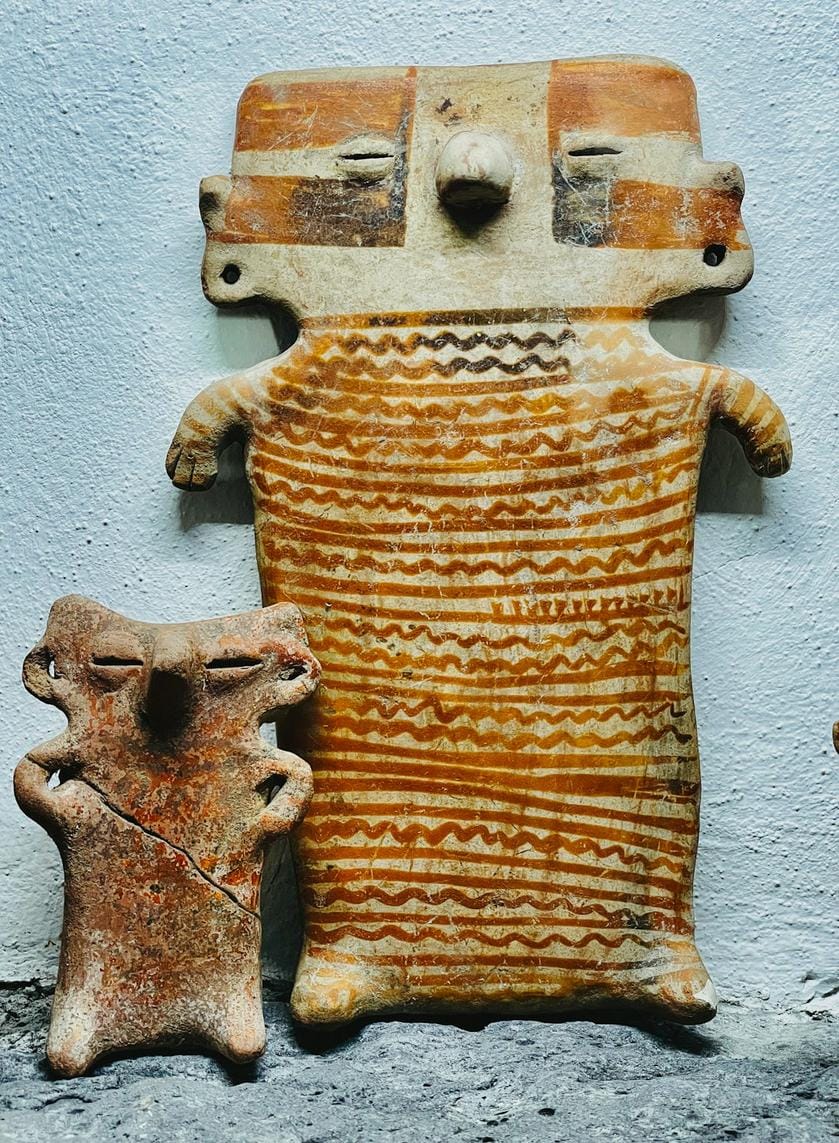
The Taş Tepeler project stands as a pioneering initiative that bridges the gap between modern educational methods and the captivating history of the Neolithic era in Turkey. Through detailed archaeological findings, interactive displays, and comprehensive resources, it offers learners an immersive experience into the dawn of human civilization. As educational resources continue to evolve, integrating ancient history into school curricula and public programs fosters a deeper appreciation of our roots. This project exemplifies how museums, educational websites, and interactive guides can make ancient history accessible, engaging, and relevant to contemporary audiences. Especially in a country rich with archaeological heritage like Turkey, the initiative leverages local discoveries to tell compelling stories of early human ingenuity and societal development. It also provides educators with an array of teaching materials—from visual archives and digital interactives to physical replicas of tools—aimed at making the Neolithic period more tangible for students and enthusiasts alike.
The Significance of the Neolithic Era and the Role of The Taş Tepeler Project in Cultural Preservation
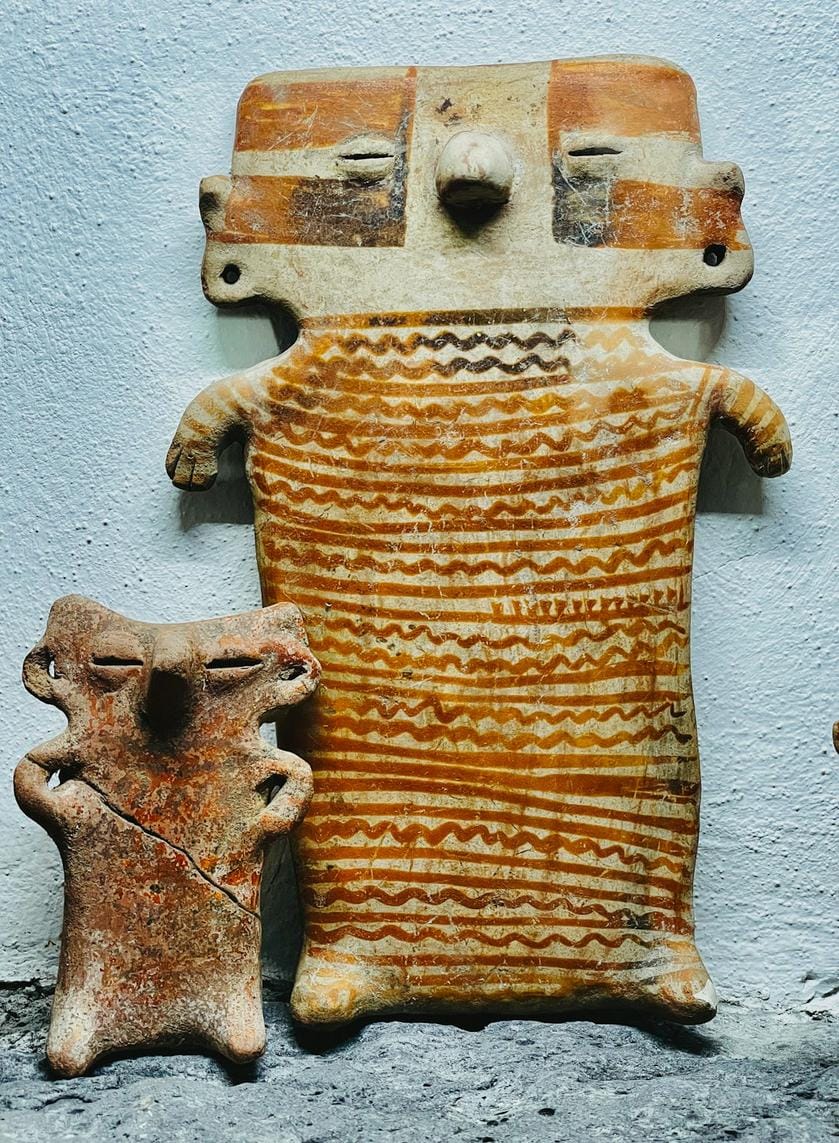
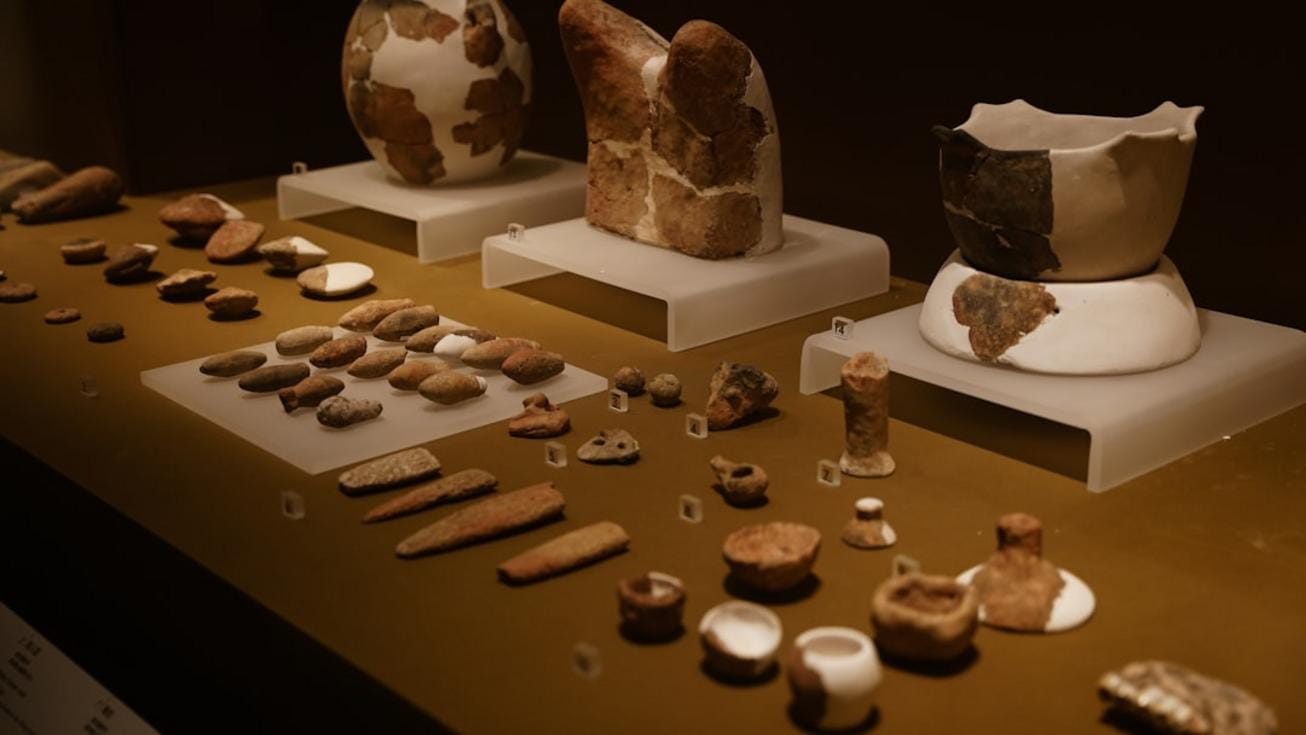
The Neolithic era marks a transformative period in human history, characterized by the advent of agriculture, permanent settlements, and innovative tools that laid the groundwork for future civilizations. Understanding this epoch is crucial for grasping the origins of societal structures, technological advancements, and cultural practices that shape our modern world. The Taş Tepeler project plays an essential role in this understanding by conserving and showcasing artifacts such as stone tools, pottery, and early domestication items. These findings not only reveal the ingenuity of early humans but also highlight their adaptability and social complexifications. Through educational programs, exhibitions, and interactive resources, the project ensures that these invaluable relics are preserved and interpreted for new generations. This effort helps foster a sense of cultural identity and continuity, emphasizing how ancient innovations influenced subsequent cultural and technological developments. It’s a reminder that the roots of many modern practices can be traced back thousands of years to this fascinating period of human ingenuity.
Innovative Educational Tools and Cultural Outreach Inspired by the Neolithic Period
To make the Neolithic period engaging and accessible, the Taş Tepeler project incorporates a variety of innovative educational tools. Among these are specially designed toys, which replicate ancient tools and artifacts, allowing children and learners to experience early craftsmanship firsthand. Additionally, the project offers interactive games that simulate Neolithic lifestyles, from resource management to community building, fostering both fun and knowledge. Beyond tangible activities, the project publishes novels and educational literature centered on Neolithic themes, providing deeper historical context and storytelling that captivates diverse audiences. These resources serve dual purposes: they educate while inspiring curiosity about prehistoric life. Furthermore, gift items like replicas of tools and authentic artwork enable enthusiasts and collectors to connect with history tangibly. This comprehensive approach to outreach not only enhances public understanding but also cultivates a broader appreciation for Turkey’s rich archaeological and archaeological heritage, ensuring these stories and discoveries remain alive in contemporary culture.