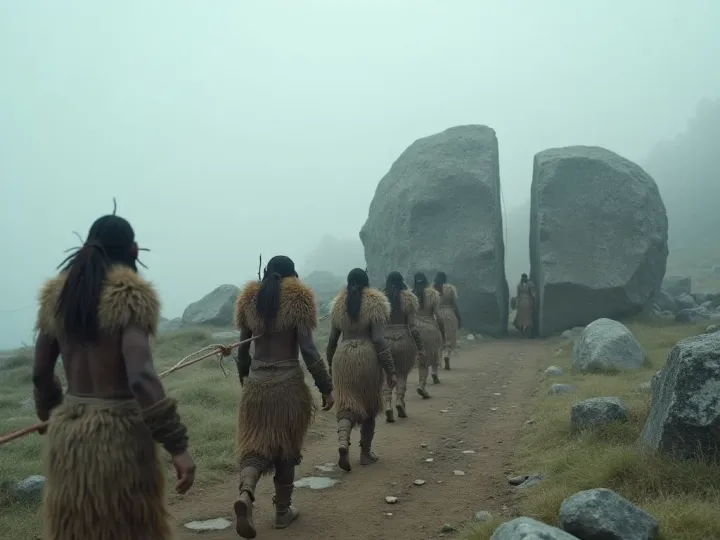
Unveiling Humanity's Early Roots Through Turkey's Neolithic Museum Projects
The Significance of Neolithic Culture in Modern Tourism and Museums
Tourism and museums serve as vital gateways into our ancient past, and in Turkey, the Neolithic era holds a special place in both archaeological research and cultural appreciation. The Neolithic period, known for the advent of agriculture and the emergence of settled communities, laid the foundational bricks of human civilization. Museums dedicated to this era, such as the notable Taş Tepeler project, offer an immersive experience that bridges centuries, allowing visitors to step back into the dawn of human ingenuity. These institutions do more than display artifacts; they contextualize early innovations like farming tools, pottery, and early dwellings, providing visitors a comprehensive understanding of how humans transitioned from nomadic groups to organized societies. The importance of Neolithic culture in contemporary tourism lies not only in its archaeological significance but also in its ability to foster educational engagement and cultural pride among local communities. Exhibits curated around this period serve as educational tools for scholars and visitors alike, offering insights into the socio-economic transformations that shaped our ancestors’ lives. Museums like the Taş Tepeler project exemplify this blend by curating archaeological findings alongside interactive exhibits, making the ancient world accessible and understandable, even for those without prior archaeological knowledge.
Taş Tepeler Project and the Educational Power of Neolithic Exhibitions
Among Turkey’s pioneering efforts to promote Neolithic heritage, the Taş Tepeler project stands out as a comprehensive initiative that combines archaeological research, educational outreach, and cultural tourism. This project offers a rare window into early human societies, emphasizing the groundbreaking innovations of the Neolithic era like polished stone tools, early farming implements, and the first forms of permanent settlements. Visitors to the Taş Tepeler sites find themselves immersed in a curated collection of artifacts, reconstructed early habitats, and multimedia presentations that vividly narrate the story of human development. Additionally, the project excels in engaging younger audiences through educational toys, interactive games, and even novels inspired by Neolithic themes, making history both fun and accessible. These innovative tools serve as excellent educational resources, helping children and adults alike appreciate the ingenuity of early humans in shaping their environment. The emphasis on experiential learning helps bridge the gap between scholarly research and public interest, fostering a deeper appreciation for Turkey’s rich prehistoric past and its role in the broader narrative of human civilization.

Bridging Ancient and Modern Cultures Through Artifacts and Cultural Displays
One of the most captivating aspects of Neolithic museums like those in Turkey is their ability to connect ancient craftsmanship with contemporary cultural expression. Artifacts such as polished stone tools, jewelry, and pottery uncovered from sites like Taş Tepeler reveal the artistic sensibilities and technological skills of early societies. These relics provide insight into Neolithic spiritual life, daily activities, and social structures. Beyond their archaeological significance, modern museums convert these objects into cultural symbols by displaying replica tools, offering workshops on ancient crafts, and hosting art exhibitions inspired by prehistoric motifs. Such initiatives foster a sense of cultural continuity, enabling visitors to appreciate how Neolithic innovations still resonate today. Gift shops often feature reproductions of Neolithic art, handcrafted jewelry, and educational materials, allowing enthusiasts to take a piece of ancient history home. Museums focusing on this era also serve as cultural hubs, encouraging artistic collaborations that interpret Neolithic themes through contemporary art, thus ensuring that the legacy of early human creativity continues to inspire new generations.