Unveiling Humanity's Origins Through Culture and the Neolithic Heritage of Turkey

The Importance of Cultural Heritage in Illuminating Human History
Cultural heritage encompasses the artifacts, traditions, and architectural marvels handed down through generations, serving as tangible links to our past. When it comes to understanding early human societies, especially during pivotal periods like the Neolithic era, cultural heritage offers invaluable insights. The Neolithic period, marked by the advent of agriculture and the establishment of permanent settlements, reshaped human civilization and laid the foundation for modern societies. Recognizing and preserving these ancient legacies not only fosters appreciation for our collective history but also helps us comprehend the societal transformations that led to contemporary life. Initiatives such as the Taş Tepeler project emphasize the importance of safeguarding and interpreting these remnants, making them accessible for educational and cultural enrichment. As we explore these ancient relics, we gain a deeper understanding of early human ingenuity, societal structures, and the evolution of cultural expressions that continue to influence us today.

The Neolithic Era in Turkey and Its Archaeological Significance
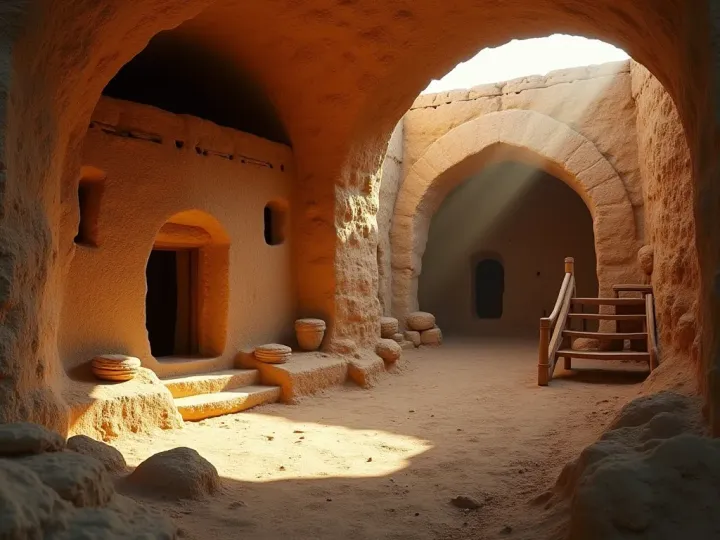
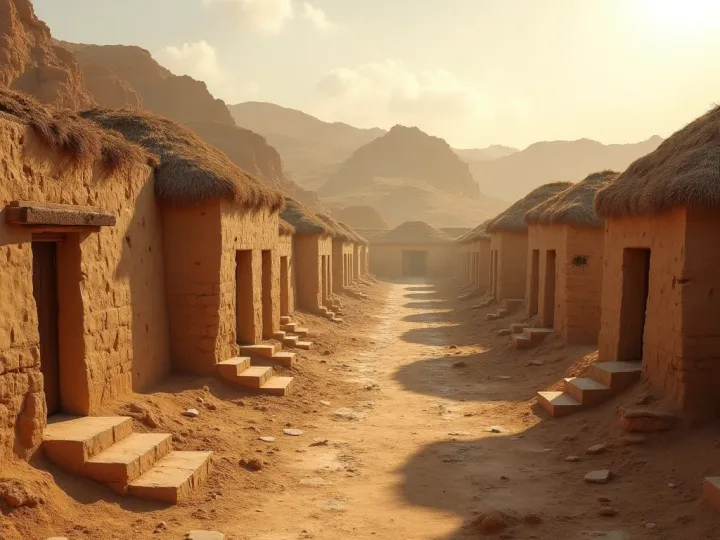
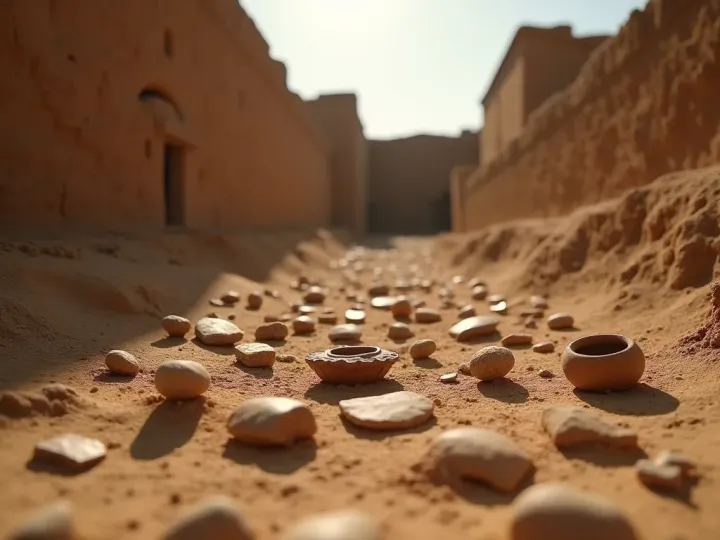
Turkey's rich prehistoric landscape is a treasure trove for archaeologists and history enthusiasts alike, particularly when it pertains to the Neolithic era. This period, spanning roughly from 9000 to 4500 BCE in Anatolia, is distinguished by the emergence of early farming communities, sophisticated tool-making, and social organization. Excavations at sites like Çatalhöyük and the recent discoveries at Taş Tepeler have unveiled complex societies that thrived millennia ago, showcasing advanced craftsmanship, ritual practices, and communal living. These archaeological findings are instrumental in understanding the cognitive and technological advancements of early humans, illuminating how they transitioned from nomadic hunter-gatherers to settled agricultural societies. Furthermore, the preservation and study of these sites offer valuable perspectives on cultural exchanges, adaptation to environmental changes, and the origins of domestication. As Turkey continues to unveil these ancient secrets, the importance of safeguarding these sites becomes ever more urgent to ensure that future generations can learn from and celebrate this remarkable chapter of human history.
The Taş Tepeler Project and Its Role in Cultural Education
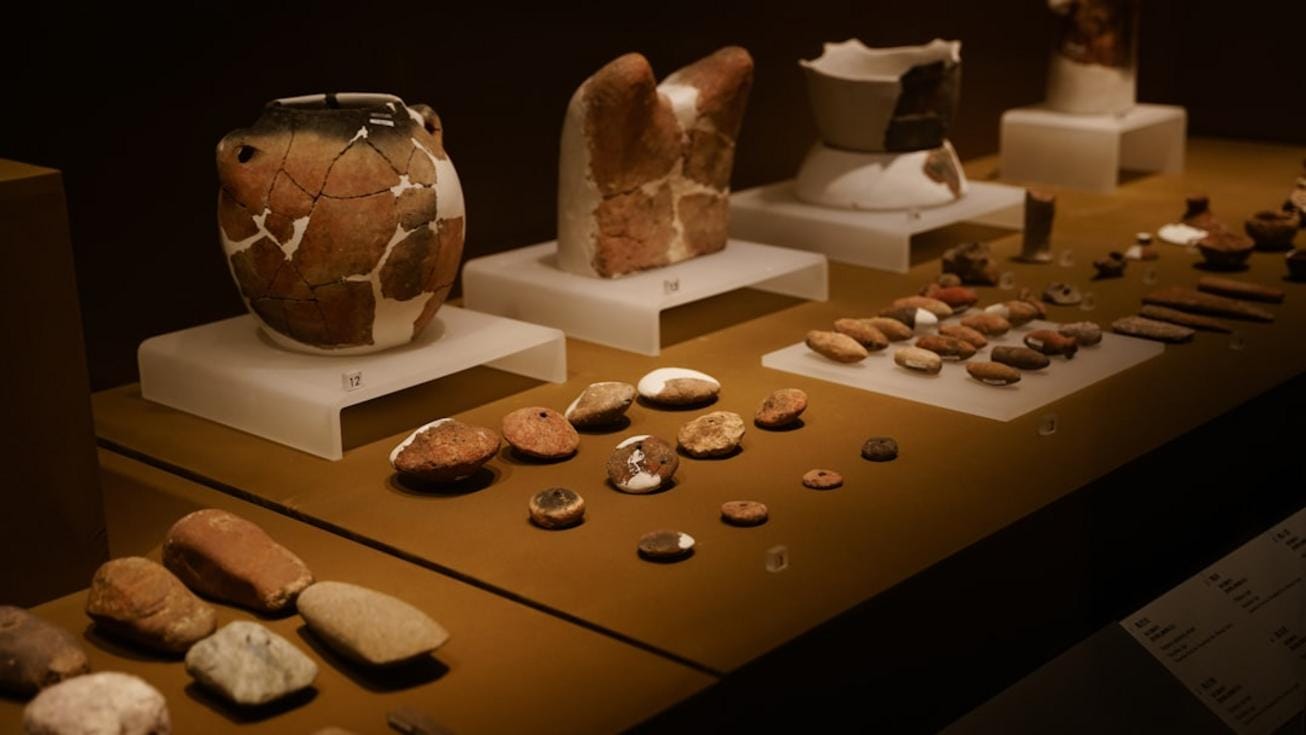
The Taş Tepeler project stands as a significant initiative aimed at exploring and disseminating knowledge about Turkey’s Neolithic heritage. Through comprehensive excavations, research, and community engagement, this project bridges academic scholarship with public education. It offers a wealth of resources, including detailed findings about ancient tools, dwellings, and the social practices of early Neolithic inhabitants. Visitors to the project sites are treated to interactive displays, reconstructed models, and multimedia presentations that bring these ancient societies to life. Moreover, the project goes beyond mere archaeology by integrating innovative educational tools such as themed toys, games, and novels inspired by Neolithic themes, making learning about this fascinating period both accessible and engaging for children and adults alike. For enthusiasts and scholars, the Taş Tepeler project also provides opportunities for in-depth research and networking within the archaeological community. Its role in fostering awareness about the importance of cultural preservation reflects a broader commitment to celebrating Turkey’s rich prehistoric past and ensuring that these cultural treasures continue to inspire future generations.

Connecting Ancient Innovations to Modern Cultural Heritage
The innovations of the Neolithic period—ranging from cultivation techniques to pottery, tool production, and social organization—have profoundly influenced the development of human culture. These early innovations laid the groundwork for societal complexity and technological progress, echoes of which persist in contemporary practices and cultural expressions. The Taş Tepeler project emphasizes these connections by showcasing how ancient tools and methods evolved into the sophisticated techniques used today. Exhibits often include replicas of Neolithic implements and comparisons with modern equivalents, highlighting the continuity of human ingenuity. Additionally, the project highlights how these ancient innovations resonate in today’s cultural landscape through artistic expressions, community traditions, and sustainable practices. Understanding these deep roots enriches our appreciation of cultural heritage, fostering a sense of continuity and respect for the resilience and creativity of early societies. In essence, reconnecting with Neolithic achievements offers a lens through which we can better understand the origins of many aspects of human life—work, art, community, and technology.