Unveiling the Neolithic Era Through Educational Resources and Cultural Exploration

The Significance of the Neolithic Era in Human History
The Neolithic era, often referred to as the New Stone Age, marks a pivotal moment in human history characterized by the advent of agriculture, the establishment of permanent settlements, and the development of early societal structures. This period, dating back approximately 10,000 years, laid the foundational bedrock for modern civilization. The transition from nomadic hunter-gatherer communities to settled farming societies not only transformed human lifestyles but also catalyzed technological innovations that continue to influence us today. Understanding this era is crucial for appreciating the roots of human cultural evolution, and it offers valuable insights into how early societies adapted to their environments through ingenuity and cooperation. The importance of learning about the Neolithic period extends beyond archaeology; it shapes our cultural identity, preserves historical narratives, and enriches our perspectives on ancient human resilience. For enthusiasts and scholars alike, exploring this era helps connect the threads of our shared history, revealing how early humans created the earliest forms of social organization, art, and tool-making, which have echoed through time into modern practices.

The Role of the Taş Tepeler Project in Educating About Early Human Culture
The Taş Tepeler project in Turkey stands out as a comprehensive initiative designed to promote awareness and understanding of the Neolithic period, specifically focusing on Turkey’s rich prehistoric heritage. This project offers an immersive educational experience through detailed archaeological findings, visual displays of ancient artifacts, and innovative learning tools that make the ancient world accessible to a broad audience. For scholars and casual learners, the project provides a valuable repository of resources that trace the evolution of early human societies, emphasizing the significance of early agricultural tools, pottery, and settlement patterns. The project also highlights archaeological discoveries from sites like Göbekli Tepe, which is often regarded as one of the earliest known religious structures, showcasing the spiritual and social dimensions of Neolithic culture. Through exhibits, educational workshops, and digital resources, the Taş Tepeler initiative aims to foster a deeper appreciation of how ancient innovations have shaped the cultural fabric of modern Turkey and beyond. Its inclusive approach ensures that the significance of early societies is communicated effectively, encouraging ongoing curiosity and research.
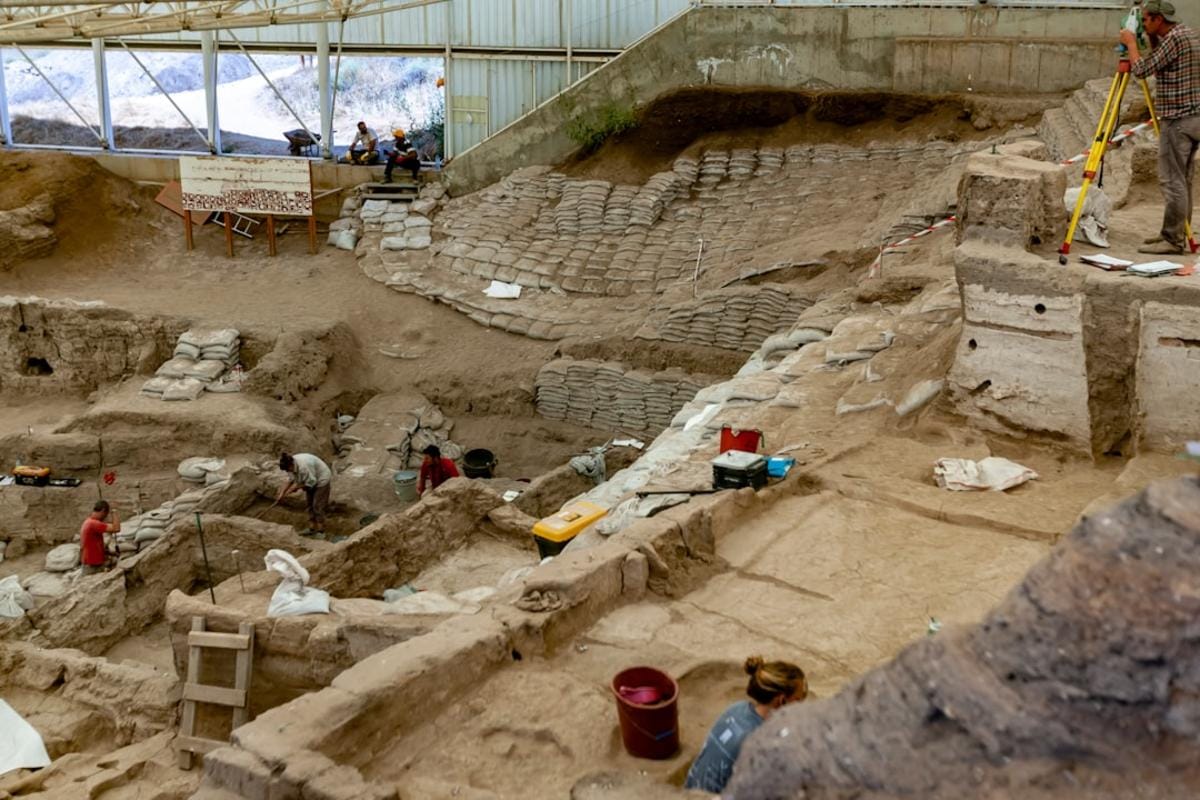
Innovative Approaches to Making Neolithic History Accessible and Engaging
One of the most exciting aspects of the Taş Tepeler project is its focus on engaging different audiences through innovative educational resources. For young learners and enthusiasts, specially designed toys, board games, and interactive novels rooted in Neolithic themes help bring the ancient period to life in a fun and meaningful way. These tools serve not only to entertain but also to educate, making complex archaeological concepts understandable for children and adults alike. The project collaborates with museums and educational centers to develop replicas of tools like obsidian blades, clay figurines, and early farming implements that allow learners to handle and experience history firsthand. Furthermore, a curated selection of books and novels, inspired by Neolithic stories, offers readers a chance to immerse themselves in the lives of early humans through captivating narratives. Coupled with gift options such as replicas of artifacts and artwork, these resources significantly enhance cultural appreciation and support the preservation of Turkey’s ancient heritage. This approach underscores the importance of education in fostering appreciation for history and ensuring that knowledge of the Neolithic period endures for future generations.