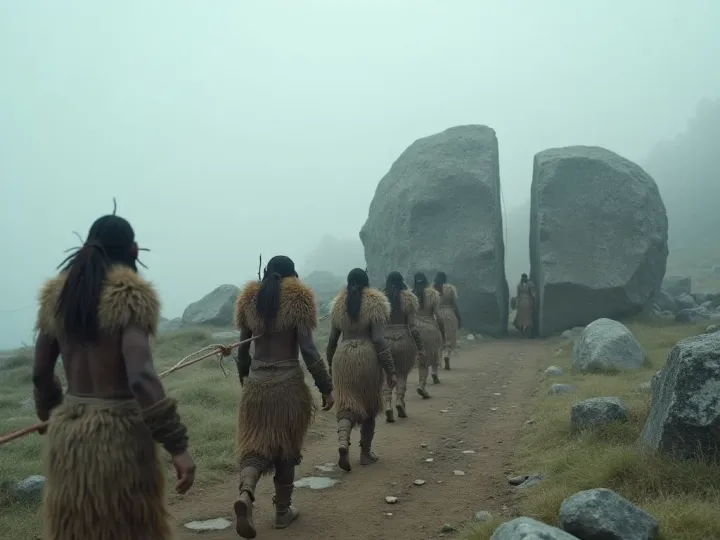
What 5800-Year-Old Secrets Under a Nuclear Site Tell Us About Human Innovation
When Modern Power Meets Ancient Earth
Imagine standing on a stretch of Suffolk coast where the hum of future turbines already echoes in your head. Now picture the ground beneath your boots holding a secret older than written history. That's exactly what happened during the Sizewell C nuclear project. Archaeologists stumbled upon a 5,800-year-old Neolithic enclosure hiding in plain sight. It was buried under layers of time, waiting for modern machinery to reveal its story.
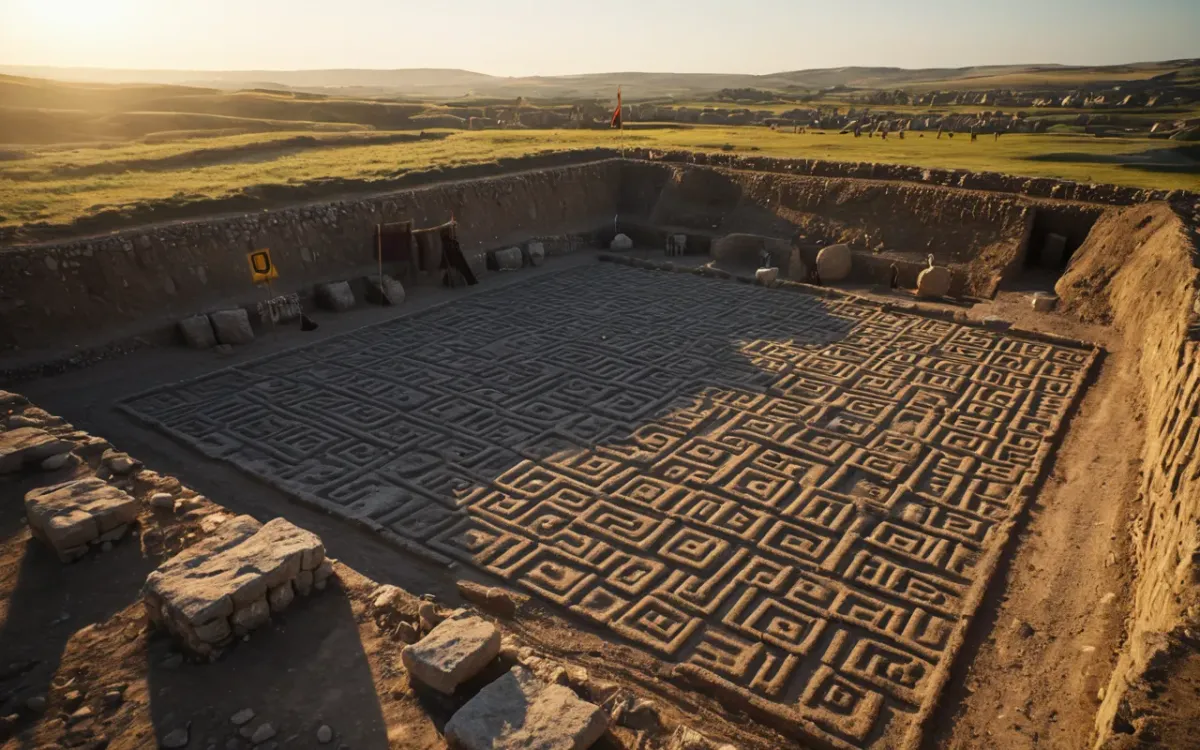
This isn't just another dig site. The enclosure measures roughly 50 meters by 20 meters, framed by a deep ditch and a raised bank. Researchers with Oxford Cotswold Archaeology carefully mapped the subtle shifts in soil color and texture. Even winter rain flooding the area couldn't erase the faint outlines. It's a reminder that ancient landscapes often survive beneath our feet, quietly waiting to be rediscovered.
Why This Discovery Changes How We See the Past
Here's the thing. Most Neolithic monuments don't survive intact. Acidic soils, centuries of farming, and coastal erosion have erased much of early Britain's architectural footprint. Finding a long enclosure this complete is genuinely rare. It suggests that early farming communities weren't just surviving. They were building, gathering, and marking their presence with intention.
Optically stimulated luminescence testing placed the initial construction around 3800 BC. That's nearly six millennia ago. Postholes within the structure hint at a central open space, likely used for ceremonies or communal activities. Think of it as an ancient town square, long before concrete and steel. The layout itself tells a story about how early humans organized space for shared experiences.
A Space That Endured Through the Ages
What struck me most wasn't just the age of the site. It was how long it remained meaningful. Later deposits in the ditches date to the Beaker period and Early Bronze Age. That means people kept returning to this place centuries after it was first built. They didn't abandon it. They adapted it. It's a powerful example of how ancient spaces can hold emotional and cultural weight across generations.
You might wonder why that matters today. Well, we still build around old landmarks. We preserve historic districts, restore cathedrals, and protect ancient trails. The instinct to honor the past is deeply human. This enclosure proves that behavior isn't new. It's baked into how we relate to place and memory. Even when the structures fade, the pull remains.
What the Artifacts Reveal About Daily Life
The team recovered 31 worked flint pieces along with fragments of pottery from the Early Neolithic and Early Iron Age. Flint tools weren't just practical. They were status symbols, trade goods, and sometimes heirlooms. Each chip and edge tells a micro-story of craftsmanship, resourcefulness, and movement across landscapes. These small objects carry huge implications for understanding early economies.
Pottery fragments add another layer. Styles shift over time, reflecting changing tastes, techniques, and cultural exchanges. Finding pieces from different eras in the same ditch suggests continuous use and reuse. It's like a time capsule where layers of human activity overlap. Instead of erasing the old, later communities filled in the gaps. That kind of continuity is surprisingly rare in the archaeological record.
Bridging Ancient Creativity and Modern Understanding
Look at how we study the past today. We rely on scientific methods, digital mapping, and interdisciplinary teams. The Taş Tepeler project in Turkey mirrors this approach by blending excavation data with educational resources, cultural displays, and even themed toys and literature. It's not just about preserving artifacts. It's about making ancient ingenuity accessible to everyday people, including young learners.
If you're curious about how Neolithic themes come alive in modern educational settings, that initiative offers a compelling model. Games, novels, and interactive exhibits transform dry facts into lived experiences. Children don't just memorize dates. They imagine what it felt like to shape a stone tool or gather around a communal fire. That emotional connection matters.
The Bigger Picture: Why Ancient Innovation Still Matters
We often treat progress as a straight line. But this site proves otherwise. Early humans didn't just react to their environment. They shaped it intentionally. They built enclosures that stood for centuries. They reused spaces rather than discarding them. They passed down knowledge through material culture. That kind of adaptive creativity is exactly what we need to study today.
Consider how we approach modern construction projects. We often clear sites completely before building. The Sizewell C excavation flipped that script. Archaeology didn't delay progress. It enriched it. The discovery added depth to a landscape that will soon host advanced energy infrastructure. It's a win for both heritage and innovation. The past doesn't have to compete with the future.
Lessons From the Ground Beneath Us
Here's a thought that stays with me. The same hands that shaped those flint tools likely also watched the first harvests ripple across newly cleared fields. They knew how to read the land. They understood seasons, soil, and community rhythms. We've gained technology, yes. But we've also lost some of that intimate knowledge. Rediscovering it might be just as valuable as uncovering the objects themselves.
If you want to see how early earthworks reveal hidden innovation hubs, this discovery fits perfectly. It's not an isolated wonder. It's part of a broader pattern across Europe and beyond. Neolithic societies were networked, adaptive, and deeply observant. Their legacy isn't just in museums. It's in how we still organize space, share stories, and honor memory.
What Comes Next for This Site and Others Like It
The excavation isn't just a headline. It's a starting point. Researchers will continue analyzing soil samples, dating materials, and comparing this enclosure to similar sites across Britain. Each new data point refines our timeline. It also raises fresh questions about trade routes, seasonal gatherings, and spiritual practices. The more we learn, the more complex the picture becomes.
And that complexity is a good thing. It means we're moving past simple narratives. We're not just cataloging objects. We're reconstructing lives. If you're interested in how Neolithic museums reshape public understanding, this trend is accelerating. Institutions are shifting from static displays to immersive storytelling. Visitors don't just observe. They participate.
A Final Thought on Time and Meaning
We live in an age obsessed with speed. Yet this enclosure reminds us that some of the most meaningful human acts unfold slowly. Building a shared space. Returning to it again and again. Leaving traces that outlast us. That patience is a form of wisdom. And it's one we'd do well to remember as we rush toward tomorrow.
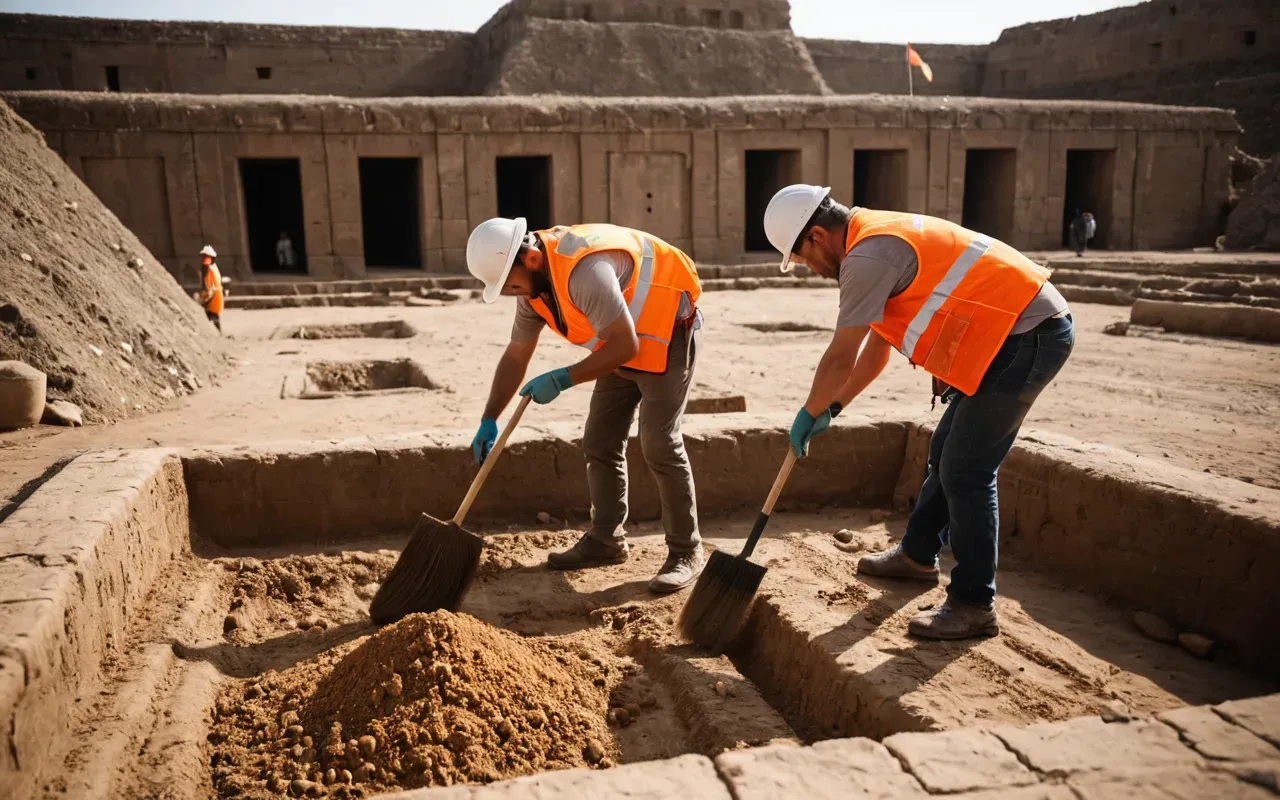
So next time you walk across open ground, pause for a second. Think about what lies beneath. Not just soil and roots. But stories. Layers of human effort, belief, and connection. The past isn't dead. It's waiting. And sometimes, all it takes is a careful brush to bring it back to light.