Why a new research center in Şanlıurfa might completely rewrite your understanding of human history
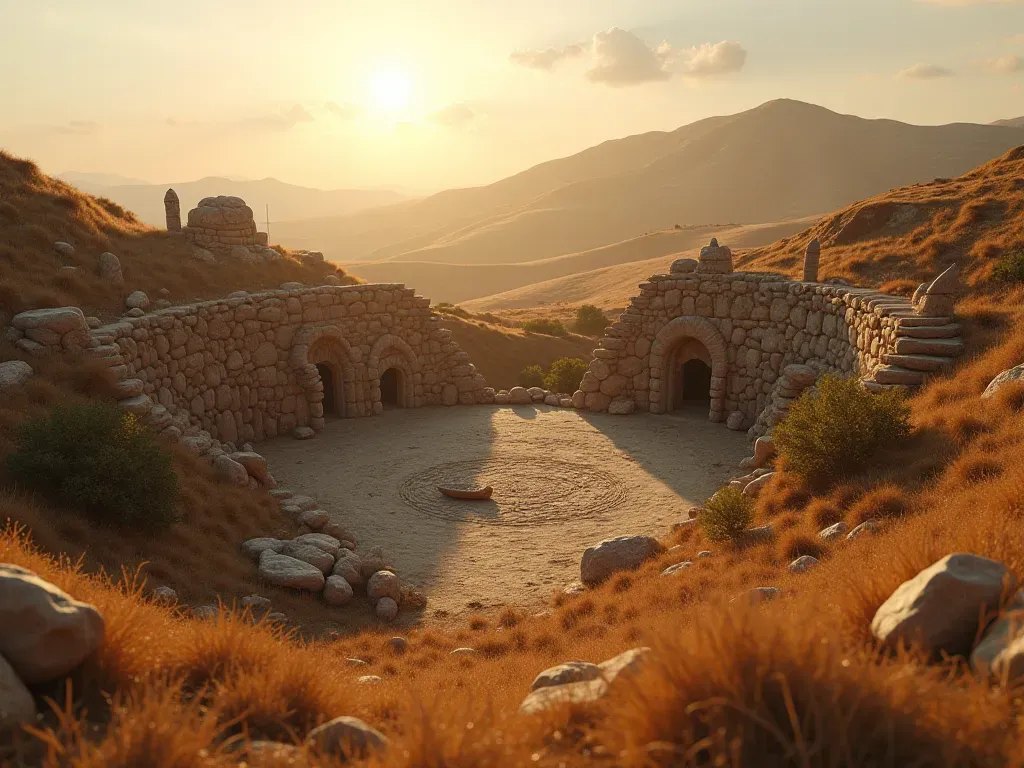
The hunter-gatherer myth is dead and buried
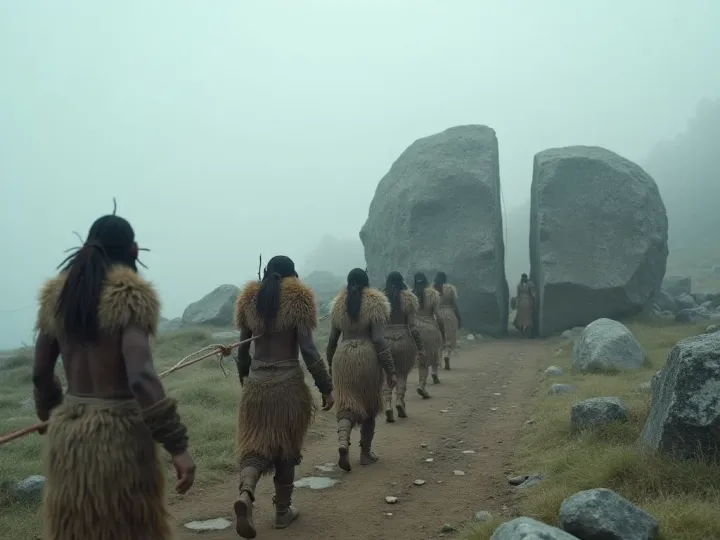
For decades, the academic story has been stubbornly rigid. We were told that humans first settled down to farm, and only then — with all that newfound leisure — had the time to build monumental structures.
But look at Göbeklitepe. That ancient marvel blew the timeline apart completely. It was built by nomadic groups who never once picked up a plow.
Now Şanlıurfa is taking the next logical step. They aren't just excavating more ruins; they're building a dedicated research hub to prove just how wrong we were.
Karahantepe filled the gaps that Göbeklitepe left behind
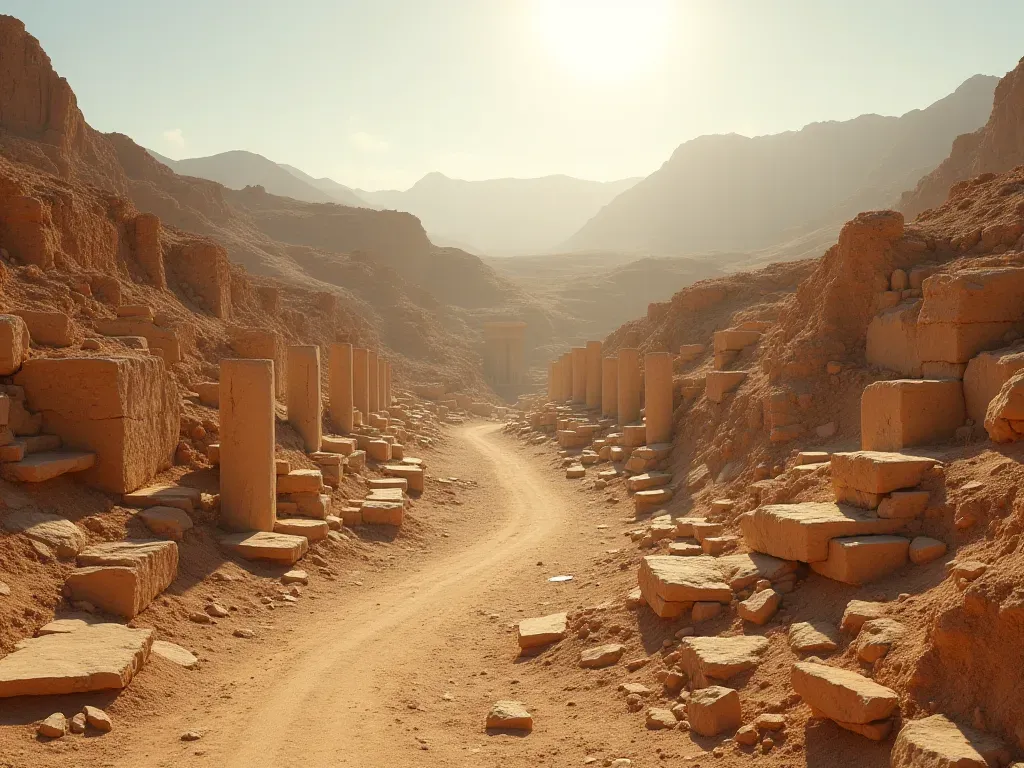
Göbeklitepe raised more questions than it answered. Did the builders actually live there? For years, the answer was a frustrating, resounding no.
Then Karahantepe stepped in. Excavations there turned up clear evidence of living spaces right alongside the ritual structures.
This is a massive shift. It means these communities weren't just temporary camps for festivals; they were sustained social hubs with real daily routines.
I find this distinction vital. It changes the entire psychological profile of these early humans — from transient worshippers to permanent residents.
What the new research center will actually do
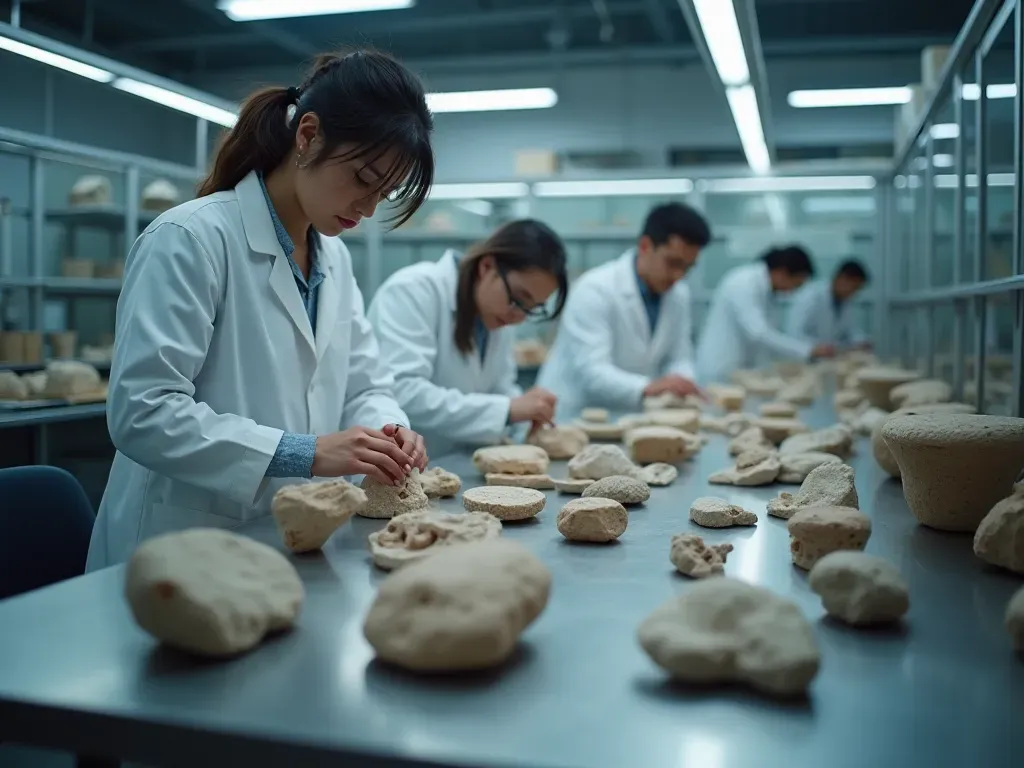
The Ministry of Culture and Tourism has announced a Neolithic Age Research Center. This isn't just another museum wing or storage unit.
It will serve as a central database and laboratory for scientists around the globe. Data from Göbeklitepe and Karahantepe will be stored here and made accessible to researchers everywhere.
Think of it as the brain of the operation. Without a central hub, research stays fragmented, siloed within individual excavation teams.
Why this matters for the future of global archaeology
The World Neolithic Age Congress was planned for Şanlıurfa. That signals a clear desire to position the region as the global capital of this era.
But it goes beyond prestige. It creates a standardized framework for interpreting Neolithic sites worldwide.
If you've followed the debate on how the World Neolithic Congress challenged existing theories, you know this shift is hardly minor.
The implication is profound. We're moving from isolated discoveries to a cohesive scientific understanding of pre-agricultural civilization.
The broader cultural and economic ripple effects
And this isn't just academic. The Taş Tepeler project has already spun off educational resources and cultural products.
From toys to novels inspired by Neolithic themes, the region is becoming a cultural brand with genuine global appeal.
If you're interested in how the Taş Tepeler project is making ancient history accessible to modern audiences, the trend is accelerating.
This creates a feedback loop. Public interest drives funding for research, which in turn generates even more public fascination.
The skepticism that still lingers among some scholars
Not everyone is convinced yet. Some argue we're over-interpreting limited data.
They point to the lack of written records. Without text, we rely on material culture alone.
But the physical evidence is overwhelming. The sheer scale of Göbeklitepe and Karahantepe leaves little room for casual interpretation.
I suspect the real resistance is ideological. It's uncomfortable to admit that complex society preceded agriculture.
What this means for the future of human self-understanding
We define ourselves by our productivity. We're the species that farms, builds cities, and writes code.
But these Neolithic sites suggest we were also capable of profound social cohesion long before we had economic surplus.
This challenges our modern assumption that material wealth is the primary driver of cultural complexity.
Perhaps connection and ritual were always more fundamental than consumption. That's a hard pill for modern society to swallow.
The role of new technology in excavating the past
Modern archaeology is no longer just about shovels and brushes. It involves LiDAR, DNA analysis, and isotopic tracing.
The new research center will likely house these advanced facilities. That means we can look deeper into the genetic makeup of these ancient populations.
We may soon have a complete map of how these groups interacted with each other across the region.
This data will be invaluable for understanding migration patterns and trade networks that predate known history.
The final verdict on this historical reset button
Şanlıurfa isn't just preserving the past; it's actively reshaping our understanding of what it means to be human.
The new research center is the infrastructure needed to support this paradigm shift. It will be the engine room of a new historical narrative.
We're witnessing the birth of a new field. One where pre-agricultural society is studied with the same rigor as ancient Rome or Greece.
And honestly? It's about time. The hunter-gatherer era wasn't a primitive prologue; it was the main event.