Why This Perfectly Polished Stone Sphere Defies Every Neolithic Theory

The Mysterious Sphere That Breaks the Rules
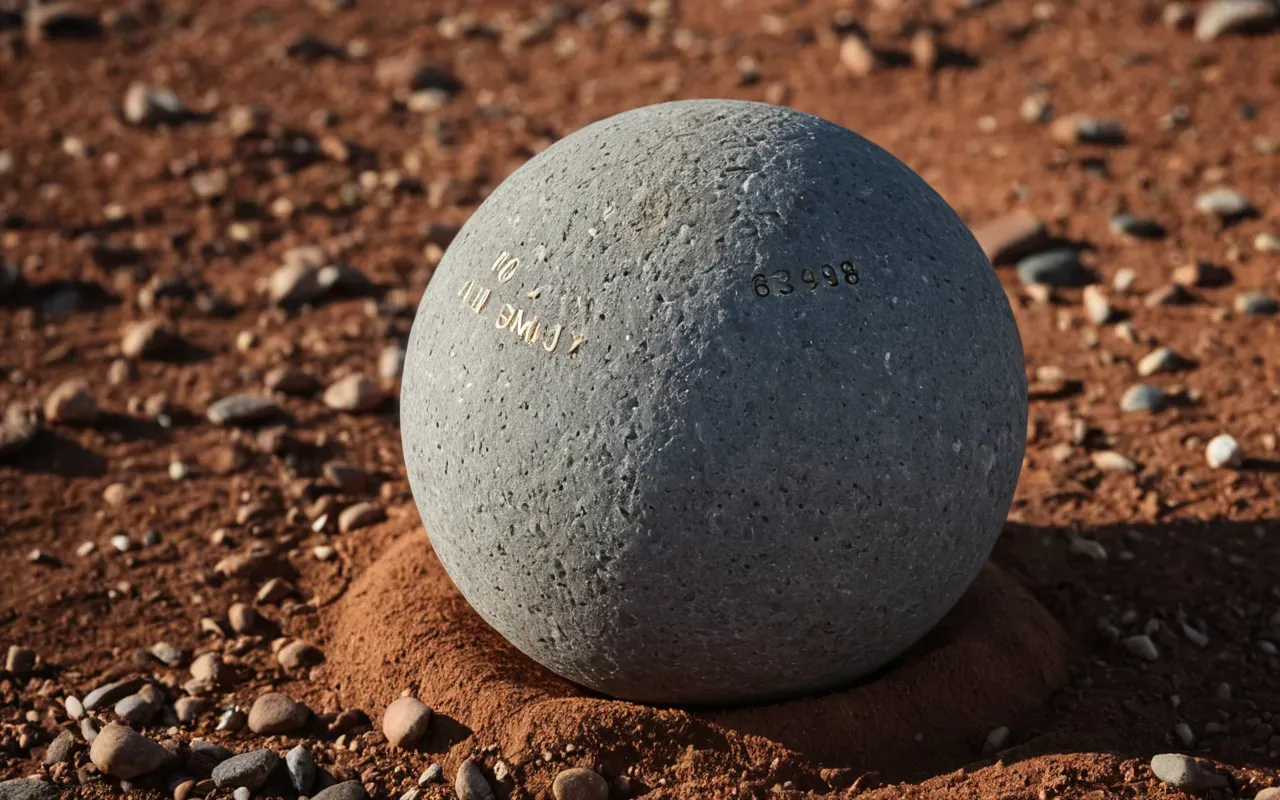
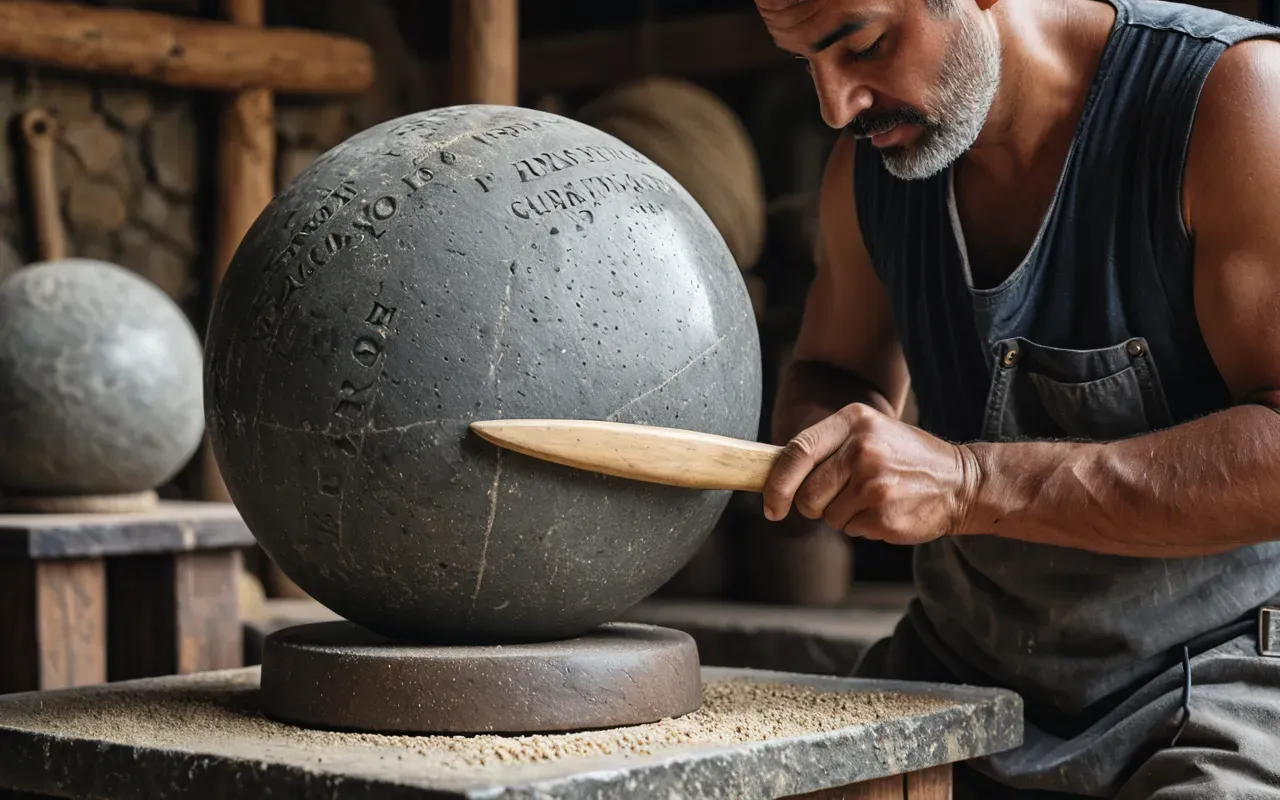
Imagine finding a perfectly round stone that looks like it belongs in a modern factory. Now imagine it was dug up from a prehistoric site in Azerbaijan. This isn't a sci-fi prop. It is a real artifact weighing nearly two kilograms. It has no holes. It has no wear marks. And it has no explanation. That absence of evidence is exactly what makes it so fascinating.
Most Neolithic tools tell a story through their scars. You can see where they were chipped, ground, or used to cut meat. This sphere tells no such story. It is smooth. It is uniform. It is nearly perfect. Researchers at the Pasha Tepe site are baffled. Vafa Mahmudova, who leads the excavation, says nothing like this has ever been documented in the South Caucasus. That makes it a puzzle wrapped in mystery.
Why This Changes How We View Early Craftsmanship
We tend to think of Neolithic people as utilitarian. They made tools for farming, hunting, and survival. But this sphere suggests something else. It suggests artistry. It suggests ritual. Or maybe it was a weight for trade. The effort required to polish a stone into such a perfect shape without modern tools is staggering. It implies a level of skill we rarely associate with early societies.
Look at the precision. The surface is uniformly smooth. The form is nearly perfect. This wasn't an accident. It was deliberate. And that deliberation changes everything. If these people could make this, what else could they do? It forces us to rethink the timeline of human ingenuity. We often assume innovation happened slowly. This sphere says otherwise. It says innovation can be sudden, precise, and incredibly advanced.
The Missing Links in Archaeological History
Here is the thing. Archaeologists rely on parallels. They find an object and look for similar ones nearby. If they find none, they look further. If they still find none, they are stuck. That is where we are now. No direct morphological parallel exists in the South Caucasus. This means the sphere is an outlier. It breaks the pattern. And when patterns break, our theories start to crack.
Mahmudova mentions connections between the Levant, Anatolia, and the South Caucasus. These regions were linked by early farming communities. Maybe the sphere traveled. Maybe the idea traveled. But without other examples, it is hard to say. The Taş Tepeler project in Turkey offers some context on Neolithic innovations. The hidden influence of Neolithic innovations on modern cultural identity shows how far-reaching these early ideas were. But this sphere remains unique.
Ritual, Weight, or Something Else Entirely
So what was it for? Researchers are torn. Some think it was ceremonial. A sacred object used in rituals. Others think it was a weight. A standardized measure for early trade. Neither theory has been confirmed. And honestly, both feel incomplete. A ceremonial object might show wear from handling. A weight might show abrasion from use. This sphere shows neither. It looks untouched. It looks preserved. Or maybe it was never used at all.
Think about that. An object made with immense effort that was never used. That sounds wasteful. But in ancient times, waste was not always wasteful. Sometimes value was in the making, not the using. This sphere could be a masterpiece meant to be admired. Or it could be a prototype. A test of skill. The possibilities are endless. And that uncertainty is what keeps researchers awake at night.
The Challenge of Classifying the Unclassifiable
Classifying artifacts is usually straightforward. Find a blade? It is a tool. Find a pot? It is for storage. But this sphere defies categories. It has no cutting edge. It has no attachment holes. It has no surface modifications. It is just a sphere. And that simplicity is deceptive. It requires more skill to make a perfect sphere than to make a jagged blade. The absence of features is a feature in itself.
This discovery challenges our assumptions about early human society. We often view Neolithic life as harsh and practical. But this sphere shows a different side. A side of beauty. Of precision. Of mystery. It reminds us that early humans were not just surviving. They were creating. They were experimenting. And they were leaving behind puzzles that we are still trying to solve thousands of years later.
What This Means for Future Discoveries
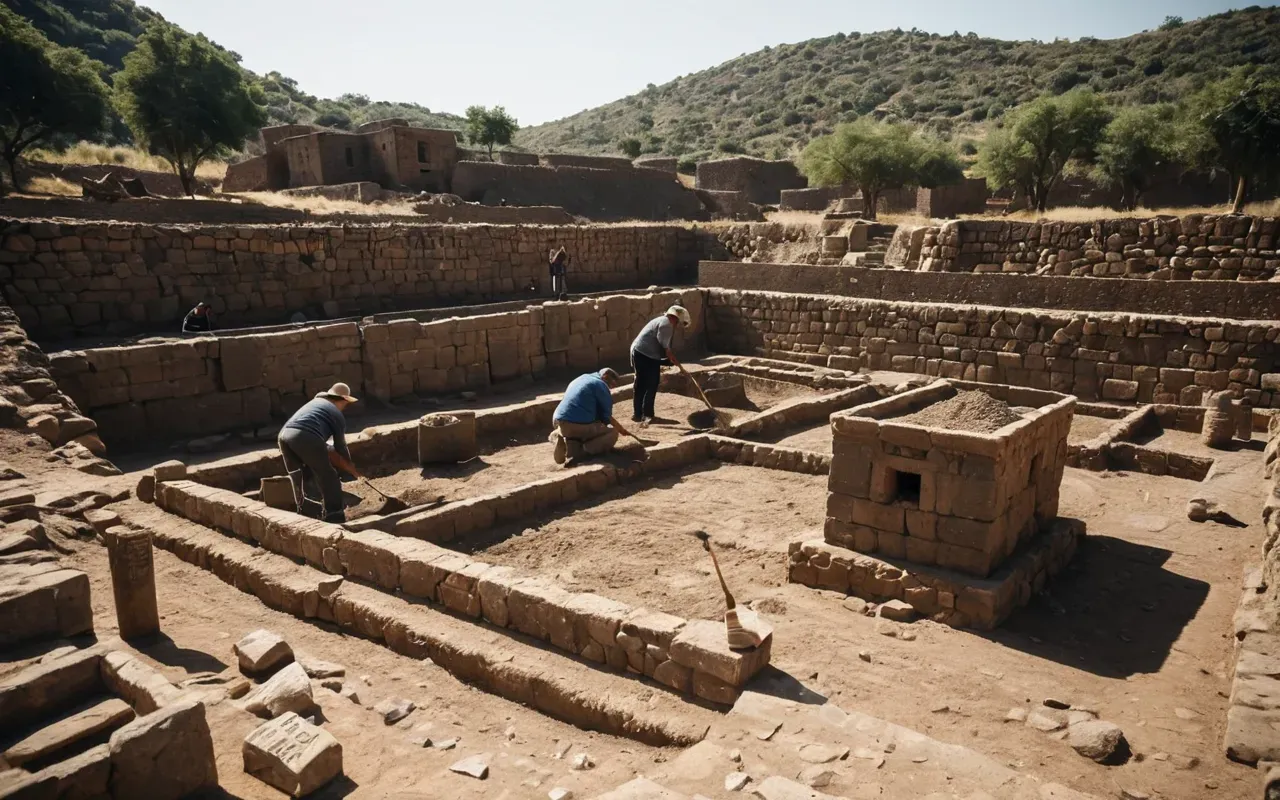
The excavation at Pasha Tepe is ongoing. Researchers are digging deeper. They are finding other things too. Ceramic pipes from the medieval period were found nearby. This shows the site was used for thousands of years. That layering of history is common. But the Neolithic sphere remains the star. It stands out. It demands attention. And it promises more questions than answers.
As we uncover more artifacts like this, our understanding of the Neolithic era will shift. We may find more spheres. Or we may not. If this is truly unique, it becomes even more valuable. It becomes a singular point of data. A beacon in the dark. And that is exciting. It means there is still so much to learn. The past is not fixed. It is waiting to be interpreted. And every new discovery rewrites the story.
For those interested in how these findings connect to broader themes, ancient earthwork reveals how Neolithic societies were innovation hubs long before civilization took shape provides fascinating context. The sphere might seem isolated, but it fits into a larger pattern of early human creativity. It is a thread in a much larger tapestry of history. And we are just beginning to unravel it.
Why You Should Care About a Stone Ball
It might seem like just a rock. But it is more. It is a window into the mind of an ancient craftsman. It shows us what they valued. What they prioritized. What they were capable of. In a world where we are obsessed with technology, this sphere reminds us that innovation is not new. It is human. And it has always been with us. From stone tools to space travel, the drive to create is constant.
The Taş Tepeler project highlights how Neolithic innovations shape modern cultural heritage. Unveiling humanity's dawn through the Taş Tepeler Neolithic excavations shows how these ancient roots influence us today. This sphere is a piece of that puzzle. It connects us to our past. It grounds us. And it challenges us to look closer at the world around us. Because sometimes, the most important discoveries are the ones that make no sense at all.