Why the most boring part of archaeology is actually its greatest secret
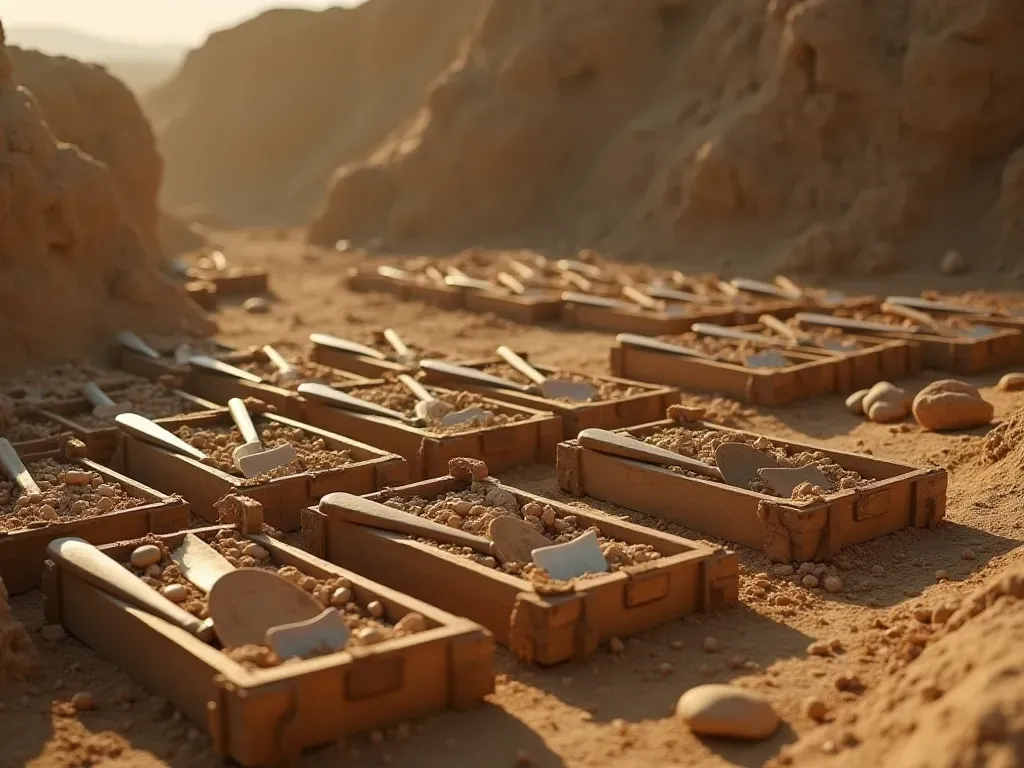
The bucket that changed how we see history
You think archaeology is about the flashy stuff. A sudden glint of gold, a pristine vase rising out of the dirt in slow motion. That picture misses the point entirely.
In October of this year, a team in Jerusalem marked twenty years together. Not a celebration of one big find — a reflection on two decades of filling buckets.
That simple act of moving dirt is where the real story lives. It pushes back against our modern obsession with instant results and viral moments.
When we look at the past, we see walls. We don't see the ten thousand hands that cleared them away one shovel load at a time.
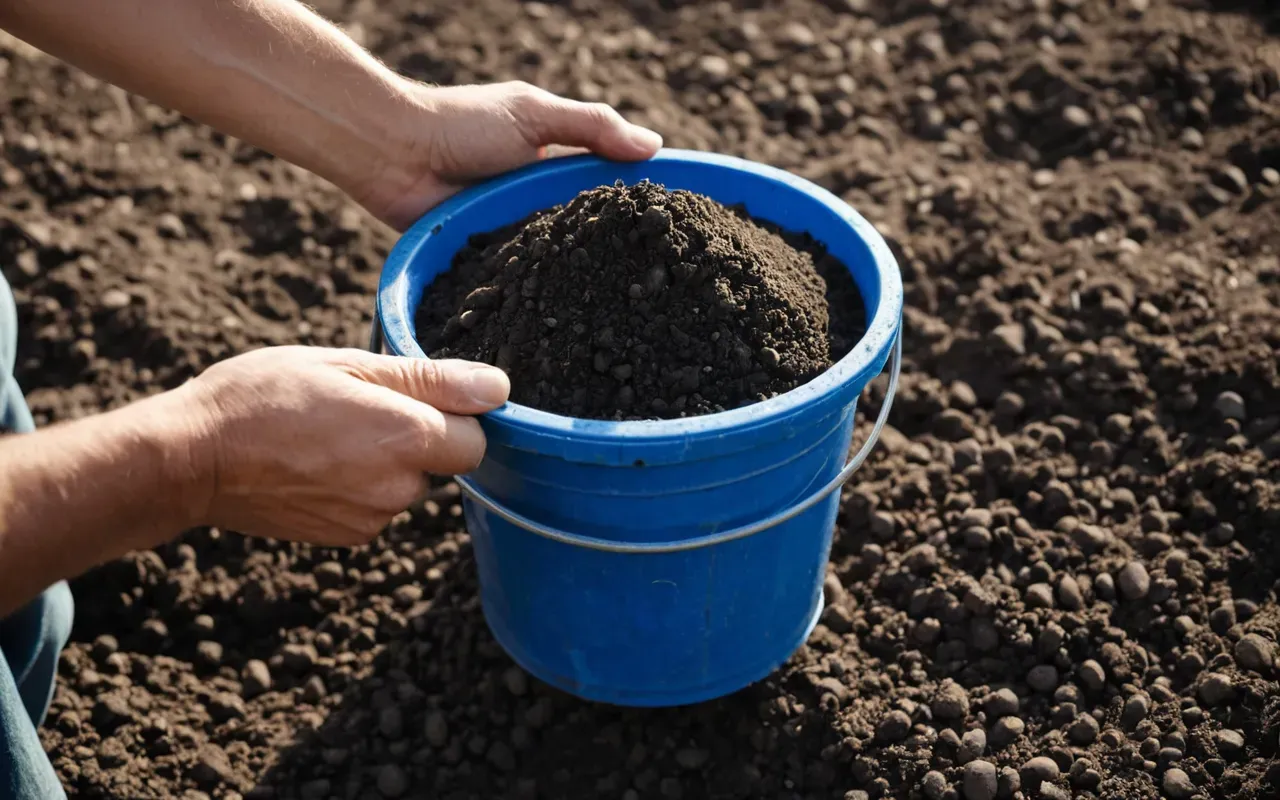
Two decades of quiet labor in the dust
The partnership began in with three students from a small college. They arrived in Jerusalem to dig alongside the late Dr. Eilat Mazar.
For a small institution, that was a massive leap. The campus buzzed with excitement — sending students abroad is rare, and risky.
Twenty years later, the scope has grown. Thirteen excavations, and over one hundred fifty volunteers involved in the work.
The team now runs tours and publishes media. They keep an office in Jerusalem with complete academic libraries from the Mazar family.
Since Dr. Mazar passed away in , the work continues with professors Uzi Leibner and Orit Peleg-Barkat from Hebrew University.
That kind of continuity is rare. Most projects fizzle out after a few seasons, or change direction entirely when key figures leave the scene.
What the boring work actually teaches us
Professor Uzi Leibner gave a speech at the end of this year's final season. He didn't talk about ancient kings or lost treasures.
He talked about the thousands of ordinary moments that make discovery possible. Every wall started with someone filling another bucket.
Every floor was exposed by moving another shovel of dirt. Every piece of pottery passed through hands at the washing station first.
None of those tasks are exciting on their own. But together they let us reconstruct the past accurately, and safely.
Short-term results come from intensity. Long-term results come from consistency. Real success is doing the obvious things well every day.
This season was built on getting up early. On carrying buckets and scraping layers without losing patience or cutting corners.
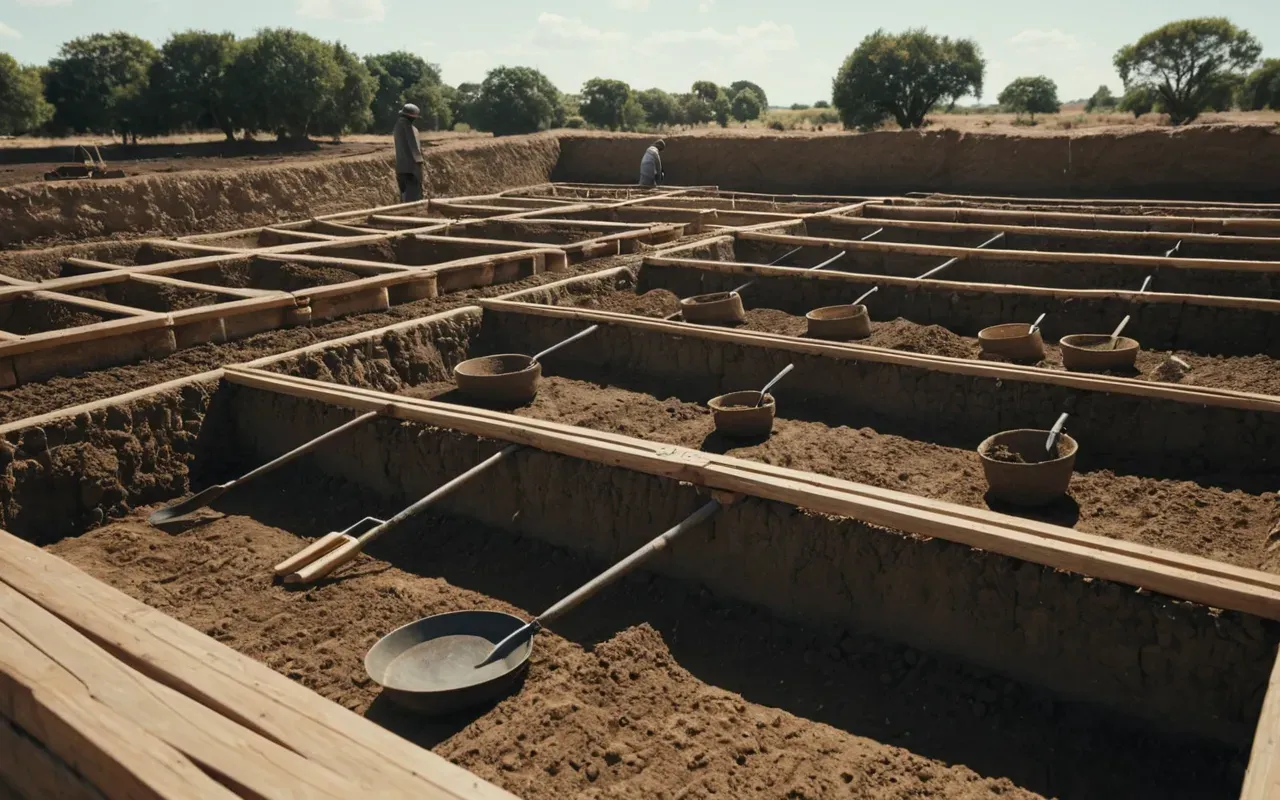
The illusion of the single moment
We love a dramatic reveal. We think history happens in one lightning bolt of insight, or luck.
But the buildings we uncovered were created one stone at a time. We excavated them the same way they were built.
Discoveries are never isolated moments of brilliance. They're the accumulated result of ordinary work done faithfully over time.
Why we cannot do this alone anymore
You can't excavate alone. Every significant discovery is a collective achievement by the time it sees daylight.
By the time a wall emerges or an inscription appears, it belongs to everyone who helped make that moment possible.
Archaeology dissolves the line between my discovery and your discovery. Every find becomes our discovery.
Which is why the thanks at the end-of-dig dinner aren't just a formality. They acknowledge how archaeology actually works.
The volunteers come from across the United States and Europe. They arrive as strangers and leave as colleagues.
Some have returned for a second or third season. Coming back year after year is the greatest compliment they can give.
The spirit behind the science
Professionalism is essential, but it isn't enough. What makes an excavation exceptional is the spirit in which the work gets done.
Good humor and generosity matter. Patience matters, when the days are long and the heat is unforgiving.
You can't measure those qualities on a locus sheet. But they shape every successful excavation and every team dynamic.
Supervisors often push directors to keep digging when hesitation sets in. That persistence leads straight to important discoveries.
Good archaeology rewards people willing to dig just a little bit further. It runs on trust — in the process, and in each other.
What this means for how we value time
We spend a few short weeks uncovering traces of people from thousands of years ago. But we leave our own traces in the process.
Not stones. Friendships, knowledge, a community built together through shared labor.
And that challenges our modern preference for speed. We want answers now. Archaeology says the answer is worth waiting for.
The greatest discoveries are rarely made in a single dramatic moment. They're built one bucket and one day at a time.
For three thousand years people have come to Jerusalem for many reasons. We came to learn — and became part of its long history.