Why your kitchen is secretly a Neolithic time machine
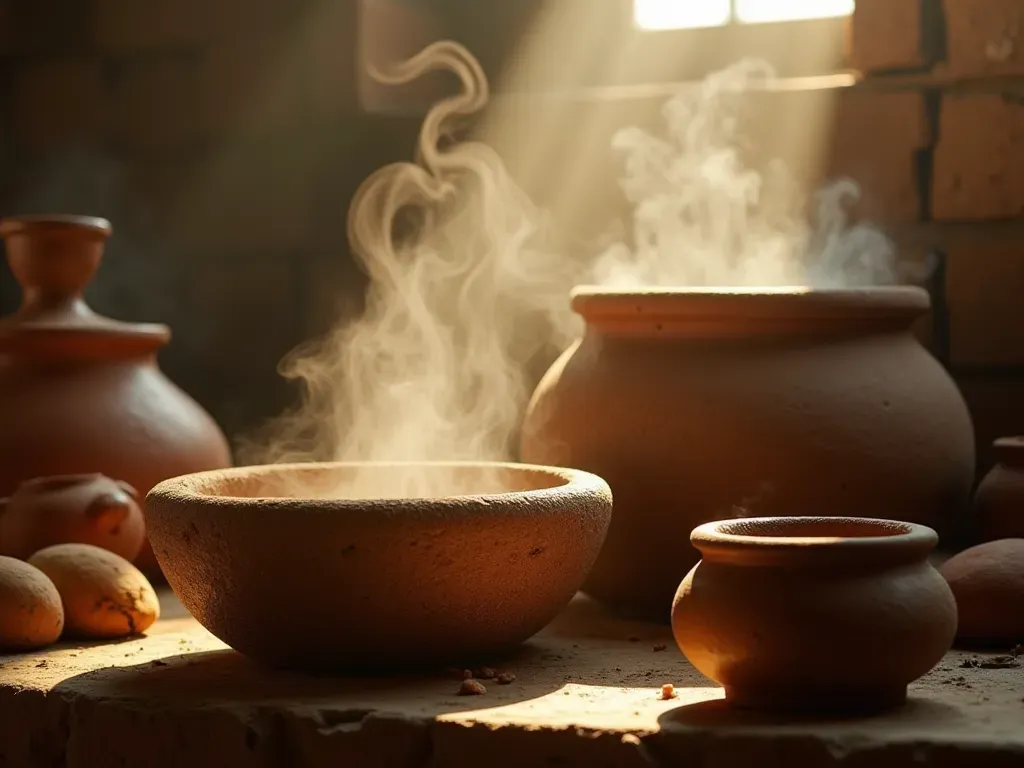
The Kitchen You Use Is Ancient Tech in Disguise
You grab your smartphone. Check the weather. Then you open the fridge and pull out a container of last night's leftovers.
That simple act? It's a direct echo of the Neolithic era. We think we're modern because we have Wi-Fi and electric stoves.
But here's the thing. The core logic of how we process food and share it hasn't changed in ten thousand years.
The Taş Tepeler project has flipped the script on this. It shows our ancestors weren't just surviving; they were engineering complex social systems through cooking.
Why Cooking Was the First Social Network
Most people assume agriculture started because we got hungry. Wrong.
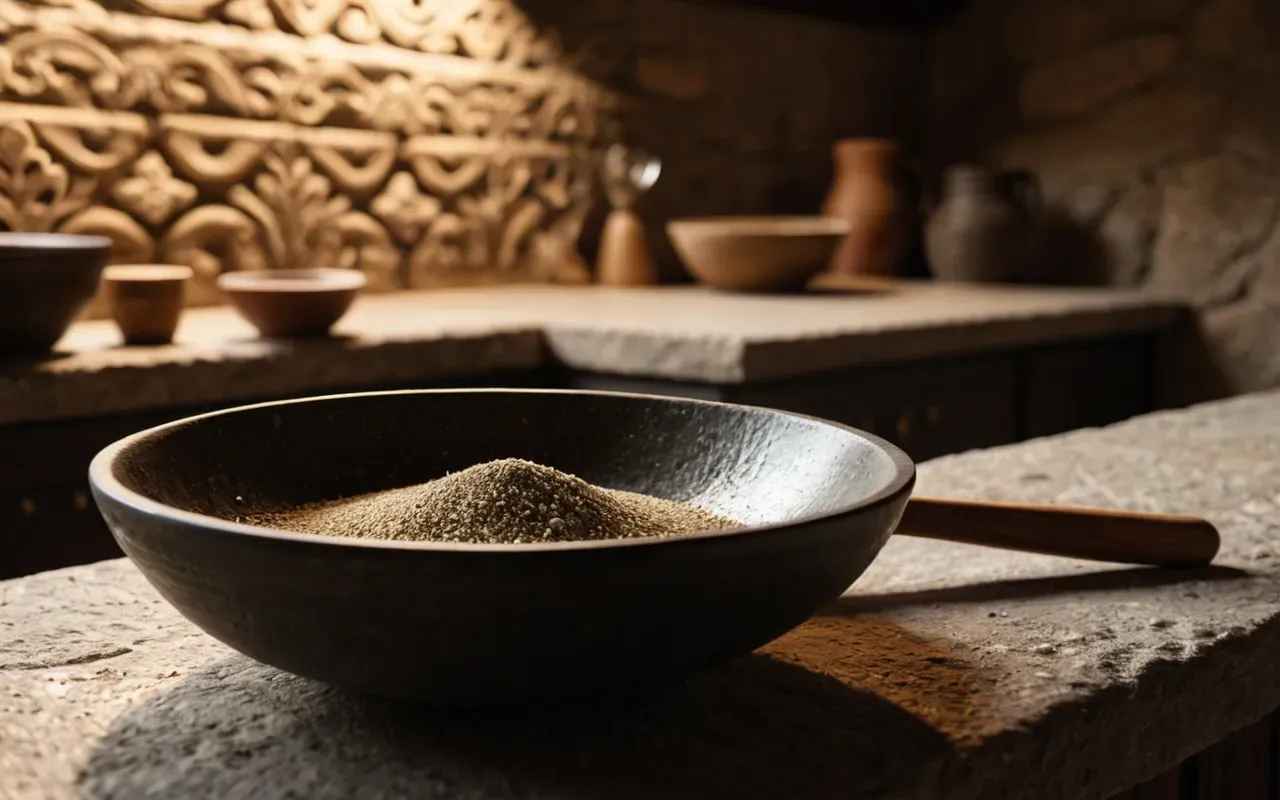
Archaeologists at Taş Tepeler found evidence that cooking was used to bond groups. Sharing a meal created trust.
Think about it. When you host dinner tonight, you're doing the exact same thing as a family ten millennia ago.
It's not just about calories. It's about control. Whoever controls the food source controls the group.
The Hidden Engineering Behind Ancient Tools
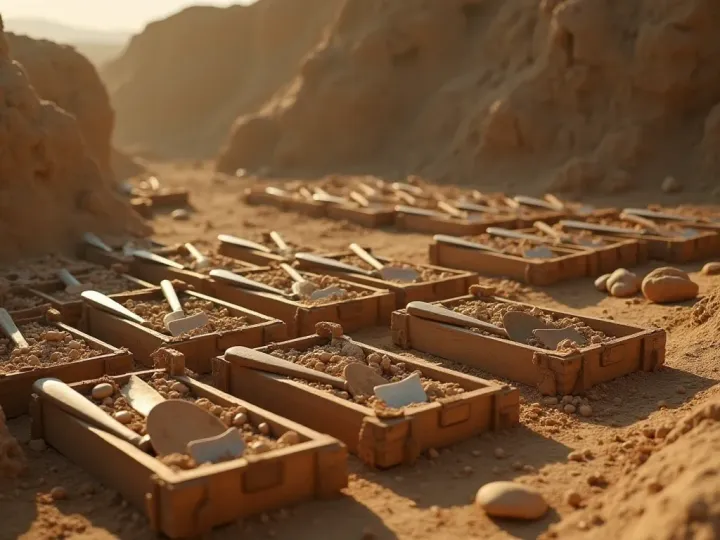
We often look down on primitive stone tools. But the Taş Tepeler finds tell a different story.
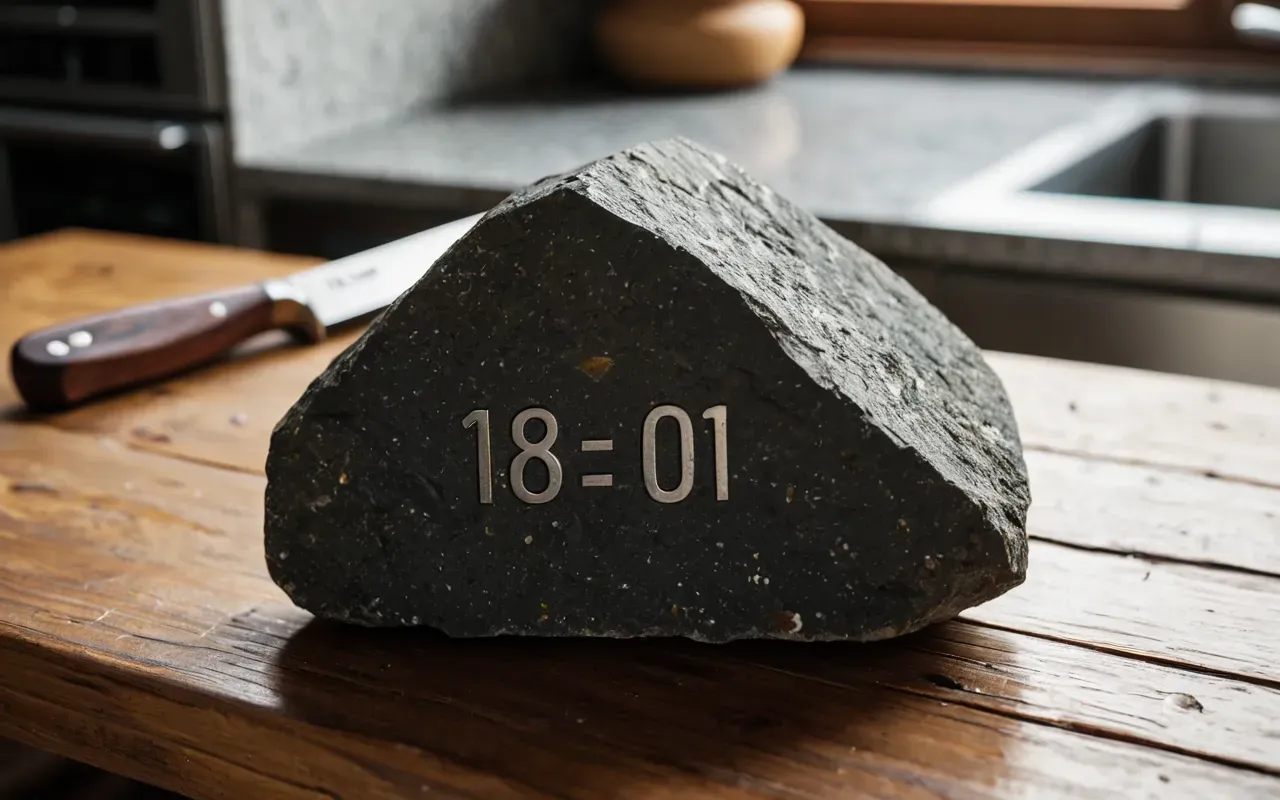
These weren't random rocks. They were precision instruments designed for specific friction and heat distribution.
I was struck by the wear patterns on these grinding stones. They show consistent use over decades.
That implies a level of standardization we usually reserve for industrial factories. Mass production before the word existed.
How This Beats Modern Software Logic
There's a fascinating parallel here. The way these tools worked was modular.
You could swap parts easily. If one stone broke, you replaced it without changing the whole system.
Modern software architects are trying to build this kind of resilience now. Neolithic engineers figured it out by feel.
If you're interested in how these ancient systems compare to modern tech, check out the Neolithic invention that still beats modern software architecture.
The Social Collapse Hiding In Plain Sight
Here's the darker side of this story. Neolithic progress wasn't all sunshine and shared meals.
The shift to settled life created hierarchies. It also created inequality.
The Taş Tepeler project highlights how early societies struggled with resource distribution.
We see these same patterns today. Who gets the best food? Who has access to clean water?
It's a mirror. Our modern problems are just the ancient ones wearing different clothes.
Who Wins When Technology Changes Society
This is a question that keeps coming up. Who benefits from the Neolithic revolution?
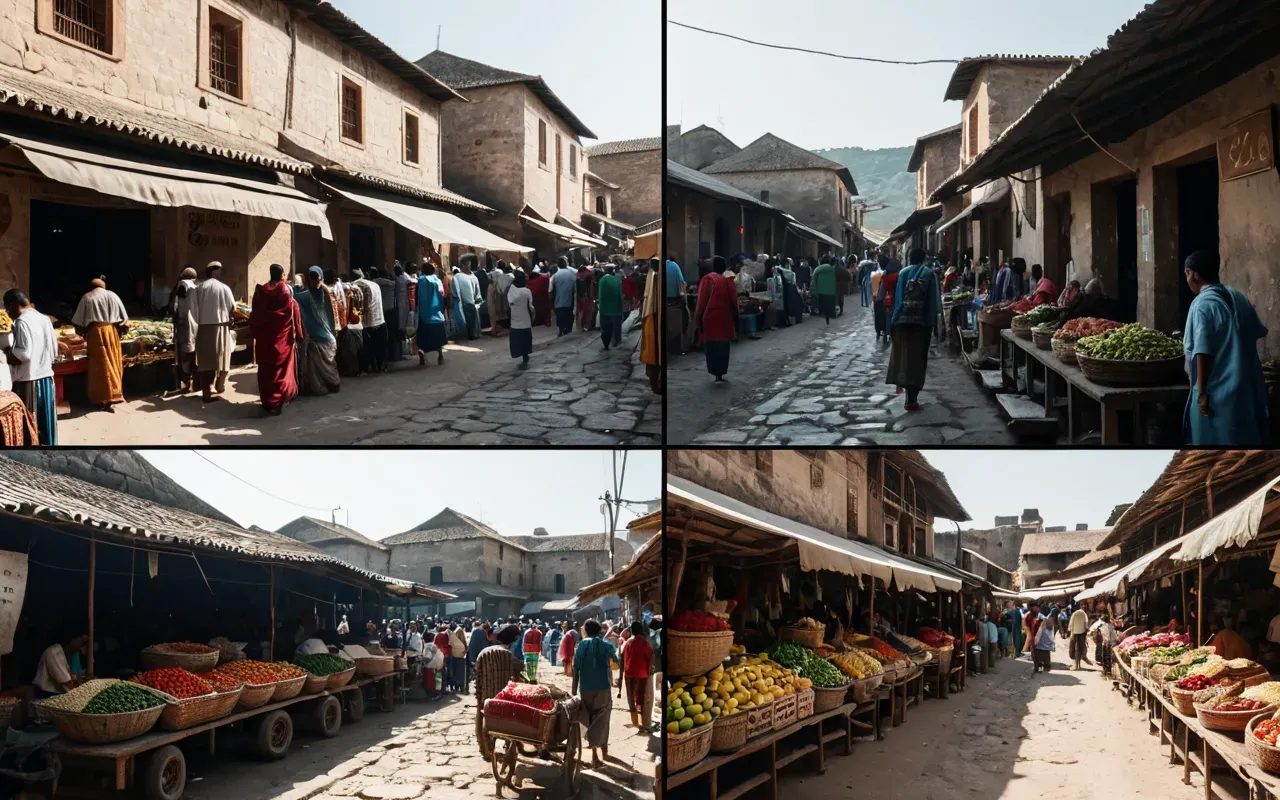
The answer is complex. Some groups gained power through control of grain stores.
Others lost their freedom as they became dependent on the new system of surplus.
It's a classic zero-sum game. One group's gain often meant another's loss.
Why This Matters For Your Daily Life Now
You might be thinking this is just academic trivia. But it touches your daily routine.
The way you manage time is rooted in agricultural cycles. The seasons dictated the work.
Even your stress about deadlines is a modern version of worrying about the harvest.
Understanding this deep history helps you see your habits in a new light. It's not just biology; it's culture.
The Taş Tepeler project makes this tangible. It brings the abstract past into your present reality.
The Educational Resources That Make It Click
One of the best parts of Taş Tepeler is its approach to education.
They use games and interactive toys. This makes the history feel alive rather than dusty.
I found this engaging because it speaks to how we learn best. We need context and play.
It bridges the gap between a textbook and real understanding. That's rare in history education.
The Bigger Picture Of Human Ingenuity
When you step back, the Neolithic era looks less like a primitive stage and more like a launchpad.
Our ancestors solved complex problems with limited tools. They built societies that lasted millennia.
We often underestimate them. We assume they were slow and simple. The evidence says otherwise.
Their ingenuity is the foundation of everything we do today. From cooking to coding.
So next time you cook a meal or use your phone, remember the deep roots beneath.
Connecting The Dots For A Clearer Future
This isn't just about looking backward. It's about seeing forward with clearer eyes.
By understanding the Taş Tepeler findings, we gain a map of human behavior.
We see our strengths and our flaws reflected in the stone tools of ten thousand years ago.
It's a powerful reminder. We're not new. We're the continuation of an ancient story.
And that story is still being written by every choice you make today. From the kitchen to the boardroom.
Where To Go For More Depth On This Topic
If you want to dig deeper into the social aspects of early settlements, there's plenty more to explore.
The idea that we were wrong about why people built houses is a fascinating twist on this narrative.
You can read more about we were wrong about why Neolithic people built houses to see the other side.
Also consider how the Neolithic chip that still runs your kitchen connects to modern tech.
These links offer a broader view. They show how interconnected these ancient ideas really are.
Final Thoughts On The Ancient Echoes In Our Lives
The Taş Tepeler project is a window into the past that reflects our present.
It challenges us to see ourselves not as separate from history, but as part of it.
We carry the tools and habits of our ancestors in every action we take.
And that's a powerful thing to know. It grounds us in something real and enduring.
So the next time you feel disconnected from history, look at your kitchen. It's talking to you.
Listen closely. The Neolithic era has plenty more to say about who we are and where we go.

Your Move In Understanding This Deep Connection
The ball is in your court now. How much of this do you see in your own life?
Share your thoughts. Do you feel the weight of these ancient habits in your daily routine?
Let us know in the comments. I'm curious to hear how this resonates with you.
This is a conversation worth having. It connects us all in a deeper way than we realize.
The Neolithic era isn't gone. It lives on in every choice you make, every meal you cook.
Embrace it. It's the foundation of who we are and how we relate to each other.
And that's the real story behind the Taş Tepeler project. It's about us.
It's a story of resilience, ingenuity, and the unbreakable bond between past and present.
So keep that in mind. The ancient world is closer than you think. It's right here.
And it has a lot to teach us about living well in this modern age of change.
Thank you for reading. I hope this gives you a new perspective on your daily life.
Stay curious. The past is full of surprises waiting to be found in the most unexpected places.