7 Neolithic Tools That Made Modern Engineering Look Amateur

The Stone Age Was Actually a Tech Boom
We tend to view the Neolithic era as a quiet step toward agriculture. That's a massive misconception. It was a period of radical innovation and high-precision engineering.
Look at the tools found at sites like Çayönü and Taş Tepeler. The precision is staggering. These weren't crude stones. They were specialized instruments built for specific tasks.
I've spent a lot of time reading about this period, and the gap between what we assume and what the archaeological evidence actually shows is huge. It forces you to rethink how early humans solved complex problems.
Obsidian Blades That Cut Better Than Steel
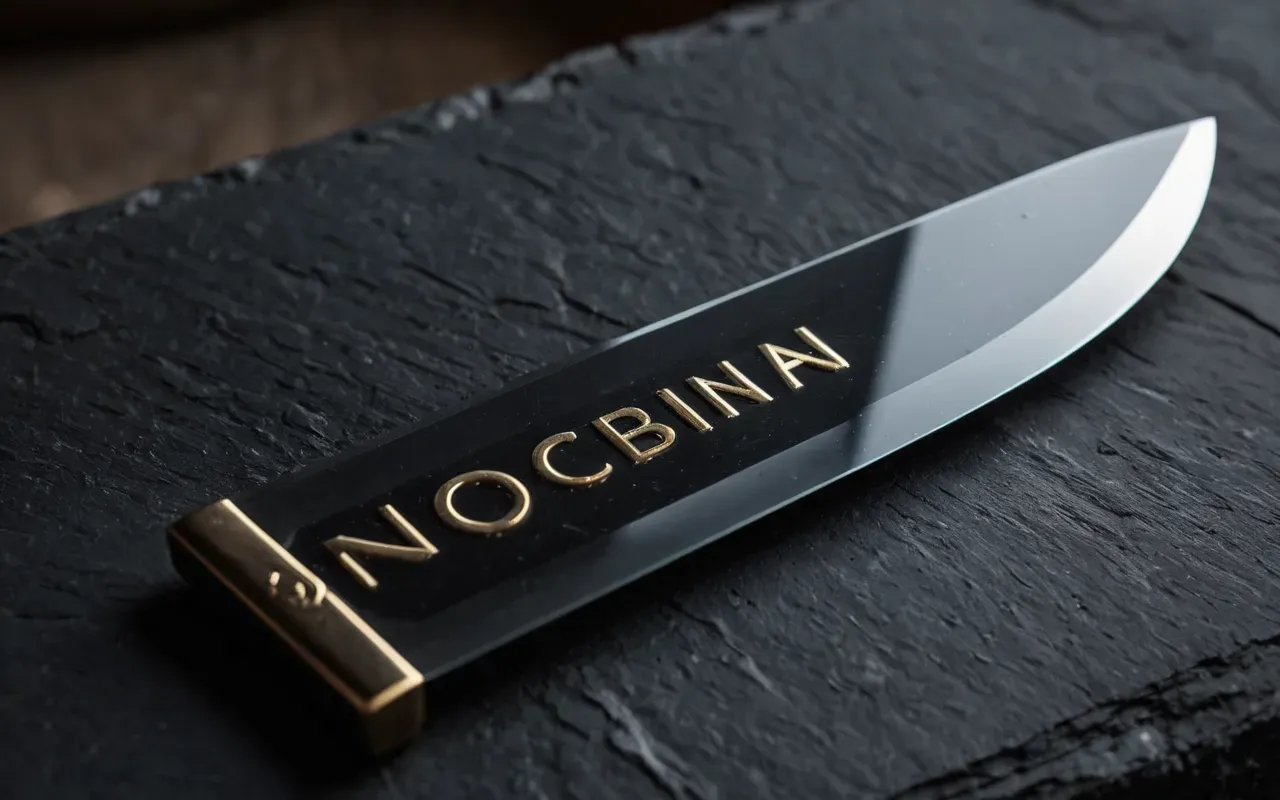
Take the obsidian blade. Sounds primitive, right? Under a microscope, it's incredibly sharp. The edge can be thinner than a human hair.
Modern surgeons still use obsidian scalpels in rare cases. Why? Because the molecular structure of volcanic glass creates an edge that's almost perfect at a microscopic level.
And this isn't just about cutting. It's about understanding material science without written records. These people knew exactly how to work flint and obsidian.
It makes you wonder what other properties of stone they understood. The consistency in the tools found at Taş Tepeler suggests a standardized production process.
Grinding Stones That Invented the Concept of Industry
Then there are the querns. These large grinding slabs weren't just for food processing. They represent a shift toward labor specialization.
Imagine the weight and size of these stones. Moving them required coordinated effort. That implies a social structure capable of organizing labor for long-term projects.
The wear patterns on these stones tell a story of daily use. They weren't ceremonial objects only. They were the engines of early economic activity.
Pottery Technology That Changed How We Store Food
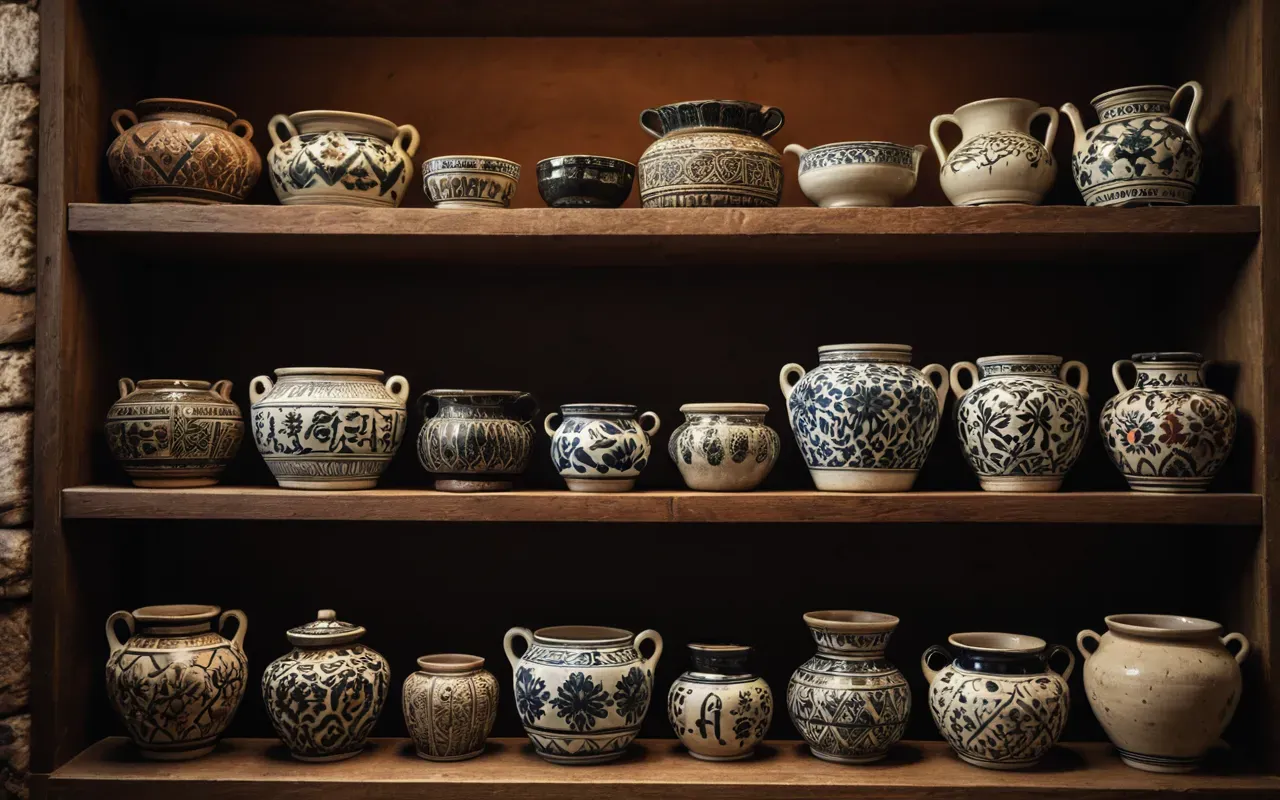
Before clay vessels, we had no way to store liquids or cook complex meals. Pottery changed everything. It allowed for the preservation of surplus food.
The firing temperatures required were high. This suggests Neolithic people had a deep understanding of heat and material transformation.
Some researchers believe accidental fires in clay patches led to the first pottery. But regardless of origin, it became a cornerstone of society.
This innovation allowed for trade. You can carry dried grain in a sack, but you cannot easily transport liquid oil or beer without a sealed container.
The Chemistry of Clay and Heat
Understanding the molecular changes in clay required trial and error. It was a form of experimental science that took generations to perfect.
The shapes of the vessels also changed. From simple bowls to complex jars with narrow necks, this was an evolution in design thinking.
Each shape served a specific purpose. This level of specialization is rarely seen in prehistoric tool kits, but it was clearly present here.
Stone Circles That Required Massive Coordination
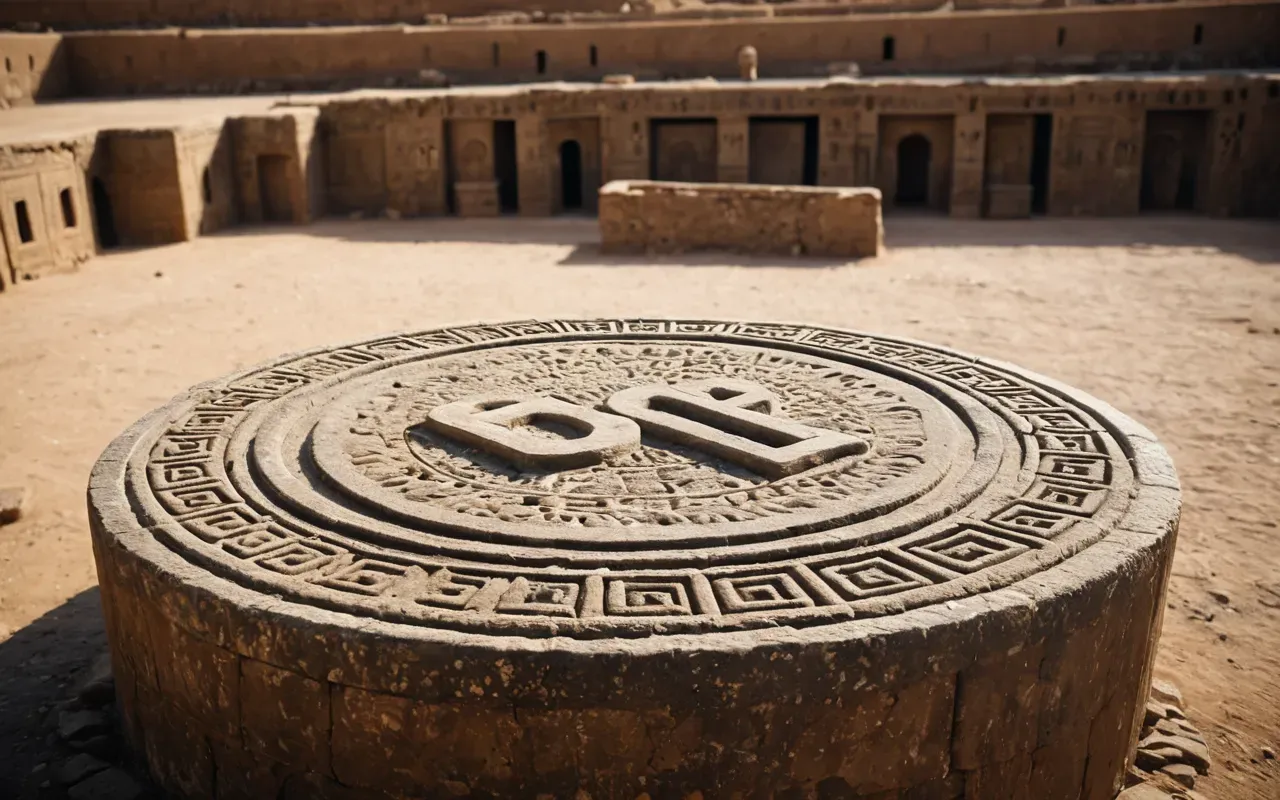
Let's talk about megaliths. These massive stone structures aren't just rocks stacked together. They're architectural masterpieces.
A single stone can weigh several tons. Without wheels or metal tools, this required an enormous amount of manpower and planning.
The alignment of these structures with celestial events suggests a sophisticated understanding of astronomy. They were tracking the stars and seasons.
This isn't just about religion. It's about data collection over time. They were building a calendar based on observation and precision.
Engineering Without Written Records
How did they transmit this knowledge? Oral tradition and apprenticeship. The complexity of the structures implies a formalized system of instruction.
The precision in cutting the joints between stones is remarkable. There was no mortar. The fit had to be perfect for the structure to stand.
This level of craftsmanship rivals modern engineering. It challenges the idea that ancient people were less intelligent or capable than us.

Textile Tools That Shaped Social Identity
Clothing is more than protection from the elements. It's a marker of status and identity. Neolithic people had sophisticated tools for weaving.
Spindle whorls and loom weights are common finds. These small objects reveal a complex industry dedicated to producing fabric.
The variety of patterns found in excavated textiles suggests that design was important. People weren't just making functional garments.
This implies a cultural value on aesthetics. It was about looking good and expressing group affiliation through clothing.
The Economics of Fabric Production
Producing cloth is time consuming. Which means not everyone could afford it. It became a form of currency and social capital.
The tools used to make it were specialized. This indicates a division of labor where some people focused solely on textile production.
That specialization is a key marker of complex societies. It shows we were moving beyond simple subsistence living.

Agricultural Innovations That Built Civilizations
Farming is often seen as simple. But the technology behind it was complex. Sickle blades and grinding stones were essential.
The sickle wasn't just a knife. It had specific flint blades attached to a handle for efficient harvesting of grain.
This tool allowed for the collection of large amounts of food in a short time. It was essential for storing surplus.
Without this technology, we could not have supported the large populations that built cities. It was the foundation of urban life.
The Sickle and the Revolution
The design of the sickle changed over time. Early versions were simple, but later ones had more efficient blade attachments.
This shows a continuous process of improvement. People were testing new designs and refining them based on performance.
It's a clear example of technological progress driven by practical need and observation. It wasn't magic. It was work.
Why This Matters for Modern Engineering
We often look down on ancient technology. But their solutions were elegant and effective within the constraints of their materials.
Modern engineering often relies on complex machinery and power grids. Neolithic people solved problems with pure mechanical design.
This teaches us about sustainability. Their tools lasted thousands of years because they were simple and robust.
We can learn from this. Sometimes the best solution isn't the most complex one, but the one that fits the context perfectly.
Lessons from Stone Age Precision
The Neolithic era was not a dark age. It was an age of innovation and problem solving that laid the groundwork for everything we have today.
When you look at a polished stone tool, remember that it represents generations of knowledge and skill. It's a piece of human ingenuity.
The Taş Tepeler project helps us see this clearly. By preserving and studying these sites, we gain a deeper understanding of our past.
So next time you use a knife or cook in a pot, remember that these technologies have roots going back thousands of years. It's all connected.
Frequently Asked Questions
What is the most advanced Neolithic tool?
The obsidian blade is often considered the most advanced due to its microscopic sharpness. It rivals modern surgical steel in precision and effectiveness.
How did Neolithic people move heavy stones?
They used levers, sledges, and coordinated labor. Teams of people worked together to drag massive blocks over long distances using wooden rails.
Why is pottery important in Neolithic culture?
Pottery allowed for the storage of food and liquids. This enabled surplus accumulation, which was essential for supporting larger populations and trade.
Can we still use Neolithic technology today?
Yes, in specific fields. Obsidian scalpels are still used in surgery, and the principles of simple mechanical design inspire sustainable modern engineering solutions.