The ancient oven trick that makes modern slow cookers look like toys
A recipe that took three days to cook
Imagine a kitchen with no stove. No gas line. No electricity bill.
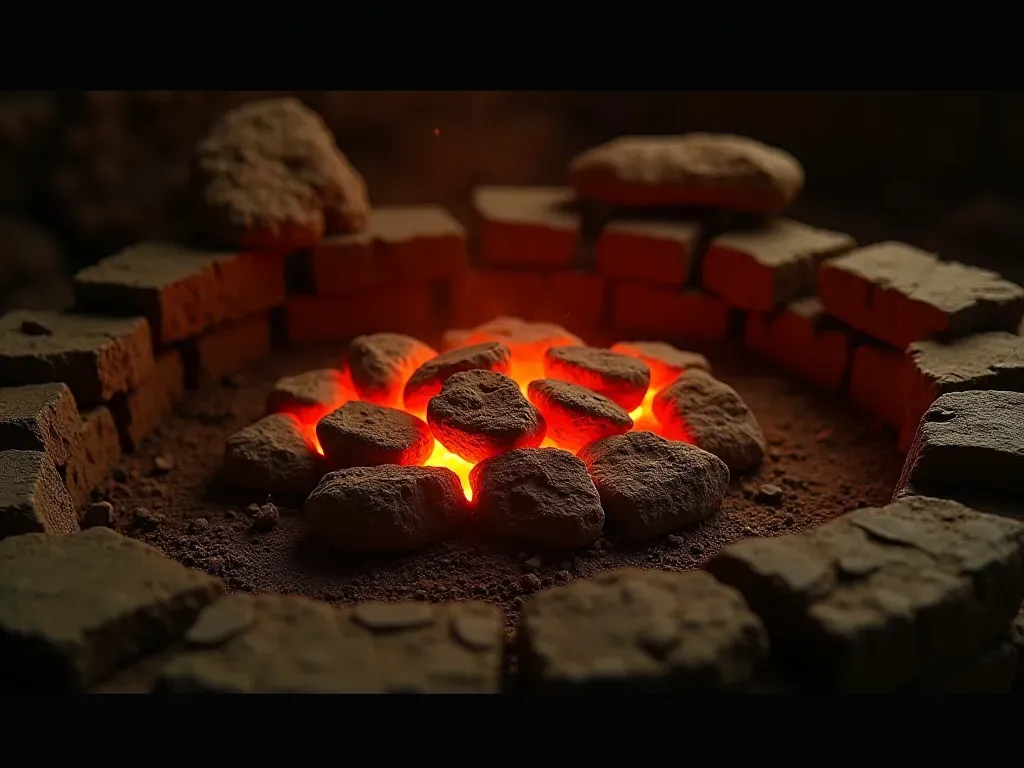
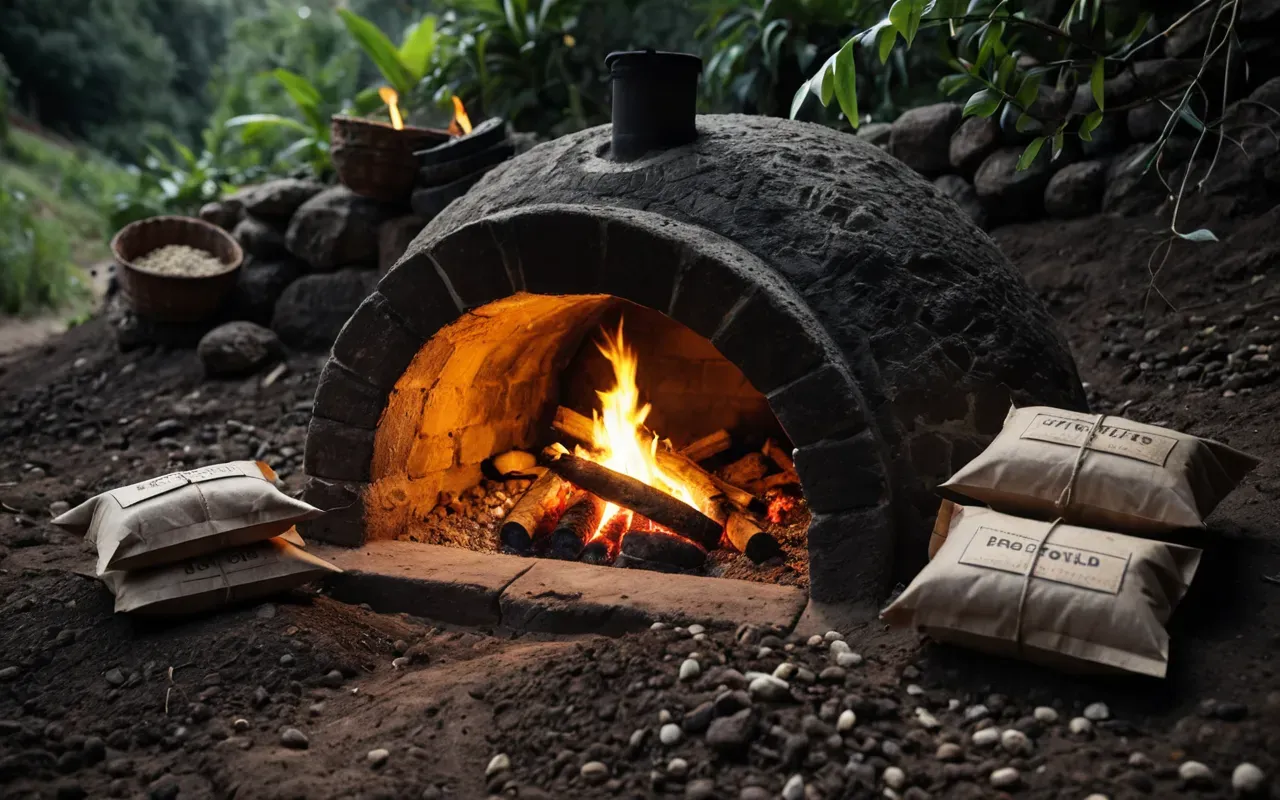
Now picture a pit in the dirt. You throw hot limestone rocks inside.
You drop food between wet leaves. Then you bury it under a lid of dirt.
Wait one to three days. This is not a metaphor. It was the standard method.
I found this detail in a new report from a dig site near the Comal River.
Most people think slow cooking is a modern luxury. They are completely wrong.
Why the dirt was actually the ingredient
The secret is thermal mass. Limestone holds heat for a very long time.
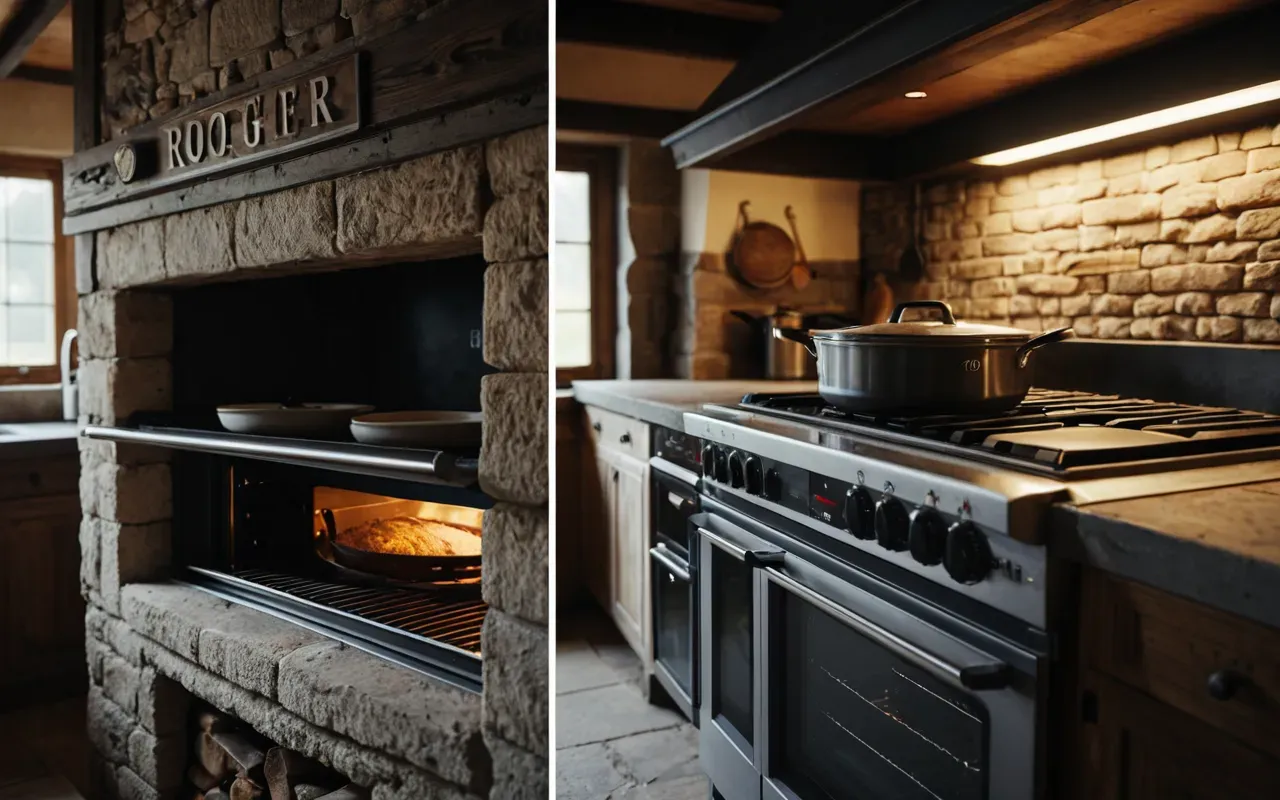
Modern ovens lose heat every time you open the door. These pits did not.
The dirt lid created a sealed environment that trapped moisture and temperature.
The science of buried heat transfer
When the sticks burned away, the rocks fell into the hole. The energy stayed put.
This is a passive system that requires zero fuel input during the cook time.
We keep praising modern engineering while ignoring this ancient physics lesson.
The people who did this were not nomads
Cooking takes time. Time implies staying in one place.
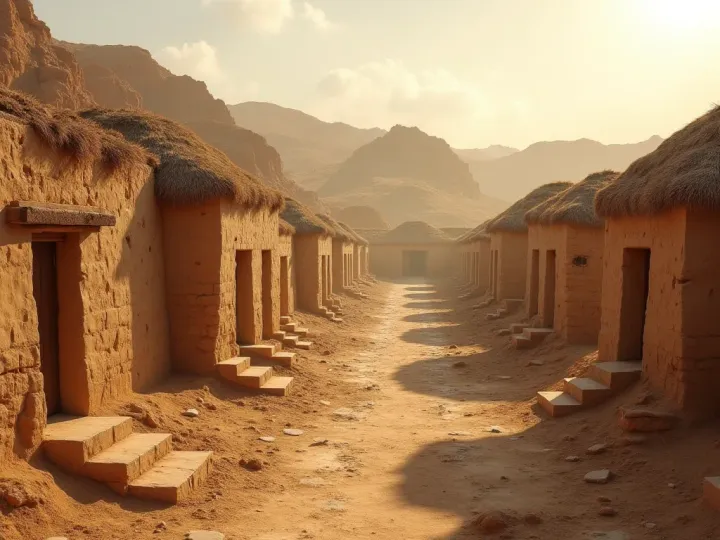
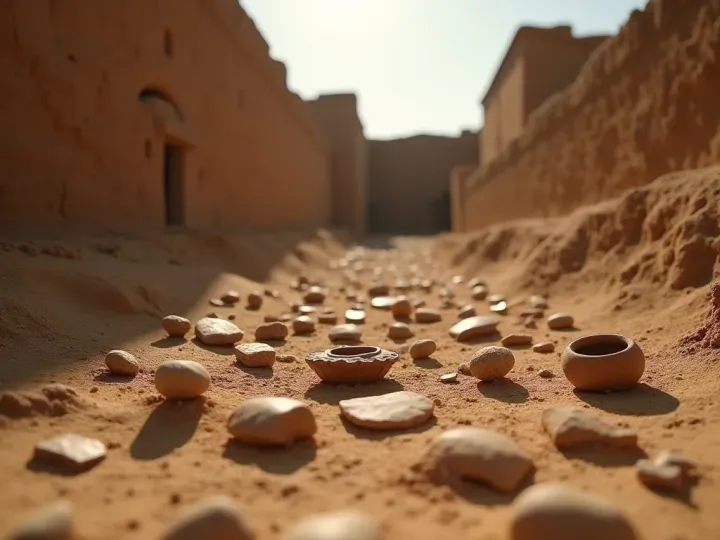
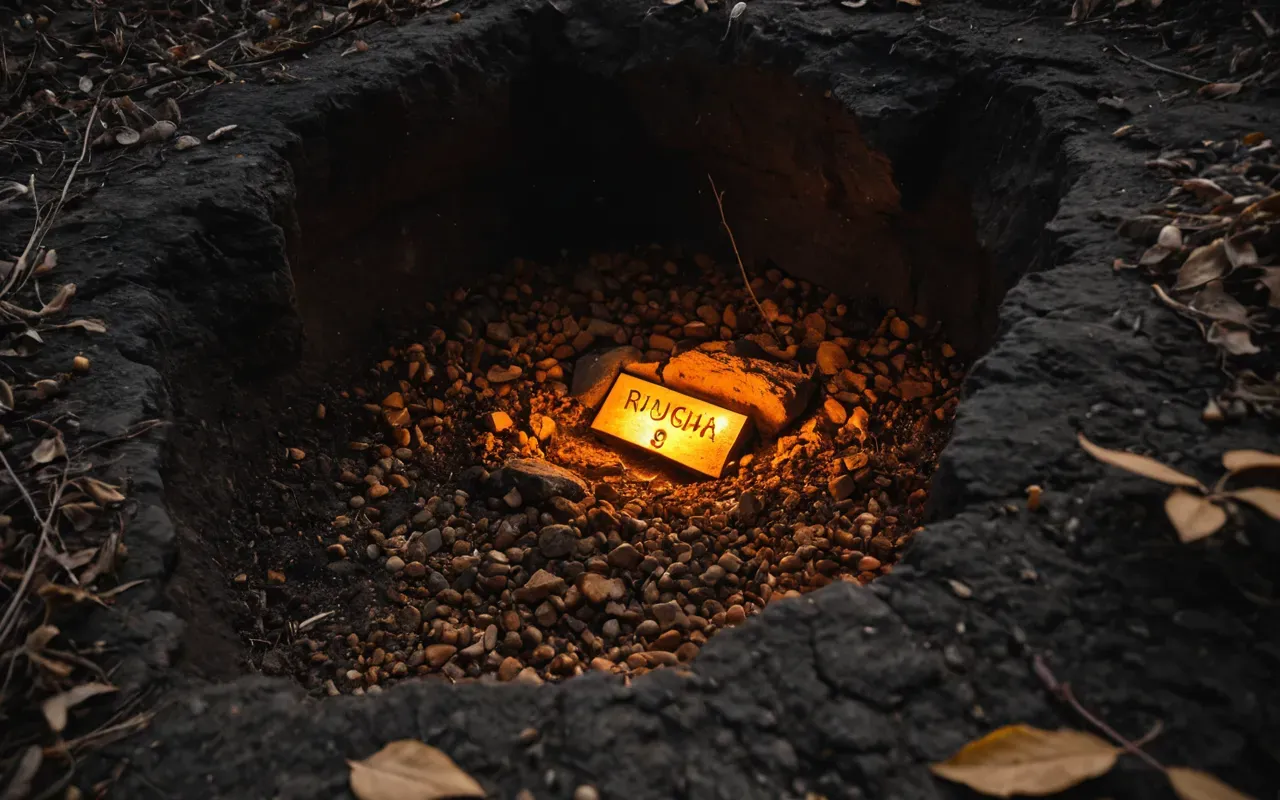
Archaeologists found dozens of these pits in the same specific area. This is huge.
These groups returned to this exact spot over and over for generations.
Why they kept coming back to the water
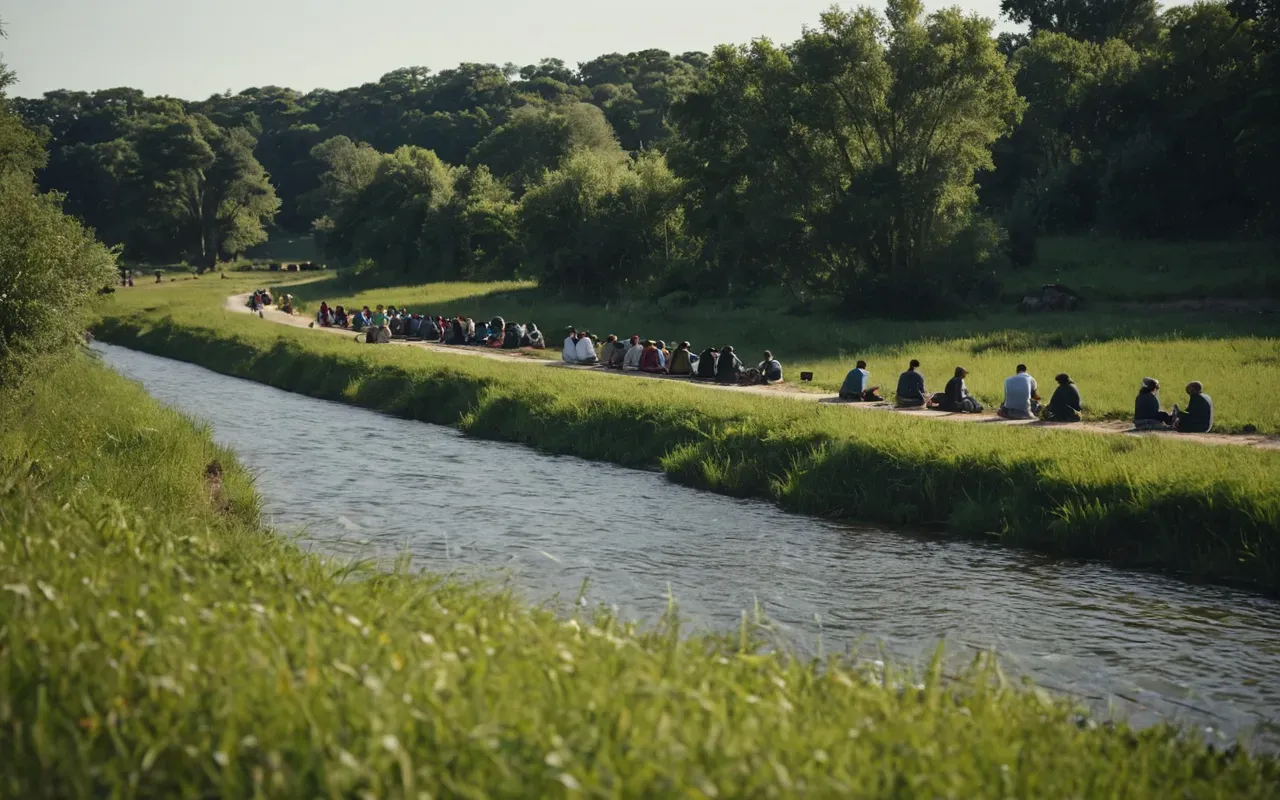
A local creek was slowly getting wider and longer over centuries.
More water meant more fish. More fish meant a reliable food source for these families.
The cooking pits are just the physical proof that they were building a life here.
What this tells us about early human ingenuity
We often view prehistoric life as chaotic and desperate. The data says otherwise.
These people planned their meals with a precision that rivals modern diet planning apps.
They understood heat transfer and insulation without a single textbook in sight.
The tools that survived the test of time
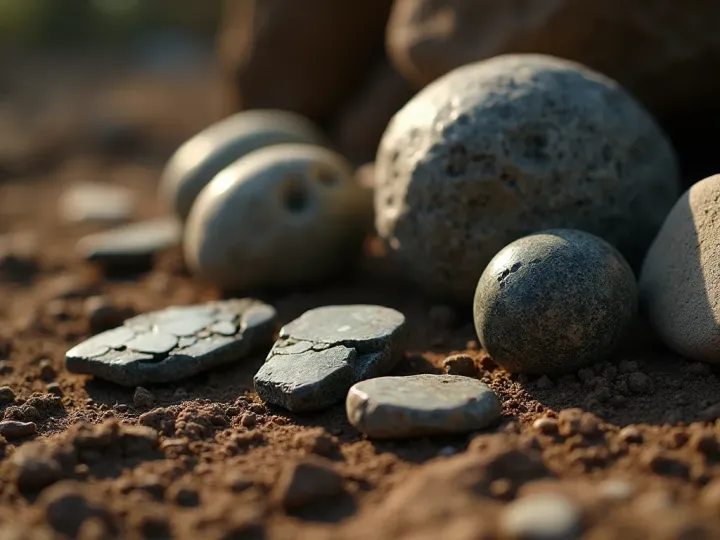
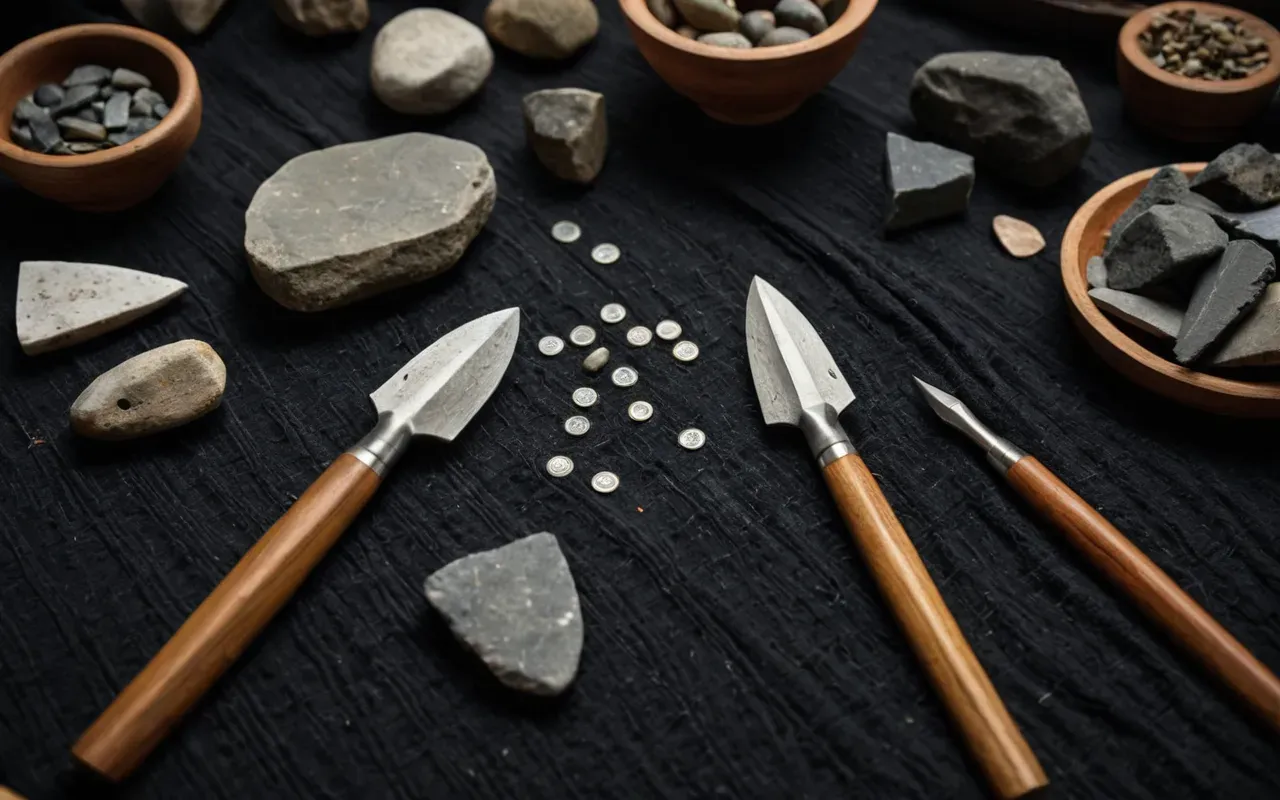
Gravers for drilling wood. Scrapers for hides. Points for sticks.
These were not crude rocks. They were specialized instruments with specific jobs.
Why this matters for how we see the past
We usually measure progress by electricity and speed. These people measured it differently.
They valued consistency and patience over quick results. That is a powerful lesson today.
If you want to understand where our habits come from, look at the dirt. Literally.
The bigger picture of ancient survival strategies
This find is just one piece of a much larger puzzle about human adaptation.
Similar discoveries in other regions show the same patterns of repeated use and planning.
Comparing ancient methods to modern habits
We throw away food because it takes too long to cook. They waited three days.
Their method reduced the need for constant fuel collection. It was sustainable by design.
What we still do not know about these cooks
We have the tools. We have the pits. But we do not know what they ate.
Residues in the pits might hold clues, but analysis takes years of careful work.
Until then, we are left with the impressive engineering and a lot of curiosity.
The role of water in shaping these settlements
Water was not just for drinking. It was the engine of their entire lifestyle.
As the creek grew wider, it supported larger groups for longer periods of time.
Why you should pay attention to this discovery now
We are obsessed with speed in cooking and technology. This proves slow is better.
It challenges the idea that modern life is inherently more efficient or advanced.
Sometimes the oldest solutions are the most elegant and reliable ones we have.
The human story behind the stone tools
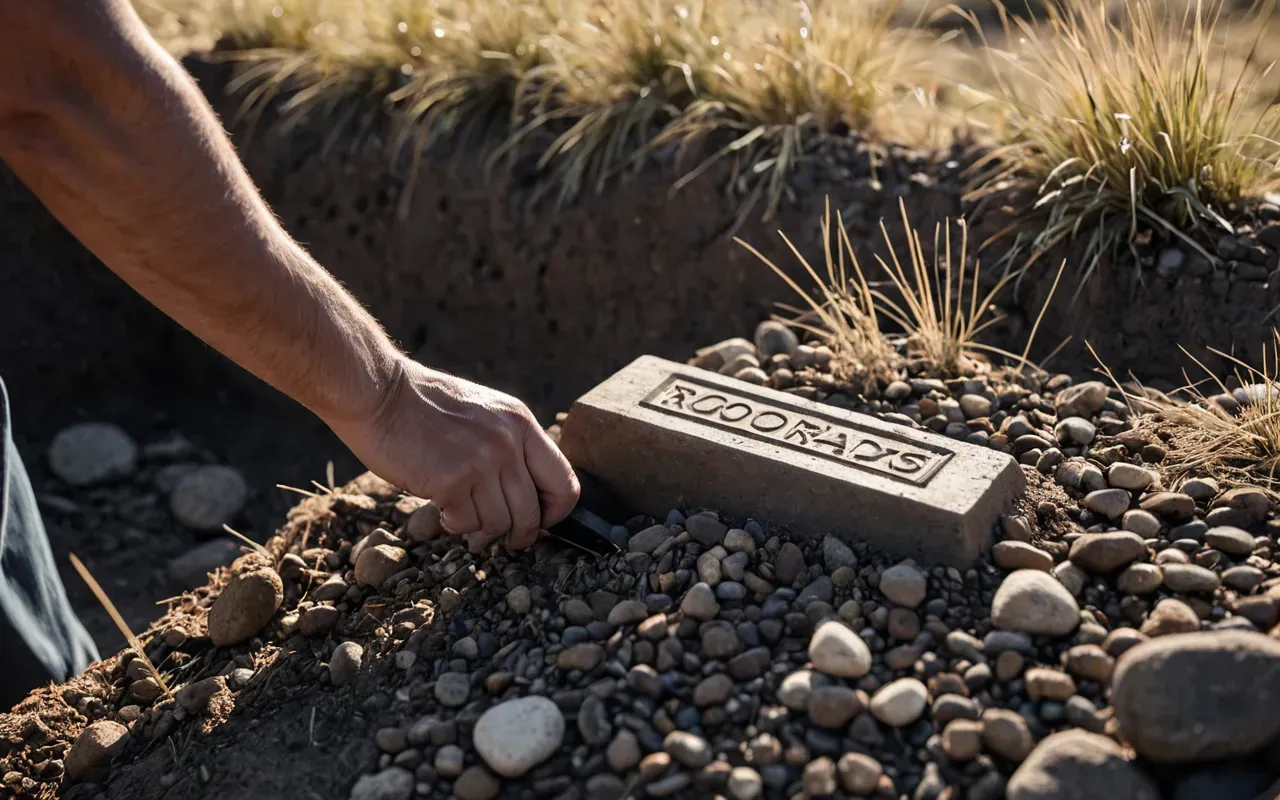
Behind every scraper and point is a person preparing for winter. Or feeding children.
These are not just objects. They are the fingerprints of daily life from millennia ago.
When you hold a stone tool, you are holding the evidence of human ingenuity.
Lessons we can steal from our ancestors today
Patience. Planning. Using what is available locally and sustainably.
We can apply these principles to our modern kitchens and energy use easily enough.
Rethinking efficiency in a high tech world
Efficiency is not always about doing things faster. It is about wasting less.
The ancient pit oven wasted almost no heat. Our modern ovens leak energy constantly.
Maybe we should learn from the past before we build our future. Seriously.