Austria just found a circle that makes Stonehenge look like a toddler project
The Circle That Broke The Timeline
Most people picture Stonehenge when they think of ancient European monuments. But that iconic ring of stones is actually a latecomer to the party.
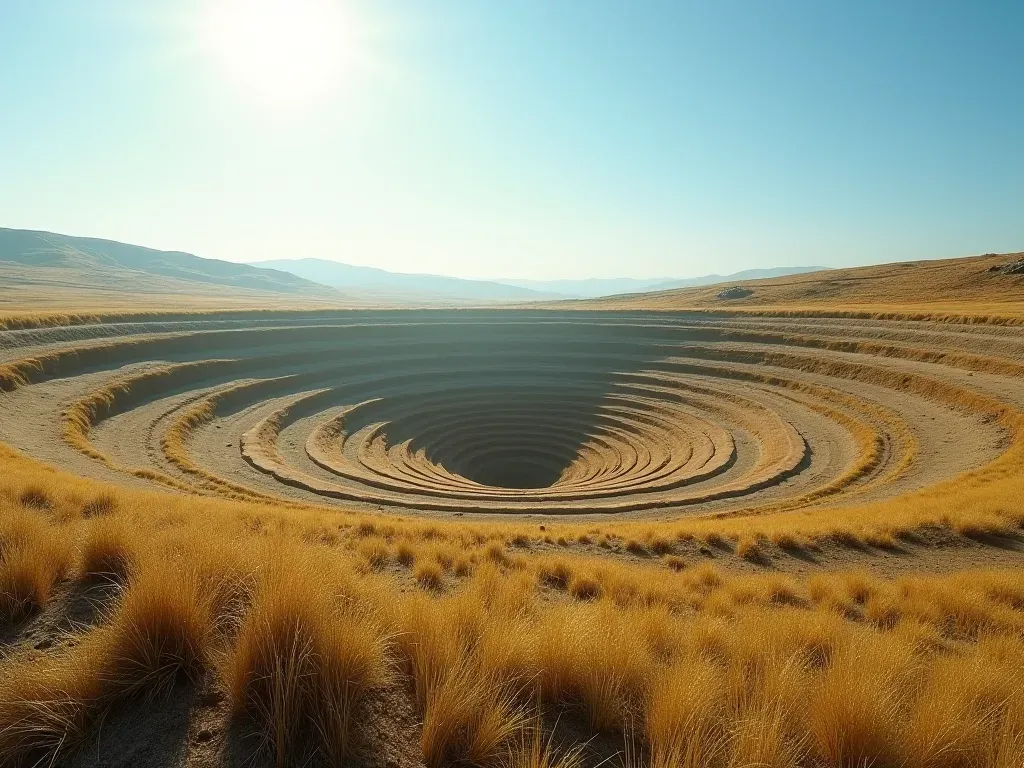
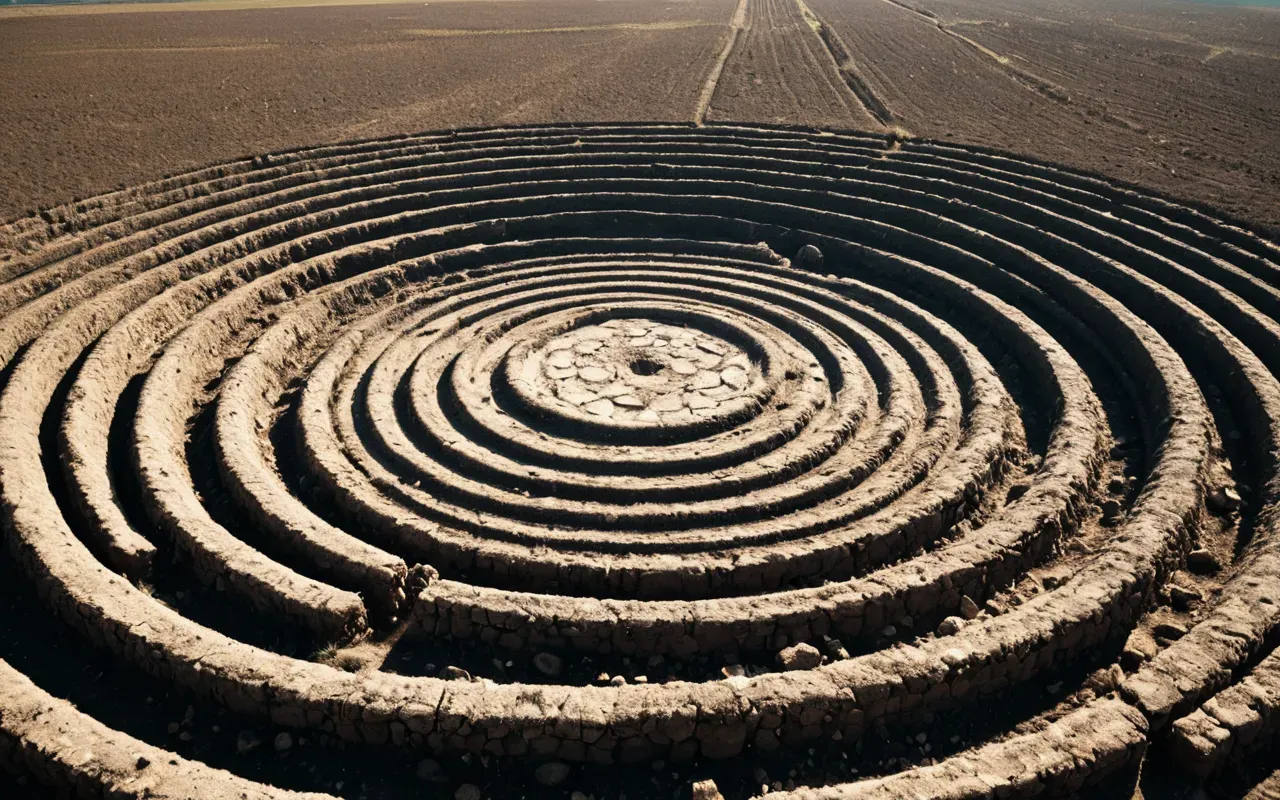
In Rechnitz, Burgenland, archaeologists just pulled back the soil to reveal something far older. We are talking about circular earthworks built between and B.C.
That is more than two thousand years before the first block was lifted at Giza. It predates Stonehenge by a similar margin.
I was struck by how humbling this is. We tend to measure ancient engineering against what we see in museums today.
But these people had no cranes. No heavy machinery. They moved earth by hand to create structures up to meters in diameter.
Why This Changes How We See The Neolithic
The standard narrative tells us the Neolithic Revolution was about survival. Start farming and you stop dying of hunger.
But the Rechnitz circles suggest something else. These communities had surplus labor and social cohesion strong enough to build massive non-residential structures.
Nikolaus Franz from Archäologie Burgenland noted that the close grouping of these earthworks marks the area as a significant center.
This isn't just random ditch digging. It implies organized effort and likely ritual or communal significance.
If you have been following similar discoveries like the Neolithic age tech boom, this fits a broader pattern. Early societies were far more complex than "primitive" suggests.
The Rescue Excavation Behind The Discovery
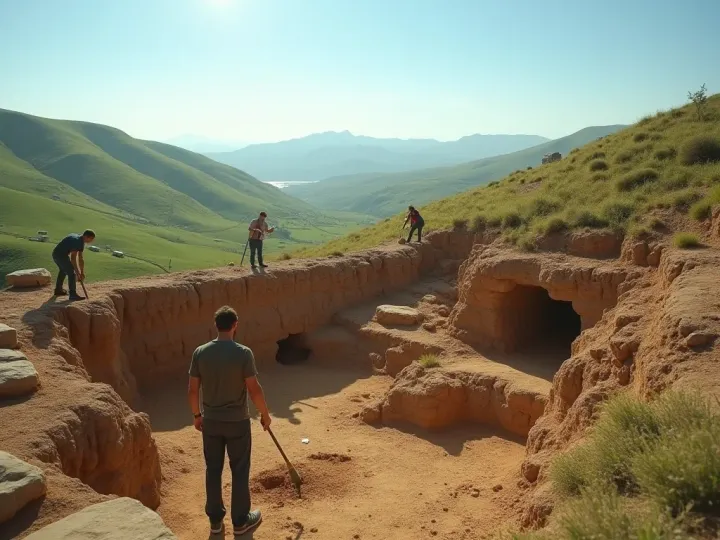
These finds weren't made during a planned academic dig. They were uncovered through rescue excavations ahead of construction.
A new archaeological visitor center is being built in the area. The development threatened to destroy buried remains if not documented first.
Teams used aerial photography and geophysical surveys to locate the sites before breaking ground.
This is a common dynamic in modern archaeology. Development drives discovery because it forces us to look before we build.
The collaboration with the municipality and specialist firm PANNARCH was crucial. Without that coordination, these circles might have been paved over.
What The Soil Tells Us About Daily Life
The site overlaps with two Neolithic settlements. Most house plans date to the Early Neolithic period.
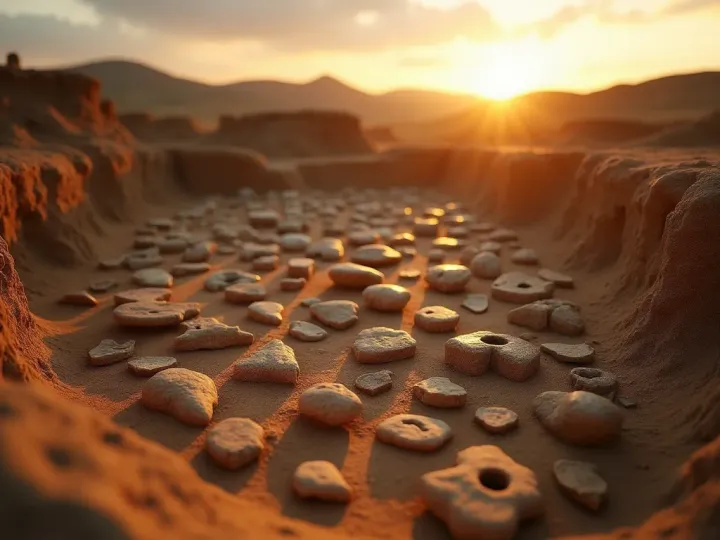
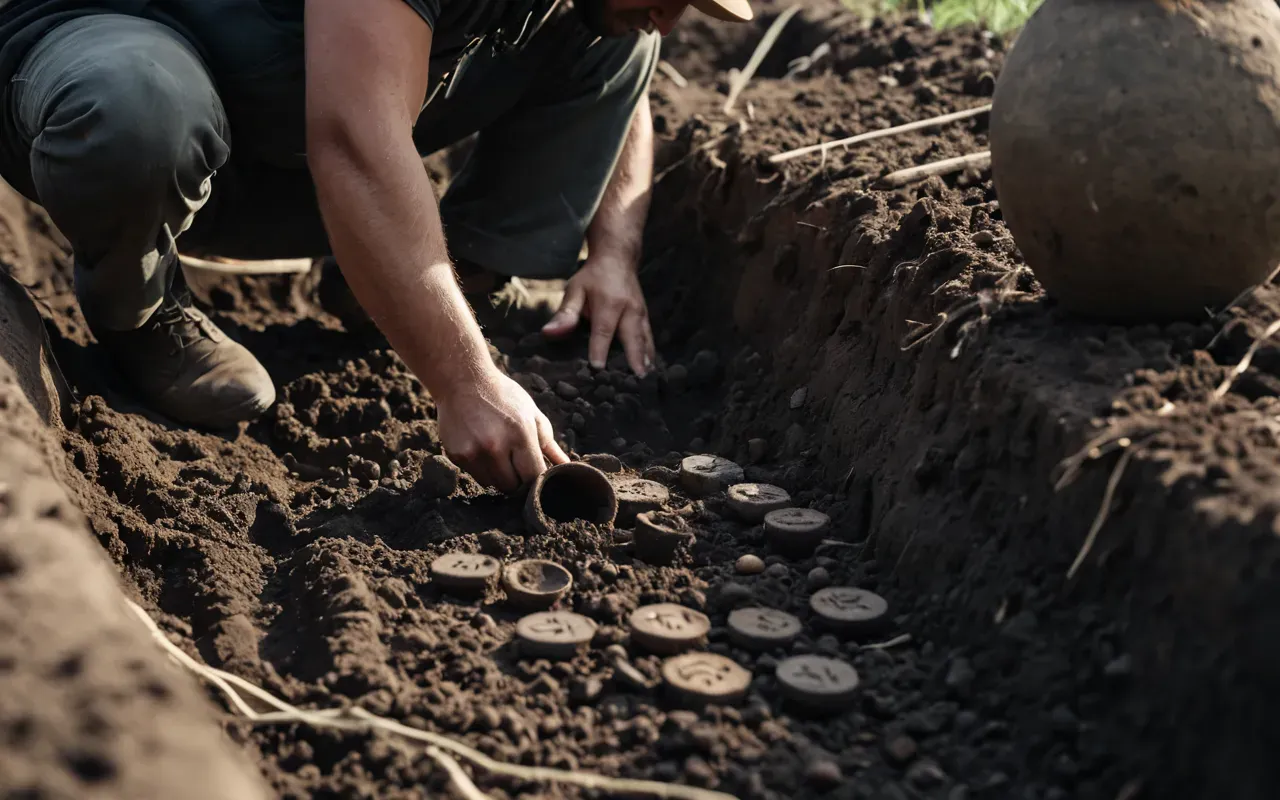
Researchers found pits, postholes, and ceramic fragments. These are the mundane footprints of daily life.
Samples will undergo bioarchaeological testing. Soil profiles are being examined at the University of Vienna’s Institute of Geography and Regional Research.
This aims to reconstruct farmland development and the region’s geological history.
It is easy to focus on the big circles. But the small details like seeds in soil or wear on pottery tell us who these people were.
The Family Units Behind The Farming Shift
Franz noted insights into early settler families who introduced agriculture and livestock to the region in the th millennium B.C.
After millennia of hunting and gathering, this transition was a turning point in human history.
Think about that. These were not abstract "tribes." They were families making hard decisions about land use and survival.
The shift to permanent farming communities required new social structures. You can't just wander when you have crops in the ground.
Why The Timeline Matters More Than You Think
We often treat the Neolithic as a single moment. A light switch that flips from wild to civilized.
But the Rechnitz data shows a layered history. Early Neolithic houses exist alongside Middle Neolithic monumental enclosures.
This suggests a long period of adaptation. People were still figuring it out thousands of years after the first seeds were planted.
If you are interested in how early technology evolved, check out Neolithic era technology that outperformed modern engineering. It puts these earthworks in context.
The Bigger Picture For European Heritage
Between and , earlier surveys documented four monumental earthworks in the southern municipal area.
Three of these were circular enclosures. They were faintly visible on the surface but clearly defined through geomagnetic data.
Now with these new findings, the site's significance is amplified. It is no longer an isolated curiosity.
It becomes a key node in understanding how communities organized themselves before written records existed.
For culture lovers and history buffs, this is a vital resource. It connects us to the ingenuity of early humans.
The discovery reinforces that our understanding of prehistory is always provisional. Every dig can shift the narrative.
So the next time you see a stone circle in a documentary, remember. The oldest ones might just be mounds of earth waiting to be found.