Chinese archaeologists just found Neolithic secrets in Turkey that rewrite history
The Silence Before the Storm: Why Yoğunburç Matters Now
Look at the map of southeastern Turkey. You see Şanlıurfa. You see Göbeklitepe, that famous stone circle everyone talks about. But there is another hill nearby called Yoğunburç. It has been quiet for a long time.
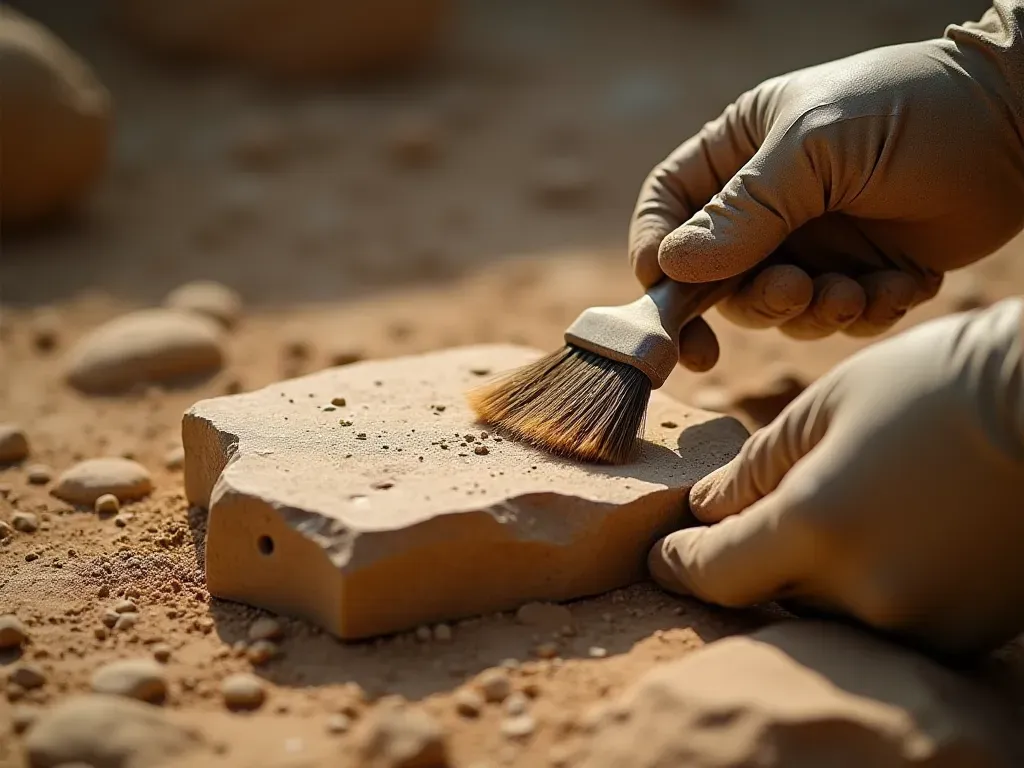
That silence is ending now. A team of Chinese archaeologists has just started digging there as part of the Stone Hills Project. They are not looking for gold. They are hunting for traces of daily life from twelve thousand years ago.
Why does this matter to you? Because these findings change how we see our own origins. We like to think early humans were simple hunters who stumbled into farming by accident. The new evidence suggests otherwise.
Beyond the Headlines: The Real Scope of the Dig
Professor Gan Caichao leads this effort. He comes from China's National Cultural Heritage Administration. This is a big deal in academic circles. His team covers twenty-two thousand square meters at Yoğunburç.
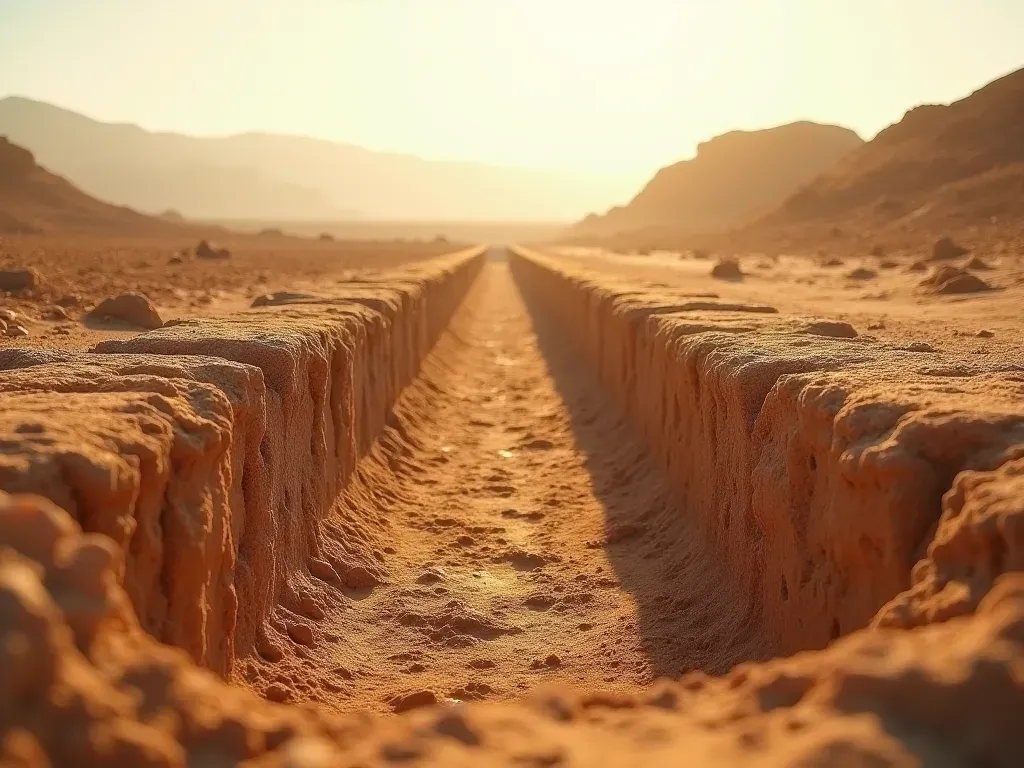
That is huge. Most digs are tiny squares compared to this scale. They dug trenches along east-west and north-south axes first. This helps them map the density of activity across the whole site.
It is not random digging. It is strategic science. They identified a central square area with high artifact density. This tells us people gathered there often. Maybe for rituals or trade.
The Artifacts That Break Our Stereotypes About the Past
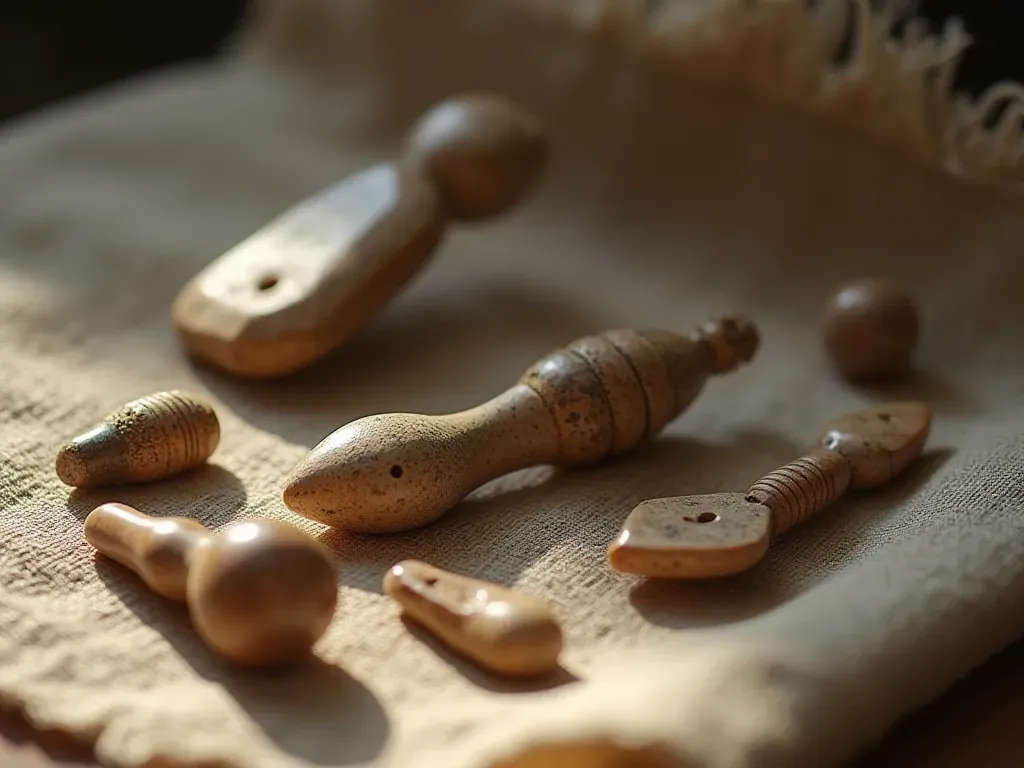
Here is what they found so far. Beads. Flint tools. Wild boar teeth. These sound small until you think about their meaning. Beads mean decoration. Decoration means status or identity.
People were not just surviving. They were expressing themselves. Professor Gan noted that these finds show high intelligence and cleverness in crafting materials. This challenges the view of early humans as merely functional.
Wild boar teeth are interesting too. They likely served as ornaments or tools. Finding them implies hunting success and selective use of animal parts. It shows a complex relationship with nature.
Why Beads Change Everything We Think About Early Society
Think about it. If you wear beads who made them? Was there a specialist craftsman in the group? That suggests division of labor. Not everyone was hunting or gathering food all day.
This level of organization requires social structure. You need rules for who gets what. Who makes the beads? Who trades them? These questions point to early forms of governance and economics.
We often blame agriculture for creating complex societies. But here we have complexity before farming really took off. The Stone Hills Project sites show settlement patterns that defy old timelines.
The Chinese Connection: A New Lens on Turkish History
It is rare to see Chinese teams leading digs in the Levant region. Usually Western universities dominate this space. This collaboration between Türkiye and China shifts the global dynamic of heritage studies.
Professor Gan expressed delight at being in Türkiye. He sees the region as one of the most important for Neolithic remains globally. His perspective brings fresh eyes to old problems.
Does this change the narrative? Maybe slightly. It shows that heritage is global knowledge now. No single country owns the story of human origins anymore. We are all part of this puzzle.
Comparing Yoğunburç to the Giant Next Door: Göbeklitepe
You cannot talk about Şanlıurfa without mentioning Göbeklitepe. It is the superstar of Neolithic sites with its massive T-shaped pillars. But Yoğunburç might tell us more about everyday life.
Göbeklitepe looks like a temple or ritual center. Yoğunburç seems more domestic in some ways. The beads and tools suggest living spaces rather than just ceremonial grounds.
If you want to understand how these people ate slept and played look at Yoğunburç. If you want to know what they believed look at Göbeklitepe. Both are needed for the full picture.
The Stone Hills Project: A Decade of Discovery in One Region
Şanlıurfa is not just one site. It is a cluster of Neolithic settlements including Karahantepe Sefertepe Sayburç and others. Together they form the Stone Hills Project network.
Dating back roughly twelve thousand years these places show the transition from hunter-gatherers to settled communities. It did not happen overnight across thousands of miles.
It happened here first in this specific valley. The density of sites is unmatched anywhere else on Earth. This concentration allows researchers to compare findings directly across nearby locations.
What This Means for Modern Heritage Preservation Efforts
Preserving these sites is a challenge. Climate change tourism and urban pressure threaten them all. The Stone Hills Project tries to balance access with protection.
For enthusiasts and scholars in Turkey this offers engaging resources. Educational toys games and novels inspired by Neolithic themes are emerging too.
This makes the ancient period accessible to kids and adults alike. Gift options related to Neolithic art are available for collectors too.
Who Wins When We Rewrite Human History?
Academics win because they get new data. Locals win through tourism revenue and pride in their heritage. But who loses? Maybe the people who believed history was simple.
Complexity is hard to sell in textbooks. We like clean stories about progress from caves to cities. Reality is messier slower and more fascinating.
I was struck by how quickly the team found meaningful artifacts. Only weeks into digging they already have beads and flint that speak volumes.
It suggests the potential for even bigger surprises ahead. Maybe we will find evidence of early writing or symbolic communication systems.
The Bigger Picture: Connecting Past Ingenuity to Present Innovation
Exploring this period enhances our understanding of early human creativity. Those flint tools were cutting-edge technology for their time.
Those beads represented social networks that spanned long distances. Trade routes existed before roads were built.
So what do we take away from Yoğunburç? That our ancestors were smarter more organized and more creative than we give them credit for.
Whether you are a history buff or just curious about where we come from this story is worth watching. Keep an eye on the Stone Hills Project updates.
Final Thoughts: Why This Dig Changes Your Perspective Today
We tend to view the past as distant and foreign. But seeing how closely these early societies mirror ours in their need for connection makes it feel immediate.
The wild boar tooth found by the team is not just an object. It is a piece of someone's identity from twelve millennia ago.
That person mattered. Their choices shaped the world we inherit now. Understanding that link gives us humility and hope.
As more data comes in expect textbooks to be rewritten again. History is never finished it just waits for the next shovel strike.
If you are interested in learning more about how these findings connect to broader cultural trends check out this analysis of the Chinese team's role.
Also consider reading about how Neolithic innovations were hidden in plain sight for thousands of years before being recognized.
Finally explore the hidden influence of Neolithic innovations on modern cultural identity to see the full impact.