Discovering the Roots of Humanity Through the Neolithic Era and the Taş Tepeler Project

Unearthing Human Beginnings The Significance of the Neolithic Era
The Neolithic era, often referred to as the New Stone Age, marks a fundamental turning point in human history that took place approximately 10,000 years ago. During this period, early humans transitioned from nomadic lifestyles centered around hunting and gathering to establishing permanent settlements and developing agriculture. This transformation was revolutionary, laying the groundwork for complex societies, innovations in tools, domestication of plants and animals, and advancements in social organization. Understanding the Neolithic era is crucial because it reflects the genesis of many features that define modern civilization, including community living, craftsmanship, and early forms of spiritual or cultural expression. The period was not only about subsistence but also about experimentation and adaptation, shaping the trajectory of human development. The insights gained from archaeological excavations provide us with tangible evidence of these early innovations, from primitive tools to complex infrastructure. Exploring the Neolithic era allows us to appreciate the ingenuity of our ancestors and underscores their pivotal role in shaping the world we live in today.

The Taş Tepeler Project A Gateway to Neolithic Discoveries in Turkey
In recent years, Turkey has emerged as a vital hub for Neolithic archaeological research, highlighted by the innovative Taş Tepeler project. This comprehensive initiative aims to uncover and preserve the ancient sites scattered across the region, offering profound insights into early human life and societal development. The project involves meticulous excavation, documentation, and analysis of artifacts, providing scholars and enthusiasts with a richer understanding of the Neolithic period within Turkey’s diverse landscape. By focusing on discoveries like early tools, pottery, and remains of primitive dwellings, the Taş Tepeler project bridges the past with the present, fostering cultural appreciation among local communities and international audiences alike. The project is also an educational platform, featuring interactive exhibits and resources that make the ancient period accessible and engaging. For those interested in exploring Turkey’s deep historical roots, the Taş Tepeler project not only reveals remarkable archaeological findings but also demonstrates how modern technology and research methodologies can bring the distant past to life, emphasizing the enduring importance of cultural heritage.
From Tools to Traditions Innovations That Shaped Early Societies
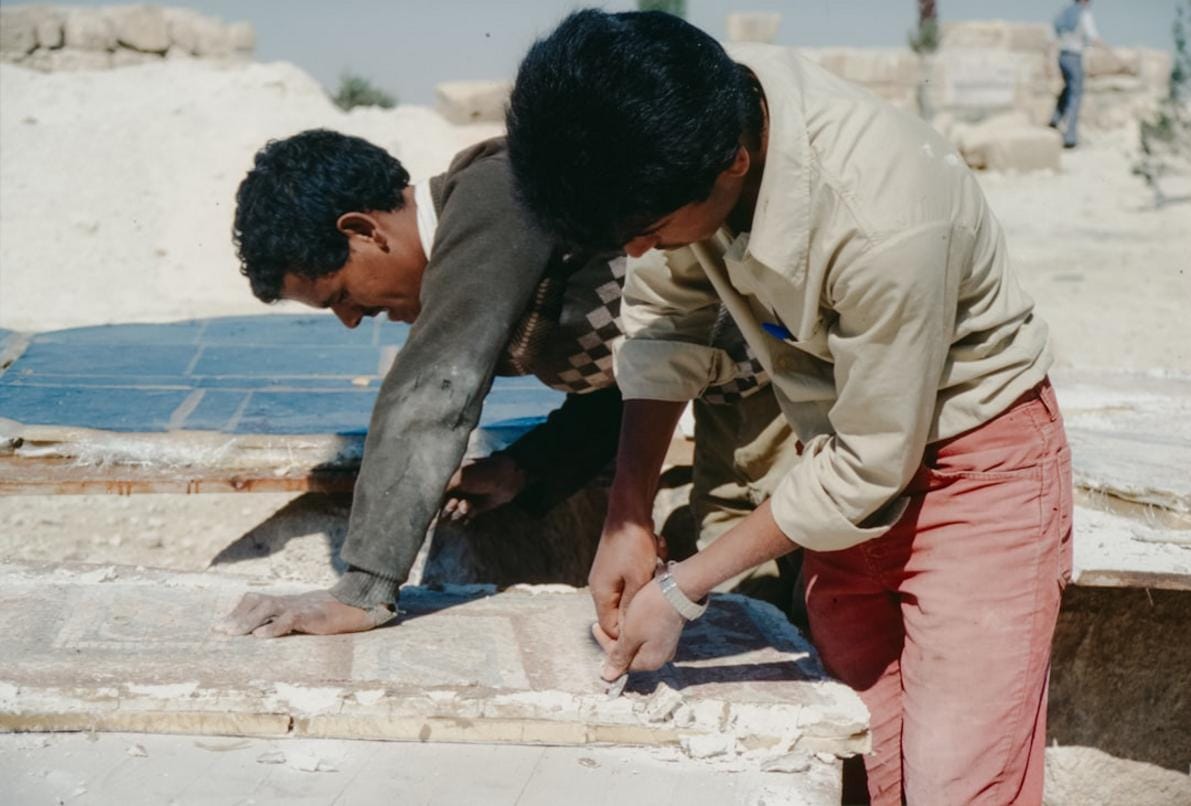
One of the most compelling aspects of the Neolithic era explored through the Taş Tepeler project is the evolution and significance of the tools and artifacts left behind by early humans. These primitive implements—made from stone, bone, and later, metal—were essential for survival and signal a leap in technological advancement. Tools for hunting, farming, and domestic activities laid the foundation for societal development, and their craftsmanship reveals a complex understanding of materials and functionality. The artifacts also reflect evolving cultural practices and belief systems, providing clues about the spiritual life of ancient communities. As archaeologists carefully analyze these relics, they uncover stories of innovation, adaptation, and shared knowledge, highlighting the ingenuity that propelled early societies forward. Modern recreations and educational resources inspired by Neolithic tools help cultivate appreciation for this crucial period, ensuring that the legacy of human creativity endures in contemporary culture and education.