The hidden pattern in ancient pottery that predicts how modern societies collapse
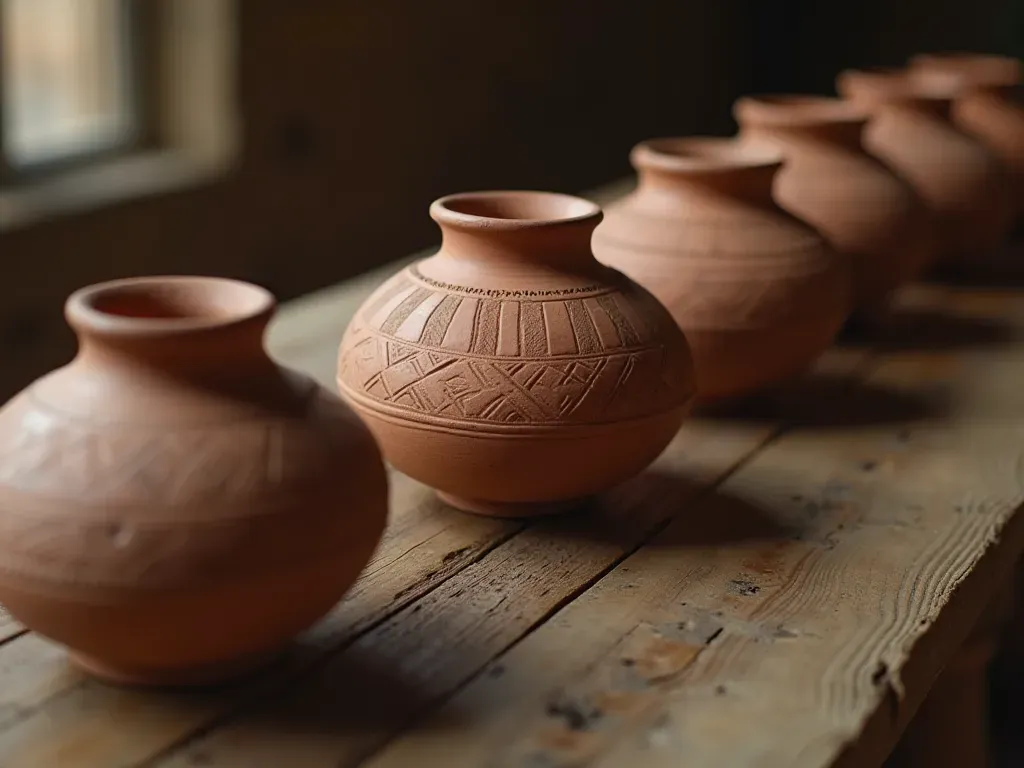
The clay that tells the truth about us
History looks like a straight line to most of us. Progress moves forward. Technology gets better. Society improves. That model is wrong. Completely wrong.
A new study from researchers in Germany and Ukraine just proved it. They looked at Neolithic Europe. Specifically, they analyzed thousands of pottery shards.
The finding is startling. Societal changes do not follow a linear path. They cycle. And pottery holds the key to understanding why.
Why pottery is better than written records
Written history often lies. Or at least, it is biased by the winners. Pottery does not care who wins.
Pottery is durable. It survives fires and floods. It accumulates over centuries. Every pot tells a story of who made it.
Dr. Aleksandr Diachenko and Dr. Detlef Gronenborn realized this potential. They built a mathematical model to decode these shards.
They focused on two regions. Southwestern Germany and central Ukraine. Two very different societies with one thing in common.
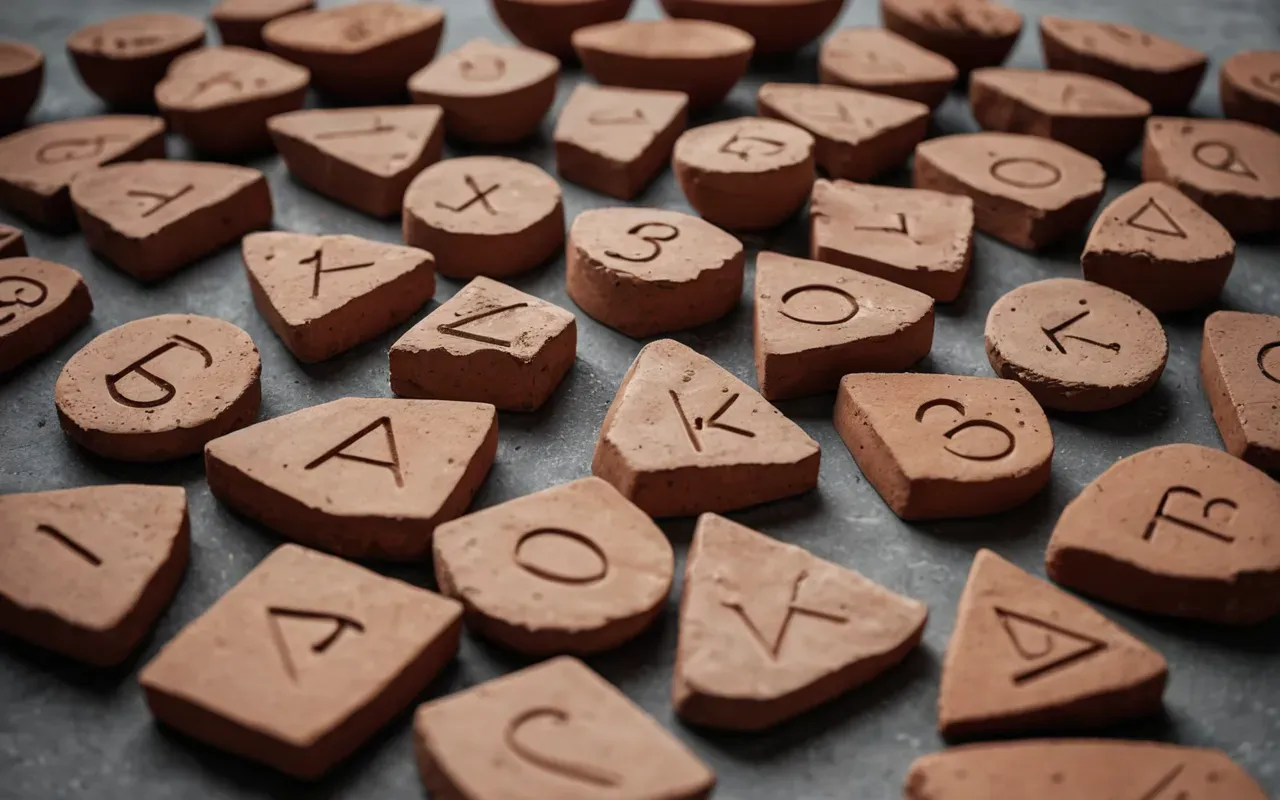
Two regions and two completely different fates
In southwestern Germany, the Linear Pottery Culture thrived around years ago. Their pottery was diverse.
As their population grew, so did the variety of decoration styles. More people meant more creativity. Complexity led to individual expression.
But then the population peaked and declined. The diverse styles vanished. The society collapsed into uniformity before fading away.
In central Ukraine, the story flipped. The Western Trypillia Culture faced similar population pressures.
The paradox of uniformity in a growing society
As the Ukrainian population grew, their pottery became more uniform. Not less diverse.
Why? Craft specialization. When you need to feed more people, efficiency wins over creativity.
They standardized production. This allowed them to sustain larger populations for longer periods.
This is the counterintuitive part. Uniformity can be a sign of strength. Not weakness.
The German society chose diversity until it broke. The Ukrainian society chose order to survive.
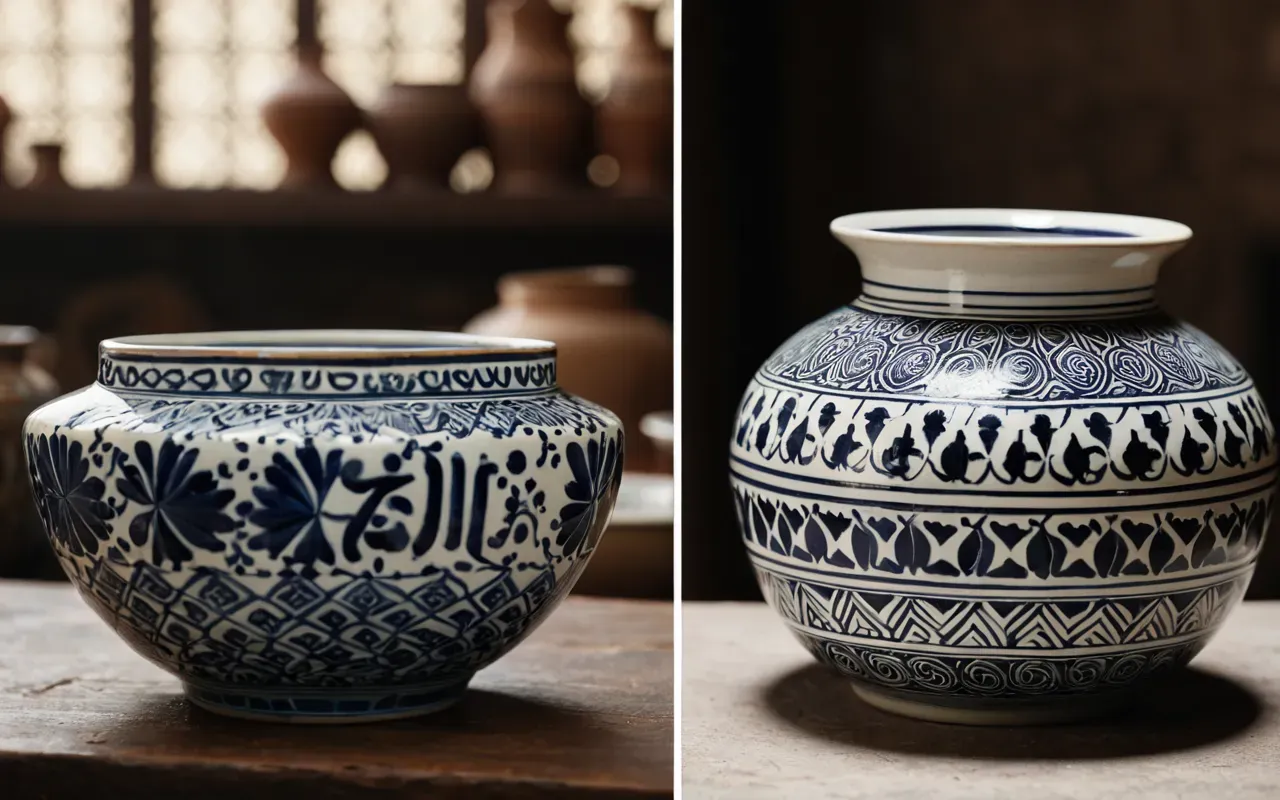
The math behind the clay
Diachenko and Gronenborn did not just count pots. They modeled the flow of information.
Their algorithm tracks how decoration styles spread. It measures the rate of cultural transmission.
They found that production bias shapes assemblage diversity. Simple economics drives cultural evolution.
How population size dictates artistic freedom
When a group is small, everyone can be an artist. When it grows large, only specialists survive.
This mirrors modern tech startups. Early teams are creative and chaotic. Late-stage companies become rigid and efficient.
The Neolithic data proves this is not new. It is human nature encoded in clay.
We keep seeing this pattern. Innovation sparks growth. Growth demands structure. Structure kills innovation.
The question is not which path is better. It is when the switch happens.
What this means for our modern world
Gronenborn says the results provide valuable information for contemporary societies.
We live in a globalized world. Our information networks are faster than any Neolithic village could imagine.
But the underlying dynamics remain identical. Population growth strains resources and communication.
The warning hidden in the shards
If we prioritize diversity without structure, we risk collapse. If we prioritize structure without innovation, we stagnate.
The Neolithic evidence suggests there is no perfect solution. Only trade-offs.
I find this humbling. We think we have invented complex social problems. We have not.
We are just dealing with them at a larger scale. With faster feedback loops.
The clay does not judge our choices. It simply records them.
A call for a new kind of social thinking
We need to study these cycles. Not just the peaks and troughs.
We need to understand the mechanisms. The math behind the clay.
Diachenko warns that we are only beginning to unravel this complexity.
This study is a step. Not the end. It invites us to look deeper.
For those interested in the broader context of how ancient systems inform modern thinking, check out this piece on how Neolithic logic still beats software design. It shows a similar pattern of simple rules creating complex outcomes.

The final lesson from the Neolithic past
Societies are not machines. They are living systems.
They grow. They adapt. Sometimes they fail. And sometimes they surprise us.
The pottery shards from Germany and Ukraine are not just artifacts. They are mirrors.
They show us that our current struggles with growth and innovation are nothing new.
We are all just playing the same game. With different tools.
The question is not whether we will face these cycles. We already are.
The question is whether we will learn from the clay.