You have been taught that Indigenous archaeology is a myth but one project just proved you wrong
The quiet erasure hiding in plain sight
For decades, the archaeological record treated a specific group as ghosts. They were there, they built things, and they left behind material culture that told stories of vibrant life. Yet, for generations, Western taxonomies simply refused to acknowledge them.
The label was "people in-between." It sounded academic. It felt neutral. But the implication was devastating: you do not exist as a distinct nation with your own history and rights.
This was not just a mistake in a textbook. It was a systemic removal of agency. Sites were categorized as either pre-contact First Nations or post-contact Euro-Canadian. Anything else? Ignored.
Look at Chimney Coulee in Saskatchewan. Years of disturbance and misinterpretation have made Métis occupation nearly invisible to the untrained eye. It is a physical erasure that mirrors the academic one.
But here is the thing. Erasure does not mean absence. It means suppression. And now, that suppression is being broken by a team that refuses to play by old rules.
How EMITA is rewriting the rules of engagement
Dr. Kisha Supernant and her team at the University of Alberta are not just digging holes in the ground. They are dismantling a paradigm.
The Exploring Métis Identity Through Archaeology (EMITA) project operates on a simple but radical premise. Research must be grounded in the values of the people whose history is being studied.
They lean on wahkotowin. This is a concept of deep interconnectedness that goes far beyond simple association. It treats relationships as the primary unit of analysis.
Then there is Keeoukaywin. The visiting way. Excavation is not about stripping a site bare for profit or data points.
It is about visiting with ancestral belongings. It requires consent. It demands respect. And it keeps the community in control of every step.
This is not a minor tweak to standard procedure. It is a complete overhaul of who gets to decide what matters in the past.
The role of Elders and knowledge keepers
In traditional Western archaeology, the field is often a sterile zone for graduate students and professors. The voices of the people connected to the land are usually absent until the report is written.
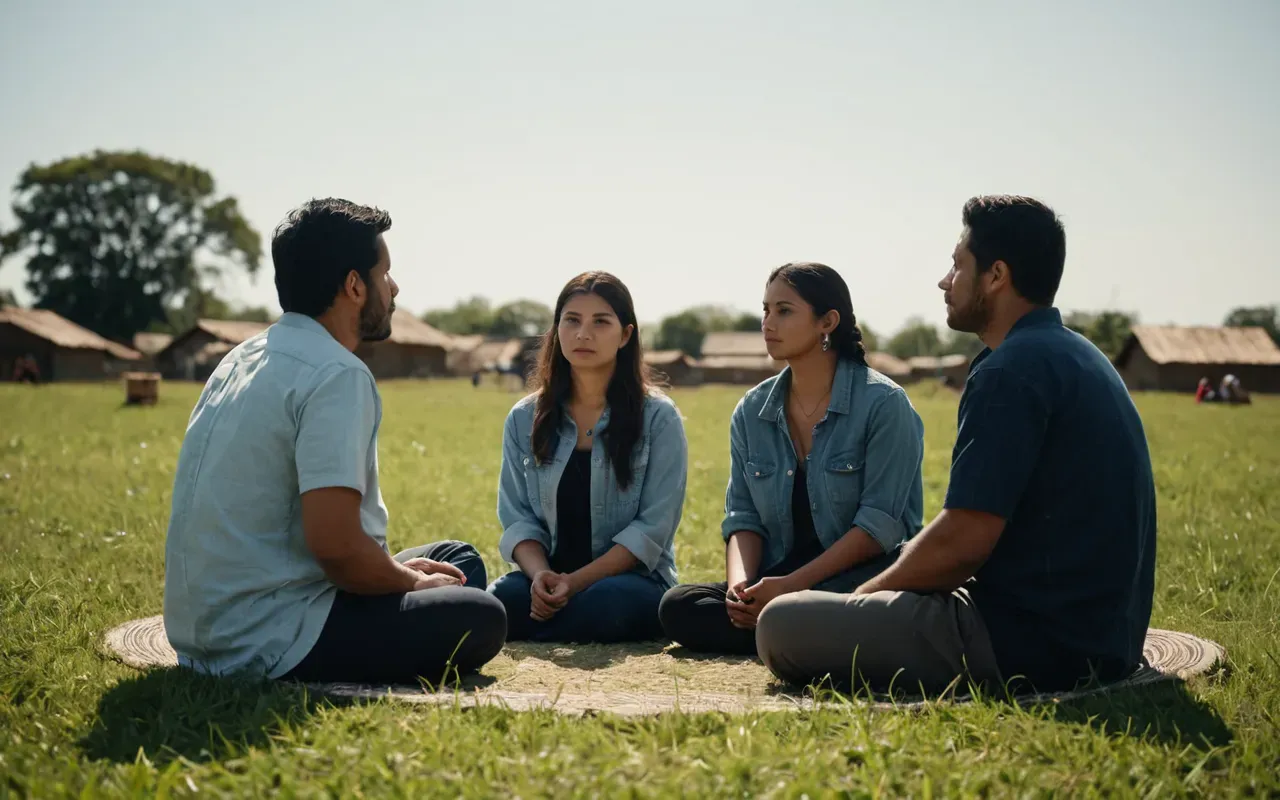
EMITA flips this. Elders and knowledge keepers are involved at every stage of the research cycle. They co-produce the narrative.
They bring oral histories that fill in gaps left by physical artifacts. They provide context that no amount of carbon dating can offer.
This braiding of traditional ways of knowing with empirical science creates a richer, more accurate picture. It is not just data. It is memory.
Non-destructive methods and the ethics of excavation
We keep seeing a shift toward less invasive techniques in modern research. EMITA embraces this fully.
They use GIS and remote sensing to locate features before ever breaking ground. This minimizes disturbance to the landscape.
When excavation is necessary, it is treated as a solemn act. The team approaches the soil with reverence for what lies beneath.
This method respects the land as a living entity. It aligns with Métis protocols that view belongings not just as objects, but as relations.
The legal stakes behind the academic work
You might think this is just about history books. It is not. The stakes are legal and financial.
Land claims in Canada rely on proof of continuous occupation. If the archaeological record says Métis settlements were ephemeral or transitional, that weakens their case.
By reframing these sites as vibrant, self-governing communities, EMITA provides the data needed to support contemporary rights.
This is political assertion through science. It challenges the colonial mechanisms that have sought to dissolve Métis title to land and resources.
The narrative of the "in-between" was not neutral. It served a purpose in minimizing Indigenous claims to territory.
Challenging the colonial heritage legislation
Provincial laws often dictate how artifacts are handled. These laws were written without Indigenous input.
EMITA advocates for a different framework. One where the community has final say over what happens to their ancestors' belongings.
This is a direct challenge to the status quo. It demands that heritage sectors adapt or risk being left behind.
The project shows that law and culture do not have to be enemies. They can align when power is shared.
Data sovereignty as a tool for self-determination
One of the most underreported aspects of this work is the database. It is not just a list of items.
EMITA is building an object-centered database organized around families, places, and landscapes. Not Western typologies.
This structure mirrors how Métis people actually relate to their history. It is relational, not categorical.
By defining their own metadata, the community controls how information is accessed and interpreted.
This is Indigenous Data Sovereignty in action. It ensures that decisions about care and interpretation remain within the Métis community.
It creates bridges instead of barriers. Community members can engage directly with their own material culture without institutional gatekeeping.
The blueprint for future Indigenous research
This model is not unique to Métis studies. It offers a blueprint for how archaeology can evolve globally.
It shows that science and culture are not opposing forces. They can work together when respect is the foundation.
For other Indigenous nations facing similar erasure, EMITA provides a powerful example of what is possible when agency is reclaimed.
If you are interested in how cultural identity shapes modern heritage, this project is a key example.
Why this changes more than people think
We often treat archaeology as a static record of the past. EMITA proves it is a dynamic tool for the present.
It challenges the assumption that only Western science can validate history. Indigenous knowledge is equally valid and often more accurate.
This shift has ripple effects across academia. It forces institutions to rethink their power structures and funding models.
It also impacts how museums display artifacts. The narrative is no longer controlled solely by the institution.
Visitors are encouraged to see these objects through the eyes of their descendants. This changes the emotional impact of a visit.
If you want to see how museums reshape our understanding of human creativity, this is the direction we are heading.
The future of Métis identity in a changing world
Reclaiming stories through archaeology is more than an academic exercise. It is a vital tool for supporting contemporary rights.
By shifting the focus from object-centered categorization to relationship-centered archaeology, we assert continuity.
The EMITA project demonstrates that when we treat archaeological materials as kin and sites as living kinscapes, we weave a stronger future.
This is not just about remembering. It is about surviving and thriving in a world that has often tried to erase you.
The work of Dr. Supernant and her team is a reminder that the past is never truly gone if we keep it alive.
So, what does this mean for you? It means the story of who we are is being rewritten by those who lived it.