Italy's buried dead are proving archaeologists completely wrong about how civilization actually began
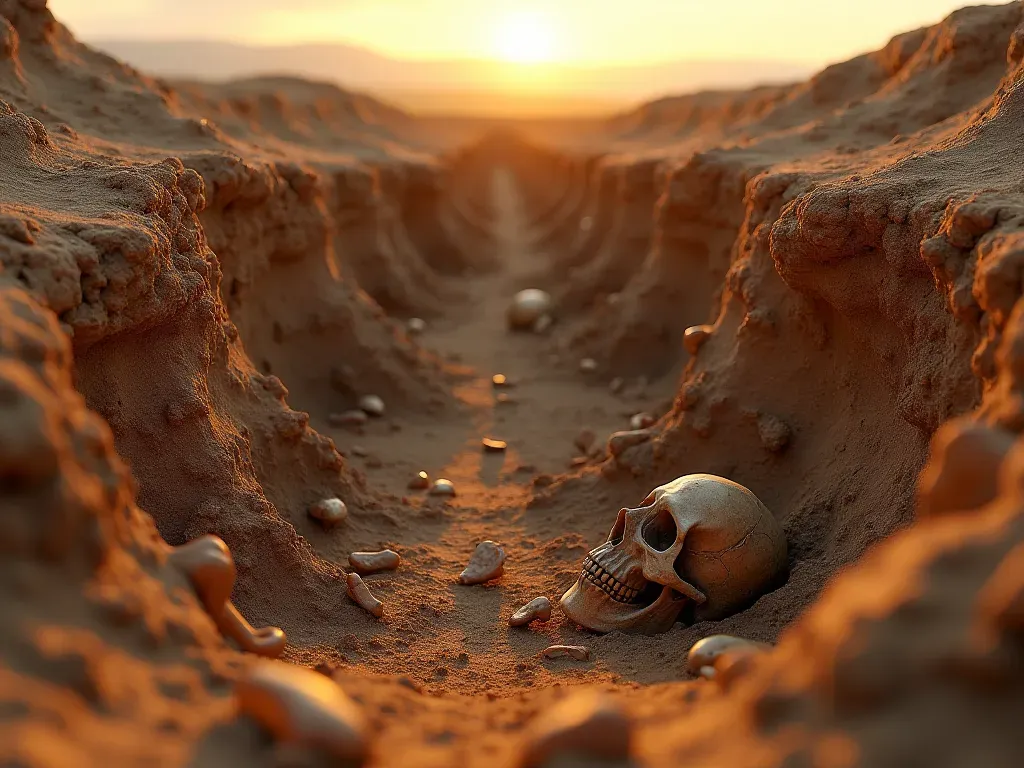
The textbook just got shredded by a pile of bones
For decades, the standard story went something like this. Early humans dug a shallow hole in the dirt and dropped their dead inside.
Then came the Copper Age. Suddenly everyone started building massive communal tombs in stone.
Clean. Simple. A clear line between the primitive past and a more structured future.
But that story just took a massive hit. A new study looking at nearly ancient burials in southern Italy is tearing up the script.
The researchers found that death rituals did not swap out neatly. They layered on top of each other.
And that changes everything we think we know about how early societies actually formed.
Why this specific discovery breaks the old model
The study covered a staggering span of time. Roughly to B.C.
That is over two thousand years of human behavior compressed into a single dataset.
The team examined remains from different sites. We are talking about Puglia, Basilicata, and Calabria.
They looked at how bodies were positioned. They checked if bones had been moved after death.
They even tracked whether skulls were deliberately removed from the grave long before burial closed.
Here is the part that should make every history student pause. The practices did not disappear.
They persisted. They adapted. They mixed with new ideas in ways that defy a simple timeline.
The messy reality of Neolithic death rituals
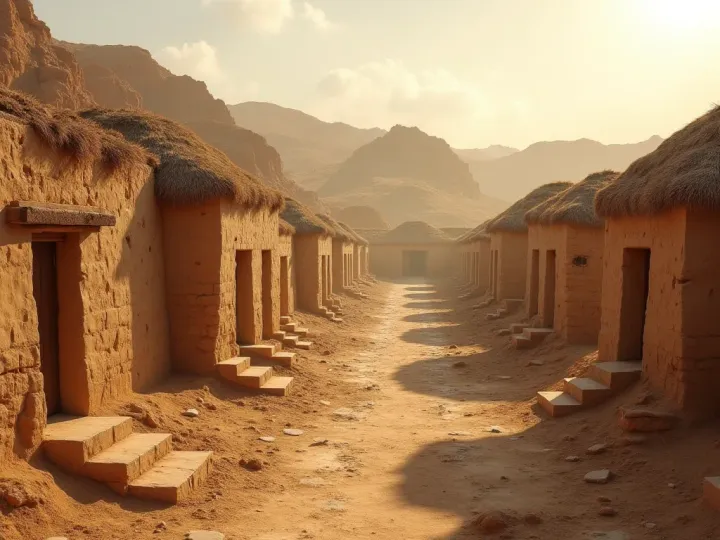
In the Early Neolithic period, most people buried their dead inside village boundaries.
These were often shallow graves. Sometimes there was nothing with the body but dirt.
But it was never that simple. Not even close. Some communities started moving remains after decomposition.
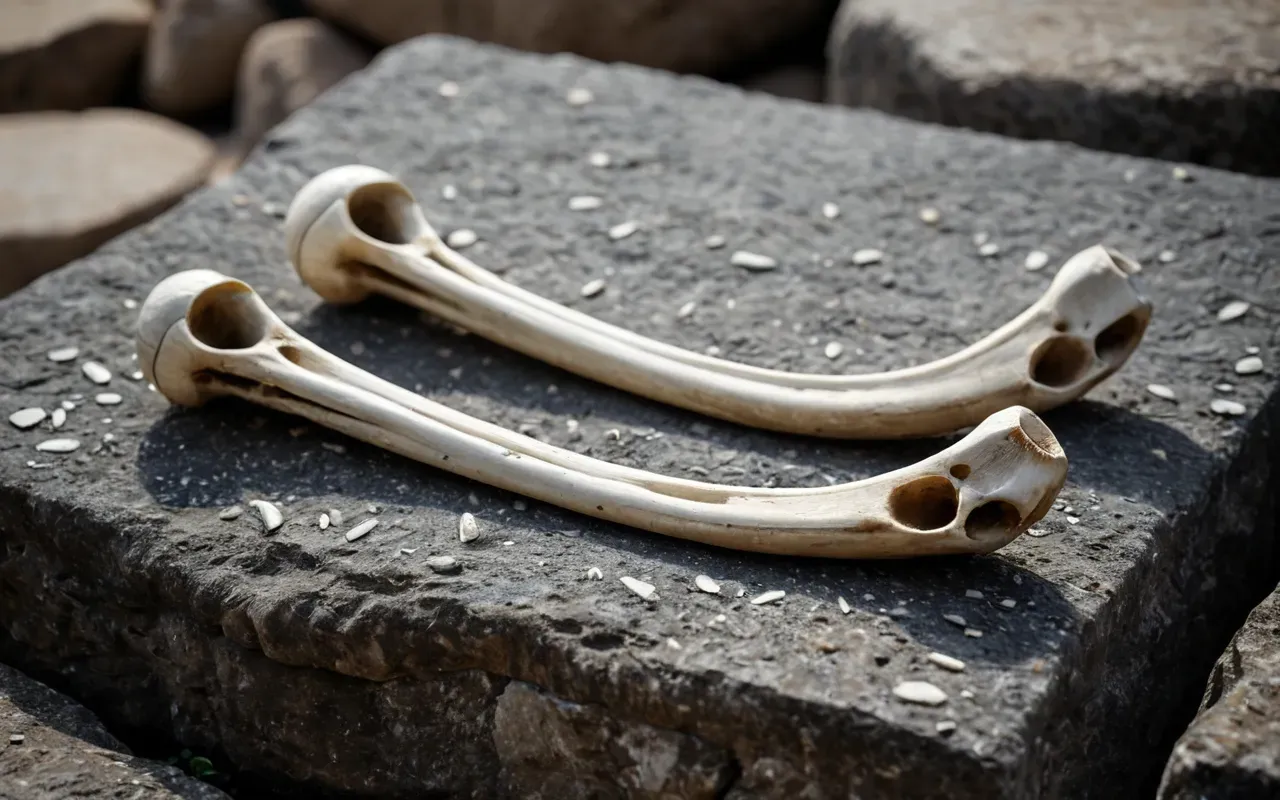
Bones were separated and collected into different vessels or caves.
At some locations, skulls were taken out of the grave and treated as separate objects.
This sounds weird if you are not used to the concept. But it was a way of keeping the dead present.
The Middle Neolithic chaos that confused modern scholars
Then the Middle Neolithic hit. And things got really complicated for anyone trying to draw a straight line.
This period produced the widest range of known practices in the entire dataset.
Researchers found complete burials right next to disturbed graves and cremated remains.
At sites like Grotta Scaloria and Masseria Candelaro, bones were cut, polished, or stored.
They could be retrieved later. This implies a long term relationship with the deceased.
It was not just about putting someone in the ground. It was a ongoing social process.
How this changes our view of social continuity
The old model assumed a sharp break. A sudden shift from simple to complex.
The new data shows strong continuity across that entire two thousand year window.
Some customs became more common. Others faded away slowly over generations.
But many practices appeared in multiple periods without disappearing entirely.
The slow burn of cultural transformation
By the Late Neolithic, things started looking more formal.
Cemeteries moved away from the settlements. Rock cut tombs appeared.
Objects placed with the dead became more frequent and varied in type.
Yet single burials continued. The old ways never fully vanished into the void.
This suggests communities reused familiar practices and combined them in new ways.
Why the Copper Age transition was not a sudden break
We often think of the Copper Age as a clear line on a map.
A bright border between the primitive past and the structured future of metal tools.
But this study shows that was a massive oversimplification of the reality.
The transformation had been building for centuries before we noticed it happening.
What this means for understanding early human ingenuity
I have always found it striking how much we underestimate prehistoric people.
We tend to view them as simple. Reactive. Driven by basic survival needs alone.
But managing a complex death ritual requires social memory and shared values.
It means these communities had a sophisticated understanding of their own history.
The hidden complexity behind simple graves
A single shallow grave might look basic on the surface of a report.
But if you dig deeper into the context and timing, it tells a rich story.
It shows who was in charge and how they wanted to be remembered by future generations.
It reveals a society that was constantly negotiating its own identity through death.
Why local decisions shaped the broader picture
The study emphasizes that major change developed through many small local decisions.
No single leader or central authority dictated a new way of burying the dead.
Each community made its own adjustments based on local resources and beliefs.
This created a patchwork of traditions that eventually merged into broader customs.
The bigger lesson for modern archaeology and history students
This finding is a wake up call for how we teach prehistory in schools.
We often present the past as a series of distinct boxes. Stone Age here.
Copper Age there. Clean boundaries that make sense for a textbook chapter.
But human culture does not respect those arbitrary lines drawn by later scholars.
Moving beyond simple periodization models
We need to teach the messiness. The overlap. The slow drift of cultural habits.
It is less dramatic than a sudden revolution. But it is far more accurate to reality.
And that nuance matters if we want to truly understand how our ancestors lived.
What this says about the nature of social change
Social change is rarely a switch being flipped by a single event or leader.
It is usually a slow accumulation of small adjustments made by many different people.
Looking at the Neolithic period in Italy shows that this pattern is ancient.
We are still doing it today. We just have more data to prove the point.
Why you should care about a two thousand year old grave
You might be thinking that this is just a niche topic for academic researchers.
But understanding how early societies formed gives us context for our own world today.
It shows that human ingenuity is not a recent invention driven by technology.
It has been with us since the very beginning. Hidden in the dirt and bones.
And that makes every archaeological discovery a piece of our shared human story.