Archaeologists Just Found The Central Tomb At Kapellenberg And It Rewrites European History
The Mound That Refused To Stay Buried
Look down at the ground right now. It feels permanent. Immovable. But six thousand years ago, that same earth was shifting under the weight of human ambition. We tend to think of the Neolithic as a quiet chapter. A slow burn where people simply figured out farming and settled down. That's a myth.
What happened in Germany this summer genuinely stopped me in my tracks. Archaeologists didn't just dig a hole. They cracked open a secret that had been sleeping for millennia. The Kapellenberg mound near Hofheim am Taunus is no ordinary hill. It's a message in a bottle from our ancestors, sealed for six thousand years.
For a long time, we treated these mounds as isolated curiosities. Little local projects built by tribes who barely knew their neighbors beyond the next ridge. The fresh findings at Kapellenberg demolish that assumption. This site connects to northern France in ways that honestly make my head spin.
Why This Changes More Than People Think
Here's what isn't getting enough attention. The central tomb at Kapellenberg isn't merely a grave. It's hard evidence of a high-speed information network in antiquity. Professor Detlef Gronenborn from LEIZA confirmed that the stone-lined depression mirrors designs found in northern France.
Let that sink in. Around 4100 BC, people in Germany were replicating funeral architecture from France. That's over six thousand years ago. No internet. No trains. No carrier pigeons. Yet ideas traveled thousands of miles with astonishing fidelity.
Most headlines treat this as a regional story. A nice find for the Rhine-Main area. But zoom out. This mound belonged to a continent-wide system. It reaches toward Brittany in France and stretches down to the Alps.
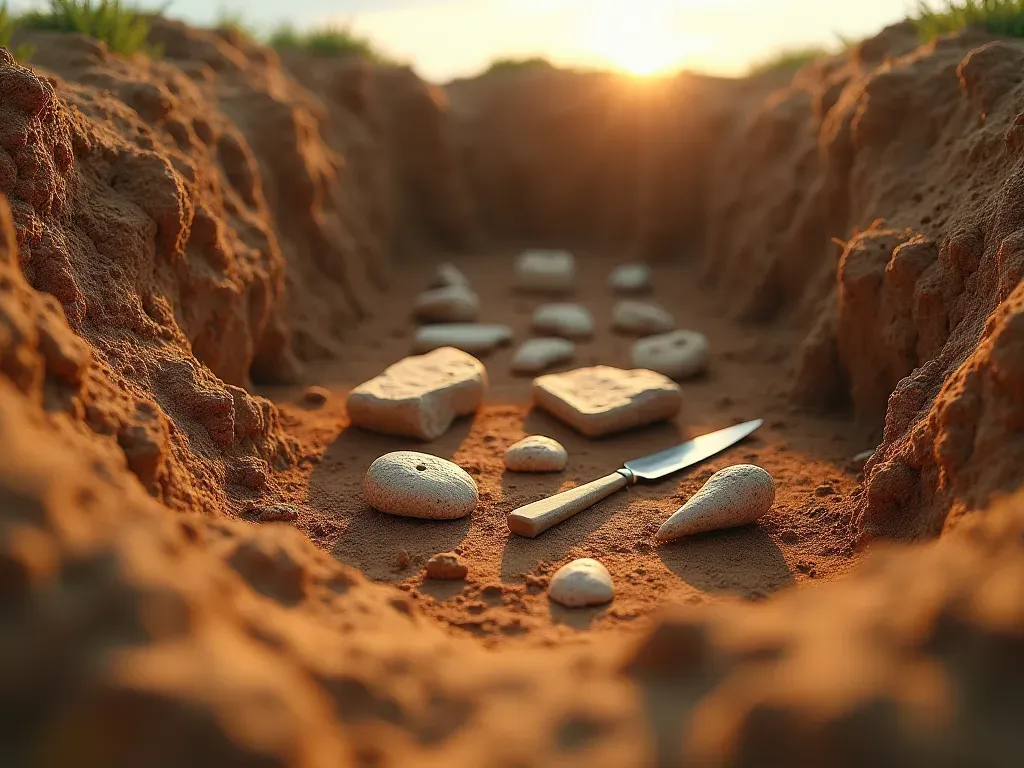
The jade axes discovered at the site didn't come from nearby quarries. They traveled hundreds of miles to rest in a burial mound near Hofheim. This wasn't just trade. It was cultural diplomacy. Powerful families wielded these objects to broadcast their status across borders.
The French Connection Nobody Saw Coming
Ferenc Kántor from hessenARCHÄOLOGIE made a crucial observation. The stepped structure at Kapellenberg's base mirrors tombs in northeastern France. That's not coincidence. It's a shared blueprint crossing frontiers.
Earlier studies suggested inhabitants originated from the eastern Paris Basin. Now we have physical proof embedded in the stone itself. The architecture speaks a French dialect even if the people spoke Germanic tongues.
This upends the notion that early societies were insular. They weren't. They were profoundly interconnected. If you're curious about how Neolithic societies acted as innovation hubs, this discovery is pivotal evidence.
Who Wins And Who Loses In This Narrative Shift
Let's be honest for a second. Who actually benefits from this story? Scholars hit the jackpot. They could rewrite textbooks tomorrow. But what about how the public sees history? We crave simple narratives. Us versus them. Locals versus invaders.
Kapellenberg complicates all of that. It reveals a world where boundaries were fluid. Where power was negotiated through gifts and shared rituals rather than walls and weapons.
The city of Hofheim benefits too. Mayor Wilhelm Schultze highlighted the pride in supporting this research for eighteen years. This isn't just academic exercise. It's community identity anchored deep in time.
But something is lost as well. The romantic myth of the isolated ancient tribe crumbles here. We must accept that our ancestors were global citizens in their own fashion. That might sound less cozy, but it's far more impressive.
The Backstory The Source Skipped Over
You might assume digging up a hill is straightforward. It isn't. The team battled brutal heat and unyielding ground during the July to August campaign. Ferenc Kántor admitted some questions will have to wait.
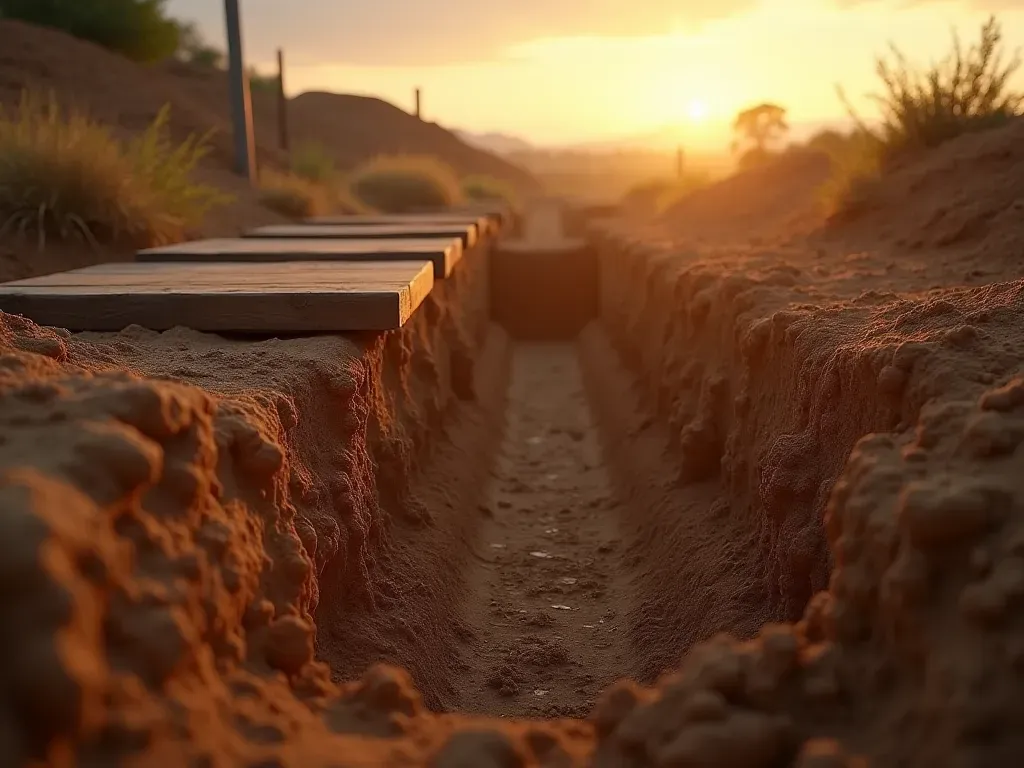
This wasn't a one-week sprint. It builds on fieldwork from 2023 and 2025. They opened a thirty-four-meter trench years ago to prepare for this exact moment. Patience pays off in archaeology.
The mound itself has been transformed over centuries. Human activity damaged the original structure. Finding intact evidence was like searching for a needle in a haystack made of dirt.
And yet, they found it. The stone-lined depression endures. It survived centuries of neglect and weathering to tell its story now.
Why The Defense System Matters More Than The Tomb
Kapellenberg wasn't just a burial ground. It featured defensive walls built between 4100 and 3600 BC. These structures demonstrate strategic thinking on a massive scale.
The location overlooks the Rhine Valley. It's a vantage point. A power base. Whoever constructed this mound controlled movement and resources across the region.
Want to understand early power dynamics? Look at where people chose to build. They didn't pick random spots. They picked choke points.
What This Means For Modern Cultural Heritage
We often forget that history isn't static. It lives in how we interpret these finds. The Taş Tepeler project in Turkey shows us similar patterns of engaging with ancient pasts.
Just as Kapellenberg exposes hidden networks, projects like the Taş Tepeler initiative help bring Neolithic culture to life for modern audiences.
These aren't just dusty relics. They're keys to understanding human ingenuity. The fact that we can trace a tomb's design from France to Germany proves our shared heritage runs deeper than political borders.
I believe this discovery should reshape how museums present prehistory. Less isolation. More connection. Show the networks. Show the trade routes.
The Implications Nobody Is Talking About
Think about climate change. We worry about losing cultural sites to weather today. Yet these mounds survived six thousand years of natural erosion and human interference.
That resilience is inspiring. It reminds us that culture endures even when societies collapse or transform.
There's also an economic angle worth considering. The jade axes represent luxury goods. That suggests a class system emerged far earlier than we imagined.
Not everyone received a French-style tomb. Only the elite did. Inequality started early. It's uncomfortable, but necessary to acknowledge.
Why You Should Care About A Six-Thousand-Year-Old Hill
Because it changes how we view ourselves. We like to believe modern technology connects us uniquely. But our ancestors built networks that spanned continents too.
Kapellenberg is a mirror. It reflects our drive to reach out. To exchange ideas. To build things that outlast us.
So next time you walk past a hill or a mound, pause. Consider the stories buried beneath. They might just be waiting to rewrite history.
The excavations continue next year. I'll be watching closely. Because every shovel strike could reveal another thread in this vast ancient web.