This Manchester degree teaches you to dig before you even pick a major
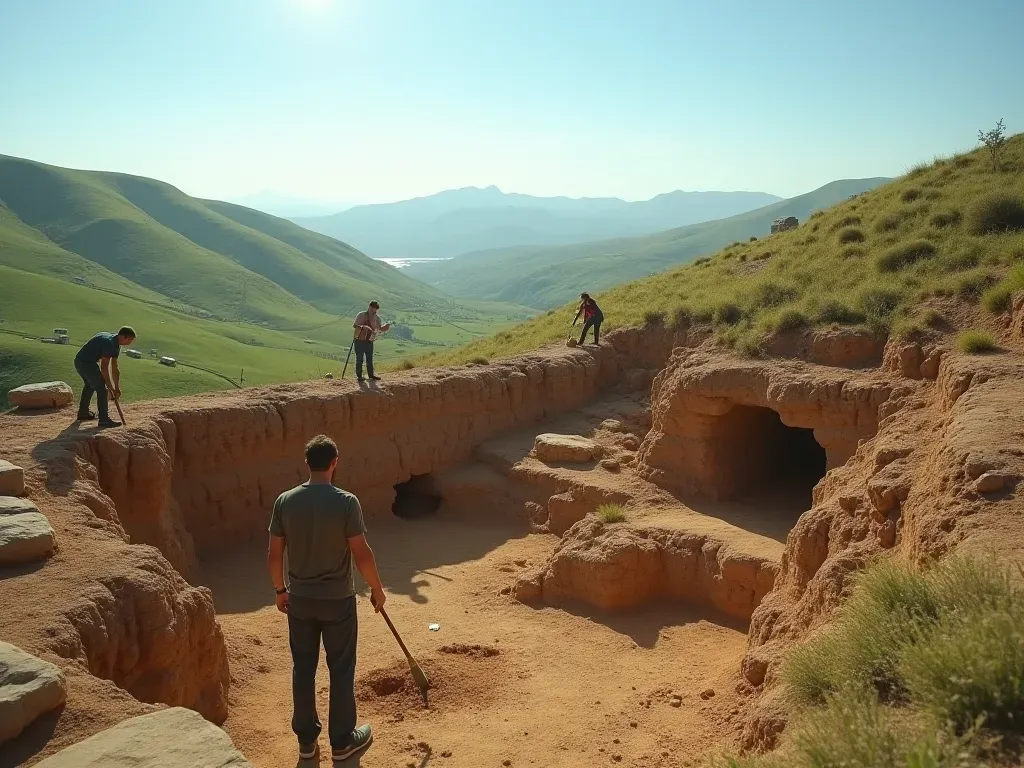
The dirt under your fingernails is the real syllabus here
Most university brochures promise knowledge. This one promises mud. Start your BA in Archaeology and Anthropology at the University of Manchester and you're not just reading about the past — you're digging for it.
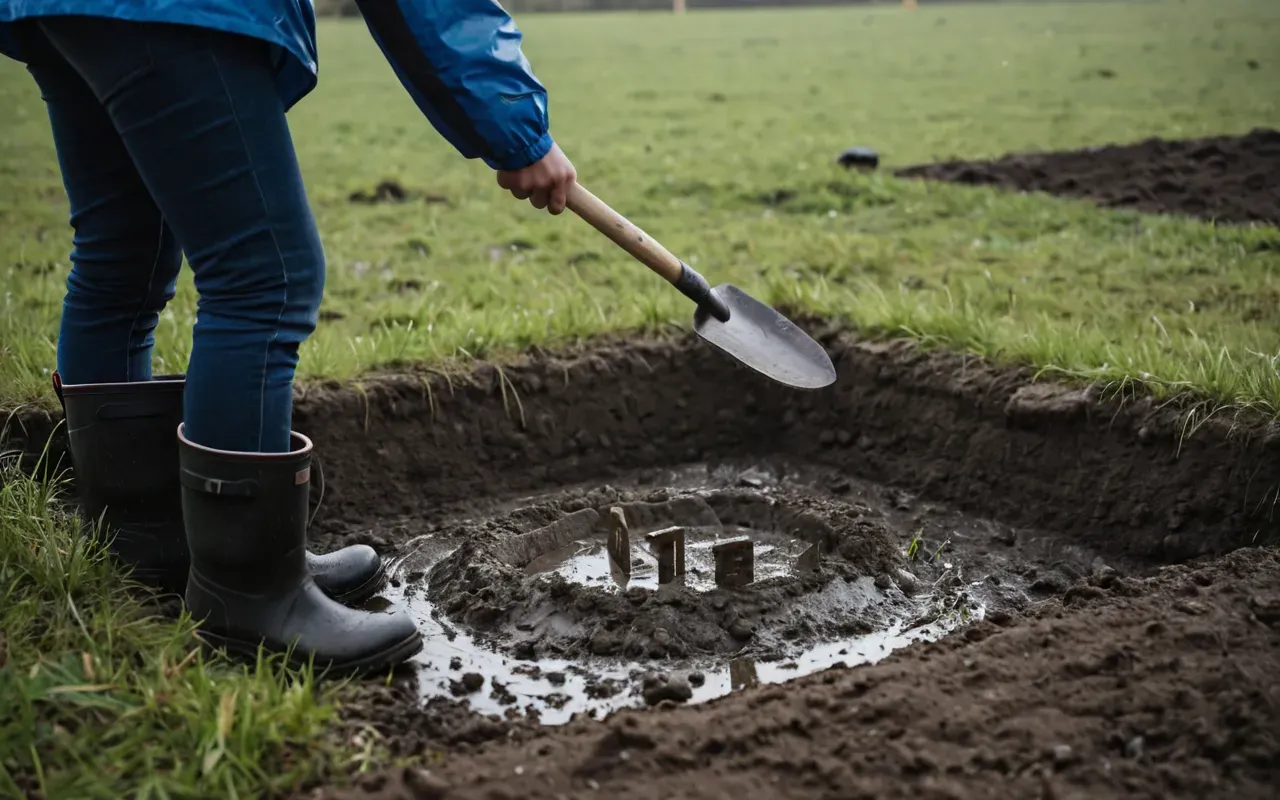
What surprised me is how early the practical training kicks in. You don't wait until third year to learn excavation techniques. No way. Your first two weeks of fieldwork happen in Year One.
You get to know the staff and find your interests while holding a trowel. Strange mix, really — academic rigor plus physical labor. But it works. History stops being abstract dates.
Why this approach beats the traditional lecture hall model
Here's the thing. Theory without practice feels hollow to me. You can memorize every stratigraphic layer in a textbook and still freeze when you face real soil.
Manchester flips the script. You learn to think anthropologically and archaeologically at the same time. The course bridges past and present humanity through direct engagement with material culture.
You analyze objects not just as relics but as evidence of social life. That shift in perspective is powerful. It makes you question assumptions about how ancient people organized their daily lives.
The specific places where you will break ground and sweat
Names like Herefordshire and Yorkshire keep popping up in the curriculum. These aren't decorative words on a syllabus.
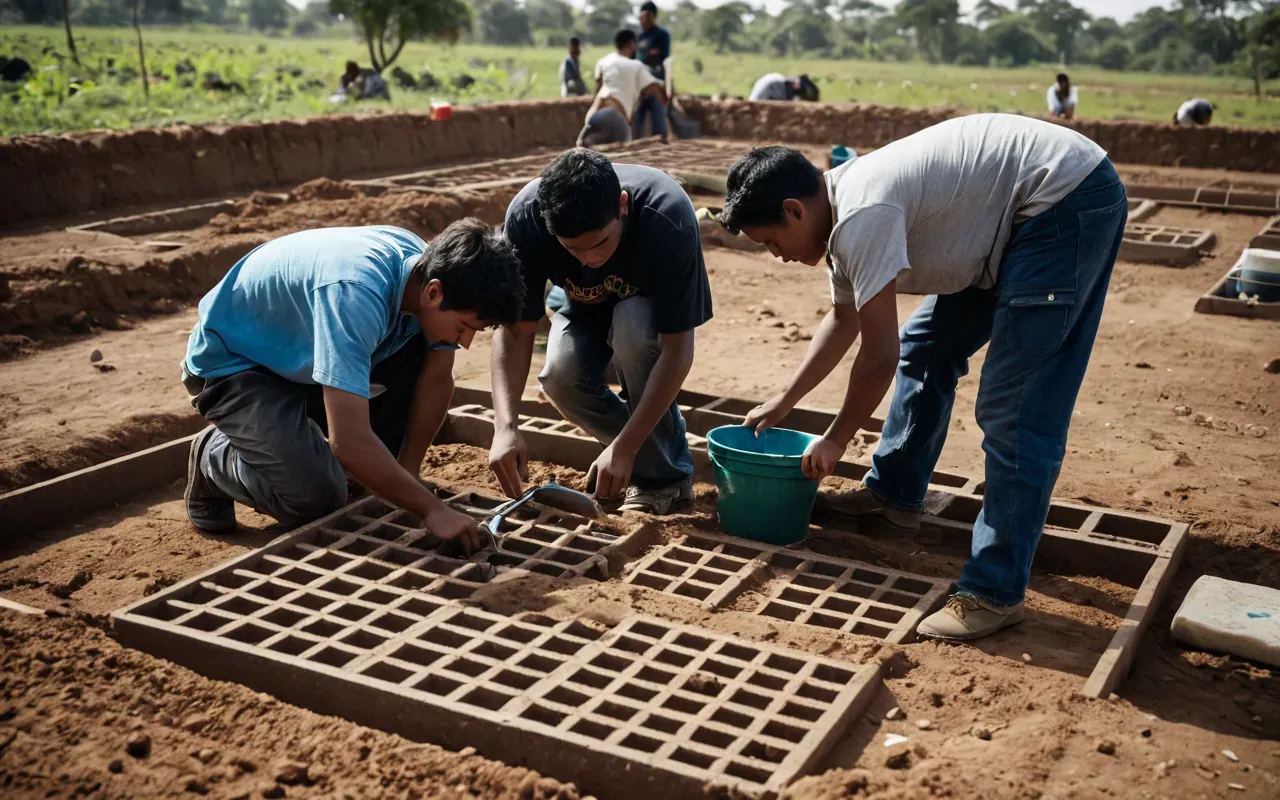
You will dig in these regions. You will also head to Scotland for extensive periods of excavation. The variety is impressive and keeps the learning fresh.
If you are curious about how other institutions handle early excavation training, check out this detailed look at university fieldwork programs. It highlights similar approaches.
The technology behind your trowel that surprises people
You might expect a degree to be all about brushes and buckets. But Manchester has drones in its labs.
They also have a D printer and portable XRF equipment. These tools change how you record data. You're not just looking at artifacts; you're scanning them digitally.
This blend of old skills and new tech is rare. It prepares you for a job market that values digital literacy alongside traditional expertise.
How the labs change your daily routine as a student
Your days will include laboratory sessions where you use microscopes and digital cameras. You learn to record objects with precision.
You will also get training in GIS packages and digital illustration. These are not just extras; they are core parts of your professional toolkit.
The hidden advantage of studying near Manchester Museum
Manchester Museum holds prehistoric and classical collections. You go behind the scenes to handle rare artifacts.
This access is huge for your dissertation. You can work directly with primary sources instead of relying on secondary literature.
Who actually wins when you choose this degree path
It is not just for future museum curators. The analytical skills you build apply everywhere.
Graduates have gone to work at the BBC, Google, and UK Government agencies. They value problem-solving and clear communication.
You learn to interpret complex information and express ideas with confidence. These are transferable skills that employers actively seek.
The placement year option and why it matters for your resume
You can apply for a placement year in your third year. This gives you real-world experience and clarifies career goals.
It builds your external networks. You step into professional environments before you even graduate.
What the entry requirements really say about your chances
The typical A-level offer is ABB including one essay-based subject. It sounds standard but the context matters.
Contextual offers are available for applicants from disadvantaged areas. The offer drops to BBC under specific criteria.
International students need IB points overall. The bar is high but achievable with focused preparation.
The fees that might make you pause before applying
Home students pay £, for the / academic year. International fees hit £,.
These numbers are significant. But the subsidized fieldwork offsets some of those costs significantly.
You are not paying to travel for every dig. The university covers the essential parts of your practical training.
Why this degree feels different from a standard humanities course
You are not just sitting in a lecture hall for three years. You are active from day one.
The blend of archaeology and anthropology creates a unique perspective. You see past and present as connected threads.
It challenges you to think critically about cultural diversity. You learn to question established assumptions in knowledge systems.
The quiet career boost hiding inside your coursework
Assessment methods include fieldwork workbooks and practical tests. These build hands-on experience that stands out.
You present findings in oral formats and create digital posters. These are modern communication skills employers value.
Your third-year dissertation lets you combine ideas from both departments. This independence signals readiness for higher study.
What you should do right now if this interests you
Check the entry requirements carefully. Make sure your personal statement explains why this specific degree interests you.
Consider attending an open day. It helps you see the facilities and meet current students.
This degree is not for everyone. But if you want to get your hands dirty in the best way possible, it might be your best bet.