The bird on your Thanksgiving plate is named after a nation that just dropped its name

The Bird That Stole a Nation's Name
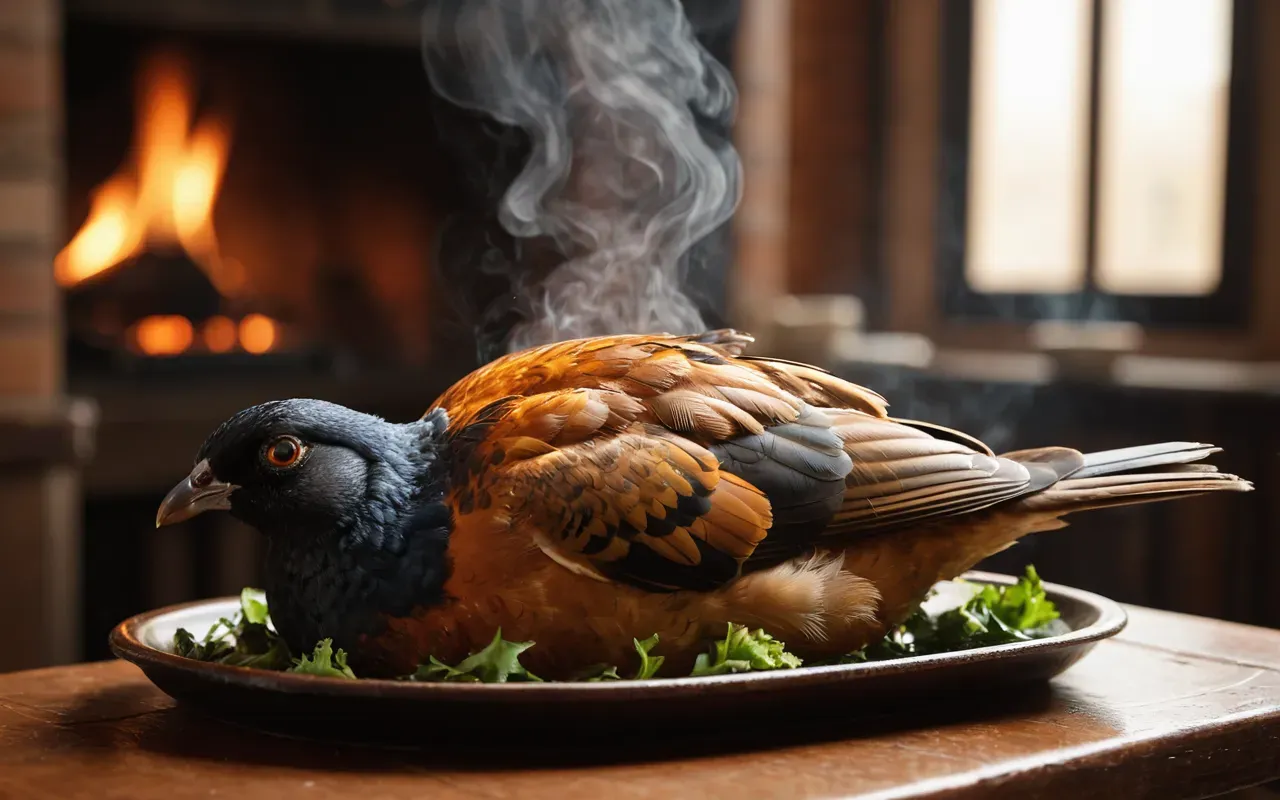
Look at that plump bird on your dinner table and you probably think of cranberry sauce or gravy. Fair enough. But in English, you're also looking at a geopolitical statement.
The word "turkey" doesn't just mean the country. It means a specific North American bird that has absolutely no biological connection to Turkey.
And yet. They share the exact same label in one of the world's most spoken languages.
That's not a simple coincidence. It's a linguistic accident — born from trade routes, mistaken identity, and the general chaos of early modern exploration.
The Confusion That Started It All
To understand the bird, we have to go back to the sixteenth century. English merchants were trading along routes that passed through Ottoman lands.
They brought back a large, colorful bird from Africa. Not the bird you eat today. A guinea fowl.
Because these birds arrived via trade networks connected to the Ottoman Empire, English speakers simply called them "turkey cocks" and "turkey hens."
A geographic label attached to an animal. Simple enough.
When America Entered the Picture
Then came Columbus and his successors. Europeans began arriving in the Americas with new eyes for unfamiliar wildlife.
They found a large bird in North America. It looked vaguely like the guinea fowl they already knew from trade.
So what did they do? They reused the name. "Turkey" it was.
The guinea fowl faded from common English usage. The North American bird kept the name.
Why Other Languages Got It Wrong Too
English isn't alone in this mess. In French, the bird is called "dinde." That comes from "Inde," meaning India.
In Turkish, the word is "hindi." Also rooted in the idea of India.
In Portuguese, it's "peru," from Peru. Each culture grabbed the nearest known geographic concept and stuck it on a strange new animal.
It reveals just how limited geographic knowledge was when these animals first crossed oceans.
The Identity Shift in Modern Diplomacy
Here's where it gets interesting for the nation itself. In June , Turkey officially requested that international organizations use "Türkiye" instead of "Turkey.""
The United Nations accepted the request. The goal was to ensure the country’s name reflects its own language and identity.
But the bird? The bird is still a "turkey" in English. No diplomatic request has changed that.
Why the Name Stuck for the Bird But Not the Country
Language and identity are different systems. A bird's name is a lexical artifact from the sixteenth century.
A country's name is a political and cultural assertion. Changing one requires institutional agreement.
Changing the other would require rewriting dictionaries. And honestly, who wants to do that for a dinner bird?
The Deeper Story Behind the Label
This linguistic tangle isn't just about birds. It's a window into how globalization shapes language.
When cultures meet, they borrow words. But sometimes they borrow them wrongly.
The Ottoman Empire was a hub of commerce. Goods and animals moved through its markets to reach Europe.
That flow created shortcuts. A bird from Africa became "Turkish" because it arrived via Turkish lands.
And that label stuck to a completely different species from across the ocean.
What This Means for How We Talk About Identity
The switch from "Turkey" to "Türkiye" is more than a spelling change. It's an assertion of self-definition.
It says: we will be known by the name we choose, not the one assigned to us.
The bird can't make that claim. It's a biological accident of naming.
But the nation can. And it has.
The Lesson Hidden in a Common Word
Next time you see the word "turkey," pause for a second. It carries four centuries of trade, confusion, and cultural exchange.
It's a reminder that language is not static. It's shaped by movement, misunderstanding, and memory.
And sometimes, a bird ends up carrying the weight of a nation's name without even knowing it.