The Neolithic Invention We Still Use Every Day Without Realizing
The Invention That Outlived Every Empire
We like to think we invented the wheel. Then we forgot about the pot.
Here's a fact that usually stops people mid-scroll. Pottery isn't some old curiosity gathering dust in a museum case. It's the single most reliable storage technology humans ever built before electricity came along.
Before clay vessels, if you wanted to keep water or grain safe from rain and pests, you were stuck with animal skins. Those dry out fast. They tear easily. And after a week, they smell terrible.
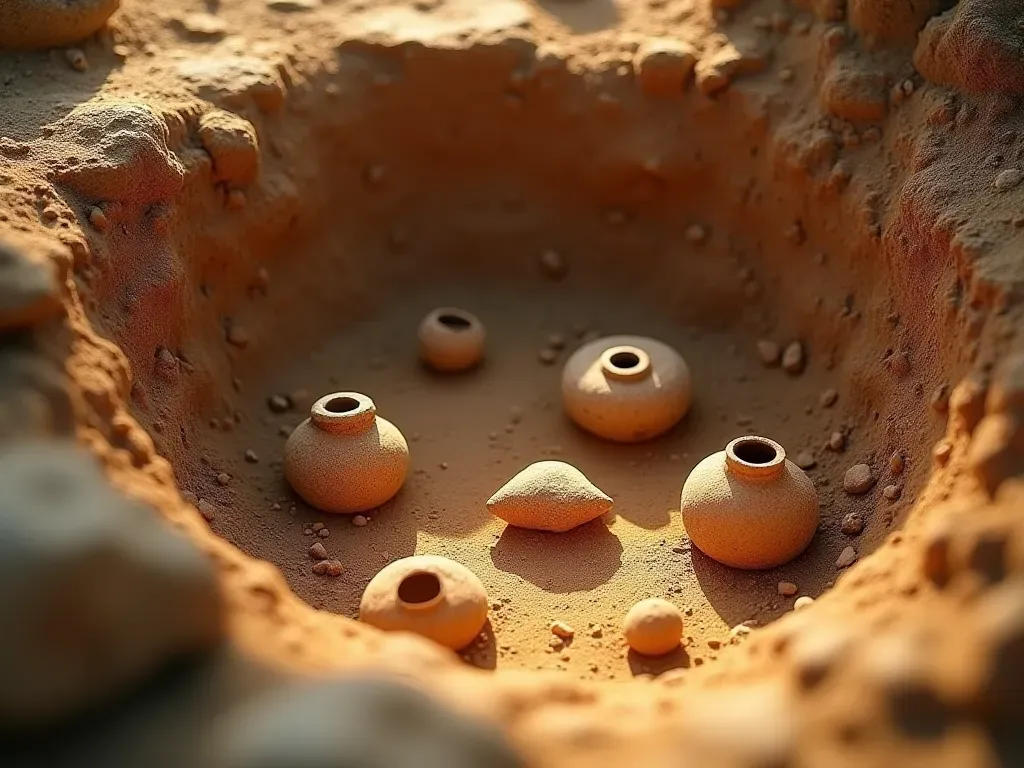
Clay changed everything. Once people figured out how to dry and fire mud into hard vessels, they unlocked permanent storage for the first time in human history.
Why This Specific Invention Matters More Than Writing
I've argued with a few colleagues about this. Most people assume writing was civilization's big leap forward.
But writing demands a lot of abstract thinking. It takes years to learn. Not everyone can do it.
Pottery? Anyone who can hold a lump of mud and shape it with their fingers is capable. It scales instantly across an entire village without needing teachers or schools.
So when we talk about the Neolithic inventions that actually built society, storage comes first. You can't have a surplus if you can't keep what you grow.
The Hidden Economics of the Stone Age Kitchen
Think about your own kitchen for a second. Where do you keep flour? In a sealed container.
Do you store oil in glass or plastic bottles? Yes. Why? Because the alternative is messy and inefficient.
A Neolithic family faced exactly the same problem. They just used clay instead of plastic.
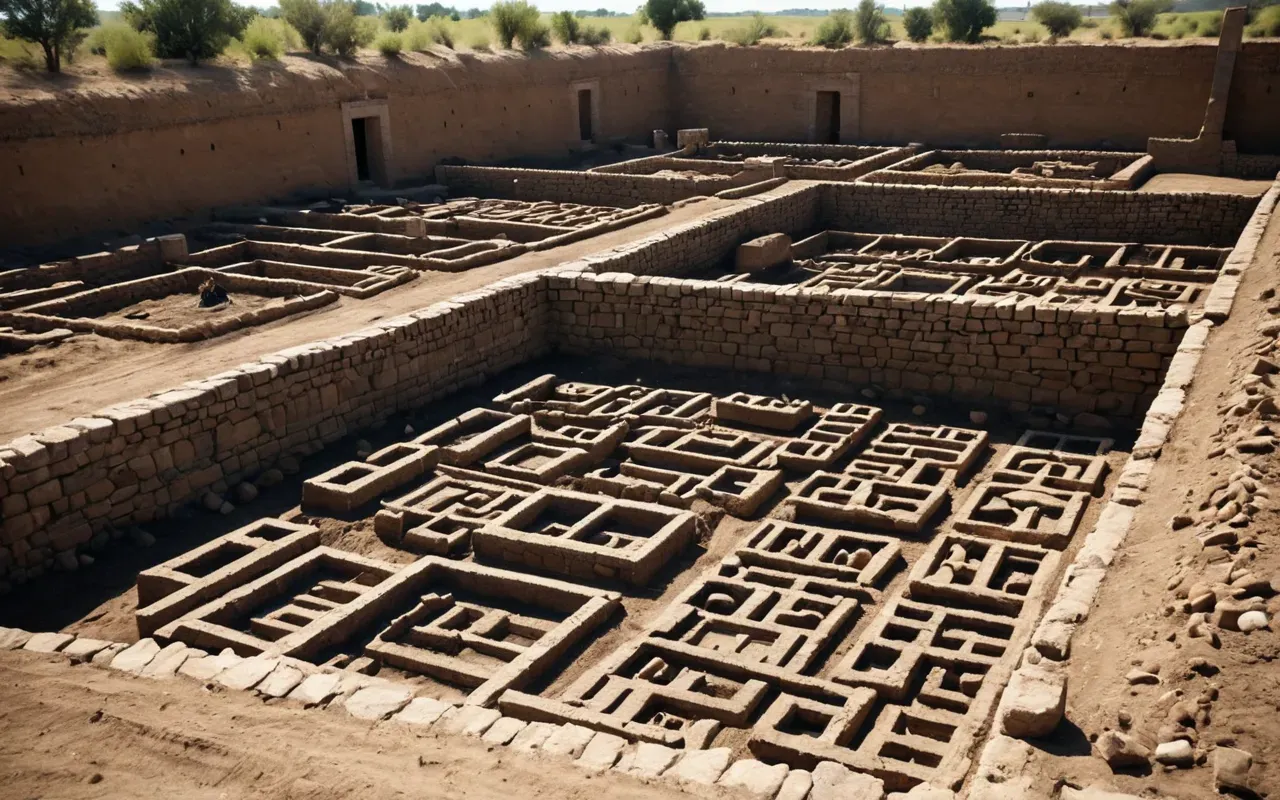
The Taş Tepeler project in Turkey highlights this beautifully. They found hundreds of distinct vessel shapes at a single site.
Some were wide and shallow for cooking. Others were narrow and deep for storing dried legumes.
That wasn't random. It was a specialized supply chain ten thousand years before Amazon existed.
The Misconception About Primitive Tools
There's a lingering idea that early humans were clumsy. That their tech was just... bad.
I have to push back on that hard. The craftsmanship in Neolithic stone tools is often superior to what you'll find at a modern hardware store.
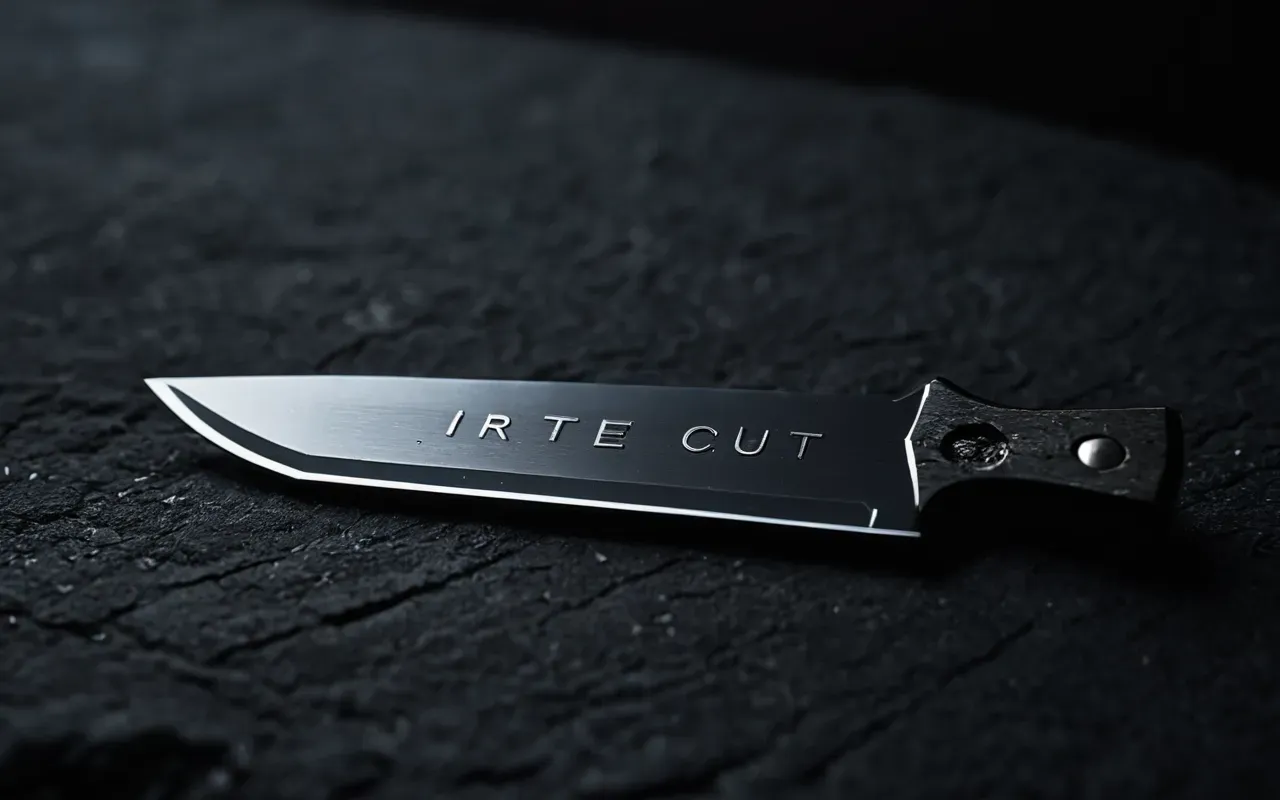
Look at a polished obsidian blade. The edge is thinner than any razor you can buy today.
They didn't have steel. They had skill, and specific rock types that fractured in predictable ways.
If you've ever watched someone make a flint tool, the precision is unsettling. It looks like they're doing surgery on a rock.
Why Obsidian Was The Ultimate Material
Obsidian is volcanic glass. It fractures along conchoidal curves.
Which means the edge is atomically smooth. No grinding needed.
Modern steel requires heat treatment and alloying to get a good edge. Obsidian just works.
It's brittle, sure. But for cutting plants and skin? Unbeatable.
How Educational Resources Are Changing The Narrative
For a long time, we learned about the Stone Age from dusty textbooks.
Boring. Dry. And usually wrong in its assumptions about what these people could actually do.
Projects like Taş Tepeler are fixing this. They use interactive elements and games to make the era accessible.
I tried a digital simulation of Neolithic farming recently. Surprisingly addictive.
You had to manage water levels, crop rotation, even weather patterns. It felt like a strategy game.
This is how you get young people interested in history. Not by memorizing dates.
By letting them play the role of an innovator in a high-stakes environment.
The Connection To Modern Daily Life
Every time you open a sealed jar of pasta sauce, you're using Neolithic logic.
The concept is the same. Protect the contents from air and moisture for later use.
We just swapped clay for glass and plastic. The underlying need hasn't changed since the first village stored grain.
That continuity is comforting. It means our ancestors weren't just surviving. They were optimizing.
They solved problems with the resources they had and left us a blueprint for efficiency.

Why We Should Stop Underestimating The Past
There's a subtle bias in how we view prehistoric times. We project our modern limitations onto them.
We assume they were simpler because we have electricity. But their problem sets were just as complex.
No manuals. No internet forums to ask for help with a leaking pot.
They relied on intuition and trial. And they succeeded better than we give them credit for.
When you look at the engineering behind a simple clay oven, it's impressive. It distributes heat evenly without any metal parts.
That kind of thermal control isn't easy to achieve. It takes knowledge passed down through generations.
The Taş Tepeler Project As A Cultural Bridge
This specific initiative does more than just dig up dirt.
It builds a bridge between academic research and public curiosity.
They offer toys and games based on actual archaeological finds. I found this brilliant.
A child can hold a replica tool and understand its weight and balance.
That physical connection is something a textbook page can never provide.
It makes the past feel present. It stops being a chapter in a book and becomes part of your daily reality.
Frequently Asked Questions
What is the most important Neolithic invention?
Agriculture and pottery are often cited as the top two. Pottery specifically allowed for safe long-term storage of water and food, enabling permanent settlements to thrive without constant risk of spoilage or theft.
Why did Neolithic people invent pottery?
They needed reliable containers that could withstand heat and seal out moisture. Animal skins dried out and leaked. Clay vessels provided a durable solution for cooking stews and storing dry grains safely.
How does the Taş Tepeler project help education?
It uses interactive media like games and physical replicas to teach history. This makes complex archaeological concepts accessible to children and non-specialists by turning abstract data into tangible experiences.