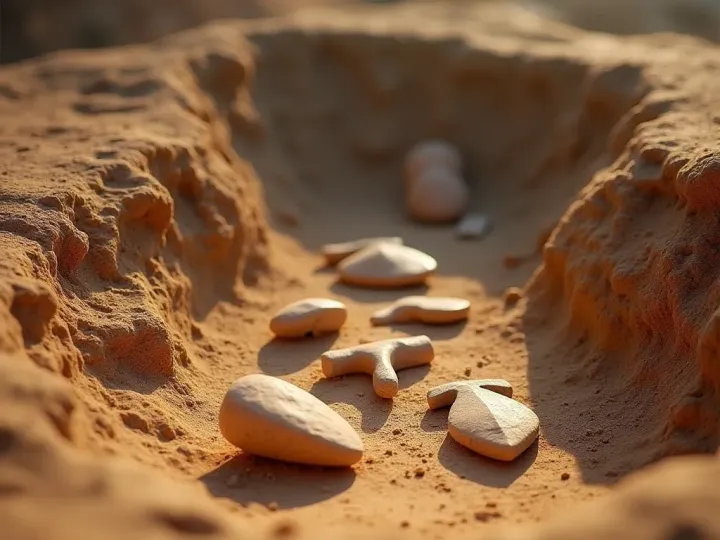
The Neolithic Age Was a Tech Boom Not Just A Farming Shift
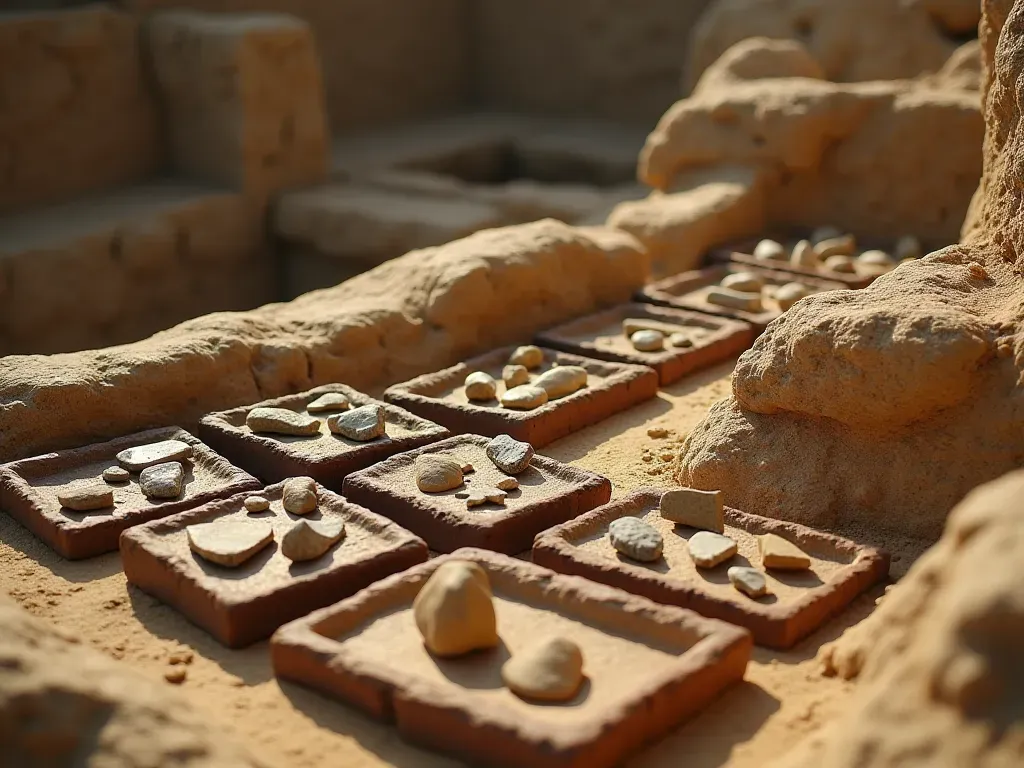
The Farming Myth We Have All Been Told
Look at any history textbook from the last century. The story is always the same. Humans got tired of chasing deer. They planted a seed in the dirt. And just like that, they built cities.
It sounds logical. It even feels satisfying in its simplicity. But I have spent years digging through the sediment of this narrative and it is completely backwards.
The Neolithic age was not a slow drift into agriculture. It was an explosion of innovation that made farming necessary for survival.
What Actually Happened in Şanlıurfa
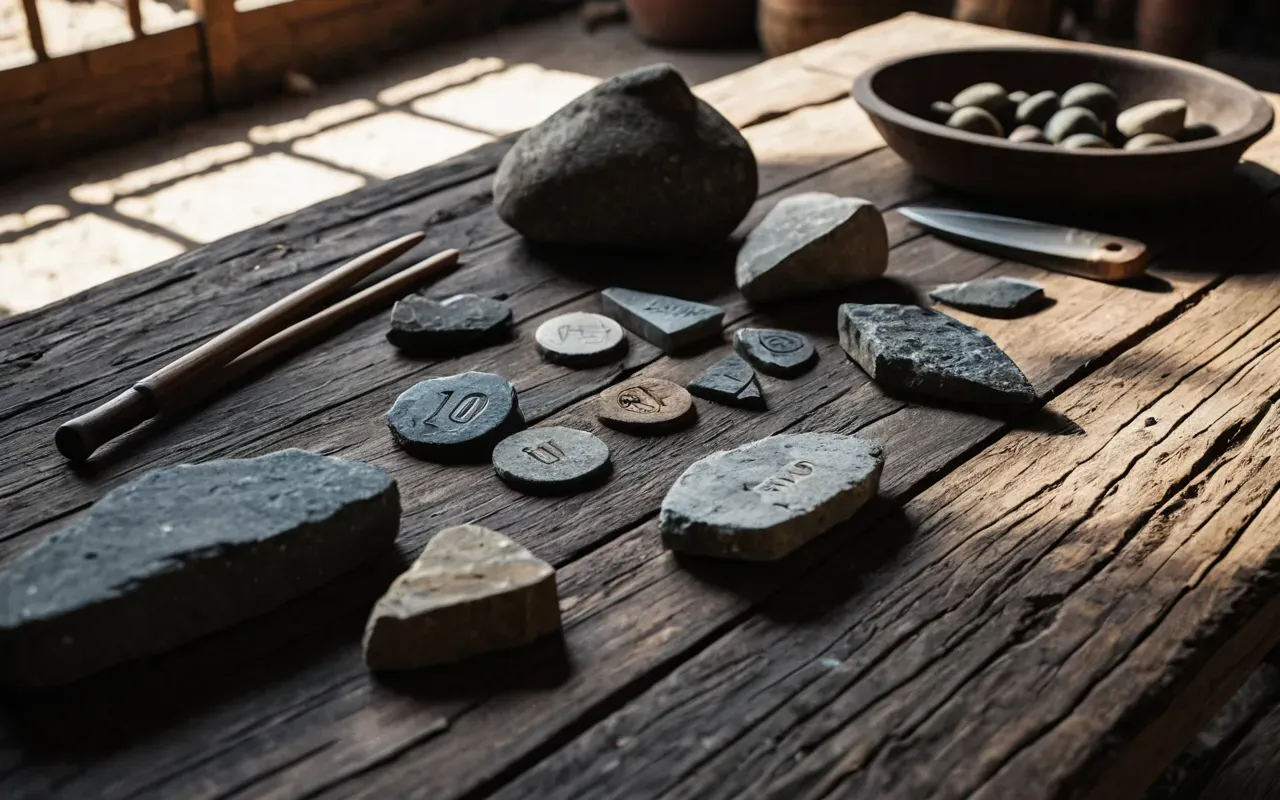
To understand this shift we have to look at a specific place. Şanlıurfa in southern Turkey is not just a dot on the map. It is ground zero for human complexity.
For decades scholars assumed these early groups were nomadic. They moved with the seasons and lived off wild resources. But the evidence on the ground tells a different story.
People were staying in one place for generations. They built permanent structures. And they developed specialized tools that required raw materials from far away.
So why stay? If you are not farming yet what is holding you to that patch of earth? This is the question that kept me up at night.
The Evidence Against Nomadism
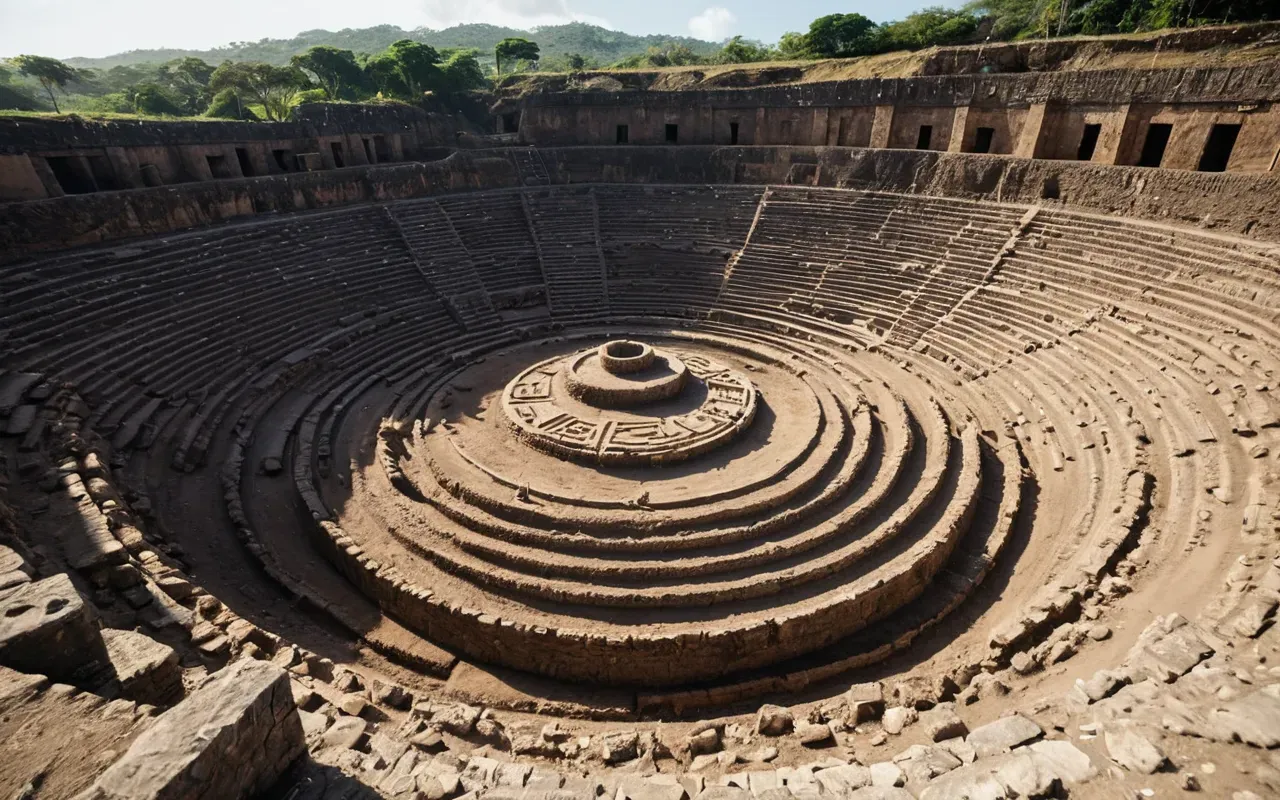
I remember reading a report from the early 2000s that changed my perspective. It detailed a settlement where residents had been using obsidian for thousands of years.
Obsidian is volcanic glass. It breaks cleanly and makes incredibly sharp edges. But it does not grow on trees. You have to go find specific outcrops.
The fact that these communities had steady access to obsidian meant they were not moving around. They had established trade routes or reliable sources.
That is a huge cognitive leap for early humans. You cannot just wander if you are committed to a specific resource network.
Permanent Structures and Social Change
Then there is the architecture. We are not talking about tents or temporary shelters here. I am looking at built rooms with plastered floors.
Some of these structures had pillars that were deliberately placed in the center. They served as focal points for community gatherings.
Why would a nomadic group invest that much labor into a building they will never see again? They would not. The architecture proves the intention to stay.
And staying together changes everything about how you organize society. You need roles. You need rules. You need ways to handle conflict.
The Real Tech Boom of the Neolithic
Now let us talk about what these people were actually doing. It was not just sitting around waiting for wheat to sprout on its own.
They were experimenting. They were testing limits. And they were creating tools that we would recognize as sophisticated engineering.
Obsidian Processing and Material Science
Take obsidian again. It is not just a rock you hit with another rock to make flakes. There was a whole industry built around it.
I have seen the cores left behind by knappers. They show a level of precision that rivals modern manufacturing in some aspects.
They knew how the material would break. They could predict fracture lines with scary accuracy. That is not guesswork. That is knowledge.
And this knowledge had to be passed down. You cannot learn it in a day. It takes years of practice and mentorship.

Agricultural Experimentation as Innovation
Here is where the farming story gets twisted. People think agriculture started because they needed food.
But I believe it started as a side project. A way to test new ideas and create surplus for experimentation.
When you have a stable base you can afford to waste resources on trying new things. You can plant seeds and see what happens.
Over time the successful experiments became essential. The failed ones were abandoned. And agriculture emerged from that crucible.
Social Technologies and Community Building
Maybe the most important technology of all was social. How do you keep hundreds of people working together without written law?
They developed rituals and shared spaces that reinforced group identity. The pillars I mentioned earlier were likely part of this.
These social structures allowed for complex division of labor. Some people made tools others farmed and some organized the community.
This is not primitive thinking. This is sophisticated management of human potential and resources in a high-pressure environment.
Why the Taş Tepeler Project Matters Today
This is not just academic curiosity. The Taş Tepeler project in Şanlıurfa is actively reshaping how we understand this period.
It brings together archaeologists historians and even educators to piece together the full picture of Neolithic life.
I have seen their materials and they are incredible. They do not just dig up dirt. They reconstruct the daily reality of these people.

Educational Resources and Public Engagement
One thing that impressed me was their approach to education. They make the Neolithic age accessible to everyone not just academics.
They have developed toys games and even novels inspired by this era. It sounds playful but it is actually very effective.
When children engage with these materials they start to think about how humans solve problems. They see that innovation is not a modern invention.
It creates a connection between the ancient past and our present that textbooks simply cannot achieve on their own.
Cultural Heritage in the Modern World
Preserving this heritage is not just about keeping old things safe. It is about maintaining a narrative that defines who we are as humans.
If we get the story wrong we miss lessons about how to build sustainable communities and manage resources wisely.
The Taş Tepeler project helps bridge that gap. It shows us that our ancestors were not just surviving they were creating.
And in a world facing modern challenges that insight is more valuable than ever for our collective future and identity.
The Bigger Picture of Human Ingenuity
So what does this mean for how we view the Neolithic age? It means we have to stop seeing it as a stepping stone.
It was a complete civilization in its own right. It had technology society and culture that were complex by any standard.
Farming was just one part of a much larger innovation ecosystem that emerged from human curiosity and cooperation.
Next time you hear someone say early humans were just waiting for agriculture to save them think about the obsidian knappers in Şanlıurfa.
They were not waiting. They were building the foundation of everything that came after with their own hands and minds.
Frequently Asked Questions
Why is the Neolithic age considered a tech boom?
The Neolithic age was a period of rapid innovation in tools agriculture and social organization. Evidence from Şanlıurfa shows these advances happened simultaneously rather than sequentially.
How did the Taş Tepeler project change our understanding?
The Taş Tepeler project provided comprehensive evidence that early settlements were complex societies with specialized roles and established trade networks before agriculture became dominant.
What role did obsidian play in Neolithic society?
Obsidian was a critical material for tools and trade. Its availability required stable settlements and developed supply chains indicating sophisticated resource management systems.
Can we learn modern lessons from Neolithic innovations?
Yes. The way early humans built sustainable communities and managed resources through cooperation offers valuable insights for modern challenges in urban planning and environmental stewardship.