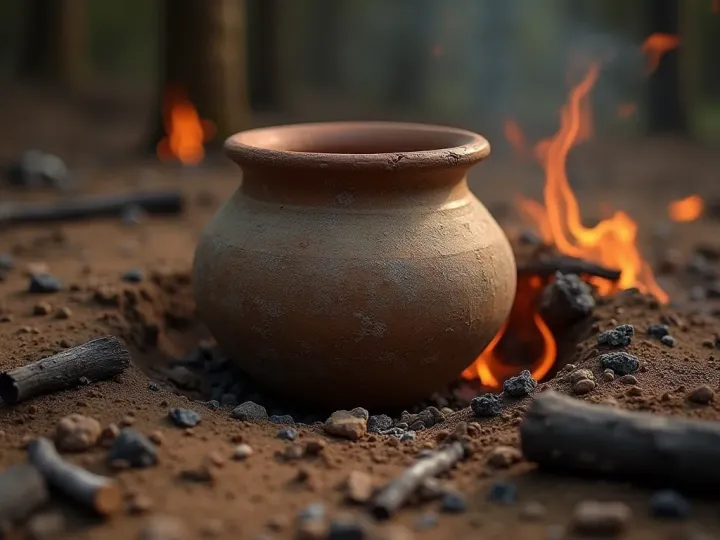
Who was running a copper factory in Turkey nine thousand years ago
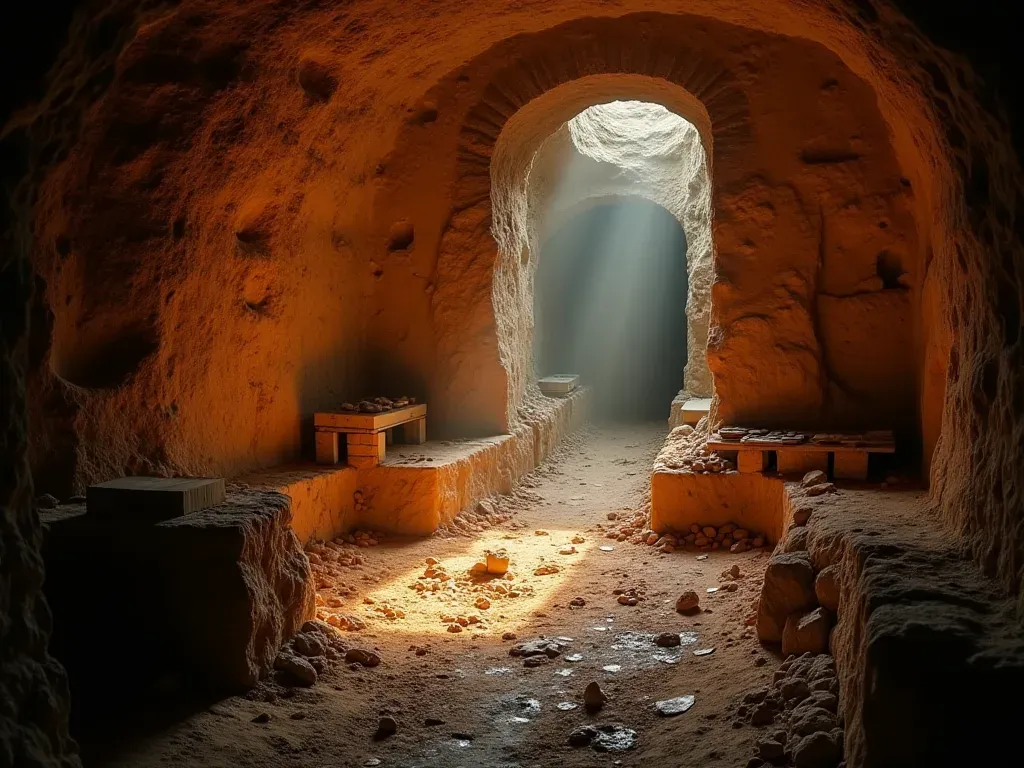
The Workshop That Should Not Exist Yet
Picture a modern factory floor. Machines hum. Workers move with purpose. Now shrink that whole scene down by a few thousand years.
That's basically what archaeologists uncovered at Cayonu Tepesi. A five-square-meter space, paved with stone, packed with copper artifacts.
Not a random pile of rocks, either. This was a dedicated production area, dated to 6900-6800 B.C.
We tend to picture Neolithic people as simple farmers. This find says otherwise — they had specialized roles and organized workflows.

What the Stones Actually Showed Us
The team pulled eighteen pieces of raw malachite from the center. Another twenty-five samples sat nearby.
But here's the detail that matters. Materials from different stages of processing turned up together.
Raw ore next to finished beads. Which means the work happened right there, in that small room.
Six postholes point to a roof or shade structure overhead. This space was built for specific tasks.
It isn't just a cache of goods. It's the physical footprint of an industry.
Why This Breaks Our Old Assumptions
We often assume early societies were chaotic and disorganized. This workshop tells a different story.
A dedicated space implies management and division of labor. Someone decided this was where copper work happened.
Sound familiar? It mirrors how we think about modern manufacturing. Specialized zones boost efficiency and output.
If you've read about how ancient people organized their first factories, this find adds weight to that theory.
We have been completely wrong about how ancient people organized their first factories in ways that are only now coming to light.

The Long History of Metal Work Here
Evidence at this site suggests copper work started as early as 9100 B.C. That's over two thousand years before the workshop.
So there was a long tradition of mineral processing here. Not a one-time event, not an accident.
The site shows continuity. Skills got passed down and refined over generations, in the same location.
That kind of sustained activity requires a stable community. It points to settled life and agricultural support.
The Neolithic era wasn't just about farming crops. It was a tech boom for tools and materials.
Who Actually Did the Work
We don't know exactly who ran this workshop. But the layout lets us infer the social structure.
Specialized tasks usually require training. Which suggests a group of people with specific knowledge.
Recent findings suggest women may have had distinct roles in leaving villages for trade or resources.
Why women were the only ones allowed to leave their Neolithic villages is a fascinating topic that adds depth to this story.
Whether men or women operated the tools doesn't change the fact that organized labor existed.
The Broader Impact on Human History
This discovery forces us to rethink the timeline of industrialization. Complex production started earlier than we thought.
It also highlights the ingenuity of Neolithic people. They solved logistical problems with simple materials.
Using stone paving as a work surface shows an understanding of durability and function.
The Neolithic Era Technology That Outperformed Modern Engineering Standards is a bold claim, but this find supports the idea of advanced planning.
We're not just looking at ruins. We're seeing the blueprint of early economic activity.
What This Means for Future Research
More analysis is needed to date the finds precisely. Radiocarbon dating will provide clearer timelines.
Researchers are also hunting for similar workshops at other sites. That could reveal a network of production.
Understanding these early systems helps us appreciate the roots of modern industry. It all started with simple tools.
This single workshop is a window into the mind of an ancient craftsman. It shows thought and intention.
The story of human progress isn't just about big cities. It begins in small rooms like this one.