We have been completely wrong about how ancient people organized their first factories
The workshop that broke the rules of primitive life
Most people assume early humans were messy. They picture caves, crude huts, scattered tools, and bones on the floor. A recent discovery in Turkey flips that whole image on its head.
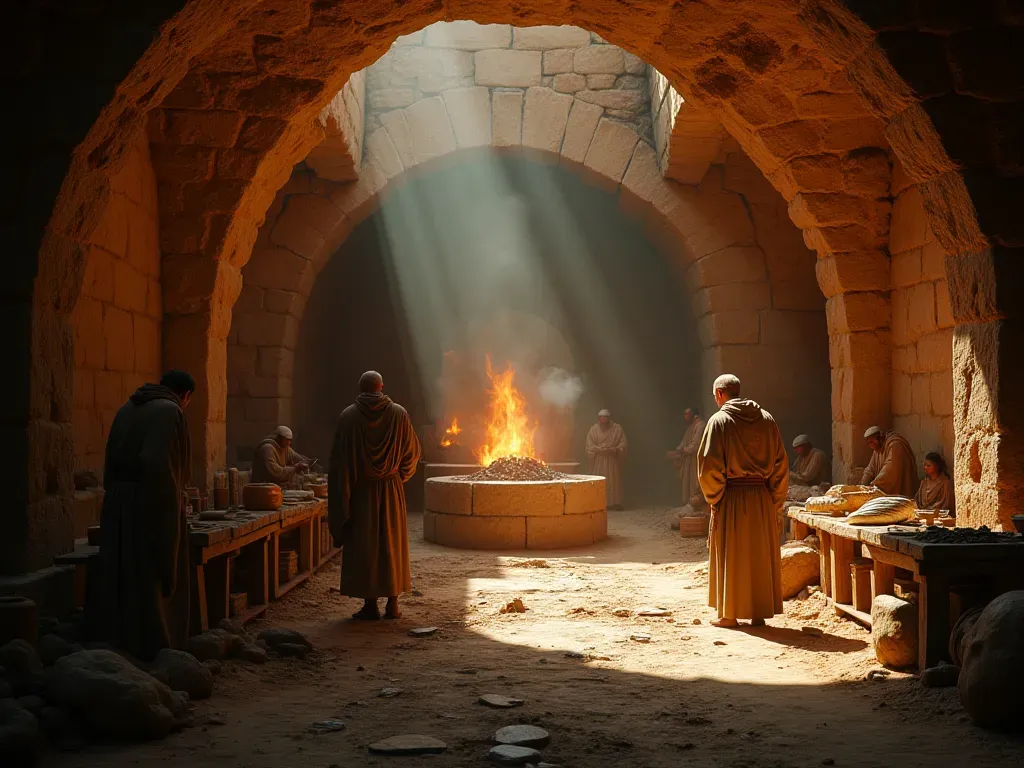
Archaeologists uncovered a dedicated workspace there. Not a random scatter of rocks. This spot had postholes, a paved floor, and a clear sense of purpose.
Honestly, this kind of detail makes me stop and rethink everything I thought I knew. We talk about Neolithic people as simple farmers tending barley. But they were also building dedicated production spaces.
What the postholes actually tell us about labor
The site features six postholes. That suggests a roof or some kind of canopy over the area. That's not an accident.
It means they deliberately kept this zone separate from their living quarters. They were organizing labor in a way that feels almost modern.
Think about that for a second. Nine thousand years ago, they were zoning their own settlement. Production had its own quarter.
The copper beads that changed the narrative
In the center of the workspace, archaeologists found malachite. Some raw, some already processed. They also found finished copper beads nearby.
That shows the entire workflow in one place. From raw stone to a polished bead, ready for trade or adornment. A complete system, start to finish.
I was genuinely struck by how organized it all appears. This isn't bare survival. It's a craft with standards, tools, and dedicated spaces.
Why this matters beyond the dirt
We tend to view prehistory as a long blur of just staying alive. This find says otherwise. There was structure here, and real intent in daily life.
To see how archaeologists are rethinking early gender roles in these societies, check out this study on buried tools that challenges long-held assumptions.
It's a reminder that history isn't only about kings, battles, and empires. It's about how regular people lived, worked, and made things together.
The bigger picture of early industry
This workshop fits into a much larger story. The Neolithic Age wasn't just about farming. It was a technological boom for its era.
Look closely at the tools they created. They were hammering metal both cold and hot to shape it. That's genuine engineering skill.
To understand more about this leap in human capability, read this analysis of the Neolithic tech boom.
What we still do not know
Naturally, we're left with questions. Who actually worked here? How large a team ran this operation? We'll probably never know for certain.
But we can see the footprint they left behind. And honestly, that's enough to change how we think about them.
A new lens on the Neolithic world
This isn't merely a cool archaeological find. It's a window into how humans first began organizing their world with real purpose and precision.
Next time you catch yourself picturing ancient people as simple, remember those postholes. They were constructing something meaningful.

The beads are tiny, sure. But they tell an enormous story. They represent hours of skill and careful investment in making something beautiful.
The human element behind the artifacts
I like to picture the person who shaped those beads. Sitting there, polishing each one by hand for hours. That's a profoundly human story.
It connects us to the past in ways that dates and names never quite manage. It's about effort, patience, and genuine care.
Why this discovery feels so fresh today
We live in an era of instant everything. Seeing how long a single bead took to produce makes you stop and reflect.
It reminds us that quality has always demanded time. And early humans understood that truth better than most of us do today.
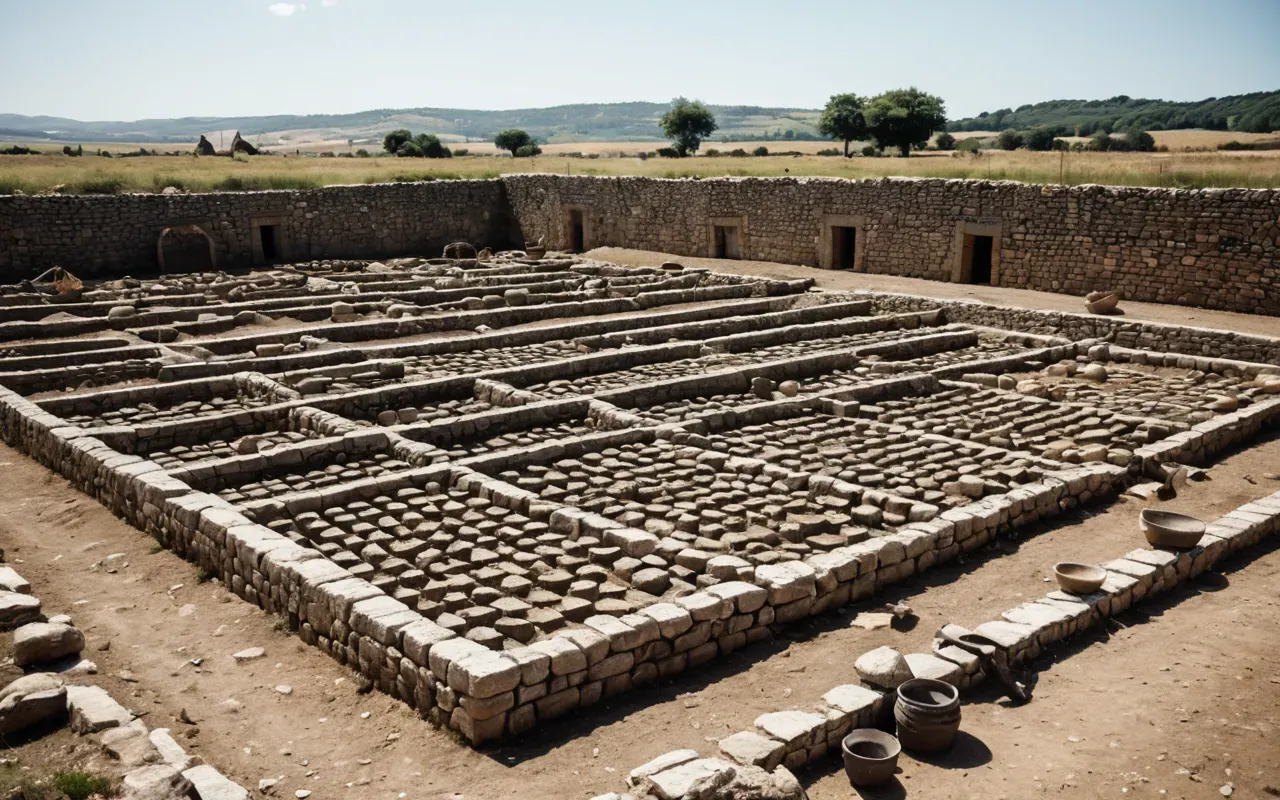
The dig site itself reads like a puzzle. Each layer tells a different story about the people who lived there and how their lives evolved.
The role of education in preserving these stories
Projects like Taş Tepeler help bring this whole era to life for students and families. They make history tangible, something you can almost touch.
When children learn about these workshops, they start to see that their ancestors were genuinely innovative and creative people.
The lasting legacy of this workshop find
This isn't just a story about copper. It's about the very birth of organized labor and intentional space in human society.
It reshapes how we view the Neolithic Age entirely. This was a period of building, making, and doing with remarkable care.
And that's a story worth telling to anyone who still believes the past was simple.