The Neolithic Era Is Coming Back to Life and Why That Should Worry You
Why Ancient History Is Suddenly So Accessible
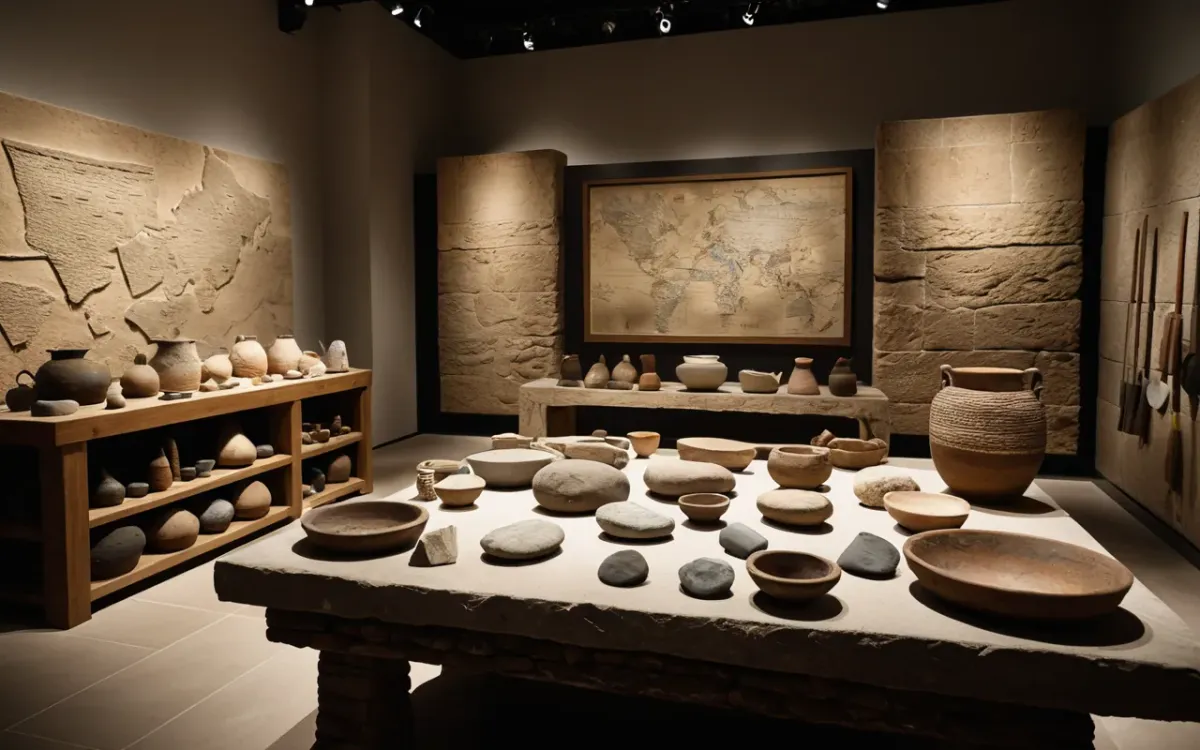
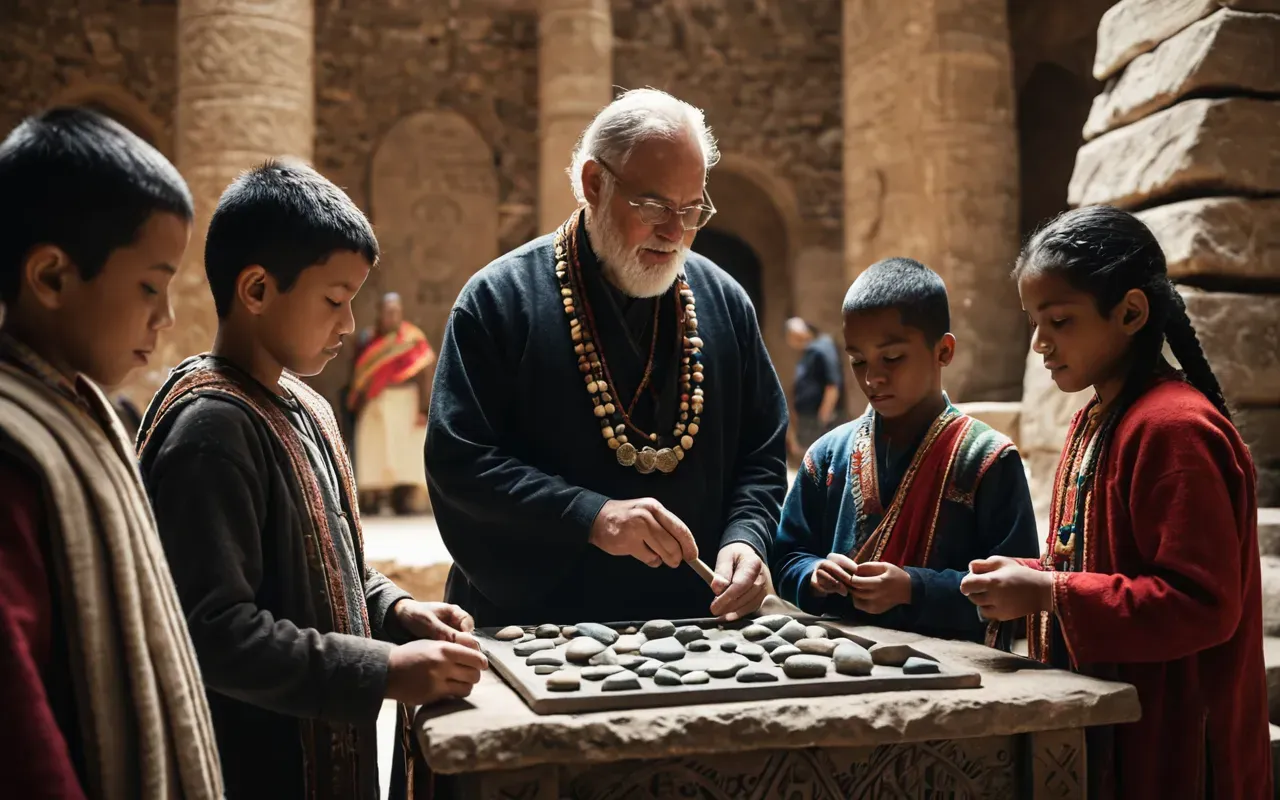
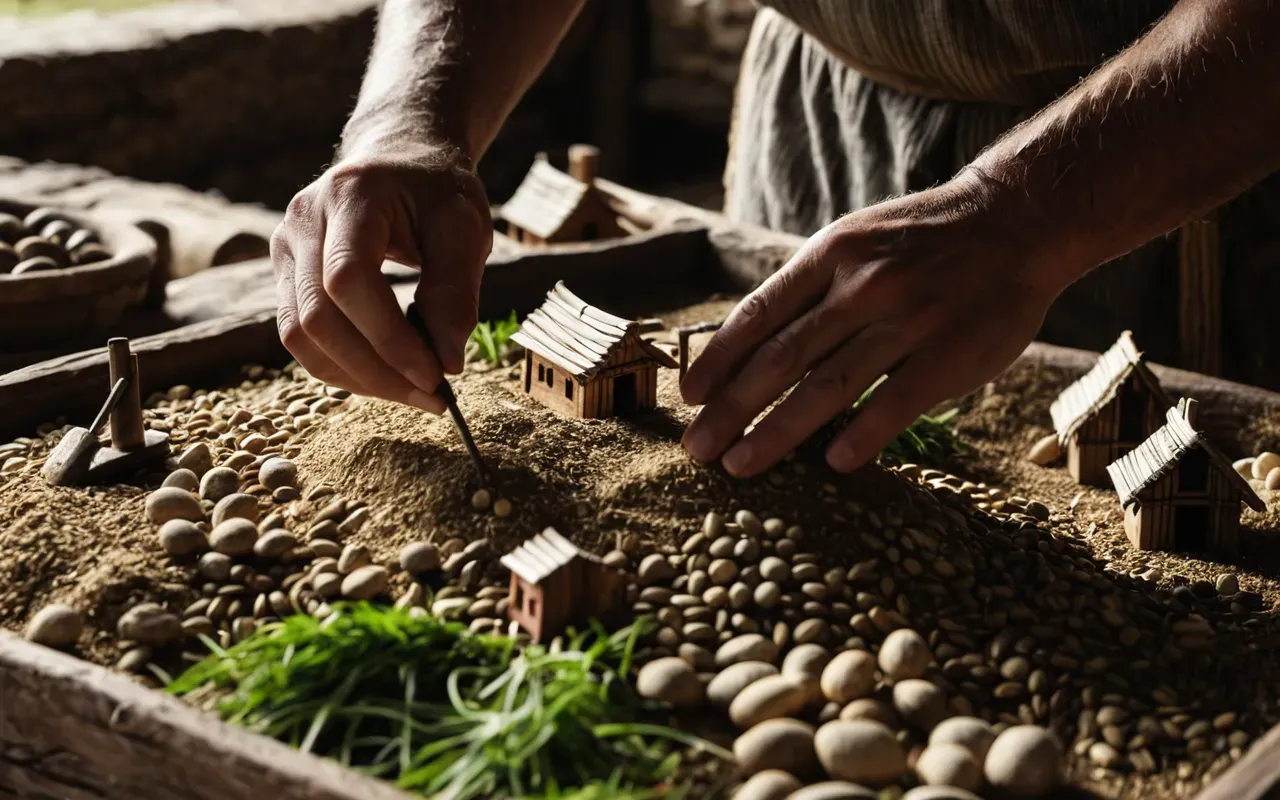
You walk into what looks like a modern cultural center. But instead of glass cases and distant plaques, you find children playing with handmade replicas of ancient tools. They are building tiny settlements, experimenting with early farming techniques, and even reading stories inspired by life ten thousand years ago. This isn't a futuristic simulation lab. It's the Taş Tepeler project bringing the Neolithic era to life in a way that feels surprisingly immediate.
I remember my first visit to a traditional archaeological exhibit. It was quiet. Sterile. You felt like an intruder in a museum of dead things. Here, the atmosphere is completely different. The past is being touched, tested, and lived. And that shift in approach is raising a question we don't talk about enough: What happens when ancient history becomes too accessible?
The Hidden Shift in How We Learn History
Most of us learned the Neolithic period as a list of dates and terms. Agriculture. Settlements. Stone tools. It was distant. Abstract. But the Taş Tepeler project flips that script. Instead of memorizing, visitors get to experience. You can hold a replica of a grinding stone. You can plant seeds in sand and watch how early farmers might have tested the soil. The experience turns history into something tactile, something you can't easily forget.
And honestly, that's where the controversy starts. When history becomes a game, do we risk turning it into entertainment? Some scholars worry that playful engagement dilutes the gravity of ancient discoveries. But others argue that engagement is the only way to keep the past alive. If kids walk away from an exhibit thinking about how Neolithic people lived, that's a win. Your mileage may vary.
Why Toys Are Taking Over History Education
I was struck by how naturally children connected with the toys inspired by Neolithic artifacts. It wasn't about memorizing facts. It was about pattern recognition, cause and effect, curiosity. The project includes board games, building kits, and even novels set in ancient times. And yes, it feels strange to see a toy store selling replicas of Neolithic tools. But it works. History is no longer confined to textbooks. It's in the hands of the next generation.
Here's the thing. The Neolithic era was a time of massive innovation. Early humans transitioned from nomadic lifestyles to settled communities. They domesticated plants and animals. They built the first permanent structures. And the Taş Tepeler project captures that spirit of experimentation. It's not just about showing the past. It's about showing how the past was alive with choices, challenges, and creativity.
Who Wins When History Becomes Playful
Let's be real. The traditional museum model is struggling. Attendance is down. Funding is tight. And the average visitor's attention span is shrinking. The Taş Tepeler project is a direct response to that reality. It's not just preserving artifacts. It's preserving interest. By blending archaeological findings with interactive experiences, it's making the Neolithic era relevant again. And that's a massive win for cultural education.
But who loses? Some academics argue that simplifying complex history for broad audiences risks oversimplifying the past. There's truth to that. You can't capture the full depth of Neolithic society in a board game. But you can spark curiosity. And curiosity is the first step toward deeper learning. If a child walks away wanting to read more, ask questions, or visit a real excavation site, the system is working.
The Real Stake Is Cultural Memory
We tend to think of history as fixed. But it's not. It's shaped by how we tell it, how we interact with it, and who gets to tell it. The Taş Tepeler project is part of a larger movement to democratize access to the past. By offering educational resources, interactive displays, and even gift options tied to Neolithic art, it's making ancient history approachable. And that approachability is changing how we remember.
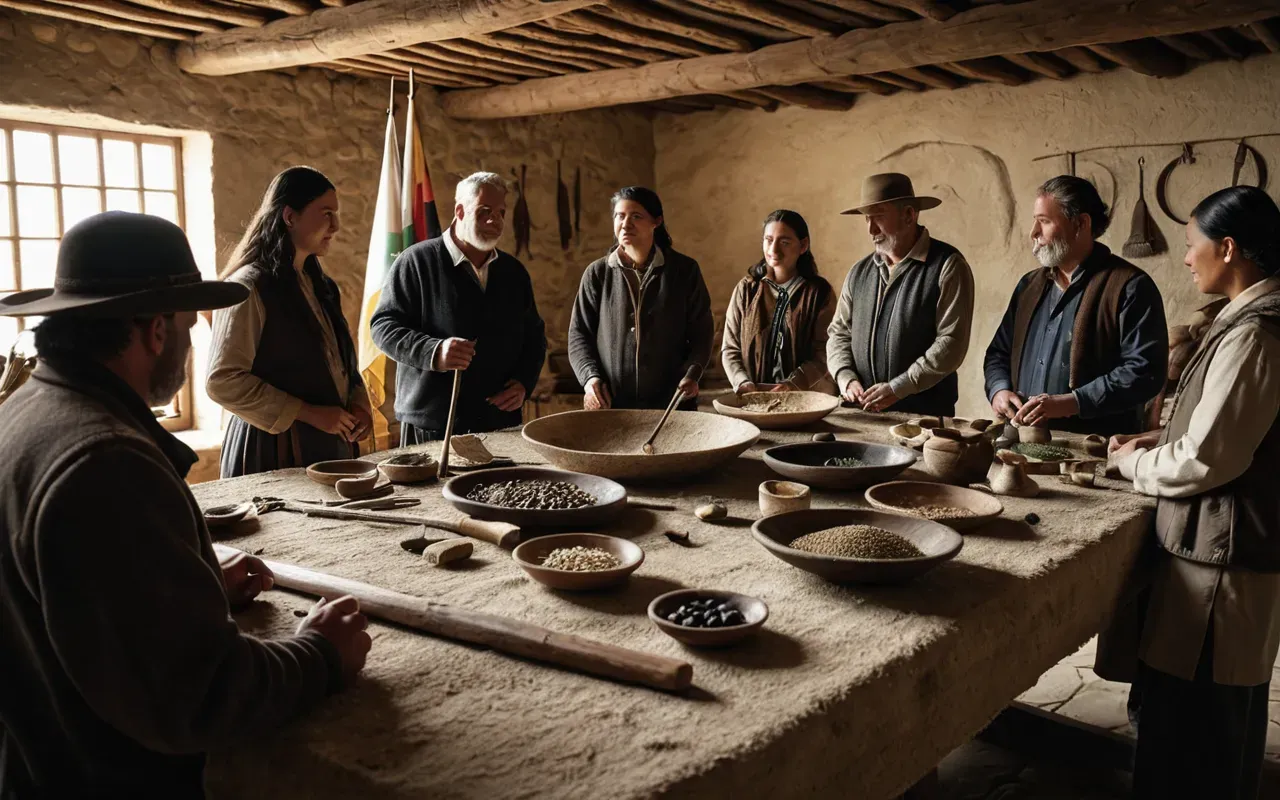
I was surprised by how many adults showed up at the project's events. It's not just for kids. Many visitors are history enthusiasts, teachers, or simply curious minds looking for a new way to connect with the past. The project's blend of storytelling, hands-on activities, and scholarly insight creates a space where everyone can find something meaningful. That's rare. And it's powerful.
The Controversy of Commercializing the Past
Let's talk about the elephant in the room. The project sells gift items. Replicas. Books. Games. To some, that feels like selling history. To others, it's a necessary step to keep the mission alive. Without funding, the exhibits close. Without engagement, the past fades. And if a replica of a Neolithic tool helps a child understand how early humans lived, is that really a problem? Honestly, I think it's a win.
But here's the nuance. Commercialization only works if it's grounded in research. The Taş Tepeler project collaborates with archaeologists, historians, and educators to ensure accuracy. It's not just about making things look cool. It's about making them true. And that balance is what separates meaningful engagement from shallow entertainment. You can't fake history. But you can make it feel real.
Why This Changes More Than People Think
The Neolithic era wasn't just a time of survival. It was a time of transformation. Early humans made choices that shaped the world we live in today. They decided to settle. To farm. To build. And the Taş Tepeler project reminds us that those choices weren't inevitable. They were innovations. And innovations are human. That's a powerful message. It connects us to the past in a way that goes beyond dates and artifacts.
Look, we don't talk enough about how ancient societies faced uncertainty. They didn't have GPS. They didn't have weather forecasts. They had observation, trial, and error. And that's exactly what the project encourages visitors to do. Experiment. Test. Learn. It's not just about the past. It's about the mindset that built the past. And that mindset is still relevant today.
The Hidden Influence on Modern Identity
I've seen people walk away from the project with a new sense of connection to their roots. It's not just about Turkey. It's about the shared human story. The Neolithic era reminds us that we all started somewhere. We all built something from nothing. And the project's focus on early settlements, agricultural techniques, and community life helps visitors see themselves in the past. That's a subtle but powerful shift.
And that connection matters. In a world that often feels fragmented, remembering our shared origins can be grounding. It's not about nostalgia. It's about perspective. The Neolithic era shows us that humans have always adapted. We've always innovated. And we've always faced challenges that seemed insurmountable at the time. That's a message worth carrying forward.
The Role of Education in Shaping the Future
The Taş Tepeler project isn't just an exhibit. It's an educational platform. It offers resources for teachers, schools, and families. And that scalability is what makes it so impactful. You can't just visit once and walk away. You can bring the learning home. You can continue the conversation. And that continuity is what turns a museum visit into a lifelong interest. That's the real win.
I was particularly impressed by how the project handles complexity. It doesn't dumb down the past. It makes it digestible. And there's a difference. Dumbing down removes nuance. Digesting preserves it. The project uses storytelling, hands-on activities, and visual displays to make the Neolithic era approachable without losing depth. And that balance is rare. It's also essential.

The Implication Nobody Is Talking About
Here's the thing that keeps me up at night. We're losing the ability to engage with the past in a meaningful way. Museums are closing. Archives are underfunded. And the average person's connection to history is weakening. The Taş Tepeler project is a counter-trend. It's proving that engagement doesn't have to mean simplification. It can mean revitalization. And that's a shift we need more of.
But the real implication goes deeper. If we can make the Neolithic era feel alive, why not other periods? Why not other cultures? The model is replicable. And if it works, it could reshape how we approach history education globally. We're not just talking about Turkey. We're talking about the future of how we remember. And that's a stakes game that's worth paying attention to.
Why Skeptics Are Wrong to Worry
I hear the concerns. Playful engagement risks trivialization. But here's the counterargument. Trivialization happens when there's no connection. When history feels irrelevant. The Taş Tepeler project builds connection. It makes the past feel human. And once you feel that connection, you're more likely to seek the truth. Not less. Skeptics should worry about disengagement. Not engagement.
And to be fair, the project doesn't replace traditional scholarship. It complements it. It's a gateway. A starting point. The real research still happens in labs, in field sites, in academic journals. But without public interest, that research loses its audience. And without an audience, it loses its purpose. The project bridges that gap. And that's a service, not a threat.
The Future of History Is Interactive
We're entering an era where passive learning is dying. People want to participate. They want to touch, test, and experience. The Taş Tepeler project is ahead of that curve. It's not just preserving artifacts. It's preserving curiosity. And in a world where attention is the scarcest resource, capturing it is the first step toward education. That's not just a win for history. It's a win for society.
So if you're curious about how ancient innovations shape modern identity, this project is a great place to start. It's not just about the past. It's about the tools we use to understand it. And those tools are changing. Fast. And that's a good thing.
What This Means for the Rest of Us
History isn't just for academics. It's for everyone. The Neolithic era shaped the world we live in. It's the foundation of agriculture, settlement, and community. And understanding it helps us understand ourselves. The Taş Tepeler project makes that understanding accessible. It removes the barriers. It invites participation. And in doing so, it's changing the conversation around what history is for.
I think about this a lot. We spend so much time looking forward. We forget that the past is full of lessons. Of choices. Of consequences. The Neolithic era reminds us that innovation isn't new. It's human. And that's a message that transcends time. It's not just about stone tools and early farming. It's about the mindset that built civilization. And that mindset is still with us.
The Lasting Impact of the Taş Tepeler Project
This isn't just a trend. It's a movement. The project is proving that history can be engaging without losing its depth. It's showing that education doesn't have to be dry to be effective. And it's reminding us that the past is alive. It's not locked in glass cases. It's in the hands of the next generation. And that's a future worth investing in.
So the next time you walk past a museum or skip a history book, ask yourself this. What are you missing? The Neolithic era isn't just a chapter in a textbook. It's the story of how we became us. And projects like Taş Tepeler are making sure that story doesn't fade. They're keeping it alive. And that's something worth paying attention to.
Final Thoughts on Making History Feel Alive
I've spent years covering cultural projects. And the ones that stick are the ones that make you feel something. The Taş Tepeler project does that. It connects. It engages. It teaches without lecturing. And in doing so, it's changing how we think about the past. Not as a distant memory. But as a living, breathing part of who we are. That's the real innovation. And it's just getting started.
If you're interested in how ancient innovations were hidden in plain sight, this project offers a window into that history. It's not just about what we found. It's about how we understand it. And that understanding is shifting. For the better. And that's a story worth following.
So here's my take. The Neolithic era isn't just a period of time. It's a mirror. It reflects our choices, our challenges, and our creativity. And the Taş Tepeler project is holding that mirror up to us. Not to judge. But to remind. We've always been innovators. We've always been builders. And that's a legacy worth celebrating. And learning from. And passing on.