The Neolithic Revolution Was a Massive Mistake

The Lie We Tell About Progress
We have been sold a fairy tale. For two centuries, history books told us that the shift to farming was humanity's biggest leap forward. It was supposed to be the moment we finally got our act together.
But look closer. The data tells a completely different story. Bones from the first farmers in Anatolia show signs of stress that hunter-gatherers never had.
This is not just a dry academic debate. It changes how we view the very foundation of civilization.
Bones That Betrayed the Farmers
Consider the teeth. Dental calculus from early Neolithic sites in Turkey reveals a diet dominated by one or two crops.
Hunter-gatherers ate hundreds of plants and animals. Farmers ate wheat or barley. The nutritional profile crashed.
I find this staggering. We traded a varied buffet for a monotonous meal and called it an upgrade.
The Disease Explosion
Living in close quarters with livestock created a petri dish for infection.
Tuberculosis and dental abscesses became common. Before farming, these were rare.
So the first cities didn't bring hygiene. They brought sickness.

Why We Stopped Hunting
If it was so bad why did they do it? The classic answer is climate change.
But that ignores human agency. Some groups chose to farm because it allowed them to hoard wealth.
Food is a currency. If you control the harvest you control who eats and who starves.
The Gender Divide Emerges
Hunter-gatherer societies were often egalitarian. Farming introduced property rights.
Land ownership became a male prerogative in many cultures. Women were pushed into domestic roles.
A recent analysis of burial goods in a nearby site showed this shift clearly. This woman buried with tools challenges the stereotype but is an exception.
The Taş Tepeler Perspective
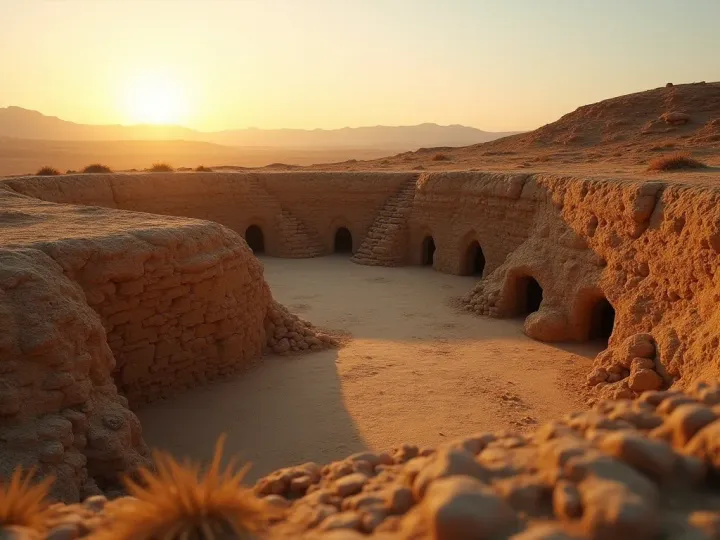
Local projects like the one in Şanlıurfa are reshaping this narrative.
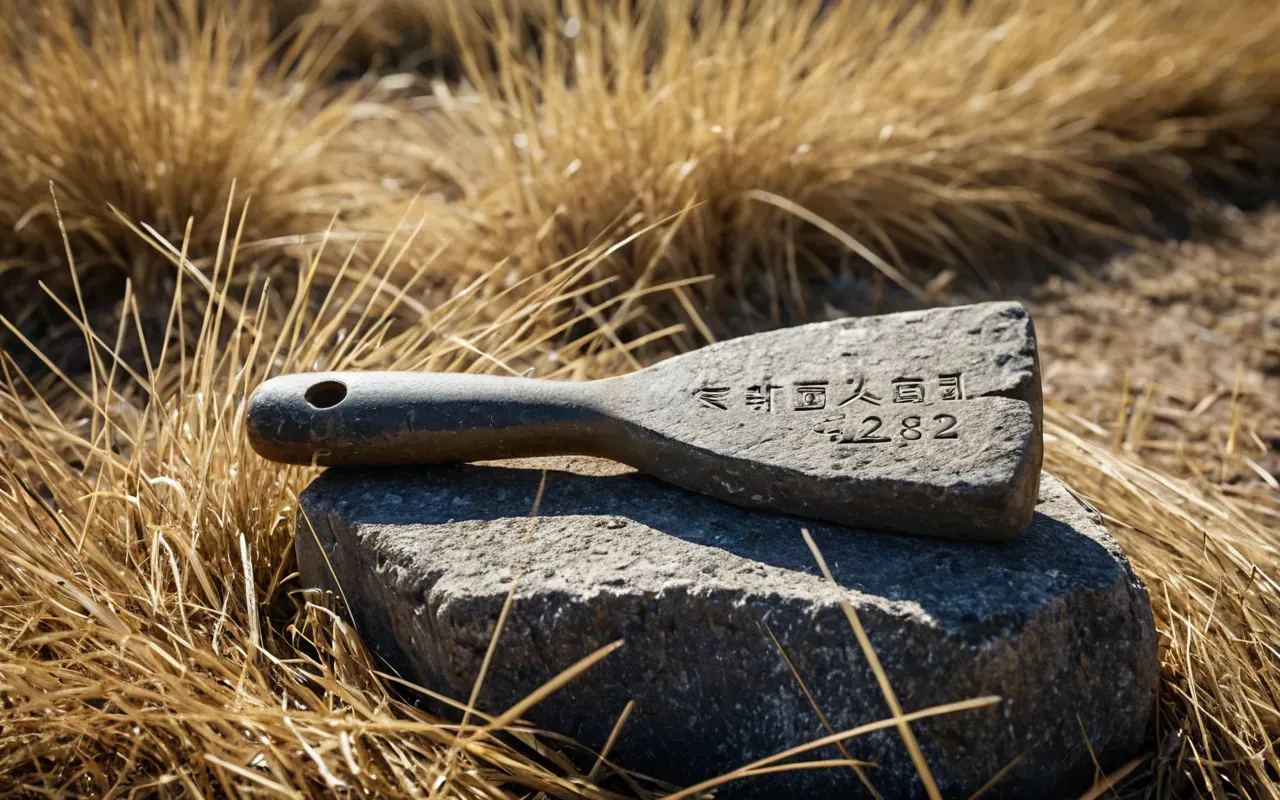
They don't just show tools. They show the social fabric.

They offer toys and games that make this era accessible. It’s a clever way to engage the public.
But we must ask if these fun elements obscure the harsh realities of survival.
Innovation vs. Necessity
We often call this a tech boom. But was it really?
The Neolithic Age Was a Tech Boom Not Just A Farming Shift argues for progress. I disagree.
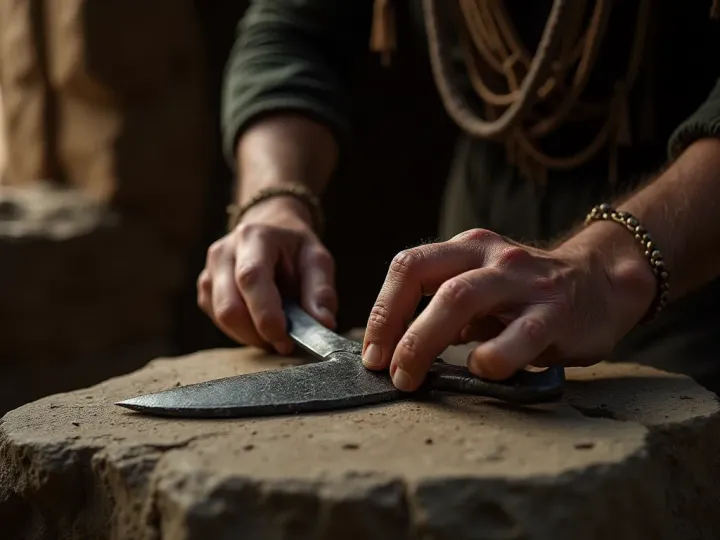
Polishing stone is a skill. But does it outweigh the loss of freedom?
The Modern Echoes
This isn't just history. It's a mirror.
We still chase efficiency over well-being. We still hoard resources.
The Neolithic trap is the modern consumer trap. We trade health for convenience.
Understanding this helps us critique our own choices. It grounds us in reality.

Rethinking the Narrative
We need to stop romanticizing the past.
The Neolithic era was a compromise. It bought survival at the cost of quality.
The Neolithic Revolution Was a Mistake is not just a title. It's a thesis.
It forces us to ask what we value more than anything else in life. Is it growth or health?
Frequently Asked Questions
Why did humans start farming if it was harmful?
Humans started farming primarily to gain control over food supplies and accumulate wealth. This allowed early societies to build permanent settlements but also introduced social hierarchies and increased exposure to zoonotic diseases from livestock, creating a complex trade-off between survival security and overall well-being that defined the trajectory of human civilization.
What evidence shows health declined after agriculture began?
Skeletal remains from early Neolithic sites show higher rates of dental caries, spinal lesions, and signs of infectious diseases compared to pre-farming hunter-gatherers. These biological markers indicate that the shift to a diet dominated by grains and close contact with domesticated animals compromised physical health despite providing caloric stability for growing populations in new environments.
How does the Taş Tepeler project help understand this era?
The project provides physical artifacts and digital resources that contextualize Neolithic life beyond simple tool usage. By displaying reconstructed tools and offering interactive educational materials it allows researchers and the public to examine how early innovations in agriculture and settlement structure shaped social organization providing a tangible connection to the complex realities of prehistoric human adaptation.