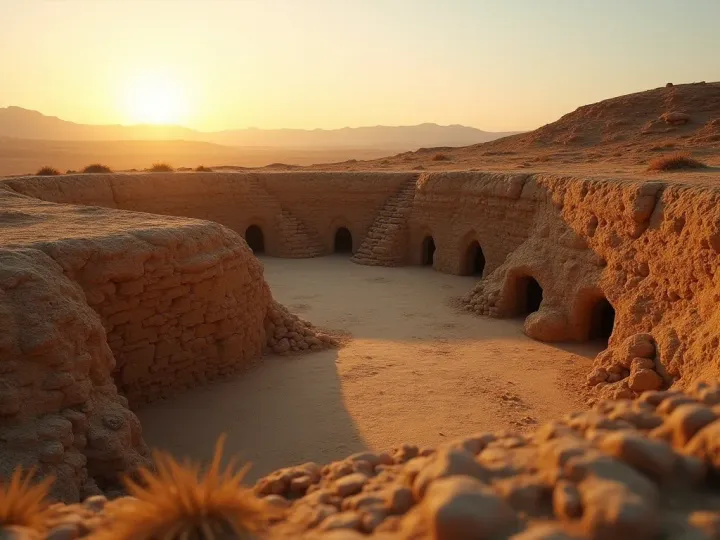
The Neolithic Age Was a Tech Boom Not Just A Farming Shift
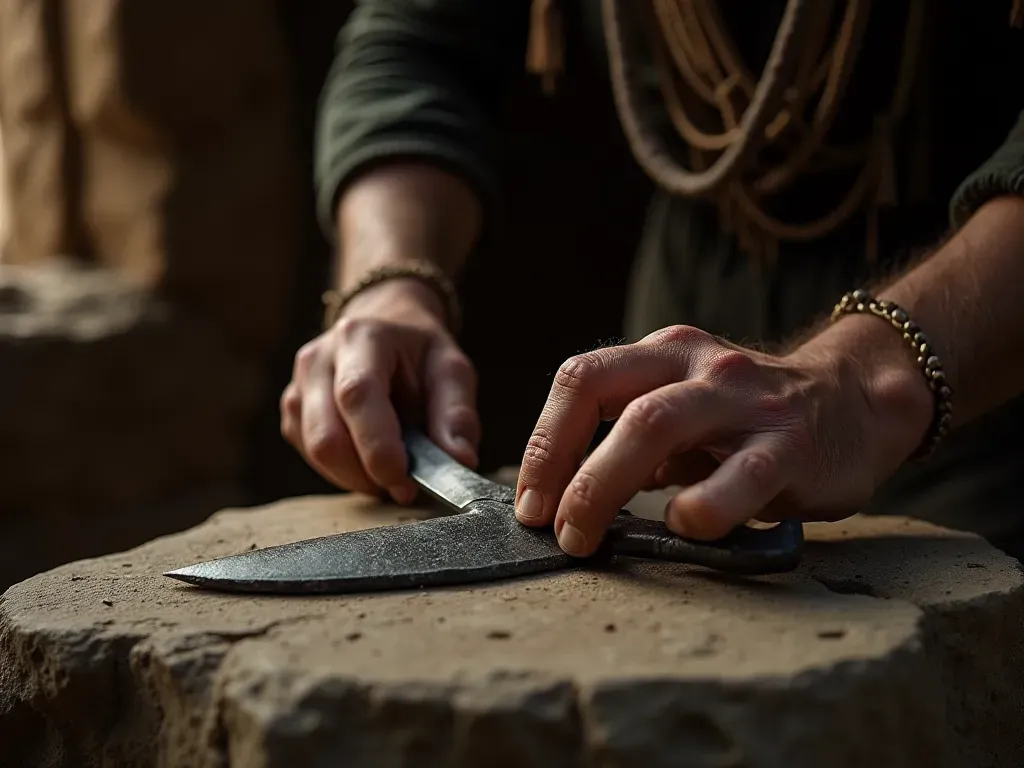
The Myth of the Slow Farmer and Why It Fails Reality
For over a century, we've been told a neat little story. The Neolithic era, we hear, was a slow, passive shuffle from hunting and gathering to settling down and planting seeds.
But pick up the actual artifacts. You find perfectly polished stone spheres and elaborate ceramic vessels appearing in what feels like the blink of an eye.
This wasn't a gentle drift. Honestly, it was an intense burst of innovation, and it happened far faster than most people give it credit for.
The whole "simple farming shift" narrative conveniently ignores the massive cognitive leap required to craft these high-precision objects. There's nothing simple about it.

The Real Tech Boom of the Neolithic Era Was About Precision and Control
Study the tools from this period, and the pattern jumps out at you. These people were mastering friction, heat, and material science in ways that feel almost modern.
Carving a stone sphere isn't just about chipping flint into a spearhead. It demands a real understanding of balance, of weight distribution.
It's geometry, plain and simple. It's about predicting how raw material will react under sustained pressure and heat, hour after hour.
That level of control points to a society that was constantly tinkering, experimenting. They weren't just surviving; they were actively engineering their environment.
How Ancient Artisans Achieved Such Remarkable Precision With Basic Tools
We tend to undervalue the skills of prehistoric craftsmen. They had no machines, no metal drills to lean on.
Instead, they used abrasives and water to shape the hardest stone. And it took hundreds of hours of painstaking, patient work to get it right.
The result? Objects that look almost machine-made even today. That kind of precision implies a deep, intuitive grasp of material properties and physical forces.
It's a quiet kind of genius, really. The tools themselves are the technology—not just the means to an end, but the product of profound thought.
The Taş Tepeler Project and What It Reveals About Neolithic Innovation Hubs
Recent work in the Taş Tepeler region has completely shifted how we see these settlements. They weren't just random camps scattered across the landscape.
They operated as hubs for trade and experimentation. Different groups brought their own specialized skills to the same shared space.

You can see it in the sheer variety of materials gathered in one place. Obsidian from distant mountains sits right next to locally made clay vessels.
That mix is proof of an exchange network that was surprisingly complex. It's an early blueprint for what we'd now call globalized supply chains.
The Taş Tepeler initiative is helping us see the full picture. It's not just about food anymore; it's about ideas moving between people.
For scholars and enthusiasts alike, this project offers a rare, intimate look at the social side of technological progress. It's fascinating.
Why These Settlements Were More Like Research Labs Than Villages
Think about the layout of these sites. You find dedicated workshops for specific tasks—one area for grinding, another for polishing.
That level of specialization suggests a division of labor we usually associate with much later periods of history.
People weren't doing everything themselves. They relied on neighbors for specific skills, for materials they couldn't source locally.
And that's the hallmark of a complex society. It's about efficiency and shared knowledge, not just individual survival.
The Overlooked Social Technologies That Defined the Neolithic Era
We talk a lot about physical tools. But what about the social structures that made them possible in the first place?
The Neolithic age saw the rise of shared spaces for ceremony and trade. These weren't optional extras, not by a long shot.
They bound communities together through ritual and exchange. That social glue was every bit as important as any stone tool.
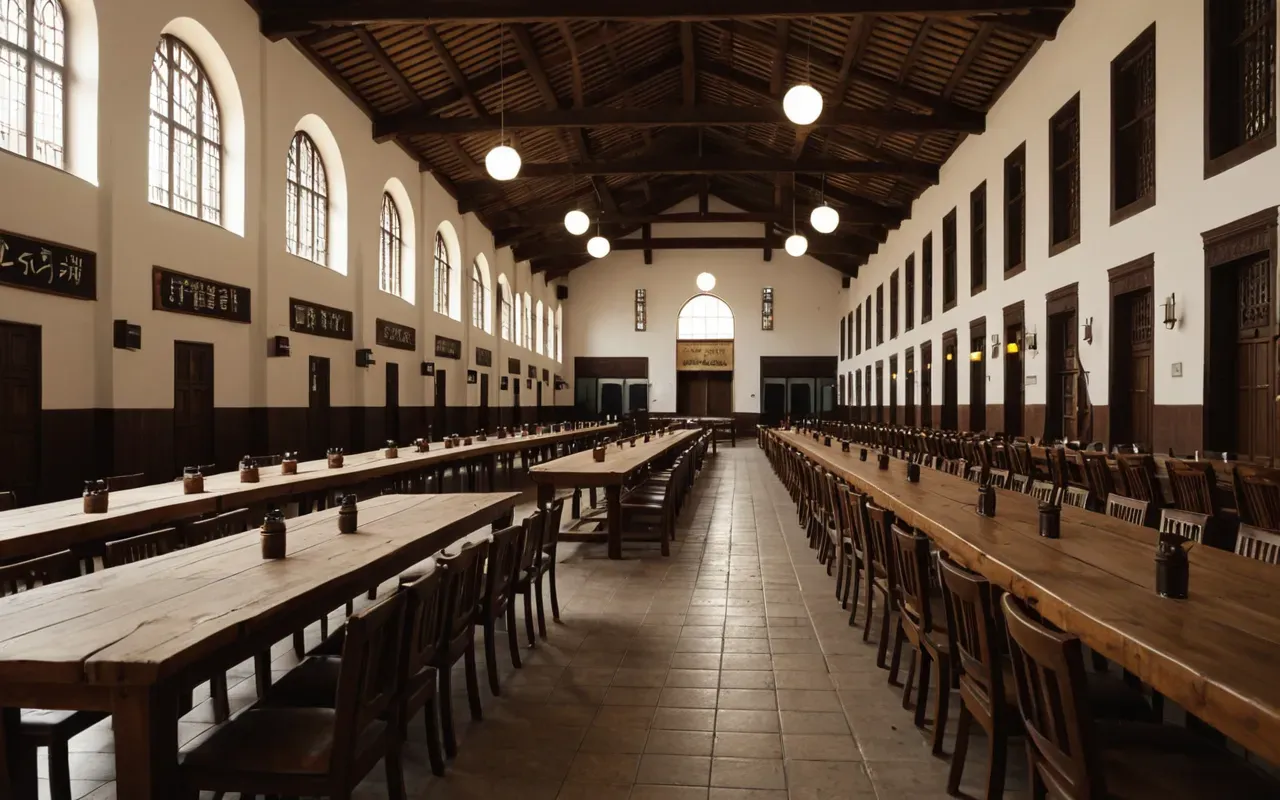
When you look at the scale of these structures, it becomes clear that organizing people was a major technical challenge in itself.
It required rules, leaders, and shared beliefs. That's technology in the broadest sense of the word.
So the farming shift was just one part of a much larger system. It was enabled by these social innovations—not the other way around.
How Shared Rituals and Trade Networks Created a New Kind of Community Bond
Trade wasn't just about swapping goods. It was about building relationships that could last for generations, creating bonds of trust.
Rituals reinforced those ties, forging a sense of shared identity among disparate groups.
This is what made large settlements possible. You need trust before you can build something that big.
So the real innovation of this era wasn't agriculture alone. It was the ability to cooperate on an entirely new scale.
What This Means for How We Understand Human Ingenuity Today
We tend to think of progress as a straight line running from simple to complex. The Neolithic era completely breaks that model.
It shows us that humans have always been capable of rapid, coordinated innovation. This isn't new to us.
The tools we use today may look different, but the underlying drive is exactly the same. We're still solving problems together.
Understanding this past helps us see our own potential more clearly. It's a reminder of what we can accomplish when we truly work as a team.

The Neolithic age wasn't just a time of survival. It was a time of creation and connection that fundamentally shaped who we are.
By looking past the farming narrative, we uncover a much richer story of human capability and social complexity.
Frequently Asked Questions
What is the main evidence that the Neolithic era was a tech boom?
The presence of highly polished stone spheres and complex ceramic vessels indicates advanced material science at work. These objects demand precise control over friction and heat that goes far beyond simple tool making.
How did Neolithic artisans achieve such precision without modern tools?
They used abrasives and water over long periods of time. This patient process allowed them to shape hard stone into geometric forms that look almost machine made today.
Why are settlements like Taş Tepeler important for understanding Neolithic society?
They show that these were centers for trade and experimentation. The variety of materials found there proves a complex exchange network existed long before modern civilization.