Turkey just turned a Neolithic village into a museum and it completely breaks what you think history is
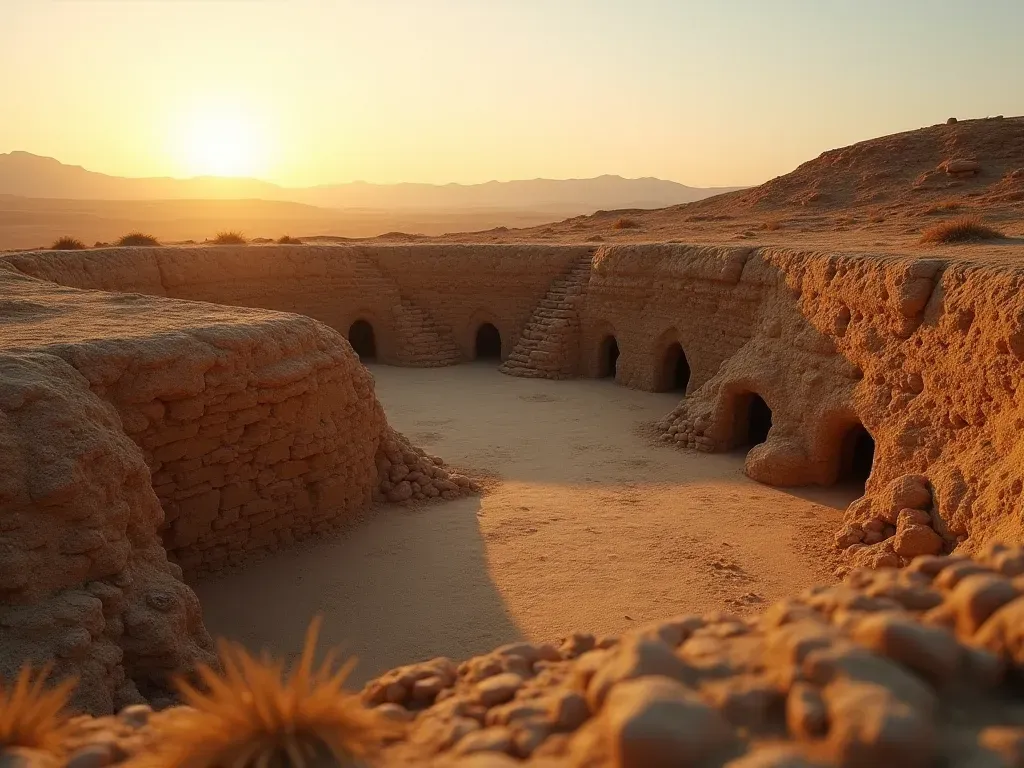
The house you have never seen until now
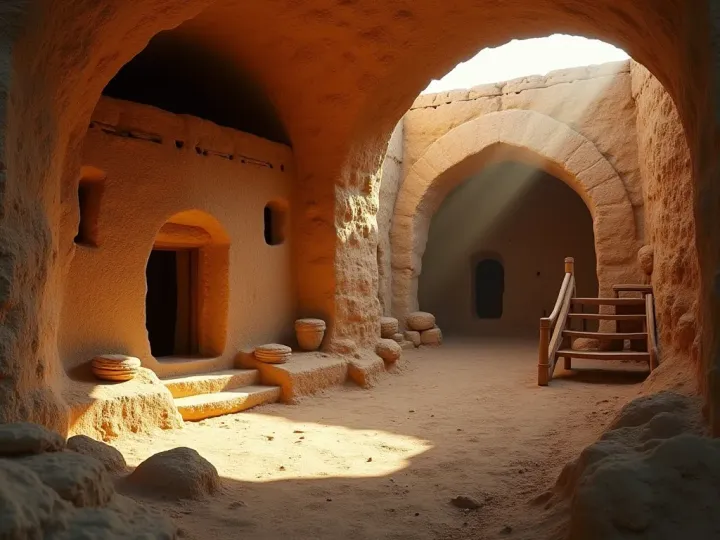
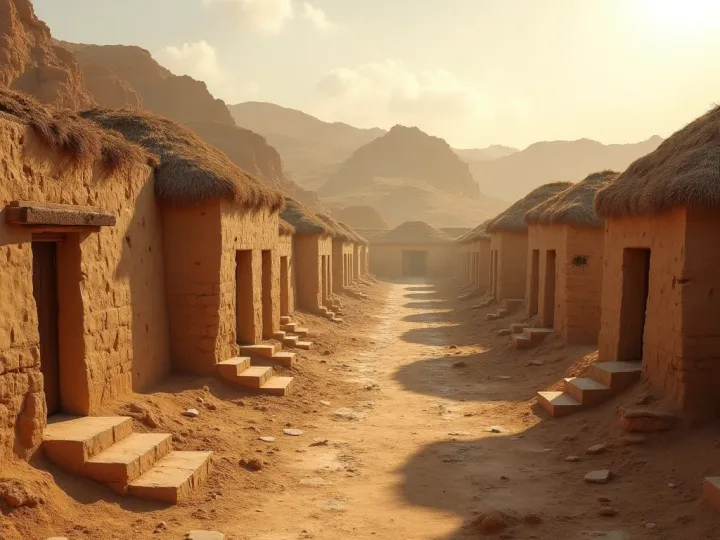
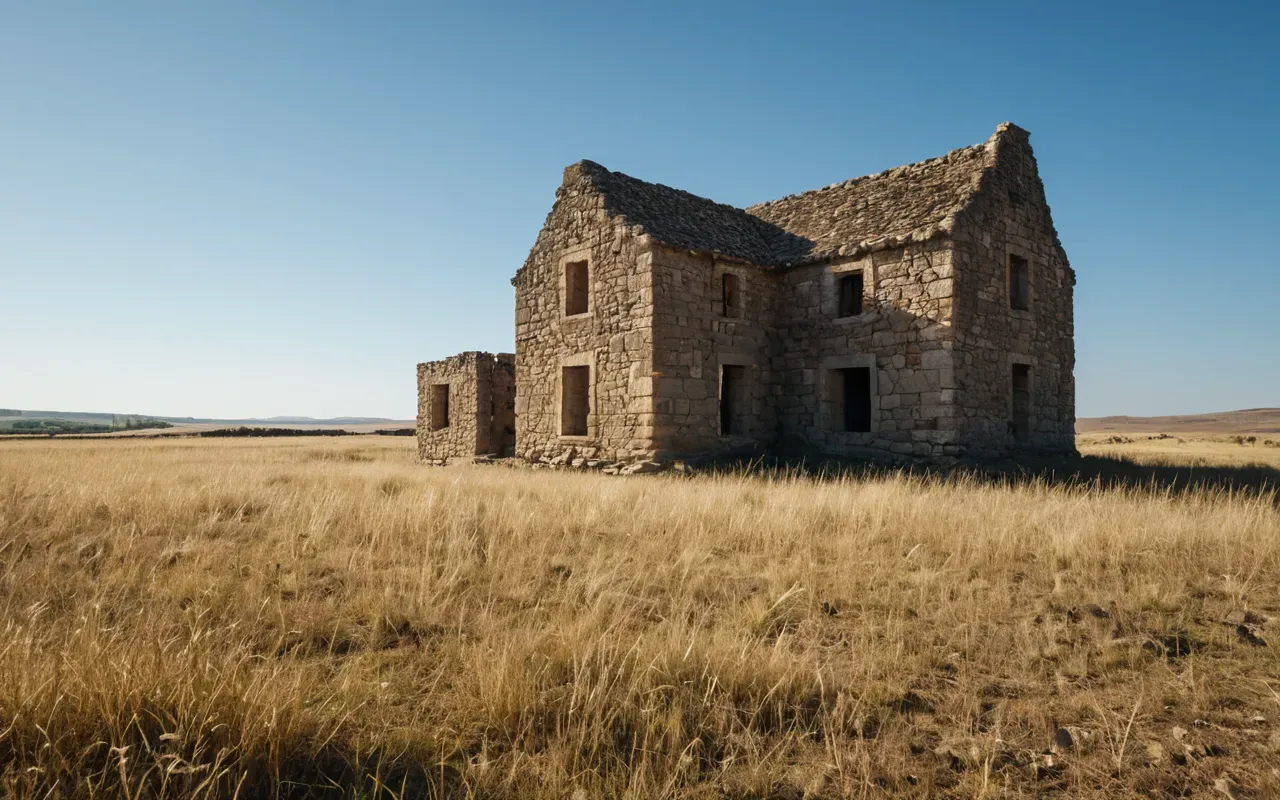
You picture a Neolithic village as mud huts. Maybe a few stones propped up in the dirt. Then you walk into 70 intact houses from 6950 BCE. That changes everything.
That's not a camp. That's a suburb. The shift from circular to rectangular homes at Sayburç changes how we define early architecture.
What hit me first was the sheer size of it all. Seven thousand years back, folks in this place were already raising rooms with real doors and walls that stared straight at one another.
Why the open-air museum changes everything
Most artifacts sit behind glass. Dead things in a case, frozen mid-story. An open-air layout, though, drops you right into the living space. You're not observing from the outside anymore — you're standing in it.
You walk where they walked. The mud walls still hold their shape under the summer sun. It feels startlingly real.
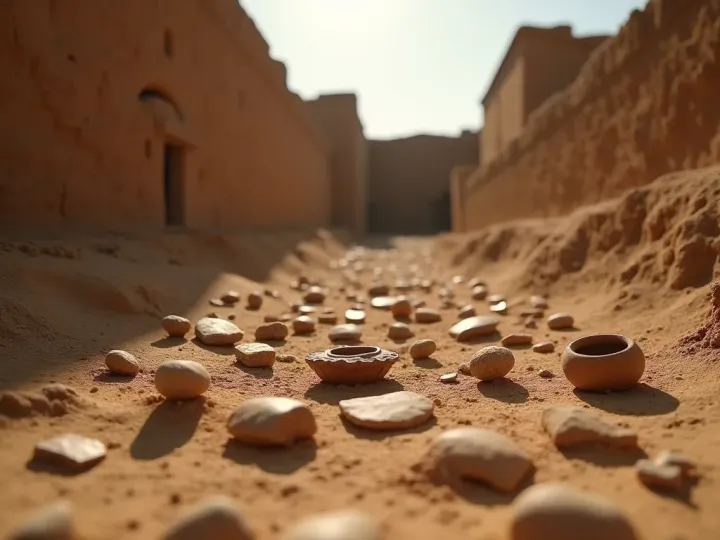
These aren't fake props staged to look old. These are the real foundations, dating back to 6950 BCE.
The T-shaped stones that defy logic
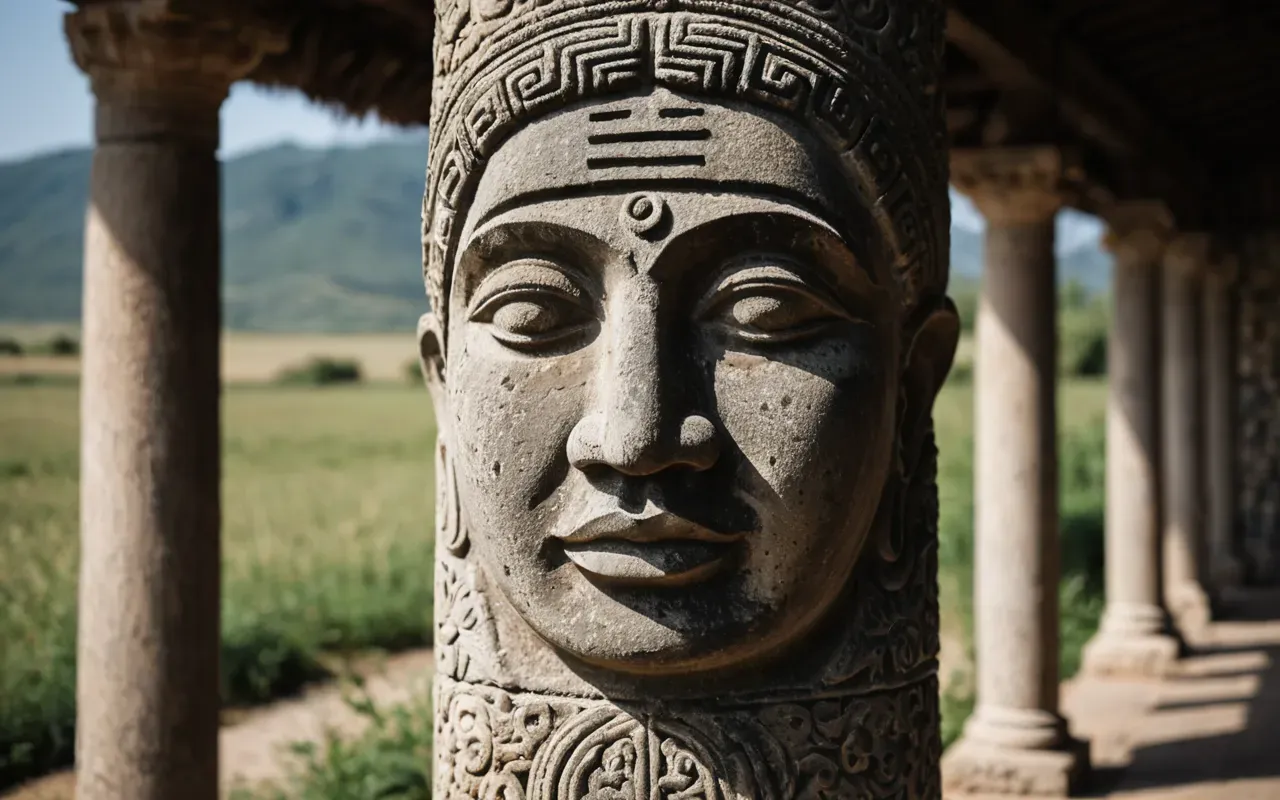
Just a short drive away, Karahantepe is home to upright stones carved in the shape of the letter T. And here's the thing — their bases bear faces. Human faces, etched right into the rock.
Why would anyone carve a face on the bottom of something? Honestly, it suggests there's a layer of Neolithic belief we still haven't cracked. We can guess, we can theorize — but the real answer is probably stranger than we imagine.
If you're curious about how these stones fit into the bigger mythological picture, definitely take a look at Taş Tepeler Culture Reveals the High-Tech Innovation Hub We Keep Dismissing as Primitive.
What the faces actually mean
Some scholars insist these figures are our ancestors, plain and simple. But others? They're convinced the real story points straight to the sky.
To be fair, no one is certain yet. The site was occupied through the Roman era and into modern times.
That continuous occupation makes it a living mound. Layer after layer of human life, stacked on top of each other for millennia. It's not just dirt and old stones. It's a vertical archive of who we've been.
The village museum that will not feel like a museum
The old buildings scattered around the site are getting a second life. They're being carefully restored and turned into something genuinely unique — a village museum that breaks the mold.
You won't just be staring at ancient walls. You'll see how the people around them have actually lived, generation after generation.
That blend of ancient and modern is genuinely rare. Most heritage sites freeze the past in amber.
How locals will experience this shift
People in and around Şanlıurfa have called these mounds their neighbors for generations. Honestly, the museum just puts a formal stamp on something they've always known — the land beneath their feet is part of who they are.
This isn't just about tourism. It's a statement — a quiet admission that this place mattered more than we ever gave it credit for.
Sure, you might not lose sleep over museum politics. But the physical space itself? Hard to argue with that.
Why this matters beyond Turkey
Here’s the thing: the Neolithic Age wasn’t only about swapping hunting for farming. It was a genuine tech boom. And these houses? They’re the proof. Innovation didn’t just shape the tools — it drove the very architecture people lived in.
If you want to understand the broader technological context behind these findings, read The Neolithic Age Was a Tech Boom Not Just A Farming Shift.
The shift to rectangular homes required planning. You need a blueprint before you pour the mud.
That level of coordination demands social structures we're only just starting to map with any real precision. Honestly, the more we learn, the more we realize how much we didn't know.
The hidden conflict in interpreting these sites
Different teams read the same stones differently. One sees a shrine. Another sees a meeting hall.
Want to see where these readings really butt heads? Head over to The Hidden Conflicts in Interpreting Neolithic Art and Their Impact on Modern Culture.
The open-air museum forces visitors to form their own conclusions without a docent guiding every step.
What this means for your next trip to the region
The site sits close to Şanlıurfa's center. It is along the road to Gaziantep.
Want to pack a lot into one weekend? Pair this place with Gaziantep, the food capital, and you're golden.
The timing couldn't be better. The Taş Tepeler project just added this stop to its route.
Plan on a solid two hours, minimum. The ruins sprawl across a big area, and trust me, that summer sun doesn't mess around.
The real reason nobody talked about this before
We only just wrapped up the sixth season of digging. Before that, the site had spent centuries buried under layers of dirt.
Everyone fixated on Göbekli Tepe — and sure, it's hard to look away from something that big and that old. But Sayburç? It doesn't shout. It whispers. And honestly, that might matter just as much.
The minister's announcement changes that. Plain and simple. This is now an official national heritage priority.
What the 70 houses tell us about daily life
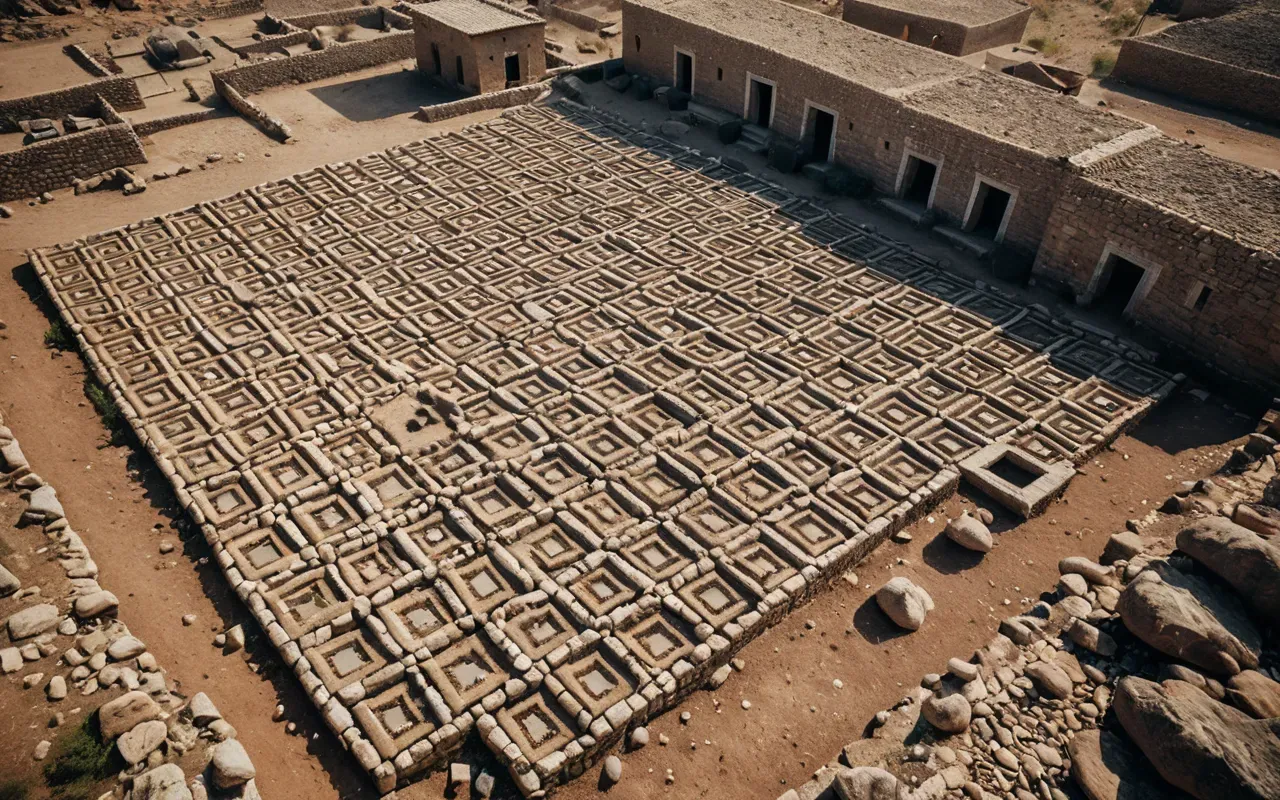
Seventy structures packed into 2,700 square meters. That's tight, honestly. But it's also a community that shares everything — and that density is exactly what makes it work.
They carved reliefs into their walls. They shaped human figures out of stone and clay. Art wasn't something you hung on a wall or admired in a museum — it was woven into the very rooms where they ate, slept, and worked. The sculptures stood in doorways. The reliefs told stories across entire hallways. There was no dividing line between the beautiful and the everyday. They simply lived inside their art.
Ever found yourself wondering how people in earlier eras managed to juggle work and creativity right inside their own homes? Honestly, this site has the answer.
The controversy over who gets credit for these discoveries
Chinese archaeologists have been digging in Turkey, and the things they're unearthing are quietly reshaping what we thought we knew about the Neolithic era.
Necmi Karul's team does the real grunt work on the ground. International partners, meanwhile, are the ones footing the bill.
The credit split is rarely clean. But the results speak for themselves in the open-air museum.
How this fits into the broader Taş Tepeler vision
Taş Tepeler isn't a single site. Honestly, it's more like a web of Neolithic settlements scattered across the region — each one its own story, its own mystery.
Sayburç is where people actually live now. Karahantepe, on the other hand, is the ceremonial hub — the place where rituals happened.
Together, they paint a surprisingly vivid picture of how people actually lived and worshipped in the exact same patch of ground.
The practical details you need to know now
Construction is still underway. The open-air layout will open its doors before the village museum wraps up.
Access roads are getting a proper upgrade. And yes, parking will be right at the site entrance, so you won't have to trek far.
Honestly, go early. Like, sunrise-early. That's when the light really does something magical to those old stone walls — soft, golden, almost glowing. I've seen them at noon too, and it's just not the same.
What this says about where human history is heading next
Every new site we open challenges the old timeline. The Neolithic wasn't some slow fade into agriculture. Honestly, the more we dig, the more it looks like a jolt — a series of sudden, messy shifts that don't fit the tidy story we used to tell.
It was an explosion of ideas. Housing technology, social organization, and symbolic art all arrived together.
The open-air museum at Sayburç is not just a tourist stop. Honestly, it's more like a laboratory for rethinking everything we thought we knew. And that, to me, is what makes it so exciting.
Next time you glance up at your own living room, take a second to think about those four boxy walls. They're ancient. Older than you'd guess, honestly.
That’s the real reason this matters. It ties your everyday routine straight back to a choice made 9,000 years ago — a decision about how we shape the spaces we live in.
The final word on why you should care about 9,000-year-old mud walls
We keep dismissing early humans as simple. Sayburç proves they were architects, artists, and social planners. They weren't just surviving. They were creating.
You don't have to take anyone's word for it. You can walk right up and see that proof for yourself.
It is not just history. It is a mirror showing how we still build and live today.