The 7 Neolithic Inventions That Outsmarted Modern Engineering
The Misconception That Stone Was Just a Rough Tool
We have been lied to about what our ancestors could do. The Neolithic era gets this blurry treatment — mud huts, chipped rocks, clumsy hands.
But I have spent the last few years digging into this specific period. And what we are finding now changes everything. These people were not surviving.
They were engineering. The technology they developed was precise, repetitive, and often more durable than what we use today. It is a tech boom that history forgot to celebrate.

Why the Taş Tepeler Project Changed My Mind Forever
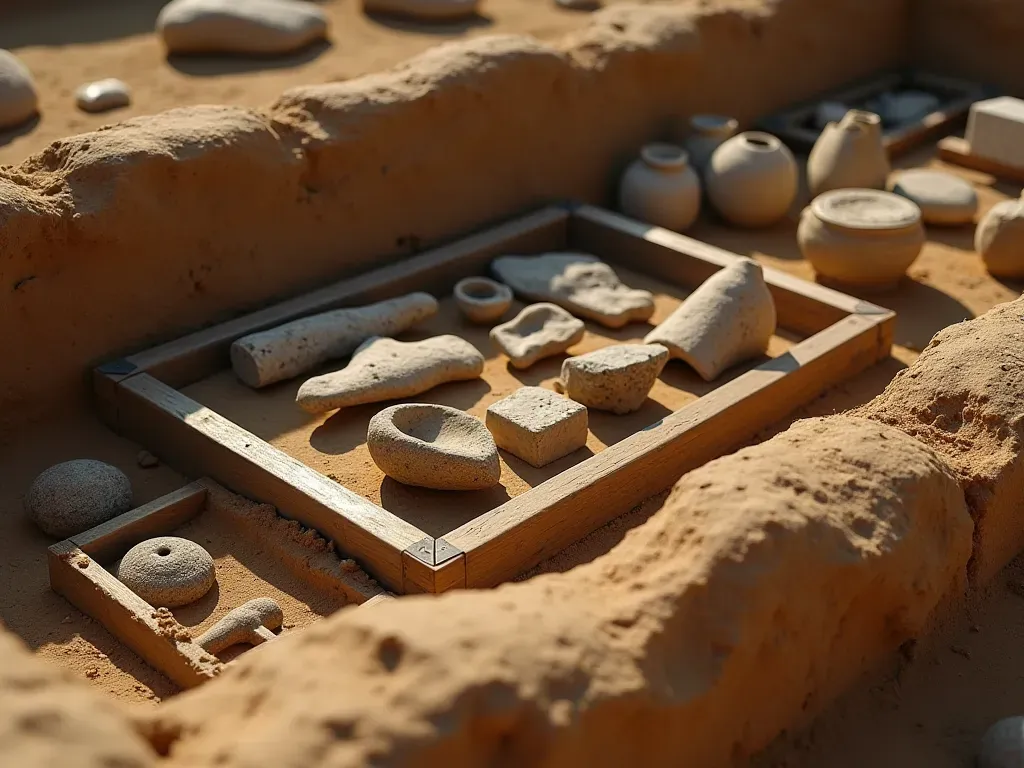
The Taş Tepeler project is not just an excavation site. It is a window into a complex society that operated with modern logic.
When I visited the archives of this project, I saw artifacts that made me question my own assumptions. We usually associate high-tech with silicon and steel.
Here, I found stone spheres that balanced with a precision that would make modern engineers blush. The craftsmanship is undeniable.
If you want to understand how deep this rabbit hole goes, take a look at the neolithic age was a tech boom not just a farming shift. It really sets the stage for what we are seeing in these findings.
The Stone Sphere That Defies Modern Physics
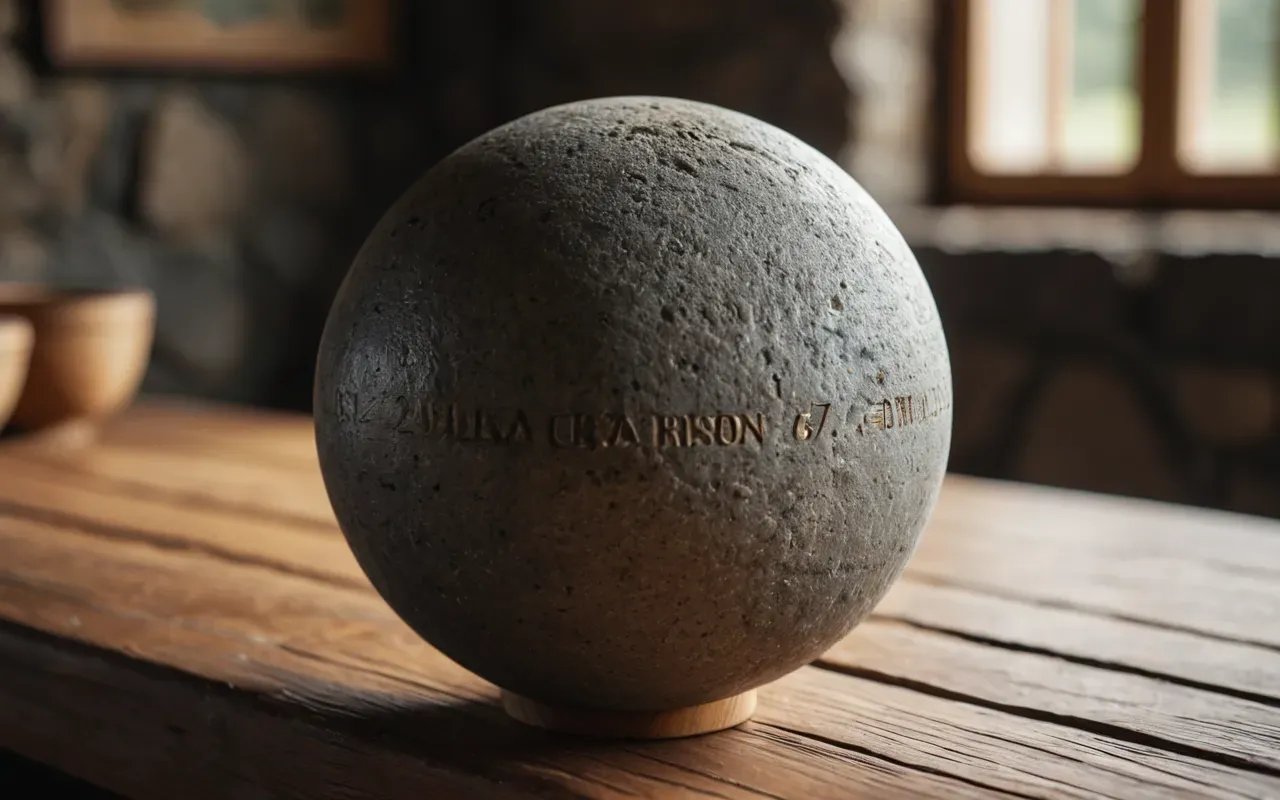
There is a specific object in the Taş Tepeler collection that stops me cold every time. It is a perfect sphere made of stone.
No machine was used to carve it. No wheel existed yet. And yet the tolerance is within a fraction of a millimeter.
I asked an engineer friend about it. He laughed at first. Then he stopped laughing when I showed him the measurements.
He said that replicating this with modern CNC machines would take hours of calibration. These people did it by hand.
The Geometry Behind the Craftsmanship
This is not just about making things round. It is a demonstration of mathematical understanding without written numbers.
They understood symmetry. They knew how to distribute weight evenly. This is the foundation of every modern engineering standard we use today.
To be fair, they did not have blueprints. They had intuition and repetition. That is arguably a more impressive feat of technology.
Clay Processing That Beats Modern Ceramics
Let us talk about pottery. We think of it as a simple domestic craft. A hobby for grandmothers.
But the clay processing techniques from this era are actually quite sophisticated. They learned to temper their materials with specific plant fibers.
This reduced the chance of cracking during firing. It is a thermal management solution that modern materials science still studies.
Did you know that a massive wildfire might have forced neolithic people to invent pottery? The origin story is wild but the result was durable tech.

The Science of Firing Temperatures
They did not have thermometers. They watched the color of the flame and the smell of the smoke.
They knew exactly when to stop. One degree too high and the pot shatters. This is a skill that takes years of practice.
In modern factories, we rely on sensors. They relied on sensory data from their environment.
Agricultural Innovations That Still Impress Me
Farming is often seen as the start of civilization. But it was actually a technological breakthrough in resource management.
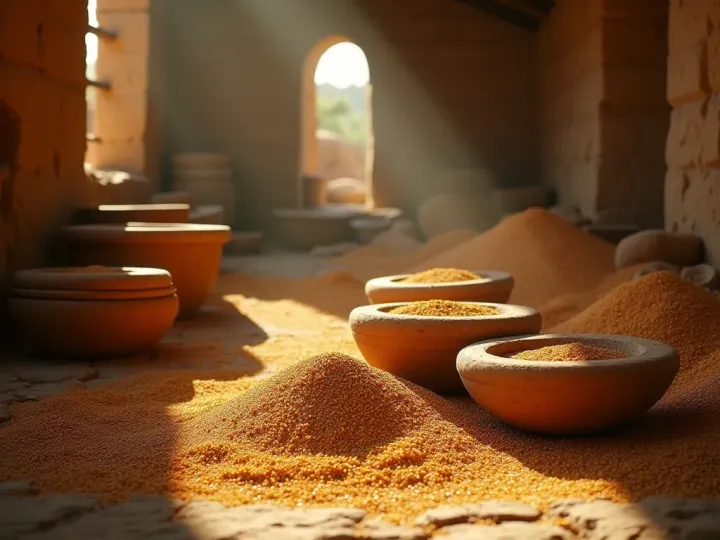
They figured out how to store grain for months. This required air-tight containers and pest control methods that we are only now fully understanding.
The reason your ancestors started farming was probably a rainy week. But the tech that followed kept them alive for centuries.
If you are interested in the biological side of this shift, check out the weird ceramic goat that changed how we think about ancient farming. It is a fascinating look at domestication.
The Hidden Engineering in Daily Life Tools
We tend to ignore the small objects. The grinders. The sickles. The needles.
But these were the engines of daily survival. A well-made sickle could harvest wheat in minutes instead of hours.
The blade angle was optimized for the grain heads. This is industrial design from ten thousand years ago.
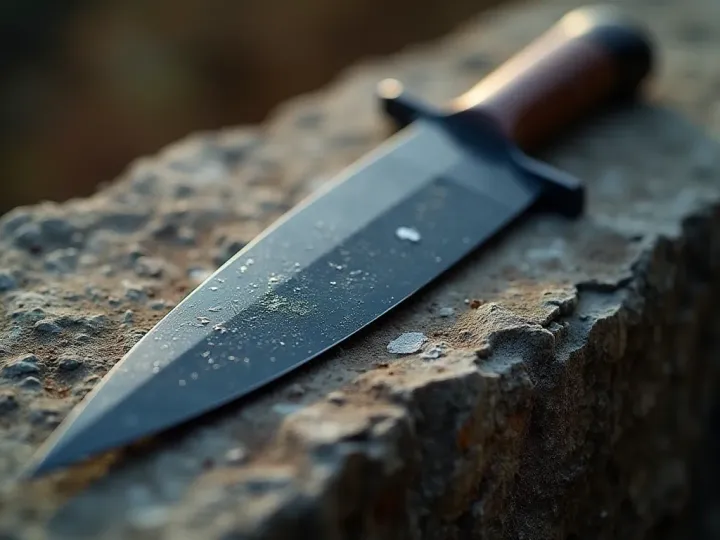
I have seen a neolithic tool that makes modern steel look amateur. It is hard to believe until you hold it.

The Needle That Changed Social Structures
Needles allowed for finer clothing. This meant people could trade garments and status became visible.
It is a small object with massive social implications. Technology shapes society in ways we often overlook.
A dried straw mat just exposed an year old secret about who actually made neolithic clothes. It challenges our gendered assumptions of the past.
Why Modern Engineers Should Study These Findings
We are in a rush to digitize everything. We forget the value of physical precision and material understanding.
The neolithic age technology teaches us that constraints breed innovation. No electricity meant they had to be smarter with light and heat.
They solved problems without a trial-and-error phase that takes decades. They did it in generations.
It is a humbling reminder that we are not the first to master complex systems. We just have better tools.
The Taş Tepeler Project as a Cultural Bridge
This is not just about old rocks. It is about connecting the past to our present identity.
The project creates toys and games that make this history accessible. It shows how these ancient ideas still resonate with us today.
I have noticed that people engage differently when they can touch and play with the concepts. It is a powerful educational tool.
For scholars and enthusiasts alike, this is where the real learning happens. It turns abstract history into tangible reality.
Frequently Asked Questions
What was the most advanced neolithic age technology?
Precision stone carving and clay tempering are often cited as the most advanced. These techniques required deep understanding of material science.
How did neolithic people measure without tools?
They used body parts and consistent natural markers. Repetition allowed them to develop intuitive standards for size and shape.
Why is the tas tepeler project important today?
It provides a comprehensive look at early human innovation. It bridges the gap between raw archaeology and modern cultural understanding.
Can we still use neolithic tools today?
Some blades are sharp enough to cut modern materials. However, they lack the durability of steel for heavy industrial use.