A dried straw mat just exposed an 8,200 year old secret about who actually made Neolithic clothes
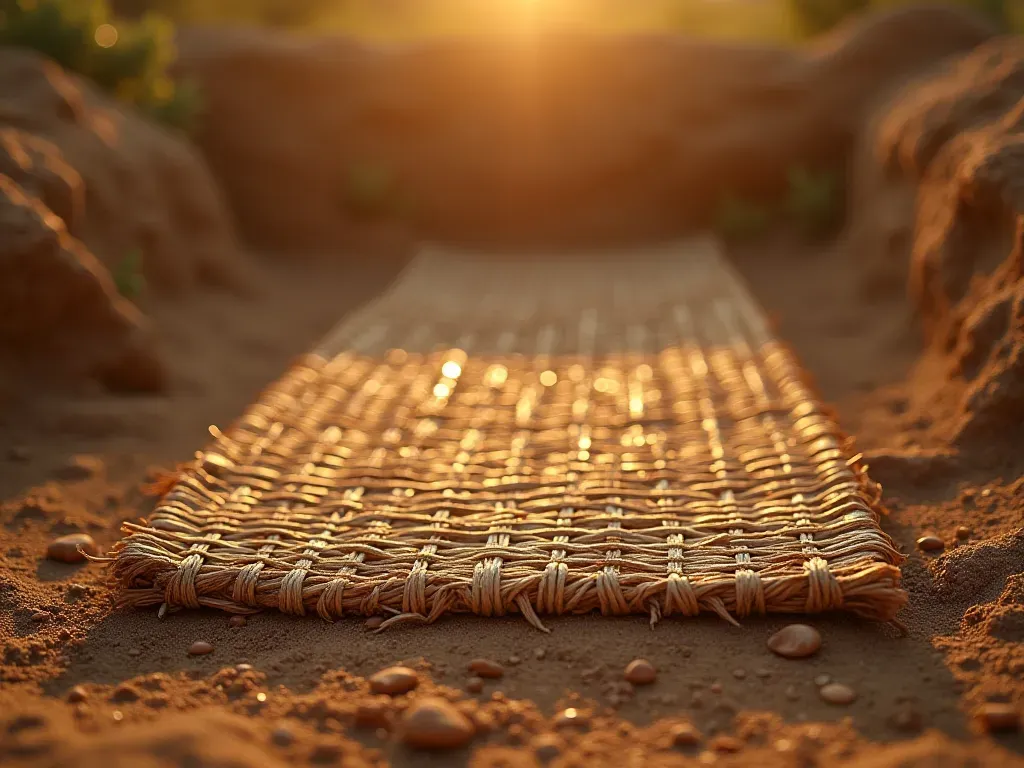
The Mat That Changed Everything We Knew About Prehistoric Labor
You probably figure ancient people spun some thread and that was that. Wrong. The reality is messier, and a single dried mat tells a story your textbook skipped right over.
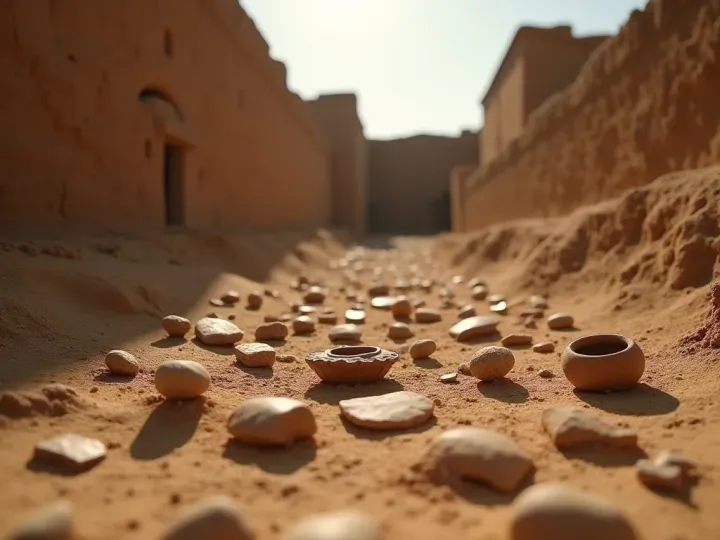
Archaeologists found six clay tools left out to dry on it. Never fired. That one detail rewired how we picture who did the work in those early villages.
Think about what it implies. Specific households handled textile production. Not some vague everyone-pitches-in chore across the whole settlement.

Why a Simple Drying Spot Matters More Than You Think
What got me was how ordinary the moment felt. Someone shaped clay, set it down to harden, walked away. Eight thousand years ago.
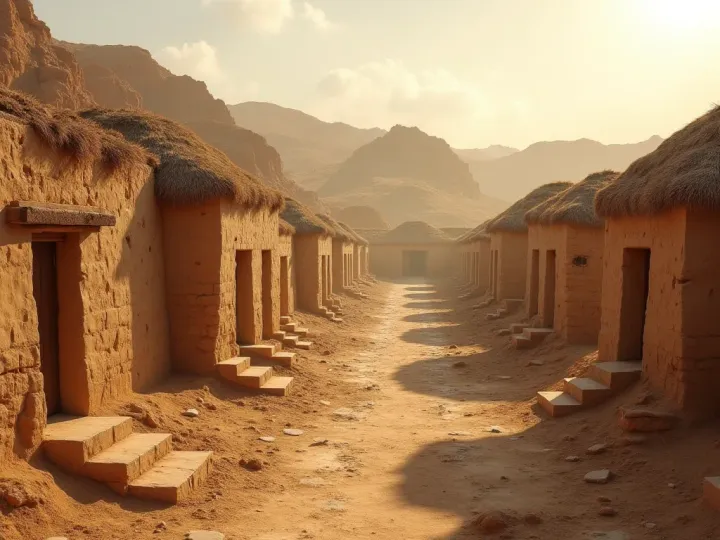
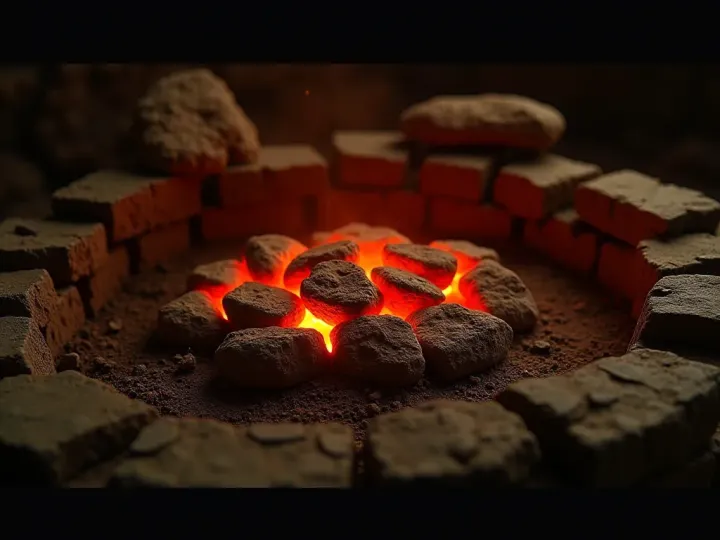
But where it sat matters. Inside a building with an oven and unfinished sling bullets. That points to a dedicated workshop space for making tools.
So we're not just looking at spinning. We're looking at the manufacture of the spindles themselves. A much deeper layer of economic activity.
It undercuts the idea that everyone did everything. Some homes were hubs for specific crafts. Others handled entirely different tasks.
The Real Story Behind the Clay Spindle Whorls
Fifty seven of these small weights turned up in total. They ranged from thirty five to eighty grams. One heavy outlier hit nearly a hundred fifty grams.
Weight drove thread thickness directly. Lighter whorls made finer yarn for delicate fabrics. Heavier ones produced coarser strings for sturdy goods.
That's a sophisticated grasp of mechanics. They knew exactly what they needed for different clothing and tools.
Who Was Actually Spinning the Thread in These Ancient Homes
Here's where it gets really interesting. The tools clustered in specific buildings. Not every house had a stash of spindle whorls.
Buildings two ten nine and fourteen held the most equipment. Specialized roles, then, inside the community structure of that time.
A division of labor we still don't fully understand. Some people were the makers. Others used the finished goods.
I find this fascinating because it wrecks the primitive stereotype. These people ran organized production lines with clear responsibilities.
The Mystery of the Missing Fiber Remains Unresolved
Here's the thing that still bugs researchers. No actual cloth survives from this site. The thread itself is completely gone.
We only know what tools made it. Wool, linen, some other plant fiber? Can't say.
Sheep were common in the animal bones found there. But they may have been raised for milk rather than fleece.
So the tools tell us the process and nothing about the raw material. That gap keeps archaeologists thinking long after they leave the dig site.
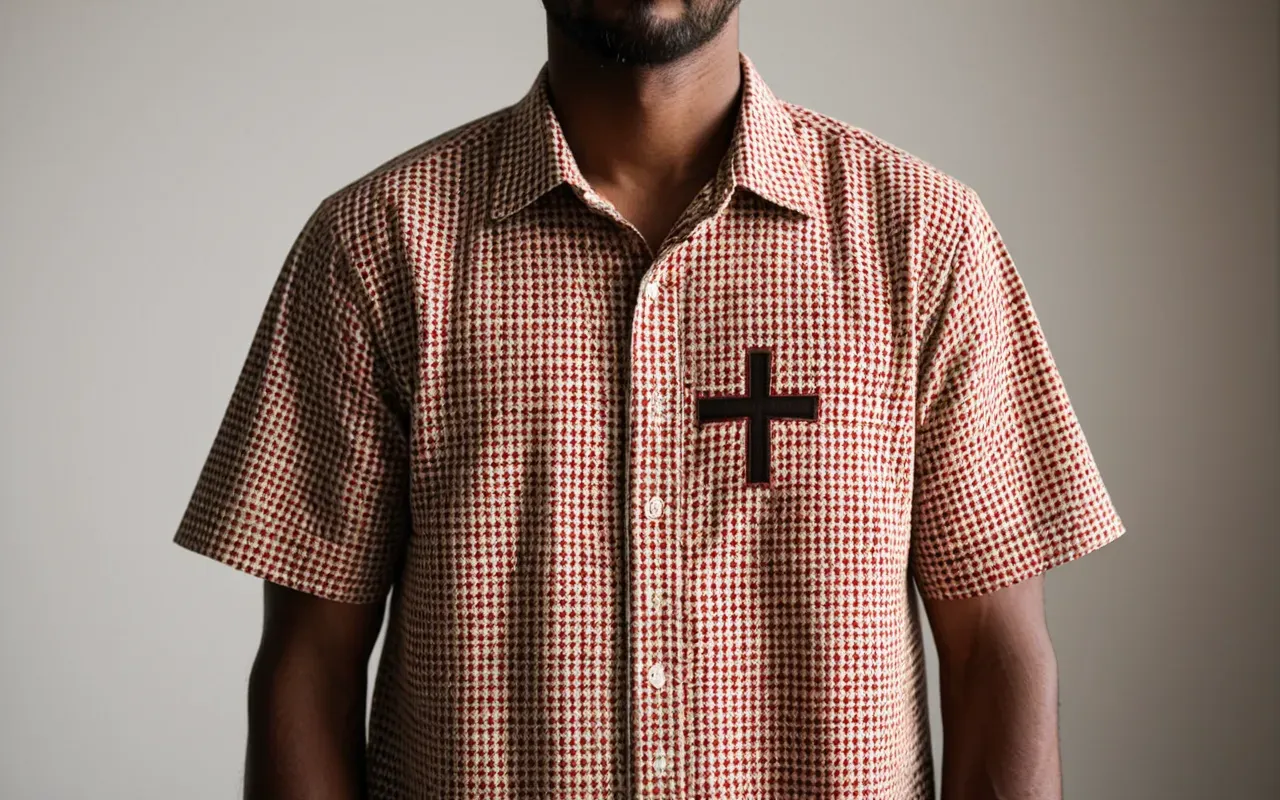
The Painted Figurine That Gives Us a Glimpse of Fashion
Clothing wasn't just for warmth back then. It carried visual meaning. A small clay figure at the site proves it vividly.
It features a red and beige cross pattern on the upper body. Likely a decorative garment worn by its maker.
People cared how they looked. Identity and status, expressed through color choice in daily wear.
It ties the humble tools to a bigger story about human creativity and self presentation in prehistory.
What This Discovery Means for How We View Ancient Society
We tend to imagine these early communities as simple and undifferentiated. The evidence here pushes back hard.
Specialized workshops. Diverse tools. Choices about fiber type and garment design based on function and style.
If you're interested in how early humans organized work before writing existed, this is a prime example. Complexity without documentation.
The tools survive even when the products don't. That's why careful excavation matters so much for understanding our shared past.
This find reminds us the Neolithic wasn't just about farming. It was a period of intense technical and social innovation.
And honestly, the fact that it came from a simple mat makes it all the more impressive. Small things can hold huge historical truths.